
Are you ready to unlock the secrets of one of the most versatile herbs in your garden? Oregano leaves are more than just a tasty addition to your favorite Italian dishes – they hold a treasure trove of medicinal wonders waiting to be discovered. From soothing digestive issues and reducing inflammation, to boosting immunity and fighting off infections, the benefits of oregano leaves are undeniable. But that’s not all – this incredible herb is also incredibly easy to grow and harvest in your own backyard. In this article, we’ll delve into the amazing world of oregano leaves, covering everything from how to grow them, to their various uses in cooking and medicine, and why they’re an essential addition to any health-conscious household. Whether you’re a seasoned gardener or just starting out, get ready to fall in love with the incredible benefits and uses of oregano leaves!
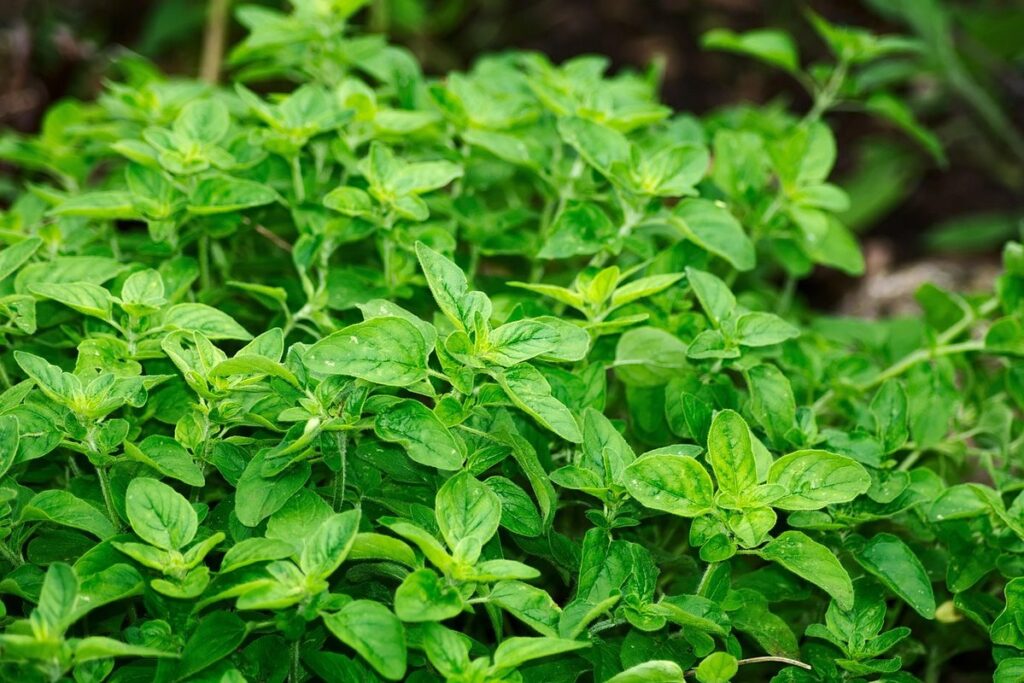
What are Oregano Leaves?
You’re probably wondering where oregano leaves come from and what they look like, so let’s start by exploring their origins and unique characteristics. Oregano leaves have a distinctive appearance that sets them apart from other herbs.
Botanical Description
Oregano leaves belong to the Lamiaceae family and are scientifically known as Origanum vulgare. Native to Europe, western Asia, and Africa, oregano has been widely cultivated for its distinct flavor and fragrance. One of the most notable characteristics of oregano is its pungent aroma, which is often associated with its high concentration of volatile oils.
Oregano’s leaves are typically oval in shape, pointed at the tip, and have a slightly hairy texture. They can grow up to 3-4 cm (1.2-1.6 inches) long and 1-2 cm (0.4-0.8 inches) wide. The leaves are usually dark green in color with a reddish tint on the underside. When mature, oregano leaves have a wrinkled appearance due to their numerous oil glands.
Oregano’s unique botanical features are responsible for its distinct flavor and aroma, making it a popular herb in various cuisines worldwide. Whether used fresh or dried, oregano adds a savory taste and fragrance to dishes that enhance the overall culinary experience.
History of Use
Oregano leaves have been used for centuries across various cultures, not only as a flavorful addition to meals but also for their medicinal properties. In ancient Greece and Rome, oregano was highly valued for its health benefits, with the Greek physician Hippocrates using it to treat various ailments. The Romans, on the other hand, prized oregano for its ability to repel insects.
In traditional Chinese medicine, oregano is used to aid digestion and relieve colds. Similarly, in Ayurvedic practices, oregano is employed to balance body energies and alleviate respiratory issues. In many Mediterranean countries, oregano has been a staple herb in cooking, often paired with olive oil and lemon juice to create marinades for meats.
Today, oregano leaves continue to be used in various traditional medicine practices around the world. When using oregano for medicinal purposes, it’s essential to note that while its antiseptic properties can help alleviate symptoms, it should not be used as a substitute for medical treatment. Instead, oregano can be used in conjunction with prescribed medications under the guidance of a healthcare professional.
Nutritional Benefits of Oregano Leaves
Let’s dive into one of the most impressive aspects of oregano leaves: their incredible nutritional benefits, which make them a great addition to your healthy diet. Packed with vitamins and minerals, they’re a powerhouse for your well-being.
Antioxidant Properties
Oregano leaves are renowned for their impressive antioxidant properties, making them an excellent addition to a healthy diet. Antioxidants play a crucial role in neutralizing free radicals, which can cause oxidative stress and lead to cell damage. Oregano’s high antioxidant content is attributed to its rich concentration of polyphenols, phenolic acids, and flavonoids.
The ability of oregano leaves to scavenge free radicals makes them an effective natural remedy for various health issues. For instance, studies have shown that oregano extract can inhibit the growth of cancer cells by reducing oxidative stress and inflammation. Moreover, oregano’s antioxidant properties may also contribute to its potential anti-aging benefits, including protecting against age-related diseases such as Alzheimer’s and Parkinson’s.
To harness the antioxidant power of oregano leaves, you can add fresh or dried leaves to your meals or consume them in supplement form. When cooking with oregano, use it liberally to reap its nutritional rewards. For example, you can sprinkle oregano on vegetables, soups, or salads for an added burst of antioxidants.
Anti-Inflammatory Effects
Oregano leaves have been a staple in Mediterranean cuisine for centuries, not only for their rich flavor but also for their potential health benefits. Research has shown that oregano’s anti-inflammatory properties may play a crucial role in reducing inflammation and alleviating symptoms of conditions like arthritis.
One of the key compounds responsible for oregano’s anti-inflammatory effects is carvacrol, a natural phenol that has been shown to inhibit the production of pro-inflammatory enzymes. Studies have demonstrated that carvacrol can reduce inflammation in animal models of arthritis, suggesting its potential therapeutic applications for human health.
If you’re suffering from joint pain or inflammation, consider incorporating oregano leaves into your diet. You can add fresh oregano leaves to salads, soups, or stews, or use dried oregano as a seasoning for meats and vegetables. To maximize the anti-inflammatory effects of oregano, look for products that contain high concentrations of carvacrol (at least 70%). Also, be sure to consult with a healthcare professional before making any significant changes to your diet.
Some studies suggest that combining oregano with other anti-inflammatory herbs like turmeric or ginger may enhance its therapeutic benefits. Experiment with different recipes and blends to find what works best for you.
Culinary Uses of Oregano Leaves
You can use oregano leaves to add a burst of flavor to your favorite dishes, from savory meats and stews to fresh salads and marinades. Let’s explore their culinary possibilities.
Flavor Enhancer
Oregano leaves are an incredibly versatile ingredient that can elevate a wide range of dishes beyond just Mediterranean cuisine. One of its most impressive uses is as a flavor enhancer, adding depth and warmth to various types of cooking.
In traditional Greek and Italian recipes, oregano is often paired with olive oil, garlic, and lemon juice to create a classic marinade for grilled meats or vegetables. However, this herb’s potential extends far beyond these familiar flavors. Mexican cuisine, for example, utilizes oregano as a key component in salsas and chili powders, adding a pungent aroma that complements the spicy kick of jalapenos.
You can also use oregano to add a subtle boost to soups, stews, or braises. Simply chop fresh oregano leaves and add them towards the end of cooking time to prevent bitterness from developing. Another tip is to mix dried oregano with other herbs like thyme and rosemary for a fragrant rub that’s perfect for roasting lamb or beef.
Remember, when using oregano as a flavor enhancer, start with small amounts and taste as you go – it’s easier to add more than it is to remove excess. This way, you can unlock the full potential of this incredible herb in your cooking.
Herbal Tea
Oregano leaves can be used to create a soothing and flavorful herbal tea that offers numerous health benefits. One of the main advantages of oregano leaf tea is its high antioxidant content, which can help protect against cell damage and inflammation in the body. Studies have shown that oregano’s carvacrol compound has potent antibacterial properties, making it an effective remedy for digestive issues such as bloating, cramps, and diarrhea.
To make oregano herbal tea, simply steep 1-2 teaspoons of dried oregano leaves in a cup of boiling water for 5-7 minutes. You can enjoy this tea hot or cold, sweetened with honey to taste. The unique flavor profile of oregano leaf tea is often described as earthy and slightly bitter, similar to peppermint but with a more subtle warmth.
In addition to its digestive benefits, oregano herbal tea may also help alleviate respiratory issues such as coughs, colds, and bronchitis due to its antimicrobial properties. As with any herbal remedy, consult with a healthcare professional before consuming oregano leaf tea in large quantities or for extended periods of time. With its rich flavor and numerous health benefits, incorporating oregano herbal tea into your daily routine may be an effective way to boost your immune system and promote overall well-being.
Medicinal Uses of Oregano Leaves
Oregano leaves have been used for centuries to treat a variety of health issues, from digestive problems to respiratory infections. Let’s explore some of their most impressive medicinal uses.
Antimicrobial Properties
Oregano leaves have been prized for centuries not only for their flavor and aroma but also for their remarkable antimicrobial properties. This means they’re incredibly effective against a wide range of microorganisms, including bacteria, viruses, and fungi.
Studies have shown that oregano’s essential oils contain powerful compounds like carvacrol and thymol, which are responsible for its antimicrobial activity. These compounds have been found to inhibit the growth of pathogens such as Escherichia coli (E. coli) and Staphylococcus aureus, two bacteria commonly associated with foodborne illnesses.
In addition to its effectiveness against bacteria, oregano’s antimicrobial properties also extend to viruses and fungi. Research has demonstrated that oregano oil can inhibit the replication of influenza virus and even exhibit antifungal activity against Candida albicans.
To harness the antimicrobial power of oregano leaves for yourself, try incorporating them into your cooking routine or using oregano essential oil in a diffuser. You can also use oregano as a natural remedy for minor cuts and scrapes by applying it topically to promote healing and prevent infection.
Digestive Health
Oregano leaves have been used for centuries to promote digestive health and alleviate symptoms of indigestion and irritable bowel syndrome (IBS). The essential oils present in oregano leaves, particularly carvacrol and thymol, possess potent antimicrobial properties that help combat digestive issues.
One way oregano can aid digestion is by reducing inflammation in the gut. When we consume food, it passes through our digestive system, but sometimes undigested particles or toxins can cause irritation and inflammation. Oregano’s anti-inflammatory compounds work to calm down this inflammation, allowing for smoother digestion. In fact, studies have shown that oregano oil can reduce symptoms of IBS in patients by up to 90%.
To incorporate oregano into your digestive health routine, try drinking a tea made from dried oregano leaves. Simply steep one teaspoon of dried oregano in boiling water for five minutes, then strain and drink before meals. You can also add oregano essential oil to your food or take it as a supplement after consulting with a healthcare professional.
Incorporating oregano into your diet can have a significant impact on your digestive health, so don’t be afraid to get creative!
Preparations and Safety Considerations
Before you start using oregano leaves, it’s essential to understand how to prepare them safely and effectively. We’ll walk you through the necessary precautions in this section.
Tea and Tincture
To reap the medicinal benefits of oregano leaves, you can prepare them as tea or tincture. Oregano tea is a simple and comforting way to consume oregano’s antiseptic properties. To make it, steep one teaspoon of dried oregano in a cup of boiling water for 5-10 minutes. Strain the mixture and drink as needed, ideally after meals to aid digestion.
For tincture preparation, combine 20-30 drops of oregano extract with a small amount of water or another liquid. Tinctures are more concentrated than teas, so be cautious not to overdo it when using them. As for dosing, start with the minimum recommended amount and gradually increase as needed.
When preparing either tea or tincture, keep in mind potential interactions with medications. For instance, if you’re taking blood thinners, consult your doctor before consuming oregano products due to their anticoagulant properties. Also, those with allergies to plants within the Lamiaceae family may want to approach consumption with caution. To minimize risks and maximize benefits, always follow proper preparation guidelines and consult a healthcare professional if necessary.
Food Safety
When working with oregano leaves, it’s essential to handle and consume them safely. Oregano is a potent herb that can be overwhelming if not used properly. To ensure you get the most out of its benefits while minimizing potential risks, follow these guidelines for proper storage and cooking methods.
Firstly, store your oregano leaves in an airtight container away from direct sunlight to maintain their flavor and aroma. This will also help prevent any contamination or mold growth. It’s recommended to use glass containers instead of plastic ones as they are more resistant to oils and fragrances that may leach into the herbs.
When cooking with oregano, it’s crucial to note that its pungency can be overpowering if added excessively. Start with small amounts and adjust according to taste. Also, heat can cause oregano’s volatile compounds to break down, reducing their potency. To preserve these compounds, add oregano towards the end of cooking time or use it as a garnish.
Be cautious when consuming oregano in large quantities, especially for those with sensitive stomachs. Some individuals may experience allergic reactions or interact negatively with medications due to oregano’s high thymol content.
Growing and Harvesting Oregano Leaves
To grow oregano successfully, choose a location with well-draining soil and plenty of sunlight, then follow these simple steps for healthy growth. Next, learn how to harvest your leaves at the right time.
Plant Care
To ensure your oregano plants thrive and produce an abundance of delicious leaves, proper care is essential. First, choose a location that receives plenty of sunlight – at least 4-6 hours of direct sunlight per day. If you’re growing indoors, a south-facing window or under grow lights will work well.
When it comes to soil quality, oregano prefers well-draining and dry to slightly moist conditions. Avoid wateringlogged soils, which can lead to root rot and other problems. A mix specifically designed for herbs or Mediterranean plants is ideal.
Pruning techniques are crucial in maintaining a healthy and bushy plant. Pinch off flower buds as they form to direct the plant’s energy towards leaf growth. Regularly trim back leggy stems to encourage branching and prevent the plant from becoming too leggy.
By following these guidelines, you’ll be able to enjoy an abundance of fresh oregano leaves year-round. Remember to harvest individual leaves or stems as needed, rather than cutting off entire branches. This will help promote continued growth and prevent over-harvesting.
Harvesting Methods
When it comes to harvesting oregano leaves, timing is everything. The ideal time for harvesting is early morning, when the dew has evaporated but before the heat of the day sets in. This allows you to pick the leaves at their peak flavor and aroma.
There are a few methods to harvest oregano leaves, depending on your preference. You can pinch off individual leaves with your fingers or use scissors to snip them from the stem. For larger quantities, you can cut back the entire plant to about one-third of its height, which will encourage new growth and prevent the plant from flowering.
To preserve the freshness of your harvested oregano leaves, it’s essential to dry them promptly. You can air-dry them by tying the stems in small bunches and hanging them upside down in a warm, dry place or use a food dehydrator on its lowest setting. Once dried, store the leaves in airtight containers to keep them fresh for months.
Regular harvesting also promotes bushy growth and prevents the plant from flowering, ensuring a continuous supply of oregano leaves throughout the growing season.
Frequently Asked Questions
Can I grow oregano leaves indoors if I don’t have a garden?
Yes, you can successfully grow oregano leaves indoors with the right conditions. Provide your plant with plenty of sunlight (at least 4-6 hours direct sunlight), well-draining soil, and maintain a consistent temperature between 65-75°F (18-24°C). Indoor growing may require more frequent watering due to the controlled environment.
What are some common pests or diseases that can affect oregano plants?
Common issues include aphids, whiteflies, and spider mites. To prevent infestations, maintain good hygiene when handling the plant, avoid overwatering, and introduce beneficial insects like ladybugs or lacewings to your garden. Regular pruning also helps prevent disease by promoting air circulation.
How do I store fresh oregano leaves to preserve their flavor and potency?
To keep fresh oregano leaves for an extended period, dry them immediately after harvesting by tying the stems in small bunches and hanging them upside down in a warm, dry place. Store dried oregano leaves in airtight containers to maintain their fragrance and medicinal properties.
Can I use oregano essential oil as a substitute for fresh or dried oregano?
While oregano essential oil can be used in cooking and medicine, it’s not always a direct substitute for fresh or dried oregano. Essential oils are highly concentrated, so start with small amounts and adjust to taste. Also, note that the oil may not retain all the same benefits as the herb itself.
Are there any specific safety precautions I should take when using oregano leaves medicinally?
Yes, while generally safe, pregnant or breastfeeding women, as well as people with allergies or sensitive skin, should exercise caution when using oregano leaves for medicinal purposes. Also, consult a healthcare professional before consuming large quantities or using oregano in conjunction with other medications.