
Edible seeds are an incredibly underrated superfood that deserves some serious attention. Not only do they pack a punch when it comes to nutrition, but they’re also ridiculously versatile in the kitchen. From chia and flaxseeds to hemp and sesame seeds, there’s a world of possibilities waiting to be explored.
As we become increasingly aware of the importance of whole foods in our diets, edible seeds are finally getting the recognition they deserve. Rich in protein, fiber, and omega-3 fatty acids, these tiny powerhouses offer a wealth of health benefits that can transform your overall well-being. In this article, we’ll delve into the world of edible seeds, covering how to grow, harvest, and use them in your diet for maximum nutritional potential. Get ready to unlock the secrets of chia, hemp, and other superfoods to take your health and cooking skills to new heights!
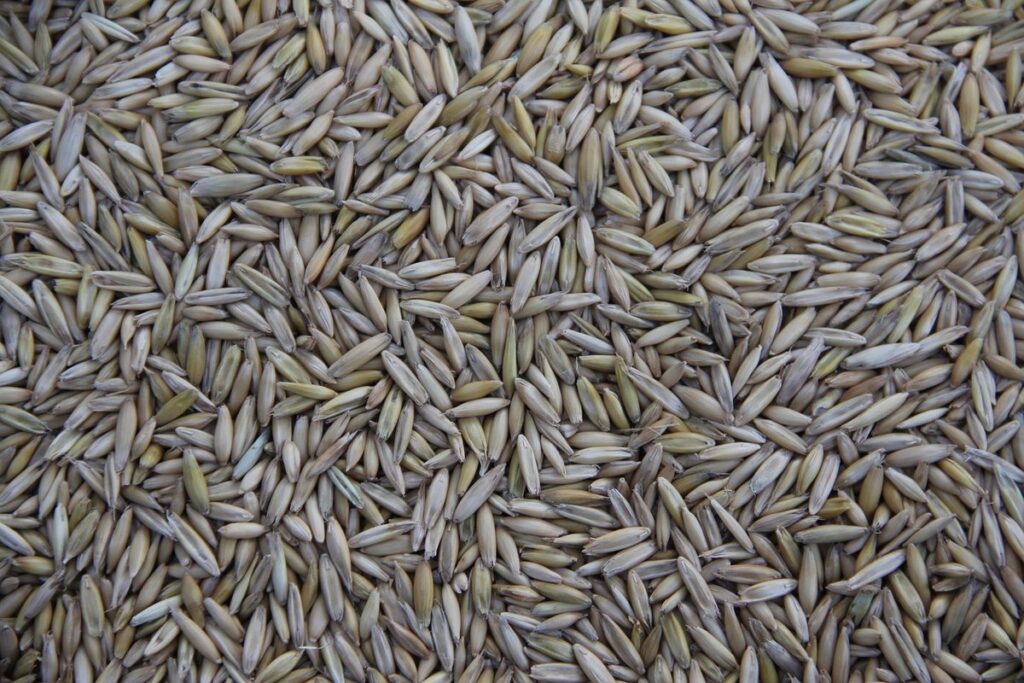
What are Edible Seeds?
You might be wondering what exactly edible seeds are and where you can find them, so let’s start by defining these tiny nutritional powerhouses.
Definition and Types of Edible Seeds
Edible seeds are a rich source of nutrition, offering a wealth of benefits for those looking to incorporate more plant-based foods into their diet. They can be broadly classified into two categories: true seeds and pseudo-seeds.
True seeds come from the ovary of a plant and have three distinct parts: the embryo, endosperm, and seed coat. Examples of true edible seeds include sunflower seeds, pumpkin seeds, and flaxseeds. Pseudo-seeds, on the other hand, are not produced from the ovary but rather from other plant structures such as stems or leaves. Chia seeds and cacao nibs are two examples of pseudo-edible seeds.
Some common types of edible seeds include:
• Sunflower seeds: high in vitamin E and healthy fats
• Pumpkin seeds: rich in zinc and magnesium
• Flaxseeds: an excellent source of omega-3 fatty acids
• Chia seeds: packed with fiber, protein, and antioxidants
• Hemp seeds: a complete protein source with essential amino acids
Incorporating these nutritious seeds into your diet can be as simple as adding them to salads or smoothies. Experimenting with different types of edible seeds can also help you discover new flavors and textures in the kitchen.
History of Consuming Edible Seeds
Edible seeds have been a staple in traditional diets across cultures for thousands of years. In ancient civilizations such as Egypt, Greece, and Rome, edible seeds like sesame, sunflower, and poppy were not only used as ingredients in food but also had spiritual significance. The Egyptians, for instance, considered the sesame seed a symbol of fertility and prosperity.
In Asia, edible seeds have been integral to traditional diets for centuries. In Japan, sesame seeds are often sprinkled on sushi rolls, while in India, they’re commonly added to curries and chutneys. Sunflower seeds, too, have been consumed by various cultures, including the ancient Greeks, who used them as a snack.
In Africa, edible seeds like baobab, moringa, and pomegranate are considered superfoods due to their nutritional value. The Incas in South America revered quinoa seeds for their high protein content, while in Australia, bush foods like bush tomato and wattle seed have been used by indigenous communities for centuries.
Today, edible seeds continue to play a significant role in modern diets, offering a wealth of nutritional benefits and culinary versatility.
Benefits of Including Edible Seeds in Your Diet
Incorporating edible seeds into your diet can have numerous health benefits. One of the most significant advantages is their high protein content. For instance, chia seeds contain 4-5 grams of protein per tablespoon, while hemp seeds pack a whopping 10 grams per ounce. This makes them an excellent addition to vegetarian and vegan diets.
Edible seeds are also rich in dietary fiber, which can help promote digestive health and satiety. Flaxseeds, for example, contain both soluble and insoluble fiber, making them a great choice for supporting healthy bowel movements. Additionally, edible seeds are packed with essential nutrients like omega-3 fatty acids (found in chia and flaxseeds) and vitamins E and B.
To reap the nutritional benefits of edible seeds, simply sprinkle them on oatmeal or yogurt, blend them into smoothies, or use them as a topping for salads. You can also incorporate edible seed oil into your cooking by using sesame oil or pumpkin seed oil in place of olive oil. Experiment with different types and amounts to find the perfect balance for your taste buds and dietary needs.
Nutritional Content of Popular Edible Seeds
Let’s take a closer look at the nutritional profiles of some popular edible seeds, including their calorie counts and key nutrient contributors. From sesame to sunflower seeds, we’ll break it down for you.
Chia Seeds: High Fiber and Omega-3 Rich
Chia seeds are one of the richest sources of fiber and omega-3 fatty acids among all edible seeds. A single ounce of chia seeds contains about 10 grams of fiber, which is approximately 40% of the daily recommended intake. This high fiber content makes chia seeds an excellent addition to a weight management diet. When soaked in water, chia seeds absorb liquid and expand, forming a gel-like texture that can help slow down digestion and keep you feeling fuller for longer.
Chia seeds are also an excellent source of omega-3 fatty acids, specifically alpha-linolenic acid (ALA). ALA is essential for heart health and has anti-inflammatory properties. When consumed as part of a balanced diet, chia seeds may help lower cholesterol levels and reduce the risk of cardiovascular disease. You can easily incorporate chia seeds into your daily meals by adding them to oatmeal, yogurt, or salads. Another way to use chia seeds is by making chia seed pudding by mixing 1 tablespoon of chia seeds with 3 tablespoons of almond milk and letting it sit for a few minutes before topping with fresh fruits or nuts.
Flaxseeds: A Source of ALA and Fiber
Flaxseeds are one of the richest sources of alpha-linolenic acid (ALA), an essential omega-3 fatty acid that’s crucial for heart health and brain function. In fact, a single tablespoon of ground flaxseed contains about 1.8 grams of ALA, which is roughly 50% of the daily recommended intake.
In addition to its high levels of ALA, flaxseeds are also an excellent source of dietary fiber, containing both soluble and insoluble fiber. According to the United States Department of Agriculture (USDA), one tablespoon of ground flaxseed contains about 3 grams of dietary fiber, which can help promote digestive health and satiety.
To get the most nutritional benefits from flaxseeds, it’s essential to grind them just before consumption, as whole flaxseeds pass through the digestive system intact. You can add ground flaxseed to oatmeal, yogurt, or smoothies for a nutrient boost. Start with small amounts (about 1-2 teaspoons per day) and gradually increase your intake to allow your body to adjust.
When selecting flaxseeds, choose those that are rich in oil content, as they tend to have higher levels of ALA and fiber.
Hemp Seeds: Complete Protein and Essential Fatty Acids
Hemp seeds are often touted as a superfood due to their impressive nutritional profile. As it turns out, they contain all nine essential amino acids that our bodies can’t produce on its own, making them an excellent source of plant-based protein. This is particularly beneficial for vegetarians and vegans who struggle to get enough protein from other sources.
But hemp seeds’ nutritional prowess doesn’t stop there. They’re also a rich source of essential fatty acids (EFAs), specifically a balance of omega-6 and omega-3 fatty acids. While many plant-based oils tend to be high in omega-6s, hemp seeds boast an impressive 3:1 ratio of omega-6 to omega-3s, which is closer to the ideal balance our bodies need.
To reap the benefits of hemp seeds’ protein and EFA content, consider adding them to your smoothies or oatmeal. You can also sprinkle them on salads or use as a topping for soups. With their nutty flavor and versatility, it’s easy to incorporate hemp seeds into your diet.
Culinary Uses of Edible Seeds
Edible seeds can be used in a variety of dishes, from salads and stir-fries to baked goods and energy balls, adding crunch and nutrition. Let’s explore some creative ways to incorporate them into your cooking.
Incorporating Edible Seeds into Baked Goods
When it comes to baking with edible seeds, the possibilities are endless. One of the simplest ways to incorporate these nutritious ingredients into your baked goods is by using them as an egg substitute or adding them to your favorite recipes for a nutritional boost.
Take chia seed bread, for example. By mixing 1 tablespoon of chia seeds with 3 tablespoons of water, you can create a gel-like substitute that replaces one egg in most recipes. This not only adds protein and fiber but also gives the bread a delicious nutty flavor. Flaxseed muffins are another popular option, as ground flaxseed can be used in place of eggs or oil to add moisture and texture.
Hemp seed cookies are another tasty way to get your daily dose of omega-3s. Simply replace up to 25% of the flour with hemp seeds and enjoy a crunchy, nutty treat that’s packed with protein and healthy fats. Remember to adjust the liquid content accordingly, as hemp seeds can absorb more moisture than traditional flours.
Experimenting with different types and combinations of edible seeds is key to unlocking their full culinary potential.
Salads, Smoothies, and Snacks with Edible Seeds
Edible seeds offer an incredible range of textural benefits when incorporated into salads, smoothies, and snack recipes. In salads, they can provide a delightful crunch that complements fresh greens, vegetables, and fruits. For example, adding toasted pumpkin seeds to a spinach salad or sprinkling chia seeds on top of a mixed green salad adds depth and interest.
In smoothie recipes, edible seeds help maintain the desired texture, preventing the drink from becoming too thick or too thin. Chia seeds, in particular, are an excellent addition as they absorb liquid and form a gel-like substance that acts as a natural thickening agent. Simply mix 1-2 tablespoons of chia seeds with your favorite fruits and milk for a delicious and filling breakfast smoothie.
When it comes to snacks, edible seeds offer a satisfying crunch and burst of flavor. Try sprinkling sesame seeds on popcorn or using flaxseeds as a topping for homemade trail mix. You can also use them as an ingredient in homemade granola recipes, adding protein and fiber to your favorite snack. Experiment with different types of edible seeds to find the perfect combination that suits your taste buds!
Cooking Methods for Edible Seeds: Roasting, Grinding, and More
When it comes to cooking with edible seeds, various methods can bring out their unique flavors and textures. Roasting is a popular technique for enhancing the flavor of seeds like pumpkin, sunflower, and sesame. Simply toss the seeds with some oil, salt, and your desired spices, then roast them in the oven at 350°F (175°C) until fragrant and lightly browned.
Grinding seeds into flours or pastes can also be a great way to incorporate them into baked goods or sauces. Chia seed meal, for instance, is a popular substitute for eggs in baking due to its gel-like properties when mixed with liquid. Alternatively, you can blend sesame seeds into a paste and mix it with olive oil to create tahini.
Other methods include sautéing seeds in hot oil or butter to give them a crispy texture, such as with pumpkin seeds. You can also try steaming or boiling seeds for a softer texture, like with chia seeds. Experimenting with different cooking techniques will allow you to unlock the full potential of edible seeds in your culinary creations.
Growing and Harvesting Your Own Edible Seeds
As you start cultivating your own edible seeds, it’s essential to learn how to properly care for them from sowing to harvesting to ensure a bountiful yield. With these tips, you’ll be enjoying homegrown seeds in no time!
Starting an Edible Seed Garden at Home
Starting an edible seed garden at home is a rewarding experience that can provide you with fresh, nutritious seeds for snacking and cooking. To begin, choose a spot in your yard that receives full sun to partial shade, depending on the specific seed crop you’re growing. Most edible seeds require well-draining soil with a pH between 6.0 and 7.0.
For small-scale production, consider container gardening using pots or planters specifically designed for seeds. This allows for greater control over soil quality, temperature, and moisture levels. Sow seeds directly into the container at the recommended depth, usually about ¼ inch below the surface. Water gently but thoroughly after planting, keeping the soil consistently moist during the germination period.
Some popular edible seed crops for home gardens include sunflower, pumpkin, and squash seeds, as well as coriander, dill, and mustard greens. These can be grown on a trellis or in a raised bed, making use of vertical space and maximizing yields. Regular maintenance includes keeping the soil weed-free and mulched to retain moisture and suppress pests.
Tips for Harvesting Edible Seeds at Their Best
When it comes to harvesting edible seeds at their best, timing and technique are crucial. The ideal time for seed harvest varies depending on the type of plant, but generally, seeds are ready when they’re fully mature and dry. For example, sunflower seeds are typically harvested in late summer or early fall, while pumpkin seeds are picked after the pumpkin has fully ripened.
To ensure optimal quality, harvest your edible seeds during a dry spell to prevent moisture from compromising their flavor and nutritional value. Use scissors or a sharp knife to cut the seed-bearing stalks near the base, leaving a small portion of stem intact. This will help you avoid damaging the delicate seeds within.
Handle your harvested seeds gently to avoid bruising or breaking them. Store them in an airtight container to preserve their flavor and nutritional properties. For long-term storage, consider drying or freezing your edible seeds to maintain their quality until you’re ready to use them in your recipes.
Storage and Handling of Freshly Harvested Edible Seeds
Proper storage and handling of freshly harvested edible seeds are crucial to preserving their nutritional value and shelf life. When you harvest your edible seeds, they’re at their peak freshness and nutritional content. However, this window is short-lived if not stored correctly.
Store the seeds in a cool, dry place with minimal exposure to light. A dark cupboard or pantry is ideal. Keep them away from direct sunlight, heat sources, and moisture-rich environments. You can also use containers specifically designed for seed storage, such as glass jars or paper packets. These containers allow for airflow while maintaining humidity.
To further preserve the seeds’ nutritional value, store them in a sealed container with a silica gel packet to absorb excess moisture. This will prevent mold growth and rancidity. Label each container with the seed type and date of harvest so you can easily track their freshness. For longer-term storage, consider freezing or dehydrating the seeds.
Freezing preserves the seeds’ nutritional content by slowing down chemical reactions that cause spoilage. Dehydrating removes excess moisture, preventing mold growth. Both methods will extend shelf life but require careful handling to prevent damage.
Potential Health Benefits and Precautions
As we explore the nutritional potential of edible seeds, it’s essential to consider both their benefits and potential risks for optimal consumption. Let’s examine some key health considerations together.
Research on the Effects of Edible Seed Consumption
Numerous studies have explored the health benefits associated with consuming edible seeds, and the results are promising. When it comes to cardiovascular health, research suggests that regular consumption of seeds like flaxseed, chia seed, and hemp seed can help lower cholesterol levels and blood pressure. For instance, a study published in the Journal of Nutrition found that flaxseed supplementation reduced triglycerides by 32% and LDL (“bad”) cholesterol by 18%.
In terms of digestive health, edible seeds are rich in fiber, which can aid in regular bowel movements and prevent constipation. Chia seed, in particular, has been shown to absorb water and expand in the stomach, helping to regulate blood sugar levels and promote feelings of fullness.
Furthermore, edible seeds have been found to support immune system function by providing essential nutrients like vitamin E, magnesium, and selenium. A study published in the Journal of Medicinal Food found that consuming chia seed oil reduced inflammation and improved immune response in individuals with chronic fatigue syndrome.
Overall, incorporating a variety of edible seeds into your diet can have significant health benefits for cardiovascular, digestive, and immune system health. As always, be sure to consume them as part of a balanced diet, and consult with a healthcare professional if you have any underlying medical conditions or concerns.
Possible Allergies or Interactions to Consider
When consuming edible seeds, it’s essential to be aware of possible allergies and interactions that may occur. Some individuals may experience allergic reactions to certain types of seeds, while others may need to take precautions when combining seeds with medications.
Sesame seeds, for instance, are one of the most common allergenic foods. If you’re new to consuming edible seeds or have a history of sesame allergies, start by introducing small amounts into your diet and monitor for any adverse reactions. Sesame can also interact with certain medications, such as blood thinners and diabetes medications.
Other seeds like sunflower, poppy, and chia may cause allergic reactions in sensitive individuals. Chia seeds, in particular, have been known to cause digestive issues or bloating in some people due to their high fiber content. As a precaution, start by consuming small amounts of new seeds and gradually increase your intake over time.
Some medications like blood thinners may interact with certain edible seeds, such as flaxseeds, which are rich in omega-3 fatty acids. If you’re taking any prescription medications, consult with your healthcare provider before incorporating edible seeds into your diet.
Frequently Asked Questions
How can I properly store edible seeds to maintain their nutritional value?
To ensure the longevity of your edible seeds, it’s essential to store them in a cool, dry place. This means keeping them away from direct sunlight and moisture-rich environments. You can store them in airtight containers or glass jars with tight-fitting lids. For long-term storage (up to 6 months), consider freezing them.
Can I grow multiple types of edible seeds simultaneously in my garden?
While it’s not recommended to intercrop different types of edible seeds, you can certainly plant multiple varieties of true seeds together. However, make sure they have similar growing requirements and are compatible with each other. Pseudo-seeds like chia and flaxseed should be grown separately due to their specific needs.
Are there any potential allergens or interactions I need to be aware of when consuming edible seeds?
Yes, some people may experience allergic reactions or interactions when consuming certain types of edible seeds. For instance, sesame seeds can cause anaphylaxis in severe cases. If you’re considering incorporating hemp seeds into your diet, note that they contain a compound called THCA, which can interact with blood thinners and other medications.
How do I incorporate edible seeds into my existing recipes without compromising their flavor?
When substituting traditional ingredients with edible seeds, remember to adjust the ratio accordingly. For example, using chia seeds as an egg substitute requires about 1 tablespoon of chia mixed with 3 tablespoons of water for each egg called for in a recipe.
Can I use edible seeds as a direct replacement for nuts in baking recipes?
While some edible seeds can be used as nut substitutes, it’s essential to note that they have different flavor profiles and textures. Chia seeds, for instance, are more gel-like when soaked, whereas flaxseeds retain their crunchiness even after soaking. Use your discretion and experiment with small batches before making significant substitutions in recipes.