
Black tulips have long been shrouded in mystery and allure, captivating artists, writers, and flower enthusiasts alike with their rare beauty. These enigmatic blooms have a rich history, steeped in symbolism and intrigue that continues to fascinate us today. Not only are they a stunning addition to any garden or arrangement, but black tulips also hold significant meaning across art, literature, and popular culture. From the Dutch Golden Age to modern-day fashion and design, these mysterious flowers continue to inspire and influence creatives worldwide. In this article, we’ll delve into the captivating history of black tulips, explore their unique cultivation process, and examine the ways in which they’ve been celebrated across various forms of art and media. Whether you’re a seasoned gardener or simply drawn to the mystique of these rare blooms, join us as we uncover the secrets and significance of black tulips.
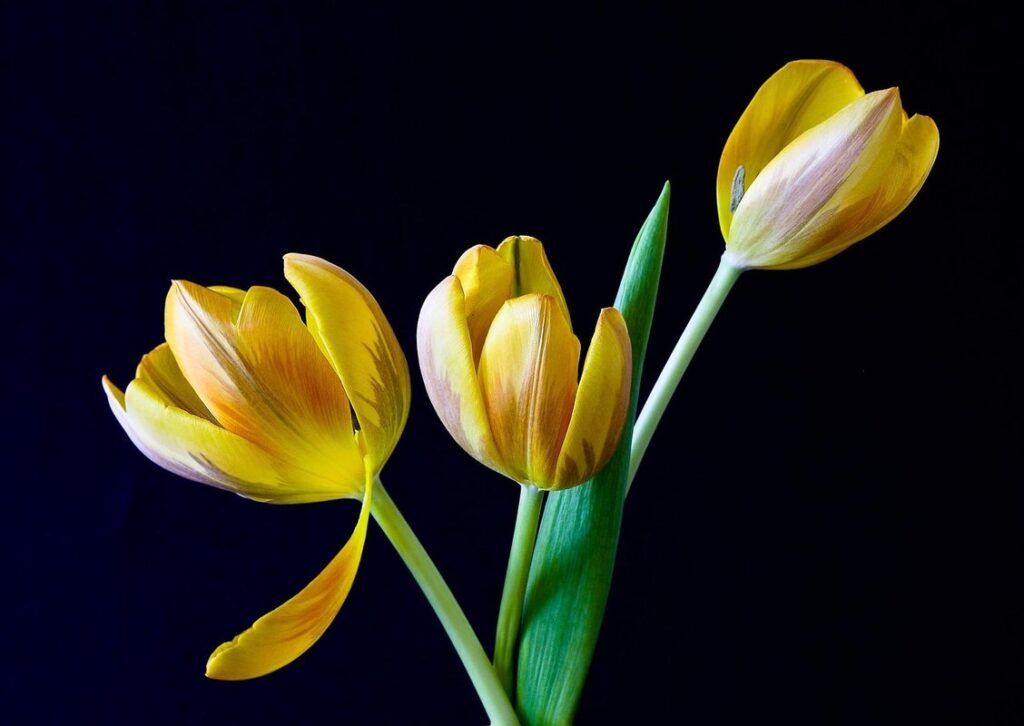
A Brief Introduction to Black Tulips
You’re probably wondering what makes black tulips so special, and where their mysterious allure comes from. Let’s take a step back and explore their fascinating history.
What are Black Tulips?
Black tulips are a rare and enchanting variety of the familiar spring-flowering bulbous perennial. These mysterious flowers belong to the genus Tulipa, which comprises over 150 species. Botanically speaking, black tulips are classified as Tulipa ‘Negra’ or Tulipa ‘Ballerina’, and they owe their unique coloration to a combination of genetic and environmental factors.
In terms of appearance, black tulips can range in color from deep plum to almost black, with some varieties displaying hints of blue or purple undertones. Unlike other types of tulips, which are often characterized by vibrant colors and striking patterns, black tulips are distinguished by their subtle, mysterious hue. This is due to the presence of a pigment called delphinidin, which absorbs light in the red spectrum, giving the flowers their dark appearance.
While they may look like a single color, black tulips can also display varying shades and undertones depending on factors such as soil quality, sunlight exposure, and temperature.
History and Origins of Black Tulips
Black tulips have a rich history that dates back thousands of years to ancient civilizations. According to legend, these rare flowers were said to have originated from the mythical gardens of King Louis XIV’s Versailles Palace in France during the 17th century. The rarity and difficulty in cultivating black tulips contributed to their mystique and allure.
One of the most enduring myths surrounding black tulips is that they are extremely difficult to grow, making them even more prized by collectors and enthusiasts. In reality, this has led to a number of cultivators trying to create their own ‘black’ tulip varieties through selective breeding and grafting techniques.
While it’s true that achieving a deep, dark color can be challenging, many modern growers have successfully cultivated black tulips with the right conditions, patience, and expertise. For those looking to try their hand at growing these enigmatic flowers, key considerations include choosing a reputable supplier of high-quality bulbs, providing optimal light and temperature conditions, and carefully monitoring soil pH levels.
The Symbolism and Meaning Behind Black Tulips
Black tulips have long been shrouded in mystery, and their symbolism is often steeped in tradition, making them a subject of great interest to those fascinated by the language of flowers. Let’s delve into what this mystique means for us today.
Cultural Significance and Symbolism
In various cultures and historical periods, the black tulip has been imbued with a rich tapestry of symbolism. For instance, in 17th-century Netherlands, the rare black tulip was seen as a status symbol, with growers competing to cultivate them. This led to a sort of “tulip mania,” where people would pay exorbitant prices for these flowers.
In many cultures, black tulips are associated with love and passion. In ancient Greece and Rome, they were believed to symbolize fertility and beauty. Similarly, in Victorian England, the black tulip was used as a secret language between lovers, conveying messages of forbidden love.
However, the black tulip’s symbolism is not limited to love and romance. In some cultures, it’s also associated with death and mourning. This might seem paradoxical, given its romantic connotations. But consider this: in many Eastern European cultures, black flowers are believed to have a calming effect during funerals, helping to ease the grieving process.
When interpreting the symbolism of black tulips, remember that context is everything. The meaning can vary depending on the culture, historical period, and even the specific occasion.
Modern-Day Perception of Black Tulips
In recent years, the perception of black tulips has undergone a significant transformation. What was once considered an exotic and rare flower is now a staple in modern floristry. This shift in perception can be attributed to various factors, including marketing efforts and changing cultural trends.
The rise of social media platforms has played a significant role in popularizing black tulips. Their striking appearance and dramatic coloration make them perfect for Instagram-worthy arrangements. As a result, many flower enthusiasts and designers have jumped on the bandwagon, incorporating black tulips into their bouquets and centerpieces.
However, some argue that this surge in popularity has led to the commodification of these rare flowers. With mass production and commercialization, the unique allure of black tulips has been lost. Instead of being a coveted prize for collectors, they have become a mainstream choice for events and weddings.
The Challenges of Cultivating Black Tulips
Cultivating black tulips can be a daunting task, especially for novice gardeners, due to their specific growing requirements and delicate nature. Let’s explore some common challenges you may face when trying to grow these stunning flowers.
Unique Growing Requirements
Black tulips are notoriously finicky plants that demand specific growing conditions to thrive. One of the primary challenges gardeners face is choosing the right soil type. These delicate flowers require a well-draining, slightly acidic soil with a pH between 6.0 and 7.0. If your soil is heavy clay or sandy, it may be necessary to amend it with organic matter like compost or peat moss.
Climate-wise, black tulips prefer cooler temperatures, typically between 35°F and 55°F (2°C and 13°C). They require a period of cold winter dormancy to bloom properly. In warmer climates, they may need to be protected from extreme heatwaves using shade cloth or other forms of cooling. Another crucial factor is light exposure: black tulips prefer full sun but can tolerate partial shade.
To give your black tulip bulbs the best chance at success, plant them 3-4 times deeper than their height and space them 6-8 inches apart. This will help prevent overcrowding and promote healthy growth. With careful attention to these specific growing requirements, you’ll be rewarded with a stunning display of dark, velvety blooms that are sure to turn heads in your garden or indoor arrangement.
Modern Farming Techniques and Technologies
As you attempt to cultivate the elusive black tulip, you’ll soon realize that its delicate nature demands specialized care. Modern farming techniques and technologies have been instrumental in adapting to these needs, making it possible for enthusiasts to successfully grow this enigmatic flower.
One significant innovation is the use of LED-based greenhouse lighting systems. These energy-efficient solutions mimic the sun’s spectrum, providing the black tulip with the precise wavelengths necessary for optimal growth. This technology allows for controlled environments that simulate a 24-hour day cycle, perfect for the tulip’s unique requirements.
Hydroponic and aeroponic systems have also become increasingly popular among black tulip growers. These methods provide precise control over nutrient delivery, ensuring that the plant receives exactly what it needs to thrive. By minimizing soil-borne diseases and maximizing water efficiency, these systems enable growers to sustain the black tulip’s fragile ecosystem.
Some growers even use vertical farming techniques to optimize space usage while maintaining optimal growing conditions. By leveraging technology and innovative practices, you can successfully cultivate the elusive black tulip in your own controlled environment.
Varieties of Black Tulips: A Guide
There are over 15 varieties of black tulips, each with its own unique characteristics and beauty. In this guide, we’ll take a closer look at some of the most popular ones.
Classifying Different Types of Black Tulips
Black tulips have captivated growers with their mysterious allure. While they appear to be black, many varieties display subtle variations of deep reds and purples. Among the most popular types are ‘Queen of Night’, ‘Ballerina’, and ‘Black Hero’. These varieties differ significantly in appearance.
The ‘Queen of Night’ stands out for its dark maroon petals with golden undertones. Its unique coloration makes it a favorite among flower enthusiasts. On the other hand, ‘Ballerina’ boasts vibrant red flowers with black stems, creating an eye-catching contrast. It is essential to note that both varieties prefer well-drained soil and full sun exposure.
In comparison, ‘Black Hero’ features deep purple petals with a hint of blue undertones, giving it an almost black appearance in certain lighting conditions. This variety thrives in moist soil but can be susceptible to root rot if overwatered. Understanding these differences is crucial for successful cultivation, as each type has distinct needs that must be met.
When choosing the right black tulip for your garden, consider factors like color intensity and growth patterns. This ensures you select a variety that complements your existing flora while meeting its specific requirements.
Unique Characteristics and Features
Black tulips are renowned for their striking appearance, but did you know that various varieties boast unique characteristics that set them apart? One notable example is the ‘Queen of Night’ tulip, which boasts velvety black petals with a subtle sheen. Its dark hue makes it an excellent choice for adding drama to garden beds and arrangements.
Another distinctive variety is the ‘Ballerina’ tulip, known for its slender stems and delicate, pale grey-black petals. This tulip’s elegant appearance is further enhanced by its subtle fragrance, making it perfect for indoor displays.
The ‘Black Magic’ tulip, as its name suggests, has a mesmerizing effect on viewers with its deep, glossy black petals. Its unique shape, featuring ruffled edges and an elongated shape, adds to its enigmatic allure. When selecting black tulips, consider the specific variety’s characteristics to choose one that suits your desired aesthetic.
When planting or arranging black tulips, remember that their striking appearance is often accompanied by delicate fragrances. Be sure to position them in areas where their scent can be fully appreciated.
Black Tulips in Art, Literature, and Pop Culture
You might be surprised to learn that the black tulip’s allure has captivated artists, writers, and musicians across centuries, leaving a lasting impact on culture. From paintings to songs, its enigmatic beauty is an endless source of inspiration.
Depictions of Black Tulips in History
Throughout history, black tulips have been a subject of fascination for artists, who have sought to capture their enigmatic beauty on canvas and in stone. In 17th-century Dutch paintings, such as Rembrandt’s “Still Life with Tulips” (1632), the black tulip was often depicted as a symbol of wealth and status, its dark petals signifying exclusivity and rarity.
In contrast, 19th-century Romantic artists like Eugene Delacroix were drawn to the black tulip’s dramatic, almost Gothic beauty. His watercolor “Black Tulips” (1830s) showcases the flower in a more naturalistic setting, highlighting its unique shape and color.
Sculptures of black tulips have also been created throughout history, often serving as decorative motifs or standalone pieces of art. For example, the 19th-century French sculptor Louis-Simon Boisjoly crafted intricate bronze sculptures featuring the black tulip, which are now prized by collectors for their beauty and craftsmanship.
When depicting the black tulip in your own artwork, consider capturing its subtle play of light on dark petals or emphasizing its unique shape. By paying attention to these details, you can convey the flower’s mystique and allure.
In Literature and Music
In literature and music, the black tulip has been a recurring symbol of mystery, elegance, and even tragedy. It’s not uncommon to find references to these enigmatic flowers in poems, novels, and songs. Take, for instance, the classic novel ‘The Black Tulip’ by Alexandre Dumas, where the plot revolves around a fictional challenge to grow a black tulip. This 19th-century tale showcases the fascination people had with this rare bloom.
In music, The Velvet Underground’s song ‘The Black Dahlia’ features lyrics that weave in imagery of the black tulip, adding to its mystique. Similarly, in literature, poets like Sylvia Plath and Emily Dickinson have used the black tulip as a metaphor for life’s darkness and beauty. These examples highlight the enduring allure of the black tulip as a symbol, evoking emotions and sparking imagination.
If you’re looking to tap into this symbolism in your own creative work, consider exploring the contrasts between light and dark, or the fleeting nature of life, as embodied by these rare flowers.
Growing Black Tulips at Home: Tips and Tricks
Growing black tulips at home requires some extra TLC, but with the right techniques, you can enjoy these stunning flowers in your own garden. Let’s dive into the tips and tricks to help you succeed!
Basic Care Instructions for Black Tulip Bulbs
When it comes to caring for black tulip bulbs at home, follow these basic care instructions to ensure they thrive. First and foremost, make sure you plant the bulbs correctly by choosing a location that receives full sun to partial shade. Dig a hole that’s about 2-3 times deeper than the height of the bulb, and gently place the bulb in the center.
Water your black tulip bulbs immediately after planting, but avoid overwatering as this can lead to rot. Allow the soil to dry slightly between waterings, and aim for about 1 inch of water per week. Be cautious not to disturb the soil too much, as this can cause damage to the developing roots.
Watch out for potential pests like aphids, slugs, and snails, which can be a nuisance to black tulips. Regularly inspect your plants and use organic pest control methods whenever possible. Fungal diseases like tulip fire and bulb rot are also common threats, so keep an eye out for any unusual growth or discoloration.
Monitor the temperature as well; young bulbs prefer cooler temperatures around 40-50°F (4-10°C), while established flowers can tolerate warmer temperatures up to 60-70°F (15-21°C). With proper care and attention, your black tulip bulbs will bloom beautifully in the spring.
Advanced Techniques for the Experienced Grower
As an experienced grower, you’re likely eager to take your black tulip cultivation to the next level. To achieve optimal growth and unique characteristics, consider implementing advanced techniques such as hybridization or creating controlled environments.
Hybridization involves crossing different varieties of black tulips to create new, distinct cultivars with desirable traits like increased bloom size or improved disease resistance. This process requires a solid understanding of tulip genetics and the ability to identify key characteristics in each parent plant. To start, select two black tulip varieties that exhibit complementary features, such as one with large blooms and another with vibrant coloration.
Create controlled environments by using grow tents or indoor growing spaces equipped with precise temperature, humidity, and light control systems. This setup enables you to replicate the exact conditions required for optimal growth, resulting in healthier, more vigorous plants. For example, maintain a consistent temperature between 40°F and 50°F (4°C and 10°C) during the winter months to induce flowering. With careful attention to these details, you can coax your black tulips into producing exceptional blooms that rival those found in nature.
Conclusion: The Enduring Allure of Black Tulips
As we conclude our journey through the enigmatic world of black tulips, it’s clear that their allure endures despite centuries of fascination. From their rare and exotic history to the symbolism they evoke, black tulips have captivated artists, poets, and gardeners alike. For those who desire a unique addition to their floral arrangements or gardens, consider cultivating these beautiful blooms yourself. With proper care and attention, you can successfully grow black tulips, adding an air of mystery and sophistication to any space.
Whether used in traditional Dutch still-life paintings or as a contemporary wedding bouquet, the black tulip’s mystique remains undiminished. As we’ve explored their storied past, poetic significance, and natural beauty, it’s no wonder these flowers continue to enthrall us today. By embracing the allure of black tulips, you can tap into a rich cultural heritage and bring a touch of elegance to your life.
Frequently Asked Questions
What are the best conditions for growing black tulips indoors?
Growing black tulips indoors can be a challenging task, but with proper care, you can enjoy their unique beauty year-round. To thrive, black tulip bulbs require a cool period of 12-14 weeks at temperatures between 40°F to 50°F (4°C to 10°C) followed by a warm period of 60-70°F (15°C to 21°C). Make sure your indoor growing space provides bright, indirect light and well-draining soil.
Can I grow black tulips in containers or must they be planted directly in the ground?
You can definitely grow black tulips in containers! In fact, container gardening is an excellent way to control the soil quality and ensure proper drainage. Choose a large container with good drainage holes, use high-quality potting mix specifically designed for bulbs, and follow the same care instructions as for ground-grown plants.
Are there any specific nutrients or fertilizers I should use when growing black tulips?
When it comes to feeding your black tulip bulbs, remember that they have low nutrient requirements. Avoid using high-phosphorus fertilizers, which can promote vegetative growth over flowering. Instead, focus on providing a balanced fertilizer (e.g., 10-10-10 NPK) during the growing season, and consider adding a small amount of bone meal or alfalfa meal to promote healthy bulb development.
How do I store black tulip bulbs for winter storage, and what are the signs that they’re ready to be replanted?
To store your black tulip bulbs over winter, dig them up after the foliage has died back, allowing the tops to dry out completely. Then, trim off any remaining leaves and store the bulbs in a cool, dark place with good air circulation. Signs of readiness for replanting include new growth emerging from the center of the bulb or when the tops begin to push through the soil.
Can I propagate black tulips by dividing their bulbs, or is this method not recommended?
While you can divide and replant black tulip bulbs, it’s essential to note that this method may not produce identical results. To ensure successful propagation, choose healthy bulbs with at least three growing points each, and handle the bulbs carefully to avoid damage during division. Replant the separated sections immediately, making sure to provide the same care instructions as for newly purchased bulbs.