
Yellow tulips have captivated gardeners and art enthusiasts for centuries with their vibrant hue and delicate beauty. But there’s more to these bright blooms than meets the eye. From their rich history to their cultural significance, yellow tulips hold a special place in our collective imagination. Whether you’re looking to add some color to your home decor or create stunning works of art, these flowers have a wealth of inspiration to offer. In this article, we’ll delve into the fascinating world of yellow tulips, exploring their history, varieties, and care tips. We’ll also discuss how to incorporate these beautiful blooms into your interior design and artistic pursuits, making them a must-know for anyone passionate about nature’s beauty and creative expression.
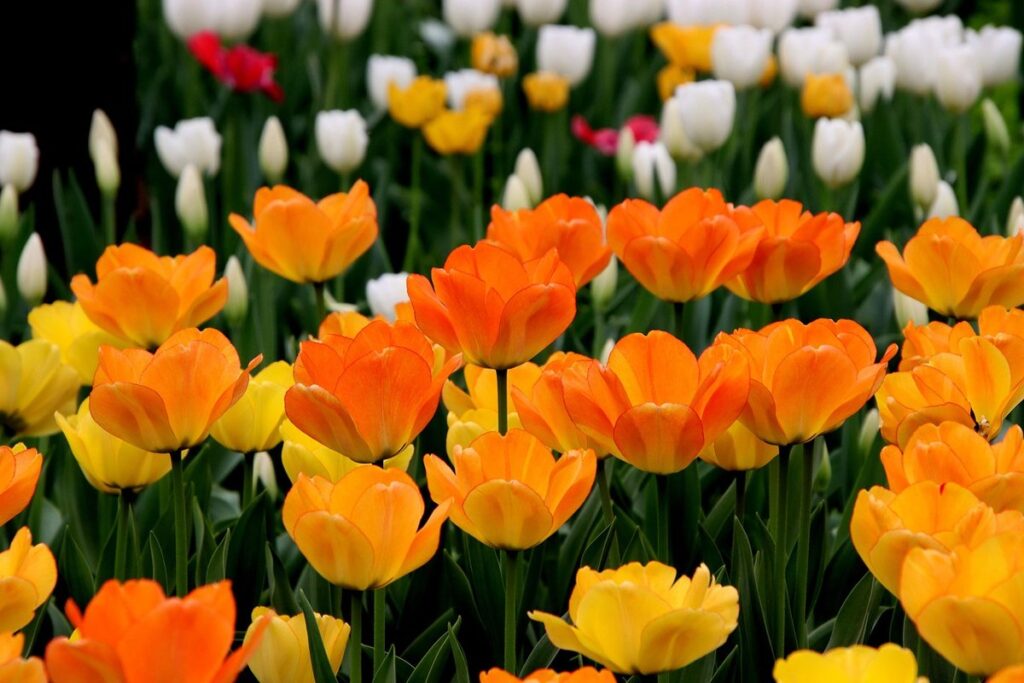
History and Symbolism of Yellow Tulips
Yellow tulips have a rich history, and their symbolism is often tied to values like optimism, hope, and happiness. Let’s explore the fascinating stories behind these vibrant blooms together!
Origins of the Brightest Spring Bloom
Yellow tulips have been a symbol of hope and happiness for centuries, but where did this beauty originate? To understand the significance of yellow tulips, it’s essential to delve into their history. The cultivation of tulips dates back to Central Asia and Turkey, where they were first cultivated as early as 1000 AD.
From there, tulips made their way to Europe in the 16th century through trade routes along the Silk Road. The initial introduction of tulips to Europe was met with great excitement, particularly among the aristocracy. The rare and exotic flowers quickly became a status symbol, with people willing to pay exorbitant prices for even a single bulb.
In fact, the rarity and beauty of tulips led to a period known as “Tulip Mania,” where the price of bulbs skyrocketed. A single bulb could cost as much as 10 times the annual income of a skilled craftsman! The popularity of yellow tulips in particular was driven by their bright, sunny color, which was seen as a symbol of hope and renewal during a time when disease and poverty were rampant.
By understanding where these beautiful flowers originated, we can appreciate their significance even more.
Symbolic Meanings and Cultural Significance
Yellow tulips have been imbued with a rich tapestry of symbolic meanings across various cultures. In Western societies, they are often seen as a harbinger of love and happiness, making them a popular choice for Valentine’s Day bouquets. However, this association may not be universal. In the Netherlands, yellow tulips are actually associated with regret or apology due to the country’s long history of trading in rare flowers.
In fact, during the 17th century, Dutch traders would often send single yellow tulip bulbs as a symbol of regret or apology. This unique tradition was even used as a form of currency at one point! In contrast, in some Eastern cultures, yellow tulips represent hope and optimism for the future.
When choosing yellow tulips for symbolic purposes, consider the context and meaning you wish to convey. If you’re looking to express love and happiness, Western-style arrangements with bright yellow blooms are perfect. However, if you want to show regret or apology, a single stem of a rare yellow variety might be more fitting.
Types of Yellow Tulip Varieties
Yellow tulips come in a stunning array of varieties, each with its own unique characteristics and charm. Let’s take a closer look at some of the most popular types you can grow in your garden.
Classification Based on Petal Color and Shape
When it comes to classifying yellow tulip varieties, one of the most notable distinctions lies in their petal color. While a casual glance might suggest that all yellows are created equal, there’s actually a subtle yet significant range of hues at play here. At one end of the spectrum, you’ll find pale yellow varieties like ‘Flaming Spring Green’ and ‘Ballerina’, which offer a soft, delicate appearance perfect for adding a touch of subtlety to your garden or arrangement.
Moving up the brightness scale, we have the classic bright yellows like ‘Sunny Pride’ and ‘Canary Bird’. These varieties bring a pop of vibrant energy to any setting, making them ideal for statement arrangements or as a bold accent in mixed bouquets. And then there are the almost orange hues – think ‘Apricot Beauty’ or ‘Tiger Eye’ – which add a unique twist to the classic yellow tulip palette.
In terms of petal shape and size, you’ll find everything from the slender, cup-shaped blooms of species like Tulipa sylvestris to the larger, more showy varieties that dominate the commercial market.
Popular Yellow Tulip Varieties for Gardening
When it comes to growing yellow tulip varieties in your garden, you’ll want to choose ones that thrive in your specific climate and conditions. Some popular choices for gardeners include ‘Sunny Eyed’, a vibrant yellow tulip with bright golden petals and strong stems that can grow up to 24 inches tall. This variety is known for its hardiness and ability to bloom in late spring, making it an excellent choice for cut flower arrangements.
Another popular option is ‘Golden Parade’, which boasts large, cup-shaped blooms that are a stunning shade of yellow. These tulips have a growth habit that’s slightly more compact than some other varieties, growing up to 18 inches tall, and they bloom in mid-spring. They’re also relatively low-maintenance and can thrive in well-drained soil with full sun.
If you live in areas with cooler climates, consider planting ‘Luminus’, which has large, bright yellow blooms that can grow up to 20 inches tall. This variety is known for its ability to bloom in early spring and can handle a range of soil types, making it an excellent choice for gardeners who want a versatile tulip option.
Care and Maintenance of Yellow Tulips
To keep your beautiful yellow tulips thriving, it’s essential to understand how to provide them with proper care and maintenance during each growth stage. We’ll walk you through the specifics of their needs.
Soil Preparation and Sunlight Requirements
When it comes to growing beautiful yellow tulips, proper soil preparation is essential. Before planting, ensure that your soil has a pH between 6.0 and 7.0, which is slightly acidic to neutral. Yellow tulips prefer well-draining soil, so if you have heavy clay or sandy soil, mix in some organic matter like compost or peat moss to improve its structure.
To give your yellow tulips the nutrients they need, add a balanced fertilizer (10-10-10) according to the manufacturer’s instructions. You can also side-dress with a high-phosphorus fertilizer (15-30-15) to promote blooming. In terms of sunlight requirements, yellow tulips love full sun to partial shade, but for optimal growth and flowering, choose a spot that receives at least 6 hours of direct sunlight per day.
Consider planting your yellow tulips in containers if you have limited space or poor soil quality. Use a large container with good drainage, fill it with well-draining potting mix, and add the necessary fertilizer. Place the container in an area that receives plenty of sunlight, but be mindful of wind exposure, which can damage the delicate blooms.
Watering and Fertilization Tips
Yellow tulips are renowned for their vibrant blooms, which can be a stunning addition to any garden. To ensure these flowers thrive throughout their growth cycle, it’s essential to provide them with the right amount of water and nutrients. Watering is one crucial aspect of care that many people get wrong. Overwatering, in particular, is a common mistake as it leads to weak, leggy stems and fewer blooms.
The ideal watering schedule for yellow tulips involves soaking the soil deeply once or twice a week during hot weather. However, avoid getting water on the foliage to prevent fungal diseases.
In terms of fertilization, yellow tulips benefit from high-potassium fertilizer in early spring after blooming has finished. This will help replenish nutrients and prepare the bulb for next year’s bloom cycle. A balanced, slow-release fertilizer applied once a month is also beneficial.
To maximize blooms, consider using compost tea as a natural, nutrient-rich alternative to synthetic fertilizers.
Using Yellow Tulips in Interior Design
When working with yellow tulips in interior design, consider how their vibrant color can add a pop of energy to a room, and learn about incorporating them into your space effectively.
Arranging with Other Spring Blooms
When it comes to arranging yellow tulips with other spring blooms, the possibilities are endless. To create a stunning arrangement, consider pairing yellow tulips with flowers that complement their vibrant hue and delicate shape.
For instance, combine them with soft pink or peach-colored roses for a romantic and whimsical look. Alternatively, pair them with bold and bright daffodils or hyacinths for a cheerful and sunny vibe. When it comes to balancing styles, remember that yellow tulips have a strong presence, so balance their boldness with more delicate flowers.
In terms of color theory, the 60-30-10 rule is a great guide: 60% of the arrangement can be a dominant color (like yellow tulips), while 30% can be a secondary color (such as pink roses), and 10% can be an accent color (like greenery or a pop of bright blue). Experiment with different proportions to find what works best for you. With a little creativity, your yellow tulip arrangement will become the star of any room.
Long-Lasting Centerpieces and Bouquets
When working with fresh yellow tulips for centerpieces and bouquets, their lifespan can be limited. However, by utilizing dried or preserved petals, you can enjoy their beauty for a longer period. One creative way to incorporate dried yellow tulip petals is through DIY projects.
To create stunning centerpieces and bouquets using dried tulip petals, consider the following steps: First, dry the petals thoroughly either air-drying or using a food dehydrator on low heat settings. Once completely dry, you can use them as is in your arrangements. Alternatively, you can paint or dye the petals to match your desired color scheme for added visual appeal.
If you prefer professional preparation techniques, consider consulting with a florist who specializes in preserved flower arrangements. They will be able to advise on the best methods for preserving and arranging dried yellow tulip petals. By incorporating these long-lasting elements into your interior design, you can bring a touch of springtime beauty to any room throughout the year.
Yellow Tulips in Art and Literature
Yellow tulips have been a beloved subject in art and literature for centuries, inspiring some of history’s most famous works. Let’s take a closer look at how these vibrant flowers have captured the imagination of artists and writers.
Depictions in Fine Art Throughout History
Yellow tulips have long been a subject of fascination for artists throughout history. In Renaissance still-life paintings, yellow tulips were often depicted as exotic and luxurious additions to otherwise humble table settings. The 17th-century Dutch master Willem Kalf frequently featured yellow tulips in his works, emphasizing their vibrant color and delicate shape.
The Impressionist movement brought a new level of emphasis on capturing light and color, and yellow tulips were no exception. Artists like Claude Monet and Pierre-Auguste Renoir used bold brushstrokes and vivid hues to convey the fleeting beauty of these flowers. In particular, Monet’s “The Japanese Footbridge” (1899) features a bouquet of yellow tulips against a backdrop of soft, feathery foliage.
These depictions not only showcased the artist’s skill with color but also highlighted the emotional resonance of yellow tulips in art. By choosing to feature these flowers, artists were able to evoke feelings of joy, optimism, and springtime renewal. Whether used as a symbol of love or a celebration of nature’s beauty, yellow tulips have proven themselves to be a timeless and versatile subject for artistic interpretation.
Literary References to the Color Yellow
In literature and poetry, yellow tulips have been used as powerful symbols of happiness, hope, and new beginnings. In Victor Hugo’s classic novel “Les Misérables,” the character Éponine uses a bouquet of yellow flowers to express her love for Marius, highlighting the association of the color with joy and devotion.
Similarly, in Sylvia Plath’s poem “Tulips,” the speaker describes the bright yellow tulip as a beacon of hope and renewal. The poem explores the symbolism of the flower as a representation of life, death, and rebirth. These examples illustrate how writers have used the image of a yellow tulip to convey complex emotions and ideas.
In addition to literature, advertisements and marketing campaigns often use the image of a yellow tulip to evoke feelings of happiness and optimism. For instance, in the Netherlands, tulips are often depicted in advertising as a symbol of springtime renewal and new beginnings. By incorporating this powerful symbolism into your own writing or creative projects, you can tap into the emotional resonance of the color yellow and its association with hope and joy.
Conclusion: The Enduring Appeal of Yellow Tulips
As we come to a close, let’s reflect on what makes yellow tulips remain so timeless and captivating in our lives, even after years of fascination. Their enduring appeal is more than just a fleeting trend.
Reflecting on Symbolism and Aesthetic Value
As we conclude our exploration of yellow tulips’ enduring appeal, it’s clear that their beauty and significance extend far beyond their vibrant hue. From the symbolic meanings we’ve discussed to their aesthetic value in interior design and arrangement, these flowers have captured hearts for centuries.
The emotional resonance of yellow tulips is undeniable, as they evoke feelings of happiness, hope, and optimism. Whether gifted to a loved one or simply enjoyed on their own, they have the power to brighten even the darkest spaces. We’ve seen how different cultures associate them with various sentiments – from love and passion in Western traditions to mourning in some Eastern cultures. This duality only adds to their allure, allowing us to appreciate their versatility.
As we reflect on the aesthetic value of yellow tulips, it’s evident that they complement a wide range of styles, from modern minimalist arrangements to classic, elegant bouquets. Their unique shape and texture make them an excellent choice for adding depth and visual interest to any design. In terms of interior decoration, incorporating yellow tulips can add warmth and energy to even the most monochromatic spaces.
Looking ahead, it will be exciting to see how advances in horticulture and floral design continue to enhance our appreciation for yellow tulips. New techniques may allow us to create more vibrant colors or unique patterns on their petals. Alternatively, innovative arrangements could showcase these flowers in entirely new contexts, further expanding their symbolic meanings.
Incorporating yellow tulips into your personal or professional life can be as simple as adding a single stem to a vase or creating an elaborate arrangement for a special occasion. Whatever approach you choose, remember that the true value of these flowers lies not just in their physical beauty but also in the emotions and connections they evoke.
Frequently Asked Questions
How can I use yellow tulips in interior design if I’m a beginner?
Use them as a centerpiece or add a few stems to a vase for a pop of color on a side table. You can also pair yellow tulips with other spring blooms like daffodils and hyacinths for a fresh look.
What are some common mistakes people make when caring for yellow tulips?
One common mistake is overwatering, which can lead to root rot. Another mistake is not providing enough sunlight, which can cause the flowers to become leggy.
Can I grow yellow tulips in containers or do they require a garden bed?
Yes, you can grow yellow tulips in containers as long as they have well-draining soil and receive at least 6 hours of direct sunlight per day. Make sure to choose a container that is at least 6-8 inches deep.
How can I preserve yellow tulips for longer than a week?
To extend the life of your yellow tulips, trim the stems every few days to promote water uptake. You can also keep them in a cool room away from direct sunlight and avoid placing them near heat vents or radiators.
Can I use yellow tulips in floral arrangements with other flowers that have strong scents, like roses?
Yes, you can combine yellow tulips with strongly scented flowers like roses, but be aware that the scent may transfer to your hands and clothes. To minimize this effect, choose roses with less intense fragrances or place them in a separate vase.