
Are you looking for a way to add some drama and visual interest to your garden or landscape? Tall ornamental grasses are an excellent choice, offering a multitude of benefits beyond their striking appearance. These stunning plants not only provide a beautiful backdrop for other flowers and foliage but also serve as a vital food source and shelter for local wildlife. In this article, we’ll delve into the world of tall ornamental grasses, exploring their uses, advantages, and how to choose, plant, and maintain them successfully. We’ll cover everything from selecting the right variety for your needs to tips on care and maintenance, so you can enjoy these beautiful plants in all their glory. Whether you’re a seasoned gardener or just starting out, this article will provide you with expert advice to get the most out of tall ornamental grasses.
Benefits of Growing Tall Ornamental Grasses
Growing tall ornamental grasses can bring a multitude of benefits to your garden, from adding visual interest to providing habitat for wildlife. Let’s explore these advantages in more detail.
Attracting Wildlife to Your Garden
Attracting wildlife to your garden is one of the most rewarding benefits of growing tall ornamental grasses. Not only do these majestic plants add a touch of elegance and sophistication to your outdoor space, but they also provide a source of food, shelter, and habitat for various wildlife species.
Birds, in particular, are drawn to tall ornamental grasses, which offer them a perfect perch for singing, nesting, and foraging. Consider planting bird-friendly species like pampas grass, fountain grass, or blue oat grass, which produce plenty of seeds that attract finches, sparrows, and robins.
Butterflies and small mammals also benefit from tall ornamental grasses, which provide a safe haven from harsh weather conditions and predators. Planting native species like little bluestem, Indian grass, or switchgrass can create a wildlife-friendly habitat that attracts pollinators, hummingbirds, and even deer.
To attract more wildlife to your garden, try incorporating native plants, providing sources of water, and reducing pesticide use. By doing so, you’ll not only enhance the beauty of your garden but also contribute to the local ecosystem’s health and biodiversity.
Adding Visual Interest to Landscapes
One of the most significant advantages of growing tall ornamental grasses is their ability to add visual interest to landscapes. With a wide range of colors, textures, and heights available, you can create a unique and dynamic look that complements any existing design. For instance, try pairing a soft blue pampas grass with vibrant coral fountain grass for a striking contrast of warm and cool tones.
When selecting ornamental grasses, consider the color palette and texture you want to achieve in your outdoor space. Some popular options include purple, pink, and yellow varieties that add a pop of color to gardens and parks. You can also experiment with different textures by combining smooth-leaved grasses like Miscanthus sinensis with feathery-leaved ones like Pennisetum setaceum.
To incorporate ornamental grasses into your landscape design, start by evaluating the space’s existing features and selecting grasses that will complement them. Consider factors such as sunlight exposure, soil type, and moisture levels to ensure you choose varieties that will thrive in their new environment. By strategically placing tall ornamental grasses throughout your garden or park, you can create a visually appealing and engaging space that invites exploration and relaxation.
Choosing the Right Tall Ornamental Grass for Your Needs
With so many varieties to choose from, selecting the perfect tall ornamental grass can be overwhelming. Let’s break down the key factors to consider when making your selection.
Understanding the Various Types of Tall Ornamental Grasses
When it comes to tall ornamental grasses, there’s a wide range of options to choose from, each with its own unique characteristics and benefits. Let’s take a closer look at some popular types, including pampas grass, fountain grass, and switchgrass.
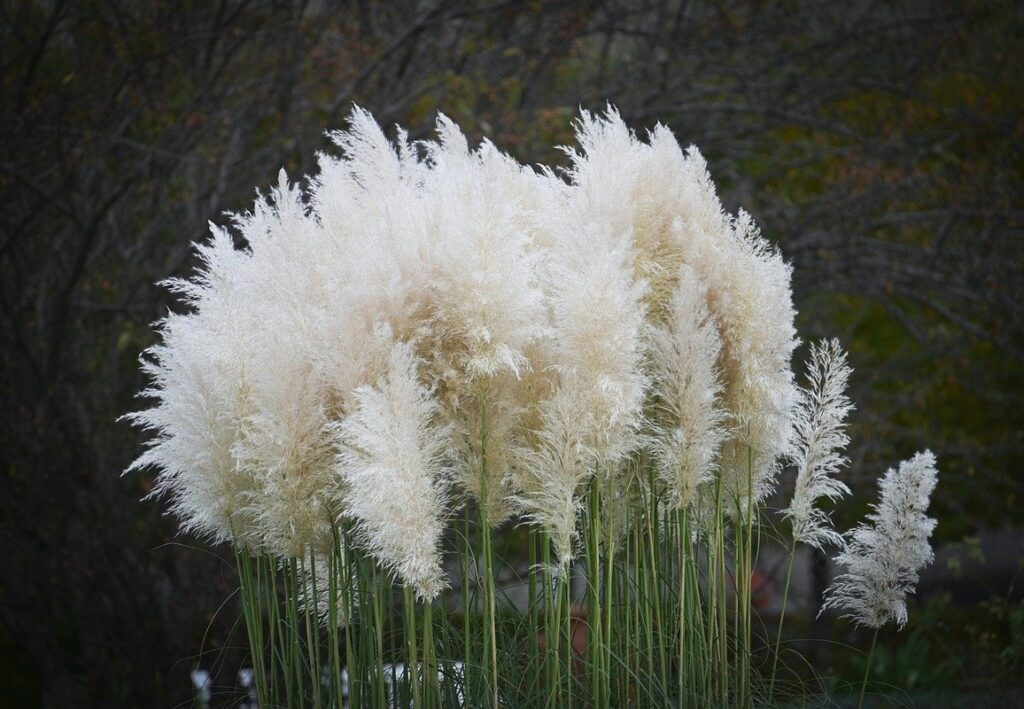
Pampas grass is a show-stopper, known for its large plumes that can reach up to 6 feet tall. It’s often used as a dramatic focal point in landscapes, but be aware that it can spread quickly, so make sure you have enough space for it to grow. Fountain grass, on the other hand, is a more compact option with delicate foliage and pink or purple flowers. It prefers well-drained soil and full sun, making it perfect for warm climates.
Switchgrass is another low-maintenance option that’s native to North America. It’s drought-tolerant and can thrive in poor soil conditions, making it an excellent choice for gardeners who want a hardy ornamental grass. When selecting the right type of tall ornamental grass, consider factors like your climate, available space, and desired level of maintenance.
Considerations for Selecting the Best Grass for Your Climate
When selecting the best tall ornamental grass for your climate, it’s essential to consider three key factors: climate, soil type, and maintenance needs. Climate plays a significant role in determining which types of tall ornamental grasses will thrive in your area. For example, warm-season grasses like Pampas Grass (Cortaderia selloana) excel in hot, dry climates, while cool-season grasses such as Fescue (Festuca glauca) perform better in cooler temperatures.
Soil type is another crucial consideration. Some tall ornamental grasses prefer well-drained soil and full sun, while others can tolerate moist conditions or shade. For instance, the Blue Oat Grass (Helictotrichon sempervirens) prefers dry to medium moisture levels and well-drained soil. On the other hand, the Fountain Grass (Pennisetum setaceum) is more tolerant of wet soils.
Maintenance needs are also vital when choosing a tall ornamental grass. Some species require regular pruning or deadheading, while others can be left alone with minimal care. By taking these factors into account, you can select the perfect tall ornamental grass for your specific environment and enjoy its beauty and benefits all season long.
Planting and Maintenance Tips for Tall Ornamental Grasses
To get the most out of your tall ornamental grasses, learn how to plant them correctly and maintain their beauty throughout the seasons. With these tips, you’ll be on your way to a stunning landscape.
Preparing the Soil Before Planting
When it comes to planting tall ornamental grasses, proper soil preparation is often overlooked, but it’s a crucial step in their success. Before you begin, make sure the soil drains well and has good aeration. Tall ornamental grasses don’t thrive in soggy or waterlogged conditions, which can lead to root rot and other issues.
To prepare your soil, test its pH level and amend it if necessary. Most tall ornamental grasses prefer slightly acidic to neutral soil pH (around 6.0-7.0). Add organic matter like compost or well-rotted manure to improve the soil‘s structure and fertility. This will also help to retain moisture and suppress weeds.
Aim for a mix of topsoil, compost, and perlite or vermiculite that provides excellent drainage and aeration. You can also add a small amount of fertilizer specifically formulated for ornamental grasses to promote healthy growth. By taking the time to prepare your soil properly, you’ll give your tall ornamental grasses the best chance to establish a strong root system and thrive in their new environment.
Watering and Fertilization Requirements
Tall ornamental grasses require careful attention to their watering and fertilization needs to thrive. One of the most common mistakes gardeners make is overwatering these plants, which can lead to root rot and other problems. To avoid this, it’s essential to water tall ornamental grasses only when the top 1-2 inches of soil feels dry to the touch.
Fertilizing your tall ornamental grasses is also crucial for their health and growth. Feed them with a balanced fertilizer in the spring when new growth begins, and again in mid-summer after the first flush of flowers has faded. You can also use a slow-release fertilizer that provides nutrients throughout the growing season.
It’s also important to note that tall ornamental grasses have different watering and fertilization needs depending on their specific variety. Some species, such as pampas grass and fountain grass, prefer well-draining soil and full sun, while others, like miscanthus and switchgrass, can tolerate a range of conditions.
To give your tall ornamental grasses the best chance to thrive, remember to fertilize in the spring and summer, water only when necessary, and choose a fertilizer that’s suitable for your specific variety.
Uses for Tall Ornamental Grasses in Landscaping and Decor
Tall ornamental grasses can add drama, texture, and movement to your outdoor spaces, but did you know they also serve multiple practical purposes? Let’s explore their uses in landscaping and decor.
Creating Privacy Screens and Hedges
Tall ornamental grasses can be incredibly versatile when it comes to creating natural screens and hedges. Not only do they provide a beautiful, lush backdrop for outdoor living spaces, but they also serve as an effective barrier against unwanted views or noise pollution. When selecting tall ornamental grasses for this purpose, consider factors such as mature height, growth rate, and foliage density.
For instance, Pampas Grass (Cortaderia selloana) is a popular choice for natural screens due to its towering heights of up to 10 feet and broad, feathery plumes. On the other hand, Fountain Grass (Pennisetum setaceum) offers a more delicate, yet still effective solution with its slender stems and fine foliage.
To create an effective screen or hedge using tall ornamental grasses, start by planting multiple specimens together to form a solid barrier. Space them about 1-2 feet apart, depending on the mature width of each plant. Regular maintenance, such as pruning and watering, will help ensure they continue to thrive and provide the desired level of privacy.
Adding Texture and Movement to Garden Beds
Tall ornamental grasses offer an incredible opportunity to add depth and visual interest to garden beds and borders. With their varied shapes and sizes, you can create a unique landscape that’s both beautiful and functional.
Consider adding pampas grass to your garden bed for a dramatic effect. Its tall plumes sway gently in the breeze, creating a sense of movement that draws the eye. Alternatively, try using fountain grass with its slender, silver-green foliage and delicate purple flowers. This versatile grass adds texture and interest to any landscape.
When choosing ornamental grasses for added texture and movement, consider combining different types and shapes to create a dynamic effect. For example, pair a statuesque blue oat grass with a smaller, more compact variety like little bluestem. This combination will add visual interest and create a sense of balance in the garden bed.
Remember to plant your ornamental grasses at the right time for optimal growth and health. In most regions, spring or fall is the best time for planting these beauties, as they tend to do best in cooler temperatures. With proper care and maintenance, your tall ornamental grasses will thrive, adding beauty and movement to your garden beds for years to come.
Common Problems and Solutions for Tall Ornamental Grasses
When growing tall ornamental grasses, you’ll inevitably encounter some challenges. This section addresses common issues that may arise and offers practical solutions to help you overcome them successfully.
Pests and Diseases Affecting Tall Ornamental Grasses
Tall ornamental grasses are not only stunning additions to our gardens and landscapes but also susceptible to pests and diseases that can cause significant damage. As a responsible gardener, it’s essential to be aware of the common culprits that might affect these beautiful plants.
One of the most notorious pests affecting tall ornamental grasses is aphids. These tiny insects feed on the plant’s sap, causing curled or distorted leaves and stunted growth. To manage an aphid infestation, inspect your plants regularly and use neem oil or insecticidal soap to control populations. Regularly watering your grasses can also help prevent aphids from spreading.
Powdery mildew is another common disease affecting tall ornamental grasses. This fungal disease appears as a white powdery coating on the leaves and stems, often accompanied by yellowing foliage. To combat powdery mildew, ensure good air circulation around your plants and avoid overhead watering. Applying a fungicide specifically labeled for powdery mildew control can also help alleviate symptoms.
Spider mites are another pest that can harm tall ornamental grasses. These tiny arachnids feed on the plant’s sap, causing yellowing or bronzing of leaves. To manage spider mite infestations, use a combination of neem oil and soap solution to suffocate the mites.
By understanding these common pests and diseases and taking proactive steps to prevent them, you can enjoy your tall ornamental grasses for years to come.
Tips for Preventing and Managing Infestations
Preventing infestations is crucial to maintaining the health and beauty of your tall ornamental grasses. One of the most common issues is deer damage, especially if you live in an area with a high deer population. To prevent this, consider using repellents containing predator urine or soap-based deterrents around the base of your plants.
Another problem you might encounter is spider mites and mealybugs, which thrive in dry conditions. Regular watering can help keep these pests at bay, but it’s essential to avoid overwatering, as this can lead to root rot. Inspect your plants regularly for signs of infestation, such as yellowing leaves or white cottony patches.
To manage infestations effectively, identify the source and treat it promptly. For example, if you notice aphids on a particular plant, use neem oil or insecticidal soap to control the population. Be sure to follow the product’s instructions carefully to avoid harming your plants. Regular pruning can also help prevent pest buildup by removing infested areas before they spread.
Keep in mind that prevention is always better than treatment. By staying vigilant and taking proactive steps, you can enjoy your tall ornamental grasses without worrying about infestations.
Seasonal Care and Pruning of Tall Ornamental Grasses
As you enjoy your tall ornamental grasses, it’s essential to know how to properly care for them throughout each season to keep them looking their best and ensure they continue to thrive. This includes pruning and maintenance techniques specific to their growth cycles.
Winter Care: Protecting the Plant from Extreme Weather Conditions
As winter approaches, it’s essential to provide protection for your tall ornamental grasses against extreme weather conditions. The harsh winds, icy temperatures, and snow can cause significant damage to the plant, leading to discoloration, breakage, or even death.
To safeguard your investment, make sure to mulch around the base of the plants before the first frost. This will help insulate the roots from freezing temperatures and retain moisture in the soil. You can also use a layer of straw or bark chips to protect the crown of the plant.
For added protection, consider wrapping the plant with burlap or a breathable fabric, securing it with twine or wire. This will shield the plant from harsh winds and prevent damage from snow loads. Be sure to remove any winter decorations or support structures that may be weighing down the plant.
By taking these simple precautions, you can ensure your tall ornamental grasses remain healthy and resilient throughout the winter months. With proper care, they’ll bounce back in the spring, ready to display their vibrant colors and majestic textures once again.
Spring and Summer Maintenance: Pruning, Fertilization, and More
As we move into the warmer months, it’s essential to give your tall ornamental grasses some extra TLC. Regular maintenance tasks like pruning, fertilizing, and monitoring for pests can help keep them healthy and thriving throughout their growing season.
Pruning is a crucial step in maintaining the shape and size of your tall ornamental grasses. For clump-forming varieties, it’s best to remove dead or damaged stems in late winter or early spring before new growth begins. For fountain-style grasses, you can prune back the old foliage in late winter or early spring, and then trim off any dead or damaged leaves throughout the growing season.
Fertilization is also vital for promoting healthy growth and color. Use a balanced fertilizer (10-10-10 NPK) in early spring, following the manufacturer’s instructions, to provide your grasses with the necessary nutrients. Monitor your grasses regularly for signs of pests like aphids, spider mites, or scale, which can cause damage if left unchecked. By staying on top of these maintenance tasks, you’ll be rewarded with vibrant, healthy plants that add beauty and texture to your garden all season long.
Conclusion and Final Tips for Growing Tall Ornamental Grasses
Now that you’ve learned the basics of growing tall ornamental grasses, let’s wrap up with some final tips to help your plants thrive.
Recap of Key Takeaways
When growing tall ornamental grasses, it’s essential to remember the numerous benefits they provide for both you and local wildlife. As mentioned earlier, these stunning plants attract a variety of birds, butterflies, and other pollinators with their vibrant flowers and seed heads. This not only adds visual interest to your landscape but also creates a welcoming environment that encourages biodiversity.
To make the most of this benefit, consider planting native species that are more likely to attract local wildlife. For example, Little Bluestem (Schizachyrium scoparium) is a popular choice for its ability to attract birds and butterflies in North America. By incorporating tall ornamental grasses into your garden design, you can create a haven for wildlife while also enjoying their beautiful foliage.
In addition to attracting wildlife, tall ornamental grasses are also low-maintenance options for gardeners. They require minimal watering and pruning, making them perfect for busy gardeners or those new to gardening.
Final Words of Advice for Gardeners
As you’ve learned about the many benefits and varieties of tall ornamental grasses, it’s time to put your newfound knowledge into practice. Remember, these beautiful plants require some TLC to thrive, so don’t be discouraged if things don’t turn out perfectly at first.
When planting, consider the mature size of the grass and leave enough space for growth. Also, take note of the specific growing conditions required by each variety, as some may need more sun or water than others.
Be patient with your tall ornamental grasses – they may look bare in their early stages but will eventually develop a lush, full appearance. Regular maintenance tasks like pruning and deadheading can help keep them looking their best year-round.
If you’re new to growing ornamental grasses, start small and experiment with different varieties until you find the ones that work best for your climate and gardening style. And don’t hesitate to seek advice from more experienced gardeners or consult with local nurseries for guidance on specific care requirements.
Frequently Asked Questions
How can I ensure my tall ornamental grasses survive extreme weather conditions?
Yes, to protect your tall ornamental grasses from extreme weather conditions, make sure to plant them in well-draining soil and provide sufficient space for wind movement. During harsh winters, consider applying a layer of mulch or straw around the base of the plants to insulate the roots and prevent damage.
Can I grow tall ornamental grasses in containers?
Yes, growing tall ornamental grasses in containers is possible, but be aware that they may require more frequent watering due to reduced root depth. Choose a container with good drainage holes and use a well-draining potting mix to ensure healthy growth. Fertilize regularly and prune as needed to maintain shape.
How often should I water my tall ornamental grasses?
Water your tall ornamental grasses when the top 2-3 inches of soil feels dry to the touch, typically every 7-10 days during hot summer months. Avoid overwatering, which can lead to root rot and other issues. Be sure to adjust watering frequency based on climate, soil type, and specific plant requirements.
What are some common pests that affect tall ornamental grasses?
Common pests affecting tall ornamental grasses include spider mites, mealybugs, and caterpillars. Monitor your plants regularly for signs of infestation, such as white powdery patches or actual insects on the foliage. Implement integrated pest management (IPM) strategies, like introducing beneficial insects, using neem oil, or applying insecticidal soap.
Can I divide and replant tall ornamental grasses to propagate new plants?
Yes, many tall ornamental grass species can be divided and replanted in spring or fall when the plant is dormant. Use sharp tools to carefully separate the rhizome, then pot up the sections and water thoroughly. This method allows you to share your favorite varieties with friends or expand your own garden without purchasing new plants.