
Sage plant flowers are a treasure trove of beauty and benefits, waiting to be unlocked in your garden or kitchen. Not only do they add a stunning pop of purple hue to any space, but these medicinal wonders have been prized for centuries for their ability to soothe the mind and body. From savory culinary delights to natural remedies for everything from digestive issues to stress relief, sage flowers are an incredibly versatile addition to your life. But growing and caring for them can seem intimidating if you’re new to gardening or haven’t worked with this specific plant before. That’s why we’ve put together this comprehensive guide: to walk you through the ins and outs of growing, harvesting, and enjoying the many benefits of sage plant flowers.
What Are Sage Plant Flowers?
Let’s take a closer look at what sage plant flowers actually are, and explore their unique characteristics that set them apart from other blooms. These distinctive flowers come in a range of colors and shapes.
Definition and Classification
Sage plant flowers are an essential component of many gardens and indoor spaces due to their unique charm and versatility. To better understand these lovely blooms, let’s start with the basics. Sage plant flowers belong to the Salvia genus, a vast group of plants known for their vibrant colors and distinct shapes.
The Salvia genus is further divided into two main subgroups: annuals and perennials. As mentioned earlier, sage plant flowers fall under the herbaceous perennial category. This classification signifies that they typically live for multiple growing seasons and have non-woody stems. Herbaceous plants are also characterized by their reliance on the underground storage of energy-rich compounds called rhizomes.
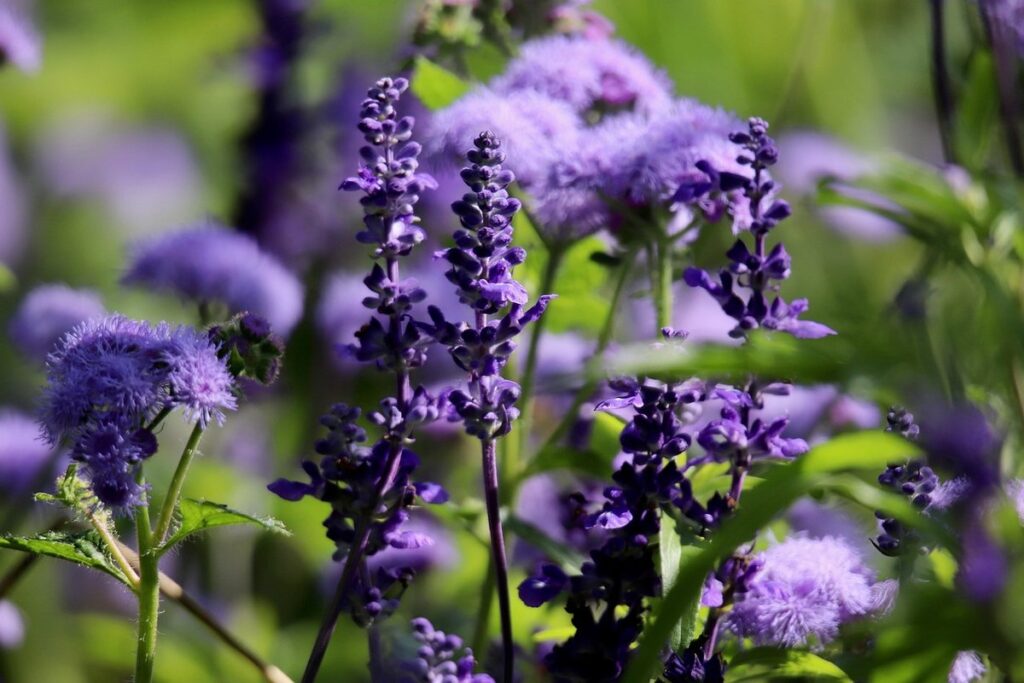
Identifying sage plant flowers can be relatively straightforward due to their distinctive appearance. They often feature blue, purple, or white petals with a long tube-like shape in the center. The colors and shapes may vary depending on the specific species and growing conditions.
Importance in Medicinal and Culinary Uses
Sage plant flowers have been valued for centuries not only for their ornamental beauty but also for their significance in traditional medicinal and culinary practices. In ancient Greece, sage was used to treat a variety of ailments, including indigestion and sore throats. The herb’s antiseptic and anti-inflammatory properties made it an essential component in many traditional remedies.
In cooking, sage is often paired with meats, particularly poultry and pork, to add flavor and aroma. Its piney fragrance complements the natural flavors of roasted vegetables like carrots and Brussels sprouts. Sage is also a popular ingredient in herbal teas, where its calming effects are said to promote relaxation and improve sleep quality.
For those looking to incorporate sage into their cooking or herbal remedies, consider starting with fresh or dried flowers. Simply add a few pinches to your favorite recipe or steep the leaves in boiling water for a soothing tea. When using sage in traditional medicine, be sure to consult with a healthcare professional first, as some applications may interact with medications or exacerbate certain health conditions.
In traditional cooking, sage is often combined with ingredients like garlic and olive oil to create a flavorful marinade for roasted meats.
Stages of Blooming: Understanding Sage Plant Flower Development
As you eagerly await your sage plant’s blooming process, it’s essential to understand the different stages involved, from bud formation to full-fledged flower display. Let’s dive into each stage in detail.
Germination and Seedling Stage
Germinating sage seeds is a critical step towards cultivating beautiful blooms. This process begins when the seeds are exposed to optimal conditions for germination. Typically, this requires temperatures between 65°F to 75°F (18°C to 24°C) and adequate moisture. Place the seeds about ¼ inch deep in a seed starting mix, and keep the soil consistently moist during the first few weeks.
As the seeds begin to sprout, they’ll develop their first set of leaves, known as cotyledons. These leaves are crucial for photosynthesis and provide the necessary energy for further growth. During this stage, it’s essential to maintain a humid microclimate around the seedlings by covering them with clear plastic or cloches.
Monitor the seedlings closely, ensuring they receive sufficient light, usually 12-14 hours of direct sunlight per day. Avoid overwatering, as this can lead to fungal diseases and root rot. Prune the seedlings back by about one-third when they reach around 6 inches in height, which will encourage bushy growth and more robust blooming.
Vegetative Growth and Flower Bud Formation
As sage plants transition from vegetative growth to flower bud formation, several key factors come into play. Light is a crucial element, and most sage varieties require at least 4-6 hours of direct sunlight per day to initiate flowering. However, prolonged exposure to intense light can lead to scorching, so it’s essential to provide some shade, especially during the hottest part of the day.
Temperature also plays a vital role in this process. Most sage plants thrive in temperatures between 65°F and 75°F (18°C and 24°C), which is ideal for flowering. If your plant is exposed to temperatures outside this range, it may not produce buds or flowers.
Nutrient availability is another critical factor. Sage plants need a balanced diet of nutrients, including nitrogen, phosphorus, and potassium, to support flower bud formation. A well-draining potting mix and regular fertilization can help ensure your sage plant receives the necessary nutrients to promote healthy flowering.
Bloom Cycle: From Bud to Pollination
As the sage plant reaches maturity, it embarks on its bloom cycle, which is a fascinating process that showcases the intricate dance of nature. The cycle begins with the bud stage, where tiny flowers start to develop within the bud clusters. As the buds mature, they gradually begin to open, revealing delicate white or purple flowers with a sweet fragrance that attracts pollinators.
Pollination occurs when bees, butterflies, and other beneficial insects transfer pollen from the anther of one flower to the stigma of another, facilitating fertilization. This process is crucial for seed production, as it allows the plant to propagate itself. The act of pollination can be observed in sage plants with a high frequency of visits by pollinators during peak blooming periods.
In order to encourage healthy pollination, make sure your sage plant receives adequate sunlight and water. Deadheading spent flowers may also stimulate the plant to produce more blooms and attract additional pollinators. By understanding the bloom cycle, you can appreciate the intricate processes that occur within the natural world and take steps to support a thriving garden ecosystem.
Choosing the Right Sage Variety for Flowering
When it comes to growing beautiful sage flowers, selecting the right variety is crucial. Let’s dive into the key factors to consider when choosing a flowering sage plant that suits your needs and climate.
Selecting Plants Suitable for Your Climate
When it comes to choosing the right sage variety for flowering, selecting plants that thrive in your specific climate is crucial. Different regions have unique temperature, humidity, and sunlight exposure patterns, which can significantly impact the health and productivity of your sage plant.
First, consider the average temperature in your area. Some sage varieties, like the ‘Purple Sage’ or ‘Tri-Color Sage’, are more tolerant of heat and thrive in warmer climates with temperatures above 65°F (18°C). On the other hand, cooler-climate varieties like ‘Miss Molly’ or ‘Carphone’ prefer temperatures between 40°F to 60°F (4°C to 15°C).
Next, think about the humidity levels in your region. Sage plants generally prefer well-drained soil and can be sensitive to high humidity. If you live in a humid climate, opt for varieties like ‘Purpurea’ or ‘Tricolor’, which are more resistant to moisture.
Finally, don’t forget about sunlight exposure. Some sage varieties require full sun (at least 6 hours of direct sunlight), while others prefer partial shade. Consider the amount of sunlight your garden receives and choose a variety that suits your conditions.
Factors Affecting Plant Performance and Bloom
When it comes to coaxing those stunning blooms out of your sage plant, understanding the factors that affect its performance and flowering is crucial. Soil quality, for instance, plays a significant role in determining the health and vibrancy of your sage plant. If your soil lacks essential nutrients like nitrogen, phosphorus, or potassium, it may impact the plant’s ability to produce flowers.
Watering habits also have a profound effect on the flowering process. Overwatering can lead to root rot and reduce blooming potential, while underwatering can cause stress, stunted growth, and poor flower quality. To strike the right balance, ensure your soil is well-draining and water your sage plant when the top inch of soil feels dry to the touch.
Fertilization practices are also vital in promoting healthy growth and blooms. A balanced fertilizer with a 10-10-10 NPK ratio can provide your sage plant with the necessary nutrients for optimal performance. However, be cautious not to overfertilize, as this can lead to weak stems and reduced flowering potential. Regularly monitor your soil’s pH levels and adjust fertilization accordingly to avoid burning your plants’ roots.
Growing Sage Plants for Optimal Flower Production
To coax out an abundance of gorgeous blooms, it’s essential to understand how to grow sage plants specifically for optimal flower production. Let’s dive into the specifics.
Soil Preparation and pH Balance
When it comes to growing sage plants for optimal flower production, soil preparation and pH balance are crucial factors that often go unnoticed. However, providing your sage plant with a suitable environment is essential for healthy growth and blooming.
To achieve the perfect conditions, start by testing the pH level of your soil. Most gardeners find that their garden’s natural pH tends to lean towards acidity, ranging from 6.0 to 7.0. Sage plants, on the other hand, prefer a slightly alkaline environment with a pH between 7.5 and 9.5. If your test reveals acidic soil, add lime to increase the pH level.
Soil preparation is also vital for sage growth. Ensure the soil drains well and has good structure by mixing in organic matter like compost or well-rotted manure. This will improve nutrient availability and help prevent waterlogged conditions that can lead to root rot.
In addition to these measures, make sure your sage plant receives adequate sunlight (at least 6 hours a day) and sufficient moisture but avoid overwatering. By striking the right balance between soil preparation and pH control, you’ll be well on your way to enjoying a profusion of beautiful sage flowers.
Watering and Fertilization Strategies
When it comes to growing sage plants for optimal flower production, proper watering and fertilization strategies play a crucial role. Watering is often overlooked, but it’s essential to strike the right balance between too little and too much moisture. Overwatering can lead to root rot and poor growth, while underwatering can cause the leaves to turn yellow and drop.
Aim for about 1-2 inches of water per week, either from rainfall or irrigation. Check the soil by inserting your finger into it up to the knuckle; if the soil feels dry, it’s time to water. Avoid getting water on the leaves to prevent fungal diseases, instead, focus on watering at the base of the plant.
Fertilization is also vital for robust growth and abundant flower production. Feed your sage plants with a balanced fertilizer (10-10-10) during the growing season (spring-fall). You can also use compost tea or fish emulsion as a natural alternative. Aiming to fertilize once a month will provide your plants with the necessary nutrients without burning them out. Remember, it’s always better to err on the side of caution and start with less fertilizer, gradually increasing the amount if needed. This approach will help you avoid over-fertilizing and promote healthy, thriving sage plants that produce an abundance of beautiful flowers.
Pests, Diseases, and Common Problems Affecting Sage Flowers
As you tend to your sage flowers, it’s essential to be aware of common issues that can affect their beauty and longevity. Here, we’ll discuss pests, diseases, and other problems that may arise.
Identifying and Managing Common Pests
When it comes to enjoying the beauty of sage plant flowers, one of the biggest challenges many gardeners face is dealing with pests that target these lovely blooms. Some common pests that attack sage plants include aphids, whiteflies, and spider mites.
Aphids are small, soft-bodied insects that feed on the sap of sage leaves, causing curled or distorted growth. They can be controlled using neem oil, insecticidal soap, or horticultural oil. To prevent infestations, make sure to inspect your plants regularly for any signs of aphid activity.
Whiteflies are tiny, winged insects that feed on plant sap, leaving behind a sticky residue known as honeydew. They can be managed using yellow traps, sticky tapes, or insecticidal soap. Regularly inspecting your plants and washing them with water can also help prevent whitefly infestations.
Spider mites are tiny, spider-like pests that feed on plant sap, causing yellowing or bronzing of leaves. They can be controlled using neem oil or insecticidal soap. To prevent infestations, ensure good air circulation around your sage plants and avoid overwatering, which can encourage mite populations.
By being aware of these common pests and taking proactive steps to manage them, you can enjoy the beauty of your sage plant flowers without compromising their health. Regularly inspecting your plants and using integrated pest management techniques will help minimize damage and ensure a healthy, thriving crop.
Recognizing and Addressing Fungal Diseases
Fungal diseases are a common problem affecting sage plants, and it’s essential to recognize their symptoms to provide timely treatment. Some of the most prevalent fungal diseases include root rot, leaf spot, and powdery mildew. Root rot typically appears as yellowing or droopy leaves, while leaf spot causes small, circular lesions on the foliage. Powdery mildew manifests as a white, powdery coating on the upper surface of leaves.
To prevent fungal diseases, maintain good air circulation around your sage plants and ensure they receive adequate sunlight. Water them in the morning, allowing the soil to dry slightly between waterings. Avoid getting water on the leaves or crown, as this can create an ideal environment for fungal growth. Regularly inspect your plants for signs of disease and treat any infections promptly with fungicides. For example, apply a neem oil solution (2 tablespoons of neem oil per gallon of water) to affected areas once a week until symptoms subside.
In severe cases, prune infected areas to prevent the spread of disease. Keep in mind that fungal diseases can be difficult to eradicate once established, so prompt action is crucial. By following these guidelines and taking preventive measures, you can minimize the risk of fungal diseases affecting your sage plants.
Harvesting and Preserving Sage Plant Flowers
Now that you’ve harvested your beautiful sage flowers, it’s time to preserve them for use throughout the year in your cooking and crafts. Learn how to dry, freeze, and store your sage blooms perfectly.
Timing and Techniques for Flower Harvesting
When it comes to harvesting sage flowers, timing is crucial to ensure you get the best blooms and optimal fragrance. In general, sage flowers are ready for harvest around mid-summer, typically between June and August, depending on your location and weather conditions.
To determine if your sage flowers are ready, gently touch the petals – they should be soft and slightly fragile to the touch. Avoid harvesting during periods of extreme heat or drought, as this can cause the flowers to wilt quickly. Instead, plan your harvest for early morning when the dew is still present on the leaves and flowers.
Use a pair of clean scissors or pruning shears to snip off individual stems, leaving about an inch of stem attached to the plant. This will help prevent damage to the plant and encourage new growth. Handle the delicate flowers carefully to avoid bruising or damaging them – gently place them in a container filled with water to keep them fresh until you’re ready to use or preserve them.
Drying, Freezing, and Storing Flowers
When you’ve harvested your beautiful sage flowers, it’s essential to preserve them properly so they remain vibrant and intact for as long as possible. There are several methods to dry, freeze, and store flowers effectively. Let’s start with drying.
Drying is one of the most popular methods for preserving flowers because it helps remove excess moisture that can lead to mold or decay. To dry your sage flowers, you can use a few different techniques: air-drying, silica gel desiccants, or a dehydrator. For air-drying, simply tie them in small bunches and hang upside down in a warm, dry place with good airflow. This method can take anywhere from 1-2 weeks.
When using silica gel desiccants, follow the package instructions for rehydrating them before placing your flowers inside an airtight container to absorb moisture. For those with more equipment at hand, a dehydrator is perfect for drying delicate herbs and flowers evenly and efficiently.
In terms of freezing, it’s best to freeze sage flowers in a single layer on a baking sheet or tray. Once they’re frozen solid, transfer them to an airtight container or freezer bag and store in the freezer for up to 6 months. Freezing helps preserve their color, shape, and scent better than drying.
When storing preserved flowers, choose a cool, dry place away from direct sunlight and moisture sources. To keep your dried flowers fresh, consider using an airtight glass container with a tight-fitting lid or a specialized storage box specifically designed for preserving herbs and flowers.
It’s also essential to remember that when frozen sage flowers thaw, they’ll become slightly limp and lose some of their structure. However, this doesn’t affect their fragrance, flavor, or the quality for using them in cooking and crafts.
Frequently Asked Questions
Can I Grow Sage Plant Flowers Indoors Without Direct Sunlight?
You can grow sage plant flowers indoors, but they’ll require a lot of supplemental lighting to thrive. Aim for at least 4-6 hours of direct or indirect sunlight per day. Consider using LED grow lights to provide the necessary spectrum and intensity.
What Happens if I Don’t Prune My Sage Plant Regularly?
If you don’t prune your sage plant regularly, it can become leggy and produce fewer flowers. Pruning also helps promote bushy growth and encourages new flower buds to form. Aim to prune your sage plant every 1-2 weeks during the growing season.
How Long Do Sage Flowers Typically Bloom, and What Triggers Their Cycle?
Sage flowers typically bloom for about 6-8 weeks in the summer months. The blooming cycle is triggered by a combination of factors, including temperature, daylight hours, and soil moisture. As the plant finishes its main blooming period, it may produce new flower buds that can continue to bloom throughout the season.
Can I Use Regular Potting Soil for My Sage Plant, or Do I Need Something Special?
Regular potting soil can work for sage plants, but a well-draining mix specifically designed for herbs will provide better results. Look for a mix with a slightly acidic pH (around 6.0-7.0) to promote healthy growth and flowering.
How Often Should I Water My Sage Plant, Especially During Hot Weather?
Water your sage plant when the top inch of soil feels dry to the touch. In hot weather, you may need to water every 2-3 days to keep the soil consistently moist but not waterlogged. Be careful not to overwater, as this can lead to root rot and other problems.