
Purple roses have long been a symbol of luxury, grandeur, and creativity. For centuries, these majestic flowers have captivated artists, poets, and romantics alike with their unique beauty and rich history. But beyond their stunning appearance, purple roses also hold significant meaning in various cultures and traditions. From ancient Greece to modern-day weddings, these regal blooms have been a coveted choice for expressing love, admiration, and appreciation. In this article, we’ll delve into the world of purple roses, exploring their fascinating symbolism, varieties, uses in perfumes and health remedies, and expert tips on how to grow them. Whether you’re a seasoned florist or simply a rose enthusiast, join us as we uncover the many wonders of these extraordinary flowers.
History and Symbolism of Purple Roses
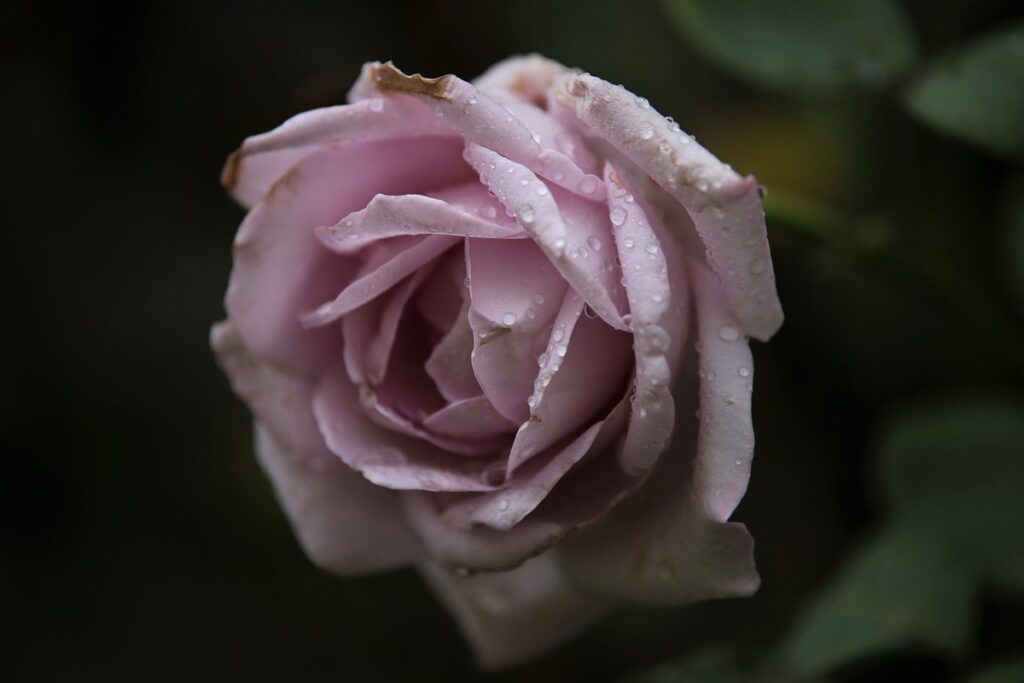
Purple roses have been imbued with rich symbolism across cultures, from ancient Greeks to modern-day romantics. Let’s delve into the fascinating history behind their meaning.
Origins and Evolution of Purple Rose Varieties
Purple roses have been a coveted flower for centuries, with their rich, regal hue captivating gardeners and rose enthusiasts alike. The origins of purple roses date back to the 18th century when breeders first attempted to create these elusive blooms. At that time, it was believed that pure red roses couldn’t be transformed into purples due to the chemical makeup of the pigment responsible for their color.
However, with advancements in horticulture and plant breeding, the first successful purple rose varieties emerged in the 1800s. These early hybrids were often unstable, prone to fading or reverting back to their original red color. It wasn’t until the 20th century that breeders developed more reliable methods for creating consistent, long-lasting purple roses.
Today, we have a vast array of purple rose varieties, each with its unique characteristics and charm. Whether it’s the deep plum tones of ‘Marquesa’ or the vibrant magentas of ‘The Prince’, there’s a purple rose to suit every taste. By selecting the right variety for your garden, you can add a touch of elegance and sophistication to any arrangement.
Cultural and Emotional Significance of Purple Roses
Purple roses have long been imbued with rich cultural and emotional significance, transcending their breathtaking beauty. In many Eastern cultures, purple is considered a sacred color, associated with nobility, grandeur, and spirituality. As such, these majestic flowers are often used to convey deep respect, admiration, or even reverence.
In wedding ceremonies, purple roses have become increasingly popular as a symbol of luxury, extravagance, and opulence. They’re often paired with white roses to represent the union of two families from different backgrounds, embracing their differences while celebrating their love for each other. Similarly, at funerals, purple roses can be used to express condolences, respect, or even awe for someone’s remarkable life.
But perhaps most notably, purple roses are a timeless symbol of love and passion. They convey deep, all-consuming emotions that defy logic or reason. If you’re looking to gift someone a bouquet of purple roses, remember the language they speak is one of grand gestures, sweeping declarations, and unbridled romance. Take note: giving purple roses as a token of your affection will undoubtedly make an unforgettable statement!
Growing and Caring for Purple Roses
To bring out the full beauty of your purple roses, it’s essential to know how to properly care for them, from pruning to watering. This includes understanding their specific needs during different growth stages.
Choosing the Right Soil and Climate
When it comes to growing stunning purple roses, understanding the specific conditions required can make all the difference. To give these beautiful blooms their best chance at thriving, you’ll want to focus on choosing a soil type that’s rich in nutrients and has good drainage.
A well-draining, slightly acidic soil with a pH between 6.0 and 6.5 is ideal for purple roses. This allows them to absorb essential nutrients while preventing waterlogged soil that can lead to root rot. If your soil tends towards the alkaline side, consider amending it with compost or peat moss to adjust the pH.
In terms of sunlight, purple roses typically require at least six hours of direct sunlight per day. However, some varieties may tolerate partial shade. Be sure to research specific sunlight requirements for your chosen variety. Temperature-wise, most purple rose varieties prefer daytime temperatures between 65°F and 75°F (18°C and 24°C) and cooler nighttime temperatures around 55°F (13°C).
When transplanting your new purple roses, be gentle with the roots and handle them as little as possible to avoid damage. With proper care and conditions, these gorgeous flowers are sure to bloom beautifully in your garden.
Watering and Fertilization Techniques
When it comes to caring for purple rose bushes, proper watering and fertilization techniques are crucial for their health and blooming potential. To avoid overwatering, which can lead to root rot, water your purple roses when the top 1-2 inches of soil feels dry to the touch. Aim to water them deeply once or twice a week during hot summer months and less frequently in cooler weather.
Choose a balanced fertilizer with an N-P-K ratio of 10-10-10 for optimal growth. Feed your purple roses once a month during the growing season (spring-fall) and reduce fertilization during winter months when they’re dormant. Organic options like compost tea or fish emulsion can also provide essential nutrients without harming the environment.
Regular pruning can help promote healthy new growth, so remove any dead or diseased branches as soon as possible. This will encourage your purple rose bushes to focus their energy on producing stunning blooms rather than struggling with disease or pests.
Types of Purple Roses
Purple roses come in a stunning array of hues, from rich lavender to deep plum and even vibrant magenta. Let’s explore some of the most beautiful types together.
Hybrid Tea and Floribunda Varieties
Hybrid tea roses are known for their large, single blooms and upright growth habit, making them a stunning addition to any garden. When it comes to purple varieties, these flowers typically range from 4-6 inches in diameter and have a moderate to strong fragrance. Their blooms often feature delicate, petal-like edges and a vibrant, rich purple hue that’s sure to catch the eye.
Floribunda roses, on the other hand, offer clusters of smaller blooms, usually around 2-3 inches in diameter, which bloom in profusion throughout the season. These compact plants have a more vigorous growth habit than hybrid teas and tend to require regular pruning to maintain their shape.
One advantage of both types is their relatively low maintenance requirements compared to some other rose varieties. With proper care, they can thrive in a variety of conditions and produce an abundance of blooms for years to come. Consider incorporating these purple hybrids into your garden design if you’re looking to add some vibrant color and texture – just be sure to plant them in well-draining soil with full sun to partial shade.
Grandiflora and Climbing Rose Varieties
When it comes to grandiflora and climbing purple rose varieties, you’ll find that they offer unique features that can elevate your garden design. Grandiflora roses are known for their large, showy blooms, often measuring 4-6 inches in diameter. These stunning flowers typically repeat bloom throughout the growing season, providing a prolonged display of vibrant purple hues.
In terms of usage, grandiflora roses excel as specimen plants or focal points in garden beds. Their impressive blooms can also be used to create beautiful cut flower arrangements, making them a favorite among florists and enthusiasts alike. Climbing rose varieties, on the other hand, are perfect for adding a touch of elegance to trellises, arbors, or pergolas.
When selecting grandiflora or climbing purple roses, consider the mature size of the plant and ensure there is sufficient space for it to grow. This will prevent overcrowding and allow the rose to showcase its full beauty. With proper care and maintenance, these varieties can thrive in a variety of climates and soil types, making them an excellent choice for gardeners seeking to add a dramatic pop of purple color to their outdoor spaces.
Uses for Purple Roses
Purple roses are more than just a stunning addition to any bouquet, as they can also be used to create a variety of beautiful arrangements and decorations. We’ll explore some unique ways to use purple roses in your home decor.
Wedding and Event Decorations
Purple roses have become an integral part of wedding decorations due to their opulent appearance and symbolic meaning. They are often used as a statement piece in centerpieces, adding an air of sophistication and elegance to the table setting. When paired with other flowers or greenery, purple roses create a stunning visual impact that sets the tone for a luxurious celebration.
In bouquets, purple roses take center stage, making them a popular choice among brides-to-be. Their rich color adds depth and dimension, creating a dramatic effect that’s sure to impress. To incorporate purple roses into your wedding decorations, consider using them as part of a focal arrangement or as a statement piece on the altar.
When choosing purple roses for your wedding, remember that their meaning is closely tied to royalty and luxury. This makes them an ideal choice for weddings that exude glamour and sophistication.
Perfumes and Fragrances
Purple rose essential oil is a highly sought-after ingredient in perfumes and fragrances due to its unique and alluring scent. When used in perfumery, this oil brings an exotic and mysterious note that adds depth and complexity to the fragrance. The benefits of using purple rose essential oil in perfumes include its ability to evoke emotions and create a sense of luxury.
In terms of applications, purple rose essential oil can be used to create unique and distinctive fragrances for specific occasions or moods. For example, it can be blended with other oils to create a romantic scent for weddings or anniversaries, or to evoke a sense of calm and relaxation in aromatherapy blends. To use purple rose essential oil in perfumes, dilute the oil with a carrier oil such as jojoba or sweet almond oil, and then blend it with other fragrance ingredients to achieve the desired effect.
Some popular ways to incorporate purple rose essential oil into perfumes include layering it under a base note of vanilla or sandalwood for a rich and seductive scent, or combining it with citrus oils like lemon or grapefruit for a brighter and more uplifting fragrance. Experiment with different blends to find your perfect signature scent.
Health Benefits and Properties
Purple roses have been prized for centuries not only for their stunning beauty, but also for their numerous health benefits and unique properties that make them a popular choice in alternative healing. Let’s explore these benefits together.
Antioxidant and Anti-Inflammatory Properties
Purple roses are not only breathtakingly beautiful but also hold significant health benefits. Research has shown that these stunning flowers possess antioxidant and anti-inflammatory properties, making them a valuable addition to our lives. Antioxidants are compounds that neutralize free radicals in the body, which can cause oxidative stress and damage cells. Purple roses contain high levels of anthocyanins, powerful antioxidants responsible for their distinctive color.
Studies have demonstrated that these anthocyanins exhibit potent anti-inflammatory properties, reducing inflammation and improving cardiovascular health. Inflammation is a major contributor to various diseases, including arthritis, diabetes, and even cancer. By incorporating purple rose extracts into our diets or using them as natural remedies, we can harness their healing powers. To tap into these benefits, consider adding dried purple rose petals to your tea or smoothies, or use rose-infused oils for topical application.
Incorporating purple roses into our lives is a simple yet effective way to promote overall well-being. By embracing the beauty and significance of these flowers, we can unlock their hidden potential and reap the rewards of improved health and vitality.
Potential Uses in Skincare and Cosmetics
Purple rose extracts have long been sought after for their extraordinary beauty benefits, and it’s no surprise that they’re gaining traction in the skincare and cosmetics world. The moisturizing properties of these majestic flowers make them an ideal ingredient for hydrating products. Imagine a rich face cream or body lotion infused with the soothing essence of purple roses – it’s like giving your skin a gentle hug from Mother Nature.
In addition to their moisturizing abilities, purple rose extracts also possess potent anti-aging properties. The antioxidants present in these flowers help combat free radicals that cause fine lines and wrinkles, leaving your skin looking smoother and more radiant. To incorporate this magic into your skincare routine, try mixing a few drops of purple rose essential oil with your usual serum or moisturizer for an extra boost.
Some cosmetics companies are already leveraging the beauty potential of purple roses by creating products like rose-infused face masks, eye creams, and even lip balms. Who wouldn’t want to indulge in the regal charm of these enchanting flowers?
Frequently Asked Questions
Can I grow purple roses in a small backyard or container garden?
Yes, you can grow purple roses in a small space with proper care and attention to their needs. Make sure to choose compact or dwarf varieties that are specifically bred for container gardens or small spaces.
How do I prevent pests and diseases from affecting my purple rose plants?
To prevent pests and diseases, regularly inspect your plants for signs of infestation or infection. Use organic pest control methods whenever possible and maintain good air circulation around the plants to prevent moisture buildup.
Can I use fresh or dried purple roses in skincare products?
Yes, both fresh and dried purple roses can be used in skincare products due to their antioxidant and anti-inflammatory properties. However, it’s essential to ensure proper preservation and handling of the flowers to avoid spoilage and contamination.
How do I propagate new purple rose plants from cuttings?
To propagate new purple rose plants from cuttings, take 4-6 inch stem sections with at least two sets of leaves. Remove lower leaves, dip the cut end in rooting hormone powder or liquid, and plant them in a well-draining potting mix. Keep the soil consistently moist but not waterlogged.
Can I use artificial purple roses as an alternative for wedding decorations?
While artificial purple roses can be a cost-effective option, they may lack the elegance and charm of fresh flowers. Consider using silk or high-quality synthetic rose petals instead for a more authentic look and feel.