
Peppers add a burst of flavor and color to any dish, but did you know that there are countless varieties to explore? From sweet bell peppers to fiery hot peppers, each type offers its own unique taste, texture, and nutritional benefits. Whether you’re a seasoned chef or a culinary newbie, learning about the different types of peppers can take your cooking to the next level. In this comprehensive guide, we’ll delve into the world of peppers, covering sweet and hot varieties, tips for cultivating your own pepper plants, and expert advice on how to cook with these versatile ingredients. Get ready to discover new flavors, textures, and health benefits that will revolutionize your kitchen and spice up your meals!
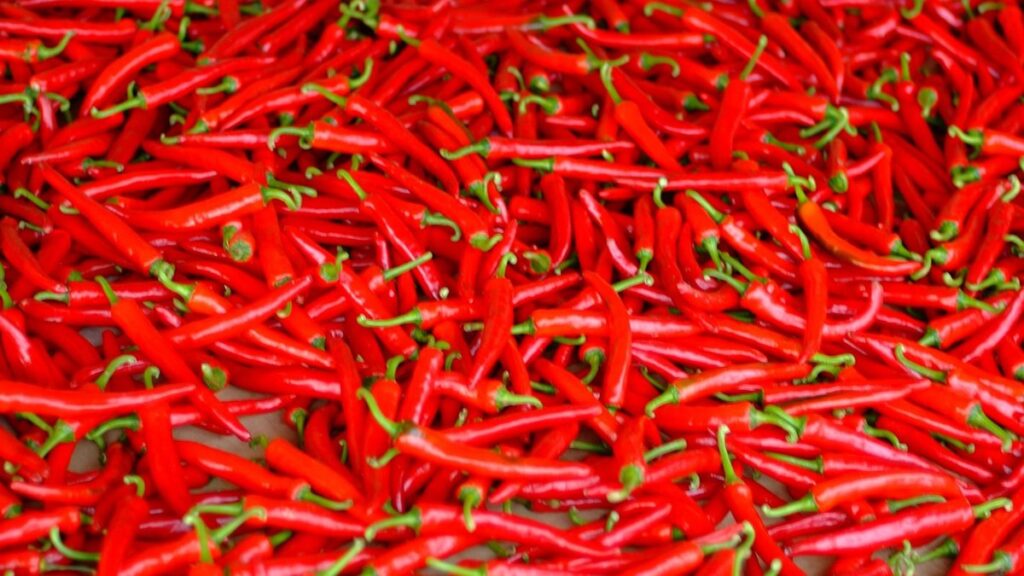
Types of Sweet Peppers
Sweet peppers come in a variety of shapes, sizes, and colors, each with its own unique flavor profile and texture. Let’s explore some of the most popular types of sweet peppers together!
Subsection 1.1: Bell Peppers – Characteristics and Uses
Bell peppers are one of the most widely consumed sweet pepper varieties. They come in a range of colors including green, red, yellow, orange, and purple, each with its unique flavor profile. Bell peppers have a crunchy texture and a slightly sweet taste.
From a nutritional standpoint, bell peppers are low in calories but rich in vitamins A and C, potassium, and fiber. They also contain antioxidants that help protect against cell damage and inflammation.
Bell peppers can be used in a variety of dishes, from stir-fries to salads and sandwiches. Slice them thinly for adding crunch to snacks or use them as a topping for tacos and pizza. You can also stuff bell peppers with rice, meat, or cheese for a flavorful main course.
In terms of preparation, bell peppers can be cooked in various ways – grilled, roasted, sautéed, or steamed. They retain their flavor and nutrients when cooked using minimal heat and moisture retention methods. For example, roasting brings out the natural sweetness of bell peppers, while grilling adds a smoky flavor.
When selecting bell peppers at the market, choose those with firm skin and glossy appearance. Avoid soft or wrinkled skin as it may indicate spoilage.
Subsection 1.2: Pimento Peppers – History and Cuisines
Pimento peppers have been a staple ingredient in various cuisines for centuries. Originating from the Americas, they were initially used by indigenous communities to add flavor and nutrition to their meals. The Spanish conquistadors later introduced pimento peppers to Europe, where they became a fundamental component of Mediterranean cuisine.
Today, pimento peppers are an integral part of many dishes worldwide. They’re commonly used in tapas, paella, and other Spanish recipes. In the United States, pimentos are often associated with stuffed olives and green goddess dressing. The mild, slightly sweet flavor of pimento peppers makes them a versatile ingredient for adding depth to salads, sandwiches, and sauces.
In addition to their culinary uses, pimento peppers have been linked to several potential health benefits. They’re rich in vitamins A and C, potassium, and fiber, making them an excellent choice for supporting immune function and digestive health. When choosing pimento peppers, look for ones with a deep red color, as they tend to be sweeter and more nutrient-dense than their green counterparts.
Subsection 1.3: Sweet Mini Peppers – Versatility and Pairing Suggestions
Sweet mini peppers are a delight to work with due to their compact size and sweet flavor profile. They’re perfect for adding crunch and color to various dishes without overpowering them with strong pepper flavors. One of the most exciting aspects of sweet mini peppers is their versatility – they can be used in both savory and sweet recipes.
To elevate your salads, slice or chop sweet mini peppers into thin strips and toss them with mixed greens, cherry tomatoes, and a drizzle of balsamic vinaigrette. Alternatively, use them as a topping for sandwiches by pairing roasted sweet mini peppers with hummus, avocado, and sprouts. When it comes to snacking, consider dipping sweet mini peppers in guacamole or salsa for a flavorful treat.
For an added layer of flavor, grill or roast sweet mini peppers before adding them to your dishes. This caramelizes their natural sugars and brings out the sweetness in each pepper. Simply brush with olive oil, season with salt, and cook until tender – they make a great addition to pasta salads, wraps, and even as a side dish on its own.
Types of Hot Peppers
You’re likely familiar with jalapenos and habaneros, but did you know there are many more types of hot peppers to explore in your cooking adventures? Let’s dive into some of the most popular varieties.
Subsection 2.1: Jalapeño Peppers – Flavor Profile and Heat Level
Jalapeños are one of the most popular hot peppers globally, known for their vibrant green color and slightly pointed shape. When it comes to flavor profile, jalapeños have a bright, snappy taste that’s both sweet and spicy at the same time. They have a moderate level of heat, with an average Scoville heat unit (SHU) rating of 2,500-8,000.
One of the reasons why people love jalapeños is their versatility in cooking. They’re perfect for adding a spicy kick to salsas, salads, and sandwiches. In Mexican cuisine, jalapeños are often used to make sauces like salsa roja or as an ingredient in traditional dishes such as chiles rellenos.
When using jalapeños in your recipes, it’s essential to handle them carefully due to their moderate heat level. To reduce the heat, you can remove the seeds and membranes, which contain most of the capsaicin – the compound responsible for the burning sensation. You can also substitute jalapeños with milder peppers like Anaheim or Poblano if you’re unsure about their heat tolerance.
Remember that individual tolerance to spice varies greatly, so it’s always a good idea to taste as you go and adjust the level of heat to your liking.
Subsection 2.2: Cayenne Peppers – History, Production, and Uses
Cayenne peppers have been adding heat to dishes for centuries. Originating from Central and South America, they were first cultivated by the indigenous people of these regions. The Spanish conquistadors encountered cayenne peppers during their conquests and brought them back to Europe, where they became a staple in many cuisines.
Today, cayenne peppers are primarily grown in tropical and subtropical climates around the world. They are typically harvested when mature and dry, which concentrates their capsaicin content – the compound responsible for their heat. This process also allows cayenne peppers to be stored for longer periods.
Cayenne peppers have found their way into various cuisines worldwide due to their versatility in adding flavor and heat. They are commonly used in French, Mexican, and Caribbean cooking. To use cayenne peppers effectively, start by grating or chopping them finely, then mix with other spices to achieve the desired level of heat. For a bold kick, try pairing cayenne peppers with olive oil, garlic, and lemon juice for a flavorful sauce.
Subsection 2.3: Ancho Peppers – Flavor Profile, Heat Level, and Cooking Methods
Ancho peppers are a type of dried poblano pepper commonly used in Mexican and Southwestern cuisine. When rehydrated, they have a rich, slightly sweet flavor profile with hints of earthy undertones.
The heat level of ancho peppers is relatively mild, scoring between 1,000 to 2,000 Scoville Heat Units (SHU). This makes them an excellent choice for those who prefer milder flavors without sacrificing depth and complexity. You can find ancho peppers in various shades of brown, from light tan to dark reddish-brown.
To bring out the full flavor potential of ancho peppers, it’s essential to rehydrate or roast them before using. Rehydrating involves soaking the dried peppers in hot water for about 20-30 minutes, after which they can be chopped and added to your recipe. Roasting ancho peppers, on the other hand, brings out their natural sweetness by caramelizing their sugars. Simply place the peppers on a baking sheet, drizzle with oil, and roast at 400°F (200°C) for about 20-25 minutes.
When rehydrating or roasting, be sure to check on them frequently to avoid overcooking, which can result in bitterness.
Specialized Pepper Types
Let’s take a closer look at some of the more exotic and rare pepper varieties, including habaneros, ghost peppers, and even Carolina reapers. These extreme hot peppers will test your taste buds.
Subsection 3.1: Habanero Peppers – Extreme Heat and Culinary Uses
Habaneros are undoubtedly one of the hottest peppers out there, boasting an intense heat level that’s not for the faint of heart. In fact, they’re approximately 100-350 times hotter than a jalapeno pepper! But what makes them so beloved by spicy food enthusiasts? Their unique flavor profile and versatility in various dishes.
One of the most popular ways to enjoy habaneros is in salsas, where their intense heat pairs perfectly with other bold flavors. You can also blend them into hot sauces or use them as a topping for tacos, grilled meats, or vegetables. When working with habaneros, it’s essential to handle them carefully: the oils in these peppers can cause skin irritation and burning, so be sure to wear gloves when chopping or preparing them.
To incorporate habaneros safely into your cooking, start by wearing protective gloves and using a sharp knife to minimize contact with the oils. Then, chop the peppers finely and use them sparingly – a little goes a long way! If you’re new to working with habaneros, consider starting with a milder variety, like the Orange Habanero or the Red Savina. With practice and patience, you’ll become a master of handling these fiery peppers in no time.
Subsection 3.2: Ghost Peppers (Bhut Jolokia) – Origin, History, and Culinary Use
The ghost pepper, also known as Bhut Jolokia, is one of the hottest peppers in the world. Originating from the North Eastern Indian states of Nagaland and Manipur, it has a rich history dating back to the 1970s. Locals used this fiery pepper for its medicinal properties, including relieving pain and inflammation.
In recent years, the ghost pepper has gained popularity worldwide due to its intense heat and unique flavor profile. It’s often featured in spicy dishes like curries, stews, and soups. When cooked, the Bhut Jolokia releases a smoky, slightly sweet aroma that complements the heat. You can also use it as an ingredient in homemade hot sauces.
To incorporate ghost peppers into your cooking, start by adding them towards the end of cooking time to preserve their flavor and heat. Use gloves when handling the pepper to avoid skin irritation. For a more intense experience, try making a ghost pepper sauce by blending the pepper with vinegar, oil, and spices. This adds an exciting dimension to any dish.
Pepper Cultivation and Varieties
Let’s dive into the wonderful world of pepper cultivation, where we’ll explore the key factors that affect growth and learn how to choose the perfect variety for your garden.
Subsection 4.1: Factors Influencing Pepper Growth and Yield
When it comes to growing peppers, several factors influence their growth and yield. Climate plays a significant role, as peppers thrive in warm temperatures between 65°F to 85°F (18°C to 30°C). However, extreme heat can be detrimental, causing plants to suffer from sun scorch or even die back.
Soil quality is another crucial aspect, as peppers prefer well-draining soil with a pH between 6.0 and 7.0. Failing to provide adequate drainage can lead to root rot and other issues. Watering schedules are also vital, with overwatering being a common mistake that can cause fungal diseases and nutrient deficiencies.
Effective pest management practices are equally important. Regularly inspect plants for signs of pests like aphids, whiteflies, or spider mites, and use integrated pest management techniques whenever possible. This may involve introducing beneficial insects, practicing good sanitation, or using targeted pesticides as a last resort.
By paying attention to these factors and adopting best practices, pepper growers can optimize their yields and enjoy a bountiful harvest of flavorful peppers.
Subsection 4.2: Popular Pepper Varieties for Home Gardeners
If you’re new to growing peppers at home, knowing which varieties to choose can be overwhelming. However, there are several popular pepper options that are perfect for home gardeners. For instance, the ‘Bell Boy’ variety is a great choice for beginners due to its high yields and resistance to disease. This sweet bell pepper grows up to 6 inches in length and requires minimal care.
Another favorite among home gardeners is the ‘Jalapeño M’ variety. These hot peppers are relatively small in size but pack a punch of heat, making them ideal for adding flavor to various dishes. They prefer well-drained soil and full sun to produce an abundance of pods.
For those looking to grow sweet peppers, the ‘Cubanelle’ variety is a great choice. Its slender shape makes it perfect for slicing and adds a touch of elegance to any dish. To ensure success with these varieties, remember to plant them in well-drained soil, provide adequate sunlight, and water consistently throughout the growing season.
Additionally, consider planting other popular varieties like ‘Thai Hot’, ‘Anaheim’, and ‘Poblano’ to add some diversity to your pepper collection.
Cooking with Peppers – Techniques and Tips
Now that you’ve learned about the different types of peppers, it’s time to master the art of cooking with them. This next part will walk you through various techniques and tips to bring out their unique flavors.
Subsection 5.1: Roasting Peppers for Added Flavor
Roasting peppers is a game-changer for adding depth and complexity to various dishes. By transforming their texture and bringing out their natural sweetness, you can elevate the flavor of sauces, soups, salads, and more. To roast peppers, preheat your oven to 425°F (220°C). Place the desired number of peppers on a baking sheet, drizzle with olive oil, and season with salt. Roast for about 30-40 minutes or until their skin is blistered and charred.
Once roasted, remove the peppers from the oven and let them cool down in a bowl covered with plastic wrap. This process helps to steam the peppers and makes it easier to peel off the skin. Once cooled, simply peel off the skin, discarding it, and use the flesh in your desired recipe. You can also roast peppers on an open flame or using a grill for added smokiness.
The key to achieving optimal flavor is to let the peppers cool down completely before handling them. This allows you to easily remove the skin and use the tender flesh in its place. By incorporating roasted peppers into your cooking repertoire, you’ll unlock new flavors and textures that will take your dishes to the next level.
Subsection 5.2: Storing and Preserving Peppers for Year-Round Use
Proper storage and preservation techniques are essential to enjoy fresh peppers throughout the year. When it comes to storing fresh peppers, keep them away from direct sunlight and heat sources, as this can cause them to spoil quickly. Store them at room temperature or in the refrigerator, but not near ethylene-producing fruits like apples or bananas, which can accelerate ripening.
For longer-term preservation, consider freezing, dehydrating, or pickling your peppers. Freezing is a great way to retain their crunch and flavor; simply chop or slice them before placing them in an airtight container or freezer bag. Dehydrating removes excess moisture, allowing you to store them for up to six months – use a food dehydrator or your oven on the lowest heat setting.
Pickling is another popular method, involving soaking sliced peppers in a brine solution of vinegar, salt, and spices. Not only does this add flavor but also extends shelf life significantly. With proper preservation methods, you can enjoy your favorite peppers year-round, adding them to various dishes from soups to stir-fries.
Health Benefits of Peppers – Nutritional Value and Antioxidants
Let’s take a closer look at the impressive nutritional value and antioxidant properties that peppers have to offer for our overall well-being.
Subsection 6.1: Vitamins and Minerals in Different Pepper Types
When it comes to vitamins and minerals, peppers offer a diverse range of benefits across different types. For instance, bell peppers are particularly high in vitamin C, with one cup providing over 100% of the daily recommended intake. On the other hand, hot peppers like cayenne and habanero are rich in vitamin B6, an essential nutrient for brain function and immune system support.
In terms of minerals, sweet peppers contain a significant amount of potassium, an electrolyte crucial for maintaining healthy blood pressure levels. Jalapeños, meanwhile, offer a good source of manganese, a mineral that plays a key role in bone health and metabolism regulation. As you can see, the nutritional profile varies significantly between pepper types.
To maximize your intake of these essential vitamins and minerals, consider incorporating a variety of peppers into your diet. For example, add sliced bell peppers to salads or sauté them with olive oil as a side dish. Use hot peppers like cayenne or jalapeño in marinades for grilled meats or as a topping for soups. By exploring the different types of peppers and their unique nutritional profiles, you can unlock a world of health benefits and add flavor to your meals.
Subsection 6.2: The Role of Capsaicin and Other Compounds in Health Benefits
Peppers contain an array of bioactive compounds that contribute to their numerous health benefits. Capsaicin, one of the most notable components, is responsible for the heat sensation experienced when consuming spicy peppers. This compound has been extensively studied and linked to various potential health advantages, including anti-inflammatory effects, pain relief, and improved circulation.
Other beneficial compounds found in peppers include carotenoids (such as beta-carotene), flavonoids (like quercetin), and vitamin C. These antioxidants help protect cells from damage caused by free radicals, supporting overall well-being. The cumulative effect of these compounds makes peppers a valuable addition to a healthy diet.
Consumers can harness the benefits of capsaicin and other pepper compounds by incorporating different types of peppers into their meals. For example, adding sliced jalapeños or serranos to sandwiches or salads can provide an instant boost of antioxidants. When handling hot peppers, it’s essential to wear gloves to prevent skin irritation caused by capsaicin. Experimenting with various pepper varieties will allow individuals to develop a tailored approach to reaping their health benefits.
Conclusion – Incorporating Peppers into Your Diet
Now that you’ve learned about the different types of peppers, it’s time to incorporate them into your cooking and daily routine for added flavor and nutrition. Here are some practical tips on how to start using peppers in your meals.
Final Thoughts on Pepper Diversity and Versatility
As we conclude our comprehensive guide to different types of peppers, it’s essential to reiterate the significance of pepper diversity and versatility in our diets. Exploring various pepper types not only adds flavor and excitement to meals but also provides a range of nutritional benefits.
One of the most compelling reasons to incorporate diverse peppers into your diet is their unique antioxidant profiles. Each type of pepper contains distinct combinations of vitamins A, C, and E, as well as beta-carotene and other carotenoids that contribute to its potential health benefits. For instance, bell peppers are rich in vitamin C, while sweet peppers contain more than 10 times the amount of vitamin C found in a similar serving of strawberries.
In addition to their nutritional value, peppers offer an incredible range of flavor profiles and textures. From the mild sweetness of sweet peppers to the spicy kick of habaneros, there’s a pepper type to suit every taste preference. Experimenting with different types will not only keep your meals engaging but also allow you to adapt your cooking techniques.
To make the most of pepper diversity in your diet:
* Start by selecting 2-3 new pepper types each season and incorporating them into your favorite recipes.
* Explore pepper pairings, such as combining sweet peppers with garlic for a savory sauce or using hot peppers to add depth to curries.
* Consider growing your own pepper plants, which can be adapted to different climates and require minimal space.
Frequently Asked Questions
Can I grow sweet peppers indoors?
Yes, you can grow sweet peppers indoors with the right conditions. They require a warm and humid environment, plenty of light, and a well-draining potting mix. Start with seedlings or purchase mature pepper plants from a nursery to ensure success.
How do I store hot peppers for long-term use?
Hot peppers can be stored in an airtight container in the refrigerator to preserve their heat and flavor. To make them last even longer, consider freezing or dehydrating them. Freezing will help maintain their texture, while dehydration will intensify their flavor.
What are some unique ways to incorporate sweet mini peppers into my meals?
Sweet mini peppers can add a pop of color and flavor to salads, sandwiches, and pasta dishes. Try using them as a topping for pizzas or as a side dish sautéed with garlic and herbs. You can also use them in stir-fries or as a crunchy addition to soups.
How do I identify the Scoville heat unit (SHU) of different pepper varieties?
The SHU is a subjective measurement that may vary depending on factors like climate, soil quality, and ripeness. To estimate the SHU of a particular pepper variety, consult reliable sources or conduct your own taste tests. Keep in mind that even within the same variety, individual peppers can have varying levels of heat.
Can I use hot peppers in sweet dishes?
While it may seem counterintuitive to combine spicy and sweet flavors, some popular recipes successfully blend hot peppers with sweet ingredients like honey, sugar, or fruit. Try using hot peppers in a pepper-infused syrup for desserts or cocktails. The key is balance: start with small amounts of heat and adjust to taste.