
Passion fruit is a delicacy loved by many, but have you ever wondered about its tiny seeds? Are they safe to eat, or are they just there for decoration? You’re not alone in your curiosity. For years, people have been snacking on passion fruit without giving much thought to the potential health benefits of consuming those tiny black seeds.
In this article, we’ll uncover the truth about edible passion fruit seeds, discussing their nutritional value, potential risks, and how to consume them safely. From antioxidants to digestive health, we’ll explore the surprising advantages of incorporating these seeds into your diet. So, if you’re ready to discover a new way to enjoy passion fruit, keep reading! We’ll guide you through the process of making the most out of this tiny, yet mighty ingredient.
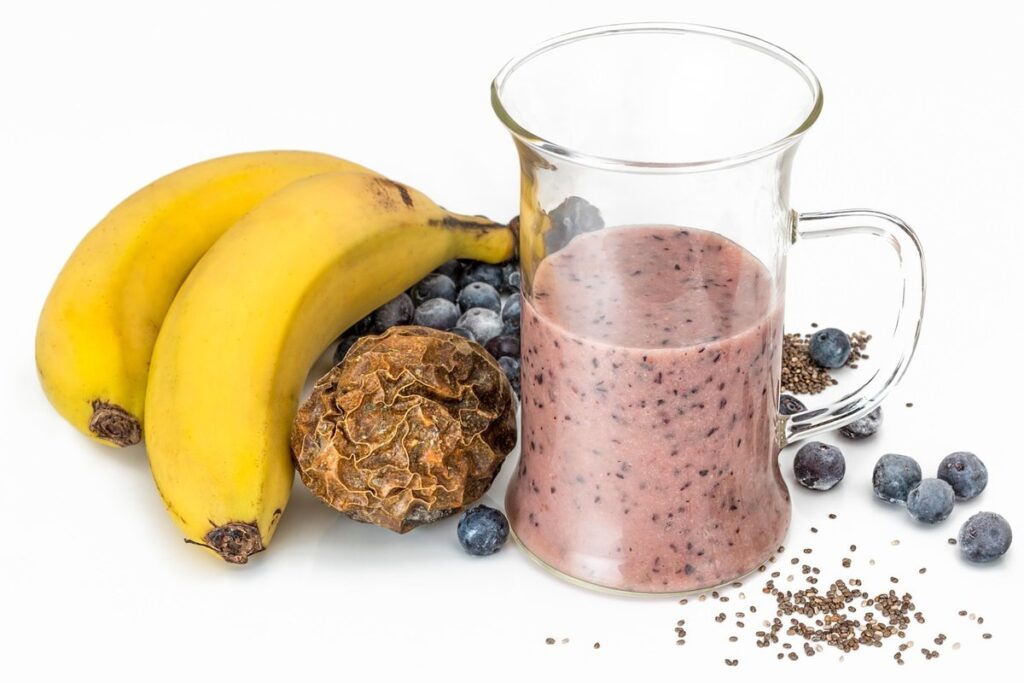
Understanding Passion Fruit and Its Seeds
Let’s dive deeper into understanding passion fruit, a tropical gem often misunderstood, and its seeds, which are actually edible and packed with nutrients.
What is Passion Fruit?
Passion fruit is a tropical fruit native to South America, but it’s now widely cultivated in many parts of the world. This small, round or oval-shaped fruit has a thick, waxy skin that ranges in color from purple to yellow, depending on the variety. The most distinctive feature of passion fruit is its unique texture and flavor profile – the pulp is juicy and sweet, while the seeds are crunchy and tart.
Passion fruit is a versatile fruit used in both culinary and medicinal applications. In many tropical countries, it’s a staple ingredient in smoothies, desserts, and salads. The juice is also used as a natural remedy for various health issues, including insomnia, digestive problems, and fever. Some varieties of passion fruit are even used as a base for wines and liqueurs.
When it comes to using passion fruit, it’s essential to handle the seeds with care – they’re not only edible but can also be used in cooking and baking. The seeds have a nutty flavor and crunchy texture that pairs well with sweet or savory ingredients. With its unique characteristics and uses, passion fruit has become a favorite among chefs, home cooks, and health enthusiasts alike.
Types of Passion Fruits
There are over 500 varieties of passion fruits, but they can be broadly categorized into two main types: tropical and subtropical. Tropical passion fruits, such as the Maypénula and the Sweet Granadilla, thrive in warm and humid climates with minimal frost tolerance. These varieties tend to have thinner skin, sweeter pulp, and a higher water content.
Subtropical passion fruits, like the Purple Granadilla and the Maracuyá, can tolerate cooler temperatures and are often grown in regions with mild winters. They typically have thicker skin, a more tart flavor profile, and a lower water content compared to their tropical counterparts.
When it comes to edibility, both types of passion fruits contain edible seeds. However, some varieties may have a higher concentration of seeds or a softer pulp, making them more suitable for snacking or cooking. For example, the Maypénula has seeds that are relatively easy to remove and eat, while the Purple Granadilla’s seeds are often left intact due to their smaller size.
Nutritional Value of Passion Fruit
When it comes to nutritional value, passion fruit is an excellent source of essential vitamins and minerals. One serving of fresh passion fruit contains a significant amount of vitamin C, potassium, and dietary fiber. The unique combination of these nutrients makes passion fruit seeds a nutritious addition to various dishes.
Each seed from the inner pulp of the fruit is tiny but packed with nutrients. They contain vitamin B6, manganese, magnesium, and iron, among other essential minerals. In fact, a single serving of passion fruit seeds provides up to 20% of the recommended daily intake of these crucial micronutrients.
When consuming passion fruit seeds, consider combining them with other nutrient-dense ingredients to boost their nutritional value even further. For instance, mixing passion fruit seeds with quinoa and avocado makes for a healthy and filling breakfast or snack option. This combination provides sustained energy, supports heart health, and helps regulate digestive functions due to the high fiber content. By incorporating passion fruit seeds into your diet, you can reap the rewards of their nutritional benefits while also exploring new flavors in your recipes.
The Debate: Are Passion Fruit Seeds Edible?
Some of you may be wondering if it’s safe to eat passion fruit seeds, and we’re diving into the debate to explore both sides of this tasty but divisive issue. Let’s weigh the pros and cons together!
Historical and Cultural Significance
In many parts of the world, passion fruit seeds have been consumed for centuries as part of traditional practices. In Japan, for example, passion fruit seeds are pickled and served as a condiment, while in Mexico, they’re used to make a spicy sauce called “salsa de semillas de maracuyá”. These cultural variations highlight the diversity of perspectives on edible passion fruit seeds.
Interestingly, some cultures view passion fruit seeds as having medicinal properties. In Ayurvedic medicine, for instance, passion fruit seeds are believed to aid digestion and relieve symptoms of colds and coughs. Conversely, in many Western countries, it’s common to believe that passion fruit seeds are toxic due to their bitterness and potential saponin content.
To navigate these differing perspectives, consider exploring traditional recipes from various cultures. If you’re interested in trying pickled passion fruit seeds, research the specific preparation methods used in Japan or other Asian countries. On the other hand, if you’re drawn to the medicinal properties attributed to passion fruit seeds, learn more about Ayurvedic practices and consult with a healthcare professional before incorporating them into your routine.
In general, it’s essential to approach the topic of edible passion fruit seeds with an open mind and respect for diverse cultural traditions. By acknowledging the historical and cultural significance surrounding these tiny seeds, you can make informed decisions about their role in your diet and lifestyle.
Potential Risks and Concerns
While passion fruit seeds may be a nutritious and potentially edible addition to some dishes, there are potential risks associated with consuming them. One of the main concerns is the presence of allergens, particularly for individuals who have allergies to citrus fruits or other related plants. Passion fruit seeds contain a protein called profilin, which can trigger allergic reactions in sensitive individuals.
Additionally, passion fruit seeds may also harbor toxins such as saponins and limonoids, which are naturally occurring compounds that can be toxic in large quantities. Consuming these toxins can lead to digestive issues like nausea, vomiting, and diarrhea, particularly for those with pre-existing gastrointestinal problems.
If you’re considering adding passion fruit seeds to your diet, it’s essential to exercise caution. To minimize potential risks, start by consuming small amounts and monitor your body’s response. If you experience any adverse effects or discomfort, discontinue consumption immediately. Cooking or processing the seeds may also help reduce toxin levels, but more research is needed to confirm this.
Can You Eat Passion Fruit Seeds Safely?
Many of you have asked if it’s safe to eat passion fruit seeds, and we’ll dive into the details on whether they’re edible or not in this section. We’ll explore the risks involved.
Identifying Edible vs. Non-Edible Seeds
When it comes to passion fruit seeds, it’s essential to be able to distinguish between edible and non-edible ones. Here are some visual cues and expert advice to help you do just that.
The size of the seed is one key indicator: edible passion fruit seeds tend to be smaller than non-edible ones. Think of it like a coin – if it’s as big as a quarter, it’s likely not for eating. On the other hand, small black or brown seeds are usually safe to consume.
Another visual cue is the shape and texture of the seed. Edible passion fruit seeds tend to be slightly flattened at one end and have a smooth surface. Non-edible seeds may appear irregularly shaped or even fuzzy. Keep in mind that these distinctions can vary depending on the specific variety of passion fruit you’re working with.
To be extra cautious, it’s always best to err on the side of caution when it comes to consuming passion fruit seeds. If in doubt, consult a trusted field guide or speak with an experienced forager. Remember, some passion fruit varieties may have toxic seeds that can cause discomfort if ingested.
Preparation Methods for Safe Consumption
Preparing passion fruit seeds for consumption requires attention to detail and proper technique. To ensure safe eating, it’s essential to follow recommended preparation methods. One way is through cooking. Simply roast the seeds in a 350°F oven for about 10-15 minutes or until they’re lightly toasted. This helps break down some of the toxic compounds found in the seeds.
Another method involves processing the seeds. Remove the pulp and seeds from the fruit, then soak them in water overnight to help soften the outer shell. Blend the mixture with a bit more water to create a paste. Strain the mixture through a cheesecloth or fine-mesh sieve to separate the pulp and seeds. Store the processed seeds in an airtight container for future use.
When consuming passion fruit seeds, be mindful of quantity. A serving size is typically around 1-2 teaspoons per day. Excessive consumption can lead to adverse effects due to high levels of cyanide compounds. It’s also crucial to choose ripe passion fruits with firm but slightly soft skin. Unripe or overripe fruits may contain higher amounts of toxic compounds, making the seeds more hazardous to eat. Always handle and prepare passion fruit seeds safely to minimize potential risks.
Benefits and Risks: A Balanced Perspective
Now that we’ve explored the edibility of passion fruit seeds, let’s take a closer look at the potential benefits and risks associated with consuming them.
Potential Health Benefits
Consuming passion fruit seeds has been linked to several potential health benefits, primarily due to their high antioxidant and fiber content. Antioxidants play a crucial role in protecting the body against free radicals that can cause cell damage and contribute to chronic diseases like cancer and heart disease.
One of the key advantages of passion fruit seeds is their richness in dietary fiber. A single serving (about 3 tablespoons) contains up to 5 grams of fiber, which can help regulate bowel movements, lower cholesterol levels, and even support healthy blood sugar levels.
In addition to these benefits, passion fruit seeds are also a good source of essential vitamins and minerals like vitamin C, potassium, and magnesium. These nutrients can help boost the immune system, support bone health, and even aid in muscle relaxation.
While there’s ongoing debate about the edibility and safety of consuming passion fruit seeds, incorporating them into your diet in moderation may provide several nutritional advantages. However, it’s essential to note that raw or unripe seeds contain a compound called carpaine, which can cause gastrointestinal issues in some individuals.
Precautions and Contraindications
While passion fruit seeds are considered edible by many cultures, there are certain scenarios where it’s unwise or even unsafe to consume them. If you have a history of kidney stones, for instance, it’s best to avoid eating passion fruit seeds altogether, as they contain compounds that can increase the risk of stone formation.
Additionally, individuals with sensitive stomachs or irritable bowel syndrome (IBS) may find that consuming passion fruit seeds exacerbates digestive issues due to their high fiber content and potential irritant properties. If you’re among this group, it’s wise to start with small amounts and monitor your body’s response before indulging in larger quantities.
Some medical conditions also warrant caution when eating passion fruit seeds. For example, those undergoing dialysis or suffering from kidney disease should limit or avoid their consumption due to the potential for oxalate buildup. Similarly, individuals taking blood thinners or with bleeding disorders should be mindful of the seed’s high vitamin C content and its possible interactions with medications.
In any case, it’s essential to weigh the potential benefits against your individual health circumstances before adding passion fruit seeds to your diet. If you’re unsure about the safety of consuming them, consult a healthcare professional for personalized guidance.
Passion Fruit Seeds in Cooking and Recipes
When it comes to passion fruit seeds, we often wonder if they’re safe to eat. Let’s explore some creative ways to use them in cooking and recipes.
Innovative Uses for Passion Fruit Seeds
While passion fruit seeds are often discarded as waste, they offer a world of culinary possibilities. Not only do they add flavor and texture to dishes, but their versatility knows no bounds. In many tropical regions, passion fruit seeds are considered an essential ingredient in traditional recipes.
One innovative use for passion fruit seeds is in making passion fruit seed oil. This oil can be used as a finishing touch for salads, roasted vegetables, or even as a marinade for grilled meats. The flavor profile of the oil is often described as sweet and nutty, with hints of tropical fruitiness.
Another creative way to utilize passion fruit seeds is by grinding them into a fine powder and using it as a garnish or adding it to baked goods. This seed-based flour can be used in place of some traditional flours to add depth and complexity to recipes. For example, you could make a delicious passion fruit seed-infused shortbread cookie that’s sure to impress friends and family.
To incorporate passion fruit seeds into your cooking, start by using them in small quantities and adjusting to taste. You can also experiment with different methods of preparation, such as roasting or grinding, to unlock their full flavor potential.
Traditional vs. Modern Preparations
When it comes to preparing passion fruit seeds for consumption, there’s a significant difference between traditional and modern methods. Traditionally, passion fruit seeds were considered a nuisance and were often discarded after eating the pulp. However, some cultures recognized their potential and used them as a flavor enhancer or even ground them into flour.
In contrast, modern preparation methods have become more sophisticated, allowing for greater versatility in using passion fruit seeds. One technique involves roasting the seeds to bring out their nutty flavor, which can then be used as a garnish or added to desserts. Another approach is to freeze-dry the seeds to preserve their delicate flavor and texture.
The key difference between traditional and modern methods lies in the techniques used and the ingredients employed. Modern preparations often involve more precise temperature control and specialized equipment, resulting in a more refined product. For example, some chefs now use sous vide machines to perfectly roast passion fruit seeds without overcooking them. This attention to detail makes all the difference in unlocking the full potential of these tiny yet flavorful seeds.
Conclusion: The Verdict on Edible Passion Fruit Seeds
So, what have we learned so far? It’s time to summarize the facts and give you a clear verdict on whether passion fruit seeds are edible.
Recap of Key Points
As we conclude our exploration of whether passion fruit seeds are edible, let’s recap the key points that have been debated throughout this article. On one hand, some argue that passion fruit seeds can be safely consumed and even provide potential health benefits, such as being high in fiber and antioxidants.
On the other hand, others express concerns about the seed’s potential toxicity and allergenic properties. While there is no conclusive evidence to support the claim that passion fruit seeds are toxic, it’s essential to note that raw seeds may contain a compound called limonin, which can cause stomach upset in some individuals.
To make informed decisions, remember that cooking or processing passion fruit seeds can neutralize any potential risks associated with consumption. If you do choose to eat them, be sure to properly rinse and dry the seeds before consuming. Additionally, it’s crucial to note that individual tolerance may vary, so start with small amounts and monitor your body’s response.
By weighing these points and taking necessary precautions, you can make an informed decision about whether passion fruit seeds align with your dietary preferences or needs.
Final Thoughts and Recommendations
If you’re convinced that passion fruit seeds are edible and safe to consume, here’s what we recommend: incorporate them into your daily routine, but with caution. Start by having a small amount (about 1-2 teaspoons) per serving to gauge your body’s tolerance. It’s also essential to be mindful of the ripeness and variety of the passion fruit seeds you use. Some species may be more potent than others.
To maximize the benefits, pair the seeds with healthy fats or probiotics for enhanced absorption. Experiment with various recipes, such as adding them to salads, smoothies, or yogurt parfaits. For enthusiasts looking to extract the oil from passion fruit seeds, ensure you’re using a reputable method and adhering to proper safety guidelines.
When consuming passion fruit seeds, pay attention to your body’s response, particularly if you have allergies or sensitivities. Consult with a healthcare professional if you experience any adverse effects. By following these guidelines, you can unlock the potential of edible passion fruit seeds and reap their nutritional rewards while minimizing risks.
Frequently Asked Questions
Can I consume passion fruit seeds raw, without any preparation?
Yes, you can eat passion fruit seeds raw as a snack or add them to salads, yogurt, or oatmeal for an extra dose of nutrients. However, be sure to rinse the seeds thoroughly and pat them dry with a paper towel to remove excess moisture.
How do I store passion fruit seeds to maintain their nutritional value?
To preserve the nutritional benefits of passion fruit seeds, store them in an airtight container at room temperature or in the refrigerator. You can also freeze them for up to 3 months by placing the container in a sealed plastic bag and storing it in the freezer.
Are there any specific health conditions that prevent me from consuming passion fruit seeds?
Yes, individuals with digestive issues such as irritable bowel syndrome (IBS) or inflammatory bowel disease (IBD) should consume passion fruit seeds in moderation. It’s also essential to consult a healthcare professional before adding these seeds to your diet if you have any underlying medical conditions.
Can I use passion fruit seeds in baking and cooking?
Yes, passion fruit seeds can be used as a topping for baked goods like muffins or cakes, or added to savory dishes like stir-fries or curries. When using them in cooked recipes, be sure to toast the seeds lightly before adding them to enhance their flavor.
How many passion fruit seeds are safe to eat per serving?
A typical serving size of passion fruit seeds is about 1 tablespoon (15-20 seeds). This amount provides a significant dose of nutrients while minimizing potential digestive issues. Always start with small amounts and adjust according to your individual tolerance and needs.