
As you gaze out at the lush greenery surrounding us, have you ever stopped to think about the intricate patterns on leaves? The veins that crisscross their surfaces are more than just aesthetically pleasing – they’re a key to understanding how plants thrive in diverse environments. Leaf venation types, such as parallel-veined and net-veined leaves, have evolved unique adaptations that enable them to survive in varying conditions. But what exactly do these differences mean for the plant’s ability to photosynthesize, withstand drought, or even resist diseases? In this article, we’ll delve into the fascinating world of leaf venation types, exploring their evolutionary significance, and how they’ve inspired applications in botany and beyond – from agriculture to medicine.
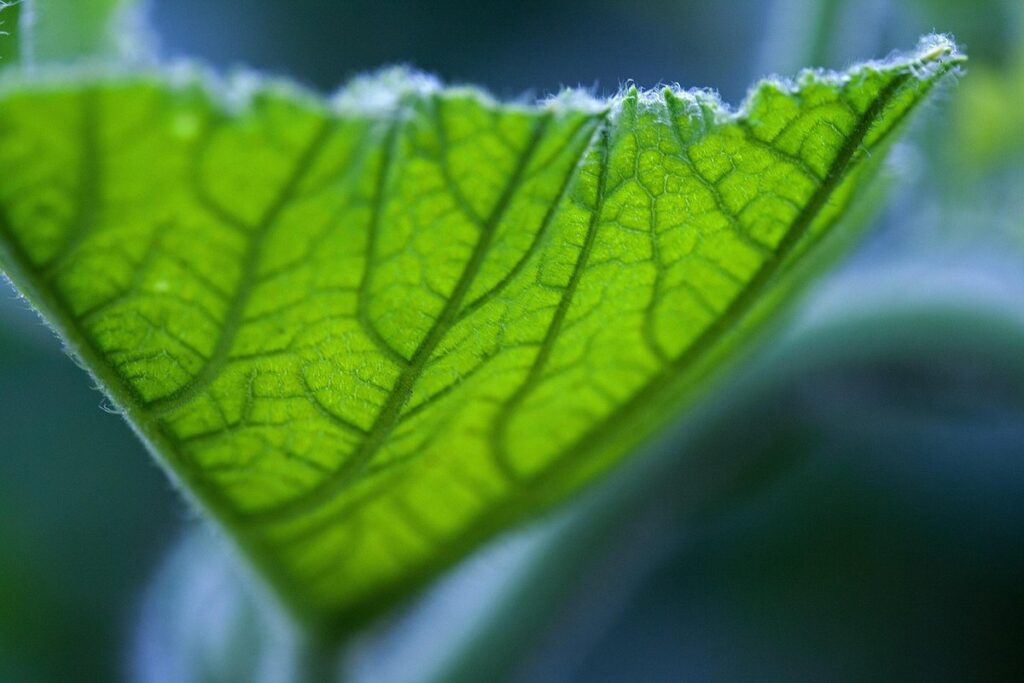
Understanding Leaf Venation
Leaf venation is a fascinating topic that can be overwhelming at first, but don’t worry, we’ll break it down for you. Let’s start by exploring what leaf venation really means and its significance in plant biology.
What is Leaf Venation?
In plant biology, leaf venation is the intricate network of veins that transport water, nutrients, and sugars throughout a leaf. It’s essential to understand what leaf venation is because it plays a crucial role in how plants thrive. Imagine the leaf as a small factory, with the veins serving as its internal logistics system. Just as roads connect cities and towns, leaf veins connect different parts of the leaf, facilitating the exchange of vital resources.
The complexity and pattern of leaf venation vary among plant species, making it a valuable characteristic for identification purposes in botany. A simple example is the difference between leaves with parallel veins (like those found on oak trees) and those with netted or reticulate patterns (such as ferns). By examining the type of venation present, botanists can infer specific plant characteristics, like habitat requirements or growth rates.
Leaf venation isn’t just important for plant classification; it also influences how plants respond to environmental factors like drought or disease. Understanding leaf venation is fundamental to appreciating the intricate biology behind a plant’s ability to survive and thrive in its ecosystem.
Types of Leaf Venation Systems
There are three primary types of leaf venation systems found in plants: parallel-veined, net-veined, and intermediate. Each type has its unique characteristics that help plants adapt to their environment.
Parallel-veined leaves have veins that run parallel to each other in a straight line from the base of the leaf to the tip. This system is common in grasses, sedges, and some species of trees like eucalyptus. It allows for efficient water transport and gas exchange. For example, wheat and oats are both parallel-veined plants that thrive in well-drained soil.
Net-veined leaves have veins that branch out from a central vein, forming a network of smaller veins throughout the leaf. This system is common in ferns and some species of trees like oak. It allows for greater surface area for photosynthesis and helps with water transport. For example, the net-veined leaves of the fern plant enable it to thrive in shaded environments.
Some plants have intermediate venation systems that combine elements of both parallel-veined and net-veined types. These leaves often exhibit branching veins or multiple central veins. For instance, the silver birch tree has a mix of parallel and net-veining patterns on its leaflets.
Importance of Leaf Venation in Plant Evolution
Understanding leaf venation isn’t just about identifying different types; it’s also crucial for grasping plant evolution and phylogeny. Leaf venation has undergone significant changes over time, reflecting adaptations to environmental conditions, growth habits, and evolutionary pressures.
One key aspect of leaf venation is its role in understanding plant relationships. Different venation patterns can indicate distinct lineages or even family ties among plants. For instance, the presence of parallel veins is a characteristic often associated with monocots, while net-veined leaves are more typical of dicots. Recognizing these traits helps botanists and researchers construct phylogenetic trees that depict relationships between different plant species.
By examining leaf venation patterns, scientists can also infer how plants have responded to changing environmental conditions throughout history. For example, some tropical plants with reticulated venation may be better suited for high humidity and dense foliage, while those with parallel veins might thrive in drier climates or more open environments. As researchers continue to explore the intricacies of leaf venation, their findings can shed light on plant evolution’s complex interplay between ecological adaptation and genetic drift.
Parallel-Veined Leaves
Parallel-veined leaves are a distinctive feature of certain plant species, characterized by leaf veins that run parallel to each other in a regular pattern. Let’s take a closer look at how this unique venation type works.
Characteristics of Parallel-Veined Leaves
Parallel-veined leaves are easily identifiable due to their distinctive features. One of the most notable characteristics is the uniform spacing between the veins, which run parallel to each other without intersecting. This unique arrangement gives parallel-veined leaves a distinct visual appeal and sets them apart from leaves with different venation patterns.
As you observe a parallel-veined leaf, notice that there are no branching veins or secondary veins that split off from the primary ones. The veins remain straight and run consistently throughout the leaf’s length, creating a smooth and uniform texture. This characteristic is particularly evident in plants like succulents and cacti, where the parallel veins help to distribute water efficiently.
When identifying parallel-veined leaves, pay attention to their overall shape and size. These leaves often have a more elongated or lance-shaped form, which complements their unique venation pattern. By recognizing these characteristics, you can easily distinguish parallel-veined leaves from other types of leaves with different venation patterns.
Examples of Plants with Parallel-Veined Leaves
Parallel-veined leaves are a unique characteristic of certain plant species. One of the most recognizable groups exhibiting this trait is succulents and cacti. These plants have adapted to survive in arid environments, storing water in their leaves, stems, or roots. Succulents like Aloe vera and Echeveria show parallel veins running lengthwise on the leaf surface.
Cacti, such as Prickly Pear (Opuntia spp.) and Saguaro (Carnegiea gigantea), also display parallel venation. Their leaves are usually fleshy and flat, allowing for maximum water storage capacity. In some species, like the Jade Plant (Crassula ovata), the parallel veins can be more pronounced due to their thickened leaf cuticles.
Parallel-veined plants often have other adaptations that help conserve water, such as thick, waxy coatings on leaves or stems. By observing these features in succulents and cacti, we can appreciate the remarkable diversity of plant adaptations in different environments.
Adaptations of Parallel-Veined Leaves
Parallel-veined leaves have evolved unique adaptations to thrive in various environments. In tropical regions with high humidity and intense sunlight, these leaves often develop a waxy coating on their surfaces. This adaptation helps prevent water loss through transpiration, ensuring the leaf remains hydrated. For instance, the Philodendron species, commonly found in rainforests, exhibit this characteristic.
In areas with limited water availability, parallel-veined leaves may develop deeper roots to access subterranean water sources. The succulent-like leaves of plants like Euphorbia and Aloe are prime examples of this adaptation, as they store water in their thickened stems.
The venation pattern itself also plays a crucial role in adaptation. In areas with high winds or intense storms, the parallel veins provide structural support to prevent leaf damage. The bamboo species, for example, rely on their robust parallel-veined leaves to withstand strong gusts of wind.
These adaptations illustrate the intricate relationship between leaf venation and environmental conditions. As we explore different types of leaf venation, it’s essential to consider how each pattern has evolved to optimize a plant’s survival in its native ecosystem.
Net-Veined Leaves
Let’s take a closer look at one of the most fascinating types of leaf venation: net-veined leaves, characterized by a complex network of veins. We’ll explore their unique features and examples in this section.
Characteristics of Net-Veined Leaves
When you gaze at net-veined leaves, you’ll notice that their complex network of veins creates a delicate and intricate pattern. Unlike other types of leaf venation, net-veined leaves lack uniform spacing between the veins, resulting in a visually striking appearance. This unique characteristic is due to the converging or diverging patterns of smaller veins into larger ones, giving the leaf a web-like structure.
As you examine a net-veined leaf more closely, you’ll observe that the veins are often thicker and more pronounced towards the edges, whereas those near the midrib tend to be thinner. This variation in vein thickness creates an interesting visual dynamic, drawing your attention to specific areas of the leaf. The lack of uniform spacing between the veins also contributes to the overall sense of complexity and organic beauty inherent in net-veined leaves.
In nature, you can spot net-veined leaves on various plant species, such as ivy, grapevine, and certain types of deciduous trees.
Examples of Plants with Net-Veined Leaves
When it comes to net-veined leaves, certain plant species are more prominent than others. One of the most recognizable groups with this type of leaf venation is ferns. These ancient plants have been around for over 360 million years and are known for their delicate, lacy fronds that display intricate patterns of net-like veins.
Trees are another group where you can find net-veined leaves. Some species like the London Planetree (Platanus x acerifolia) exhibit this characteristic. However, trees with net-veined leaves are relatively rare compared to other types of leaf venation. This unique trait is more commonly associated with ferns and other non-flowering plant groups.
If you’re interested in growing plants with net-veined leaves, consider cultivating a variety of ferns, such as the Maidenhair Fern (Adiantum spp.) or the Autumn Fern (Dryopteris erythrosora). These plants can thrive in a range of conditions and add an interesting texture to your garden. Keep in mind that net-veined leaves often require specific care, including ample moisture and filtered light. By providing the right environment, you can appreciate these unique plants up close and observe their intricate venation patterns.
Adaptations of Net-Veined Leaves
Net-veined leaves have evolved to thrive in a variety of environments, and their unique venation pattern is a key adaptation for survival. In tropical rainforests, net-veined leaves are often found on trees that grow near water sources or in areas with high humidity. The dense network of veins allows these plants to efficiently transport water and nutrients from the roots to the leaves, even when soil moisture is low.
In contrast, net-veined leaves have also adapted to thrive in arid environments. For example, cacti in desert regions use their extensive network of veins to store and conserve water, allowing them to survive with minimal rainfall. This adaptation is made possible by the ability of the veins to conduct water efficiently from the roots to the rest of the plant.
In addition to these examples, net-veined leaves have also adapted to specific light conditions. In plants that grow in shaded areas, the veins are often more compact and efficient, allowing for maximum nutrient uptake despite limited sunlight.
Intermediate Leaf Venation Types
Now that you’ve grasped the basics of leaf venation, let’s dive into the world of intermediate types, where veins branch out in more complex patterns. This section explores these unique arrangements in detail.
Characteristics of Intermediate Leaf Venation Types
Intermediate leaf venation types are characterized by their unique combination of parallel and net-like patterns. One common type is reticuloparallel venation, which features a network of veins (reticulation) that intersect with parallel veins. This type can be seen in plants such as the genus Magnolia, where the veins appear as a combination of parallel lines and interconnected networks.
Another example is pinnate net-veined leaves, which exhibit a net-like pattern on top of a pinnate venation system. This means that the major veins branch out from the midrib like fingers (pinnate) and are connected by smaller veins to form a network. The genus Philodendron is an example of this type.
Some plants may display a mix of different intermediate venation types, making identification more challenging. To identify these leaves accurately, observe the overall pattern, paying attention to both the parallel and net-like features. With practice, you’ll become more familiar with these combinations and be able to distinguish between them with confidence.
Examples of Plants with Intermediate Leaf Venation Types
Some species of orchids and bromeliads are known to exhibit intermediate leaf venation types. These plants have a mix of parallel veins that occasionally intersect with net-like patterns, making their venation unique compared to the typical parallel or reticulate patterns found in other plant families.
For instance, the Phalaenopsis orchid has intermediate leaf venation, characterized by an occasional intersection of parallel veins. This type of venation is also observed in some bromeliad species, such as Guzmania and Aechmea. These plants exhibit a mix of longitudinal and transverse veins, giving their leaves a distinctive appearance.
The presence of intermediate leaf venation types can be beneficial for certain plant species that require flexibility and adaptability to changing environments. By having a combination of parallel and net-like patterns, these plants are able to optimize gas exchange and water transport, making them more resilient to environmental stressors.
In your observations, look for leaves with longitudinal veins that occasionally intersect or branch out in a transverse direction. This can indicate the presence of intermediate leaf venation types, which may be worth noting when studying plant morphology or identifying new species.
Adaptations of Intermediate Leaf Venation Types
Intermediate leaf venation types have developed unique adaptations to thrive in specific environmental conditions. For instance, some plants have evolved to conserve water by reducing the density of their vascular tissue. This is evident in plants like succulents and cacti that store water in their leaves. Their intermediate venation pattern allows for efficient water transport while minimizing water loss.
In areas with intense sunlight, such as deserts or tropical regions, some intermediate leaf venation types have adapted to optimize photosynthesis. They achieve this by increasing the surface area of their leaves through specialized arrangements of veins. For example, the Opuntia ficus-indica has a complex network of intermediate veins that allows for efficient gas exchange and water uptake.
In contrast, plants growing in shaded or humid environments may prioritize leaf thickness over vascular density. This adaptation enables them to maintain optimal photosynthesis rates despite reduced light conditions.
Evolutionary Significance of Leaf Venation Types
Leaf venation types have played a crucial role in plant evolution, with different patterns emerging to optimize water and nutrient uptake. This section explores their significance in that process.
How Leaf Venation Evolved Over Time
The evolution of leaf venation patterns has been shaped by millions of years of adaptation to changing environments. During the Devonian period, around 400 million years ago, the first vascular plants emerged with simple reticulate venation. As these early plants colonized land, they developed more complex venation patterns in response to increasing CO2 levels and arid conditions.
The Mesozoic era saw a diversification of plant groups, including ferns, conifers, and flowering plants. Each group evolved unique venation patterns suited to their environments. For example, the earliest ferns had pinnate venation, while modern ferns often exhibit more complex networks. Similarly, conifers developed parallel-celled venation to optimize water transport in arid conditions.
In response to changing climate conditions and competition with other plant species, leaf venation patterns continued to evolve. Today’s diverse range of venation types reflects this history of adaptation, from the delicate reticulate pattern of tropical leaves to the complex network of desert succulents. By understanding these evolutionary changes, we can appreciate the intricate relationships between plants and their environments.
Note: The key points mentioned in the description are addressed through:
* Explaining the development of different venation patterns in response to changing environments
* Mentioning specific examples of plant groups (ferns, conifers) and their corresponding venation patterns
Factors Influencing Leaf Venation Evolution
The evolution of leaf venation types is influenced by various factors that have shaped the diversity of leaves across different plant species. Climate is one of the primary drivers of leaf venation evolution. For instance, plants living in arid regions tend to develop more efficient water transport systems, such as parallel or anastomosing venations, to minimize water loss through transpiration. In contrast, plants thriving in humid environments often exhibit more complex venation patterns, such as reticulate or net-like venations, which allow for greater flexibility and adaptability.
Soil type is another critical factor influencing leaf venation evolution. Plants growing in nutrient-poor soils may develop more extensive venation systems to maximize nutrient uptake and absorption. For example, plants like the eucalyptus, which grow in poor soil conditions, often exhibit a high degree of branching and complexity in their venation patterns.
Predation pressure is also a significant factor driving leaf venation evolution. Plants that are frequently attacked by herbivores may develop more complex or dense venations as a defense mechanism to deter predators. This can be seen in plants like the milkweed, which has evolved a complex network of veins to make it difficult for insects to feed on its toxic leaves.
Implications for Plant Ecology and Conservation
Understanding the evolutionary history of leaf venation types has significant implications for plant ecology and conservation efforts. By studying how different venation patterns have emerged and adapted over time, researchers can gain insights into the ecological pressures that plants face and the strategies they employ to survive.
For instance, plants with parallel venation are often associated with environments where water is scarce or variable. This suggests that these plants may be more resilient in arid or semi-arid conditions. Conversely, plants with reticulate venation are more commonly found in temperate regions with stable water availability. This distinction can inform conservation efforts by highlighting the specific needs of different plant species and habitats.
By considering the evolutionary history of leaf venation types, ecologists and conservationists can develop targeted strategies for preserving biodiversity and mitigating the impacts of climate change. For example, protecting areas with diverse vegetation types – including those with unique venation patterns – can help safeguard against extinction risks and promote ecosystem resilience.
Applications of Leaf Venation in Botany and Beyond
Understanding leaf venation types isn’t just important for botanists, but also has practical applications in fields like ecology, conservation, and even forensic science to analyze plant samples.
Botanical Identification and Classification
In botany, leaf venation is a crucial characteristic used for identifying and classifying plants. The arrangement of veins on a leaf can be a distinctive feature that sets one species apart from another, even when they are closely related. For instance, the presence or absence of an adaxial midvein (a central vein on the upper surface of the leaf) can be a key diagnostic trait for some plant families.
When identifying plants using leaf venation, it’s essential to examine the veins in detail. Look for patterns such as pinnate, palmate, parallel-veined, or netted venation. The arrangement and branching of veins can also provide clues about a plant’s evolutionary history and relationships with other species. By studying leaf venation, botanists can develop more accurate classification systems and resolve taxonomic disputes.
To accurately identify plants using leaf venation, examine the leaves under magnification, ideally 10-20 times greater than normal size. Note the shape, size, and arrangement of veins, as well as any distinctive features such as thorns or spines. Consult field guides, online resources, or expert opinions to confirm your identification and ensure that you are applying correct classification criteria.
Biomedical and Industrial Applications
The study of leaf venation has far-reaching implications that extend beyond botany. Researchers have begun to explore the potential biomedical and industrial applications of leaf venation research. One exciting area of development is the creation of new materials inspired by plant anatomy. For instance, scientists have been studying the self-healing properties of leaves, which could lead to the design of more resilient materials for construction and textiles.
Researchers are also drawing inspiration from the efficient transport systems in plants to develop innovative technologies for water filtration, desalination, and even energy harvesting. The unique properties of leaf venation, such as its hierarchical structure and branching patterns, have also sparked interest in developing advanced algorithms for data processing and machine learning. These applications have the potential to transform various industries, from healthcare and manufacturing to transportation and environmental sustainability.
Moreover, understanding the intricate mechanisms of leaf venation could lead to breakthroughs in tissue engineering, wound healing, and regenerative medicine.
Future Research Directions
As we’ve explored the various types of leaf venation and their implications for botany and beyond, it’s clear that this area of study is far from exhausted. In fact, researchers are now venturing into new territories to uncover even more secrets about leaf venation.
One emerging area of study is the use of advanced imaging techniques to better understand the structure-function relationships in leaf venation networks. By leveraging technologies like X-ray micro-computed tomography (micro-CT) and synchrotron-based imaging, researchers can gain unprecedented insights into the three-dimensional architecture of leaves and their implications for plant function.
Another potential breakthrough lies in exploring the connection between leaf venation and plant evolution. As we delve deeper into the fossil record and use phylogenetic analysis to understand the history of leaf venation types, we may uncover new evidence about how plants have adapted to changing environments over millions of years.
Frequently Asked Questions
Can I apply the principles of leaf venation types to my own garden or agricultural practices?
Yes, understanding leaf venation types can help you select plants that are adapted to your specific climate or growing conditions. By choosing species with suitable venation patterns, you can enhance crop yields and improve plant resilience. This knowledge can also inform decisions about irrigation, pruning, and fertilization strategies.
How do I identify the type of leaf venation in a plant without specialized equipment?
Observe the overall shape and arrangement of the veins on the leaf surface. Parallel-veined leaves typically have long, straight veins that run parallel to each other, while net-veined leaves exhibit a more complex network of interconnected veins. You can also use hand lenses or magnifying glasses to examine the veins in more detail.
What are some real-world applications of leaf venation research beyond botany and agriculture?
Leaf venation patterns have inspired new materials and designs in various industries, such as aerospace engineering and biomedical devices. Researchers study how plants optimize water transport and storage within their tissues, informing the development of more efficient systems for human use.
Can I grow plants with specific leaf venation types in a controlled environment, like a greenhouse or indoor space?
Yes, you can cultivate plants with various leaf venation types in controlled environments. By replicating optimal growing conditions and providing suitable care, you can promote healthy growth and development of the desired venation patterns. This can be especially useful for research purposes or to produce specific plant varieties.
Are there any environmental factors that can influence the evolution of leaf venation types?
Yes, changes in climate, soil quality, and water availability have driven the evolution of different leaf venation types over time. For example, plants growing in areas with high winds may develop more robust venation patterns to withstand mechanical stress. Understanding these relationships can provide valuable insights into plant adaptation and resilience.