
Hot peppers are one of the most popular ingredients in many cuisines around the world, adding flavor and heat to countless dishes. But did you know that these fiery gems only reach their full potential when they turn red? It’s true! The ripening process is what triggers the production of capsaicinoids, the compounds responsible for the characteristic burning sensation we all know as spiciness.
In this article, we’ll delve into the fascinating world of hot peppers and explore why turning red is crucial to unlocking their full heat potential. We’ll also provide expert advice on how to grow, harvest, and cook with these vibrant veggies safely and effectively. From choosing the right varieties to mastering the art of cooking with hot peppers, we’ve got you covered. Whether you’re a seasoned chef or a culinary newbie, this guide is your ultimate resource for harnessing the power of red-hot peppers in your kitchen.
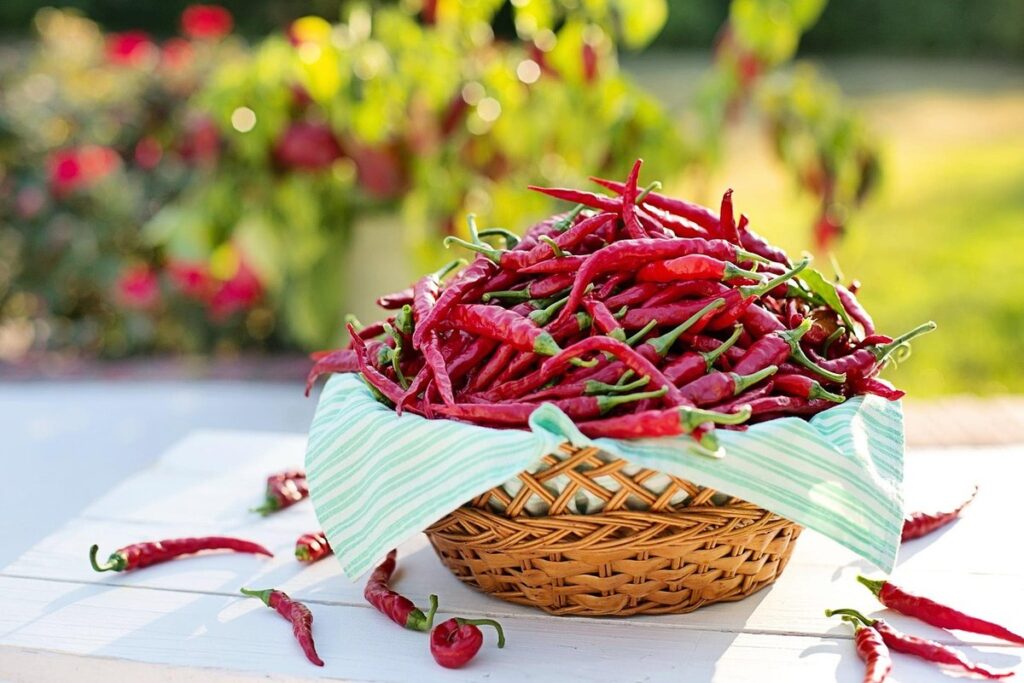
Understanding the Basics of Capsaicin
Let’s dive into the basics of capsaicin, the compound that gives hot peppers their heat and flavor. You’ll learn what it is and how it affects our taste buds.
What is Capasaicin?
At the heart of what makes hot peppers hot lies a fascinating compound called capsaicin. This natural chemical is responsible for the burning sensation we experience when consuming spicy foods. Capsaicin’s chemical composition consists of a vanilloid molecule, specifically (E)-N-(4-hydroxy-3-methoxyphenyl)-8-methyl-6-nonenamide.
In simpler terms, capsaicin works by binding to receptors in the mouth and throat called TRPV1 (transient receptor potential vanilloid 1). When this happens, it sends a signal to the brain that interprets the sensation as heat. The human body perceives this stimulus as pain, which is why we feel the burning effect of capsaicin.
Interestingly, the Scoville scale measures the capsaicin content in peppers by quantifying the amount of capsaicin present. This explains why some hot peppers have higher ratings than others – it’s directly related to their capsaicin levels. Understanding how capsaicin affects humans is crucial for appreciating the complex chemistry behind spicy food, and it also helps us better appreciate the versatility of hot peppers in various cuisines worldwide.
How Pepper Plants Produce Capsaicin
To understand why hot peppers need to turn red to be hot, it’s essential to grasp the process of capsaicin production. Pepper plants, like all other members of the Capsicum family, produce capsaicin as a defense mechanism against predators and environmental stressors.
The process begins with the formation of plasmalemma vesicles, which are tiny sacs containing enzymes responsible for synthesizing capsaicin. These enzymes work together to convert amino acids into vanillylamine, a key component in capsaicin production. The rate at which these enzymes work is influenced by factors such as temperature, light exposure, and nutrient availability.
As the pepper ripens and turns red, the cell walls break down, releasing more of these enzymes and allowing for increased capsaicin production. This is why peppers are typically hottest when they’re fully ripe and have turned their characteristic red color. By understanding this process, you can optimize your pepper plant’s conditions to produce more capsaicin, making them even hotter.
The Role of Color Change in Heat Production
When it comes to hot peppers, a surprising transformation occurs as they ripen and turn red. This color change is more than just visual – it’s also crucial for unlocking their full heat potential.
Why Do Hot Peppers Need to Turn Red?
When hot peppers turn red, it’s not just a matter of visual appeal; it’s also a signal that they’ve reached their full flavor and heat potential. This color change is closely tied to the breakdown of chlorophyll, the green pigment responsible for photosynthesis in plants. As the pepper matures and ripens, its cells begin to break down chlorophyll, allowing other pigments like lycopene and beta-carotene to shine through.
This process also triggers a surge in capsaicin production. Capsaicin is the compound that gives hot peppers their signature heat, and it’s responsible for the burning sensation we feel when we eat spicy food. As the pepper matures, its cells produce more capsaicin, which accumulates in the fruit’s placental tissue, the white part that connects the seeds to the rest of the pepper.
The color change is also a sign of the pepper’s high water content decreasing and its sugar content increasing, making it sweeter and more intense. This process usually takes around 30-60 days for most hot pepper varieties, but some can take longer or shorter depending on factors like climate, soil quality, and specific cultivar.
The Science Behind Pepper Ripening
As hot peppers ripen and turn from green to red, a series of complex biochemical processes unfold that not only contribute to their characteristic flavor but also amplify their heat. At the heart of this process is ethylene production, a hormone-like gas that stimulates the breakdown of cell walls, allowing for the accumulation of sugars and the development of fruit color.
As peppers ripen, enzymes such as polyphenol oxidase (PPO) and peroxidase become increasingly active, catalyzing reactions that convert chlorophyll to pheophytin and produce anthocyanins, responsible for the red pigmentation. Meanwhile, the concentration of capsaicinoids, the compounds responsible for pepper heat, increases due to the breakdown of cell membranes and the release of enzymes involved in their synthesis.
This synergy between ethylene production, enzyme activity, and pigment formation is what gives ripe peppers their characteristic color and intensity.
Types of Hot Peppers and Their Heat Levels
When it comes to hot peppers, there are numerous varieties that pack a punch – from mildly spicy Anaheim peppers to scorching hot habaneros, each with its own unique characteristics and heat levels. Let’s explore some of these varieties together.
The Scoville Scale: A Measure of Heat
The Scoville scale is a well-established method for measuring the heat levels of various hot peppers. Developed by Wilbur Scoville in 1912, it’s based on the amount of capsaicin present in each pepper. Capsaicin is the compound responsible for the “heat” or burning sensation we experience when eating spicy food.
The Scoville scale measures the heat level of a pepper by dissolving it in water and then measuring the time it takes for a solution to dilute the heat to a certain point. This process involves human taste testers who rate the spiciness of the solution, leading to a subjective yet standardized measurement. The Scoville units (SHU) are calculated based on the amount of capsaicin present, with higher SHU values indicating greater heat.
While the Scoville scale is widely used and accepted, it has its limitations. For instance, the method is not very accurate, as the results can vary depending on factors like the pepper’s ripeness, preparation, and individual tolerance to spice. Additionally, some critics argue that the subjective nature of human taste testers introduces personal bias into the measurement process.
Famous Hot Pepper Varieties and Their Characteristics
Hot peppers are known for their vibrant colors and intense heat levels. Some of the most recognizable varieties include the Jalapeño, with its bright green color and moderate heat level of 2,500-8,000 Scoville units. This pepper is a staple in many Mexican dishes and is often pickled or roasted to add flavor.
The Cayenne pepper is another well-known variety, characterized by its long, thin shape and intense red color. Reaching up to 30,000 Scoville units, this pepper is commonly used as a seasoning in various cuisines, including French and Indian cooking. It adds a spicy kick to dishes like chili con carne and curries.
The Habanero pepper, known for its bright orange or red color, boasts an intense heat level of 100,000-350,000 Scoville units. Native to the Yucatán region in Mexico, this pepper is often used to add a fiery kick to salsas and sauces. Its unique flavor profile makes it a popular choice among hot pepper enthusiasts.
The use of these peppers in various cuisines highlights their adaptability and versatility. When selecting hot peppers for cooking, consider the desired level of heat and the intended dish. For example, adding sliced Jalapeños to tacos or roasted Cayenne peppers to soups can elevate flavors without overwhelming palates.
Cultivating Hot Peppers for Maximum Heat
To cultivate hot peppers that pack maximum heat, you’ll want to focus on providing them with a combination of warmth and humidity, allowing their natural ripening process to unfold.
Ideal Growing Conditions for Hot Peppers
When growing hot peppers, it’s essential to provide them with the right conditions to unlock their full potential and heat. Hot peppers require a balance of warmth, light, and nutrients to produce those coveted red fruits that pack a punch.
In terms of soil quality, hot peppers prefer well-draining, fertile soil with a pH between 6.0 and 7.0. To achieve this, mix in compost or well-rotted manure to improve the soil‘s structure and fertility. A 1-inch layer of mulch around the plants will also help retain moisture and suppress weeds.
Temperature-wise, hot peppers thrive in temperatures above 65°F (18°C), but they can tolerate some heat. In fact, many varieties require a short period of cooler temperatures (around 55-60°F or 13-15°C) to initiate flowering and fruiting. As for sunlight, hot peppers need full sun, receiving at least six hours of direct sunlight per day.
By providing your hot pepper plants with the right soil conditions, temperature, and sunlight, you’ll be well on your way to growing those fiery red fruits that are the hallmark of a hot pepper plant.
Tips for Harvesting Hot Peppers at the Right Time
Harvesting hot peppers at the right time is crucial for maximizing their heat. It’s not just about waiting for them to turn red, as we discussed earlier. The ripening process triggers a series of chemical reactions that concentrate the capsaicinoids, responsible for the heat.
To determine when to harvest your hot peppers, gently twist or cut off the entire pepper, leaving a small piece of stem attached. Check its color and firmness. A ripe hot pepper is typically bright red, but some varieties may turn yellow, orange, or even purple. The flesh should be slightly soft to the touch.
Avoid harvesting too early, as this will result in lower heat levels. Similarly, don’t wait too long – overripe peppers can become bitter or develop off-flavors. Keep an eye on your plants and check for ripeness every few days. For some varieties, like Anaheim or Poblano, a slight softening of the skin is a good indication that they’re ready.
Use scissors or pinch off individual peppers to avoid damaging nearby fruit. Harvesting at the right time ensures you get the most out of your hot pepper crop and enjoy the maximum heat that these incredible plants have to offer.
Cooking with Hot Peppers: Safety Precautions and Techniques
When working with hot peppers, safety precautions are crucial to avoid irritating your eyes, skin, and mouth. We’ll explore essential techniques for handling these spicy gems safely in the kitchen.
Handling and Preparation of Hot Peppers
When handling and preparing hot peppers, it’s essential to take necessary safety precautions to avoid irritation and injury. One crucial step is wearing gloves when working with these spicy vegetables. Choose gloves made from materials like nitrile or vinyl, which provide excellent protection against the oils that cause skin irritation.
In addition to glove-wearing, proper eye protection is also vital. When chopping or slicing hot peppers, juices can splatter and cause severe eye discomfort. Wear goggles or safety glasses with good ventilation to prevent any potential harm. If you don’t have access to gloves or protective eyewear, wash your hands thoroughly after handling hot peppers, especially the eyes.
Another critical aspect of preparing hot peppers is handling them carefully. Cut away from your body to avoid accidental splatters and spills. When transferring chopped peppers, use a utensil that allows for easy disposal of any remaining juices.
Remember, while some people may be accustomed to working with hot peppers, it’s always better to err on the side of caution. Be prepared for unexpected reactions by following these simple safety measures.
Using Hot Peppers in Recipes for Maximum Flavor and Heat
When working with hot peppers that have turned red, you can unlock their full flavor and heat potential by experimenting with different cooking techniques. For instance, roasting red peppers over an open flame or in the oven brings out their natural sweetness and adds depth to dishes like pasta sauces or tapenades.
Some popular recipes that showcase the unique flavors of ripe hot peppers include spicy stews and soups, such as Korean kimchi stew (kimchi jjigae) or Caribbean-style pepper pot soup. These recipes utilize red bell peppers, jalapeños, or habaneros to add a burst of heat and flavor.
To make the most of your red hot peppers, try pairing them with ingredients that complement their intense flavors. For example, combining diced red peppers with garlic, onions, and cilantro creates a flavorful salsita for topping tacos or grilled meats.
Health Benefits and Risks Associated with Consuming Hot Peppers
Hot peppers can have a significant impact on our health, both positively and negatively, depending on how they’re consumed and in what quantities. Let’s explore the benefits and risks of incorporating hot peppers into your diet.
The Potential Health Benefits of Hot Pepper Consumption
Consuming hot peppers has been linked to numerous health benefits, primarily due to their rich content of capsaicin and other bioactive compounds. One of the most significant advantages is their anti-inflammatory properties. Capsaicin has been shown to inhibit the production of inflammatory enzymes, reducing pain and swelling in individuals with arthritis, fibromyalgia, and other inflammatory conditions. Studies have demonstrated that consuming hot peppers can also lead to a decrease in blood pressure, cholesterol levels, and triglycerides.
Moreover, the antioxidants present in hot peppers play a crucial role in protecting against oxidative stress, which can contribute to chronic diseases such as cancer, heart disease, and neurodegenerative disorders. Capsaicin has been found to induce apoptosis (cell death) in cancer cells, slowing down tumor growth. Additionally, its ability to improve blood flow may aid in preventing cardiovascular disease.
When incorporating hot peppers into your diet, start with small amounts and gradually increase the intensity to allow your taste buds and digestive system to adjust. You can add them to meals, use as a topping for snacks, or blend them into smoothies.
Possible Risks and Side Effects of Eating Too Much Hot Pepper
Eating too much hot pepper can lead to some unpleasant consequences. If you’re not used to consuming spicy foods, overdoing it on the heat can cause stomach irritation. This might manifest as heartburn, acid reflux, or even a burning sensation in the throat and chest.
In extreme cases, excessive consumption of hot peppers can trigger allergic reactions in some individuals. Symptoms may include hives, itching, swelling, and difficulty breathing. If you experience any of these symptoms after eating hot peppers, seek medical attention immediately.
Additionally, consuming large amounts of capsaicin – the compound responsible for the heat in hot peppers – can lead to stomach ulcers or worsen existing conditions like gastritis. To enjoy the benefits of hot peppers without the risks, it’s essential to start with small amounts and gradually increase your tolerance over time. Remember that everyone’s sensitivity level is different, so be mindful of how your body reacts and adjust accordingly. This will help you appreciate the heat in hot peppers while minimizing potential discomfort.
Frequently Asked Questions
How Do I Know When My Hot Peppers Are Ripe for Harvesting?
To determine if your hot peppers are ripe, gently squeeze the skin; a ripe pepper will yield slightly to pressure but should not be soft or mushy. You can also check the color: while it’s true that red is the final stage of ripening, peppers may turn yellow, orange, or purple before reaching their full heat potential.
Can I Use Green Hot Peppers for Cooking Instead of Waiting for Them to Ripen?
Yes, green hot peppers are edible and can be used in cooking. However, they will not have reached their full heat potential yet, as the ripening process is what triggers capsaicin production. If you’re looking for intense flavor and heat, it’s worth waiting for your hot peppers to turn red.
Are All Hot Pepper Varieties Equally Spicy?
No, different hot pepper varieties vary significantly in terms of their Scoville heat units (SHU). While some may be mild, others can reach extremely high SHU levels. Research the specific characteristics of your chosen variety and plan accordingly for added flavor or heat.
How Do I Handle Hot Peppers to Minimize Irritation?
When handling hot peppers, avoid touching your face or eyes, as the oils in the pepper can cause irritation. Wash your hands thoroughly after handling hot peppers, and consider wearing gloves if you have sensitive skin.
Can I Use Hot Pepper Powder or Flakes Instead of Fresh Peppers for Recipes?
Yes, but keep in mind that heat levels may vary depending on how the peppers were processed. Additionally, some manufacturers may add fillers to their products, affecting flavor. It’s always a good idea to taste and adjust seasoning accordingly when using dried hot pepper products.