
Heritage seed corns are often overlooked in modern farming practices, but they hold a treasure trove of genetic diversity that can revolutionize crop yields. These unique seeds have been preserved for generations, carrying with them the stories and traditions of our ancestors. But heritage seed corns are more than just a nostalgic relic – they’re also key to promoting environmental sustainability and preserving traditional practices. By exploring the importance of these heirloom seeds, we’ll uncover how they can boost crop yields, support biodiversity, and help us better navigate the challenges of climate change. In this article, we’ll delve into the world of heritage seed corns, exploring their significance, benefits, and potential applications in modern agriculture. Whether you’re a seasoned farmer or just starting out, this is an essential read to discover why heritage seed corns are worth preserving for generations to come.
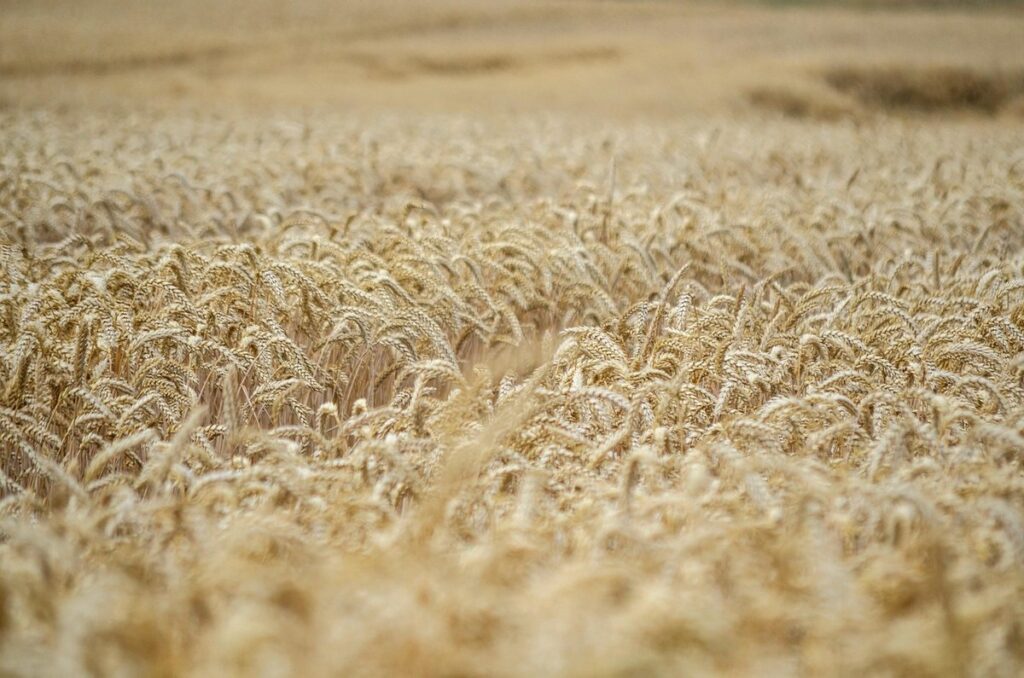
What are Heritage Seed Corns?
Heritage seed corns are unique varieties that have been preserved over time, often carrying historical significance and distinct characteristics. Let’s take a closer look at what makes them so special.
Defining Heritage Seed Corns
Heritage seed corns are a crucial component of our agricultural heritage, offering a glimpse into the past while providing a more resilient and sustainable future for farmers. These heirloom varieties have been passed down through generations, each with its unique characteristics, growth habits, and adaptability to specific environments.
One key distinction between heritage seed corns and modern hybrid varieties lies in their breeding history. Heritage seed corns are derived from traditional landraces that were carefully selected over time for desirable traits such as flavor, texture, and yield stability. In contrast, modern hybrids are bred for high yields, disease resistance, and uniformity, often sacrificing some of these traditional characteristics.
Historically, heritage seed corns played a vital role in agricultural development, providing the foundation for modern crop breeding programs. Today, they offer farmers an alternative to commercial seeds, allowing them to control their own breeding and selection processes, adapt to changing climate conditions, and preserve biodiversity on their land.
Preservation Efforts for Heritage Seed Corns
Organizations such as the Native Seeds/SEARCH (NS/S) program and the Seed Savers Exchange are working tirelessly to preserve heritage seed corns. These organizations maintain extensive collections of rare seeds in seed banks, safeguarding against potential losses due to natural disasters or other unforeseen events. For instance, NS/S has successfully conserved over 800 varieties of heirloom crops, including numerous heritage seed corn types.
In addition to these efforts, initiatives like the Svalbard Global Seed Vault and the International Plant Genetic Resources Institute (IPGRI) are working together to establish a network of global seed banks, providing a safeguard against potential losses. These conservation programs rely on collaboration between farmers, researchers, and institutions to ensure the long-term preservation of heritage seed corns.
One way you can contribute to these efforts is by supporting organizations that work with farmers to conserve and distribute heirloom seeds. By doing so, you’ll be helping to preserve the rich genetic diversity of heritage seed corns for future generations. Consider exploring your local options or reaching out to organizations like Seed Savers Exchange to learn more about their programs and how you can get involved.
Characteristics of Heritage Seed Corns
Heritage seed corns are known for their unique characteristics, including varied colors and textures, which set them apart from modern hybrid varieties. Let’s take a closer look at these distinctive traits.
Genetic Diversity and Resilience
Heritage seed corns offer an unparalleled level of genetic diversity that sets them apart from modern hybrid varieties. This unique characteristic allows them to thrive in a wide range of environments and withstand various stresses. One of the primary advantages of heritage seed corns is their ability to adapt to changing climate conditions. With rising temperatures, shifting precipitation patterns, and increased weather volatility, these resilient varieties can continue to produce bountiful harvests.
In fact, studies have shown that heritage crops, including corn, exhibit greater tolerance to drought and heat stress compared to modern hybrids. This genetic diversity is also beneficial in the face of emerging pests and diseases. By incorporating heritage seed corns into their rotation, farmers can reduce reliance on chemical pesticides and fungicides, minimizing environmental impact while promoting ecosystem health.
By saving and replanting heritage seed corns, gardeners and farmers can tap into this wealth of genetic resilience, ensuring a more sustainable food system for future generations.
Traditional Uses and Cultural Significance
Heritage seed corns hold a special place in the hearts and traditions of various communities around the world. In many regions, these corn varieties are not just a source of food but also play significant roles in cultural and spiritual practices. For instance, in some Native American communities, heritage corn is used in traditional medicine to treat ailments such as fever and skin conditions. The kernels are often ground into flour for making ceremonial breads that are served during important events like harvest festivals.
In Mexico, heirloom corn varieties are still used today for making traditional dishes like tortillas and tamales. These corns are also an integral part of the country’s vibrant cultural heritage, with many communities preserving their unique characteristics through storytelling and artwork. In other parts of the world, heritage seed corns are used in rituals to promote fertility, prosperity, and good fortune.
To incorporate heritage seed corns into your own traditional practices or daily life, start by learning about the specific varieties grown in your region. Visit local farmers’ markets or join a community garden to connect with others who may be growing these unique crops. By preserving and celebrating these heirloom varieties, we can not only ensure their survival but also honor the cultural significance they hold for our communities.
Benefits of Growing Heritage Seed Corns
Growing heritage seed corns has numerous benefits, from increasing biodiversity to improving crop resilience and flavor. Let’s explore these advantages up close!
Improved Crop Yields and Quality
When you grow heritage seed corns, you can expect to see significant improvements in crop yields and quality. This is because these seeds have been bred over centuries to thrive in specific conditions and soil types, resulting in a higher success rate of germination and healthier plant growth.
One reason for the increased yield is that heritage seed corns are often more resistant to pests and diseases due to their genetic diversity. This means you’ll spend less time battling issues like aflatoxins and mycotoxins, which can severely impact yields and even render your crop unsellable. By choosing heritage seed corns, you’re not only getting a bountiful harvest but also reducing the need for pesticides and other chemicals.
In terms of quality, heritage seed corns tend to have higher nutritional content compared to their hybrid counterparts. For instance, some studies have shown that heritage corn contains more antioxidants, fiber, and essential vitamins like folate and thiamin. This makes them a great choice for consumers looking for healthier food options.
Environmental Sustainability
When grown using heritage seed corns, farmers can significantly reduce their environmental footprint. One of the primary benefits is a significant decrease in chemical use. Heritage seed corns are bred to thrive in diverse conditions and require fewer external inputs like fertilizers and pesticides. For instance, a study by the Rodale Institute found that organic farming practices, which often involve using heritage seeds, reduced pesticide use by 38% and synthetic fertilizer use by 45%.
Heritage seed corns also promote water conservation as they are adapted to local conditions and can withstand droughts. This reduces the need for irrigation, thereby conserving precious water resources. In addition, these crops improve soil health through their deep root systems and ability to fix nitrogen from the air. By enhancing soil fertility, heritage seed corns reduce the need for external fertilizers, leading to a more sustainable farming practice.
To adopt this approach, farmers can start by selecting heritage seed corn varieties suitable for their region’s climate and soil type. They should also focus on building soil organic matter through techniques like crop rotation and cover cropping, which will further improve soil health and reduce the need for external inputs.
Challenges Facing Heritage Seed Corns
While heritage seed corns offer many benefits, they’re not without their challenges. Let’s take a closer look at some of the obstacles that threaten the preservation and use of these valuable seeds.
Loss of Biodiversity
Heritage seed corns are vanishing at an alarming rate due to various factors that threaten their existence. Urbanization has led to the destruction of traditional farming practices and habitats, causing many heritage varieties to become extinct. Climate change is another significant concern as extreme weather conditions make it challenging for farmers to cultivate these unique breeds.
Industrial agriculture has also played a substantial role in the decline of heritage seed corns. Large-scale monoculture farming practices prioritize high-yielding, genetically modified crops over diverse, locally adapted varieties. This shift has resulted in the loss of genetic diversity and the erosion of traditional knowledge and skills associated with heritage seed corn conservation.
The consequences of this trend are far-reaching. With fewer options for crop rotation and resilience to pests and diseases, farmers who rely on industrial agriculture are left vulnerable to market fluctuations. Conversely, those who preserve and utilize heritage seed corns can benefit from their unique characteristics, such as improved nutrition, disease resistance, and enhanced ecosystem services.
Regulatory Barriers and Limited Access
One of the significant challenges facing farmers who want to adopt heritage seed corns is the regulatory barriers and limited access to these traditional varieties. In many countries, there are laws and regulations that restrict the sale, distribution, and use of non-certified or non-hybrid seeds, including heritage seed corns.
For instance, in the United States, the Plant Variety Protection Act (PVPA) requires that farmers obtain a license to grow and sell non-certified varieties. This can be costly and time-consuming, making it difficult for small-scale farmers or those with limited resources to access heritage seed corns. Similarly, in the European Union, the Common Agricultural Policy (CAP) has strict regulations governing the sale of non-hybrid seeds.
These regulatory hurdles can limit a farmer’s ability to adopt heritage seed corns, even if they are interested in preserving traditional varieties and promoting biodiversity. As a result, many farmers may not have access to these valuable resources, which can undermine their efforts to promote sustainable agriculture practices.
Conservation and Promotion of Heritage Seed Corns
As we explore the importance of heritage seed corns, let’s dive into how conservation and promotion efforts are working to preserve these precious resources for future generations.
Supporting Small-Scale Farmers and Local Economies
Supporting small-scale farmers who grow heritage seed corns can have a profound impact on local economies and preserve traditional practices. When you invest in these farmers, you’re not only getting unique and diverse crop varieties but also contributing to the well-being of communities. For instance, a study by the University of Wisconsin-Madison found that every dollar spent on local food generates an additional $1.60 in economic activity.
By buying heritage seed corns from small-scale farmers, you’re directly supporting their livelihoods. This, in turn, encourages them to continue growing these crops, which are often tailored to specific regional conditions and preferences. Additionally, purchasing locally grown produce reduces reliance on industrial agriculture and the environmental degradation that comes with it. To make a tangible difference, consider sourcing heritage seed corns from local farmers’ markets or through community-supported agriculture (CSA) programs. This not only injects money into local economies but also fosters a sense of community connection to food production.
Engaging with Communities and Governments
To effectively promote the conservation and use of heritage seed corns, it’s crucial to engage with various stakeholders. This includes communities, governments, and other relevant organizations. One way to do this is by forming partnerships with local farmers’ groups, agricultural cooperatives, or non-profit organizations dedicated to preserving heirloom crops.
These partnerships can help raise awareness about the value of heritage seed corns among community members and encourage their adoption. For instance, a community garden project might focus on cultivating a specific heritage variety, educating participants about its unique characteristics and benefits. Governments can also play a significant role by providing financial incentives or tax breaks for farmers who conserve and grow heritage seed corns.
When engaging with governments, be prepared to provide data-driven arguments highlighting the economic and environmental advantages of preserving these seeds. Consider sharing case studies of successful conservation initiatives or presenting research on the importance of biodiversity in agriculture. By building relationships with stakeholders at both community and government levels, you can create a robust network for promoting heritage seed corns and ensuring their long-term survival.
Conclusion
In conclusion, heritage seed corns hold immense value for our agricultural future. By preserving these unique varieties, we not only protect biodiversity but also safeguard the genetic makeup of our crops. This ensures that farmers have access to a diverse range of seeds adapted to specific environments and climates. As you start exploring heritage seed corns, consider planting multiple varieties to create a robust crop rotation plan. This will not only improve soil health but also attract beneficial pollinators. By making heritage seed corns an integral part of your gardening routine, you’ll be contributing to the preservation of our agricultural heritage. Ultimately, every small step counts in this conservation effort.
Frequently Asked Questions
Can heritage seed corns be grown in a small garden or backyard?
Growing heritage seed corns in a small space is definitely possible, but it’s essential to understand the specific requirements of each variety. Research the specific needs for the seeds you choose, such as sunlight and soil conditions. Start with a few plants and monitor their growth before scaling up.
How do I preserve heritage seed corns for future generations?
Preserving heritage seed corns involves maintaining accurate records of your harvest and storage methods. Store seeds in a cool, dry place to slow down deterioration. Consider sharing seeds with other farmers or preserving them through organizations that promote heirloom varieties.
Can I use modern farming techniques while still growing heritage seed corns?
Yes, heritage seed corns can be grown using modern farming techniques, such as crop rotation and organic fertilizers, without sacrificing their unique characteristics. In fact, incorporating these traditional methods with modern practices can lead to more resilient and sustainable crops.
Are there any challenges I might face when introducing heritage seed corns into my existing farm?
Yes, one of the main challenges is adapting your farming schedule and techniques to accommodate the slower growth rate and potential yields of heirloom varieties. Be prepared for trial-and-error periods as you learn about the specific needs of these seeds.
Can I use heritage seed corns to develop new crop varieties with improved traits?
While it’s possible to breed new varieties from heritage seed corns, this process requires careful planning and expertise in plant breeding. It’s essential to consider factors like genetic diversity, yield stability, and disease resistance when developing new crops.