
Sage has been a staple herb in American gardens for centuries, prized for its unique flavor and medicinal properties. Whether you’re a seasoned gardener or just starting out, understanding the benefits and uses of sage can elevate your cooking and wellness routine. From traditional dishes like stuffing and sausage to its long-standing role in herbal medicine, this versatile herb has earned its place as a favorite among gardeners and cooks alike.
In this article, we’ll delve into the history and cultivation of sage in America, exploring its various uses, benefits, and preservation methods. We’ll cover everything from growing tips to creative ways to incorporate sage into your recipes and daily life. By the end of our journey, you’ll be equipped with the knowledge to make the most of this incredible herb and discover why it’s an essential addition to any garden or kitchen.
What is Sage?
Sage is a popular herb known for its savory flavor and numerous health benefits, but what exactly makes it so special?
Let’s take a closer look at the basics of this versatile plant.
History of Sage in the USA
Sage has been used for centuries by various cultures around the world. Native Americans were among the first to cultivate and use sage in the United States, long before its introduction to European settlers. They valued it not only for its medicinal properties but also as a spiritual plant, often using it in rituals and ceremonies to purify and cleanse the mind and body.
The early European settlers were introduced to sage by Native Americans, who taught them about its various uses. As they settled and began farming, they adopted sage cultivation and integrated it into their own agricultural practices. Sage soon became a staple herb in many American kitchens, particularly among European immigrants who brought their culinary traditions with them.
Today, the United States is one of the world’s leading producers of sage, with many commercial farms and growers cultivating high-quality sage for both domestic consumption and export.
Types of Sage Grown in the USA
There are several species of sage grown in the US, each with its unique characteristics and uses. The most common species is Salvia officinalis, also known as common sage. This perennial herb is widely cultivated in gardens for its culinary and medicinal properties. It’s a hardy plant that can thrive in well-drained soil and full sun.
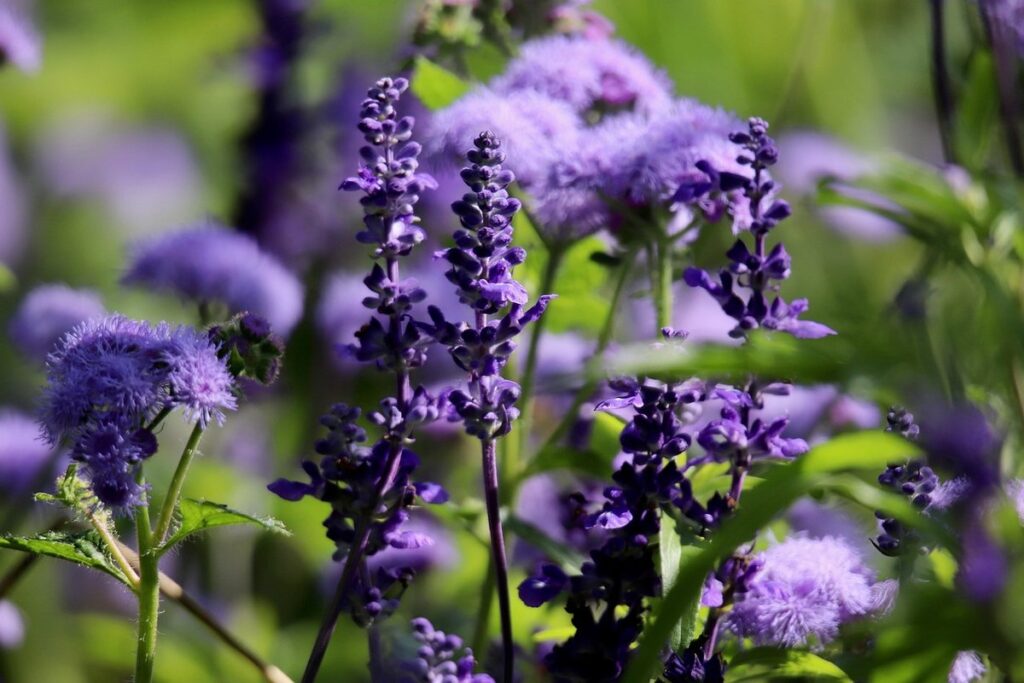
Garden sage (Salvia x sylvestris) is another popular variety grown in the US. It’s often used in cooking and is known for its distinctive flavor and fragrance. Garden sage has purple flowers that attract pollinators, making it a great addition to any garden.
White sage (Salvia apiana), also known as sacred sage or California white sage, is native to the southwestern United States. This perennial herb has silvery-gray leaves and produces small white flowers in the summer. White sage is often used for its medicinal properties and in smudging ceremonies to purify and cleanse.
When choosing a type of sage to grow, consider your climate, soil type, and intended use. Common sage is a good choice for most gardeners, while white sage requires more specific conditions and is best suited for experienced growers.
Benefits and Uses of Sage
Sage is a versatile herb that offers numerous benefits, from improving cognitive function to reducing inflammation, and its uses extend far beyond cooking. Let’s explore these advantages in more detail.
Medicinal Properties of Sage
Sage has been prized for its medicinal properties for centuries, and modern research confirms its potential benefits. One of the key ways sage supports health is through its high antioxidant content. Antioxidants help protect cells from damage caused by free radicals, which can contribute to chronic diseases like cancer and neurodegenerative disorders.
The anti-inflammatory effects of sage are another area of interest. Sage contains compounds that have been shown to reduce inflammation in animal studies. This property may be beneficial for people with conditions characterized by chronic inflammation, such as arthritis or IBS. Additionally, sage’s antibacterial properties make it a useful natural remedy for wound care and mouth sores.
Research suggests that sage may also have a positive impact on cognitive function. Studies have found that sage extract can improve memory and attention in individuals with mild cognitive impairment. The herb is thought to work by increasing the production of acetylcholine, a neurotransmitter involved in learning and memory. If you’re interested in trying sage for its medicinal properties, consider steeping fresh or dried leaves in hot water to make a tea.
Culinary Uses of Sage
Sage is a staple herb in traditional American cooking, and its unique flavor profile adds depth to a variety of dishes. In many Southern states, sage is a key ingredient in stuffing, particularly during the holidays. To make a classic sage sausage stuffing, combine cooked sausage, breadcrumbs, chopped sage, onion, celery, salt, and pepper, and mix well.
In addition to stuffing, sage is often paired with chicken and pork in traditional American recipes. For example, try rubbing whole chickens with a mixture of olive oil, minced garlic, and dried sage before roasting for a flavorful main course. Sage also complements roasted vegetables like Brussels sprouts and carrots, adding a savory flavor that enhances their natural sweetness.
When using fresh sage leaves, be sure to chop them finely to release their oils and flavor. You can also use ground sage as a substitute in recipes, but keep in mind it has a stronger flavor than dried sage. To incorporate more sage into your cooking, try experimenting with different varieties like ‘Purple Sage’ or ‘Tricolor Sage’, which offer unique flavors and colors for added visual appeal.
Growing and Cultivating Sage
Now that you have sage plants growing at home, let’s dive into the specifics of nurturing them to ensure a bountiful harvest every year. With proper care, your sage will thrive and provide delicious herbs for cooking.
Climate and Soil Requirements
Growing sage requires a delicate balance of climate, soil conditions, and sunlight. When it comes to optimal climate, choose a location with well-defined seasons, as this will promote healthy growth and prevent the plant from becoming leggy. Sage thrives in areas with warm summers and cool winters, making USDA Hardiness Zones 4-9 ideal for cultivation.
In terms of soil, sage prefers well-draining, alkaline-rich soil that is rich in organic matter. The pH level should be between 6.0 and 7.0, which can be achieved by adding lime to acidic soils. When selecting a planting site, ensure it receives full sun, with at least six hours of direct sunlight per day.
To create the perfect growing conditions for your sage, mix compost or well-rotted manure into the soil before planting. This will provide essential nutrients and improve drainage. Water sparingly, allowing the top inch of soil to dry out between waterings. By following these guidelines, you’ll be well on your way to cultivating healthy, thriving sage plants in your garden or indoor space.
Propagation Methods
Propagation methods are essential for growing sage, as they allow you to multiply this herb and share it with friends. There are three primary ways to propagate sage: seed sowing, division, and stem cuttings.
Seed sowing is a popular method, but it can be challenging due to the low germination rate of sage seeds. To increase success rates, sow seeds indoors 6-8 weeks before the last frost date in your area. Keep the soil warm (around 70°F) and moist until germination occurs. Once seedlings have two sets of leaves, transplant them into individual pots.
Division is a more reliable method, especially for established sage plants. To divide, carefully dig up the entire plant, gently separating the roots with a fork. Replant each section in well-draining soil, making sure to provide enough space for proper growth. This method works best during the spring or fall when the plant is dormant.
For those who prefer a faster method, stem cuttings can be taken from mature sage plants. Remove lower leaves, leaving only the top two sets of leaves on the cutting. Dip the base in rooting hormone powder and plant it in a small pot filled with moistened potting mix. Keep the soil consistently moist until roots develop. With proper care, you should see new growth within 1-2 weeks.
Herb Gardening with Sage
If you’re new to herb gardening, growing sage is a great place to start, and we’ll walk you through the basics of cultivating this wonderful herb. Let’s dive into some practical tips for success.
Companion Planting with Sage
When it comes to companion planting with sage, you’ll be amazed at its numerous benefits for your garden. Not only does sage repel pests that can damage your other herbs and vegetables, but it also attracts beneficial insects like bees and butterflies that contribute to pollination.
To boost soil health, plant sage alongside crops that benefit from its ability to break up compacted soil and improve drainage. Basil and mint are two popular choices for companion planting with sage. By intercropping these plants, you’ll not only promote healthy growth but also reduce the need for fertilizers and pesticides.
One notable advantage of companion planting with sage is its effectiveness in deterring pests like carrot flies and cabbage moths. This makes it an excellent choice to plant alongside carrots, beets, and other brassicas. To reap these benefits, simply plant sage around the perimeter of your garden or intersperse it among your crops. With proper care and maintenance, your companion plants will thrive, providing a natural and sustainable approach to gardening.
Designing an Herb Garden with Sage
When designing an herb garden with sage as the centerpiece, it’s essential to consider the mature size of the plants and their growth habits. Sage is a moderate-growing perennial that can reach heights of 2-3 feet, so leave about 12-18 inches between each plant for optimal air circulation. Consider grouping smaller herbs like thyme or oregano around the base of your sage plants, as they won’t compete with them for water and nutrients.
Companion planting is also crucial in an herb garden featuring sage. Pair sage with rosemary, lavender, or marjoram to create a fragrant and visually appealing combination. These herbs share similar growing conditions and can benefit from each other’s growth habits. For example, rosemary repels pests that target sage, such as aphids and whiteflies.
To maximize space in your garden, consider using a raised bed with a compact sage variety or prune your plants regularly to maintain a bushy shape. With proper planning and care, your herb garden will thrive, providing you with an abundance of fragrant leaves for cooking and herbal teas throughout the growing season.
Commercial Production and Trade
If you’re interested in growing herb sage on a larger scale, commercial production and trade are essential aspects to understand. This includes key players, market trends, and industry practices affecting the sage supply chain in the USA.
Market Demand and Trends
The demand for sage in the US market has been steadily increasing over the years, driven by growing consumer interest in natural remedies and culinary innovation. According to a survey by the National Gardening Association, 75% of Americans are using herbs more frequently than they did five years ago, with sage being one of the top five most popular herbs used in cooking.
The trend towards wellness-driven food choices has also contributed to the rising demand for sage. Consumers are seeking out products that offer potential health benefits, such as reducing inflammation and improving cognitive function. As a result, food manufacturers are incorporating sage into their product lines, from teas and supplements to baked goods and savory sauces.
To tap into this market, growers can focus on producing high-quality, organic sage plants that meet the demand for fresh and dried herbs. By understanding consumer preferences and industry developments, farmers can adapt their cultivation strategies to ensure a steady supply of this valuable crop. This includes adopting sustainable growing practices, investing in efficient harvesting equipment, and developing marketing strategies that target health-conscious consumers.
Sustainability and Certifications
As consumers become increasingly environmentally conscious, the importance of sustainable practices in herb sage production cannot be overstated. When it comes to cultivating and trading herb sage in the USA, several certifications and standards have emerged as benchmarks for sustainability.
Organic certification is a popular choice among herb sage farmers in the US, as it ensures that their crops are grown without synthetic pesticides or fertilizers. This not only benefits the environment but also produces healthier plants with superior flavor and aroma. Look for the USDA Organic seal when shopping for organic herb sage products.
Fair trade certification is another important consideration, particularly if you’re sourcing your herb sage from international suppliers. Fair trade standards prioritize equitable prices for farmers, safe working conditions, and community development projects. This can have a positive impact on local economies and promote social responsibility in global supply chains.
When sourcing herb sage, consider asking your supplier about their sustainability practices and certifications. By supporting sustainable and certified producers, you’re helping to promote environmentally responsible agriculture practices that benefit both the planet and the people involved.
Preparing and Preserving Sage
To get the most out of your sage harvest, it’s essential to learn how to properly prepare and preserve this fragrant herb for year-round use. We’ll walk you through the simple steps.
Drying and Storing Sage
Drying is an essential step in preserving sage to maintain its flavor and aroma. If you’ve harvested fresh sage leaves from your garden, drying them will help prevent spoilage and extend their shelf life. There are two popular methods for drying sage: air-drying and freeze-drying.
Air-drying involves tying the stems of fresh sage in small bunches and hanging them upside down in a warm, dry, dark place with good airflow. This method can take anywhere from 1-3 weeks, depending on the humidity level. You can also use a dehydrator to speed up the process, usually taking around 6-8 hours.
Freeze-drying is another effective way to preserve sage. It involves freezing the leaves and then reducing the surrounding pressure to allow the frozen water to sublimate (change directly from a solid to a gas) without going through the liquid phase. This method helps retain the herb’s color, flavor, and aroma. Freeze-dried sage can be stored for up to 6 months in an airtight container.
Regardless of the drying method, it’s essential to store dried sage in a cool, dark place, such as a pantry or cupboard. A glass jar with a tight-fitting lid is ideal, as it protects the herb from light and moisture. When using dried sage, simply crush the leaves into smaller pieces before adding them to your recipes.
Infused Oils and Vinegars with Sage
Creating infused oils and vinegars with sage is a wonderful way to preserve its flavor and medicinal properties. To make infused oils, start by gathering fresh sage leaves and packing them tightly into a clean glass jar. Pour a neutral oil, such as grapeseed or olive oil, over the sage leaves, making sure they’re completely submerged.
Allow the mixture to infuse in a cool, dark place for 2-3 weeks, shaking the jar every few days. Strain the oil through a cheesecloth into another clean container, discarding the solids. Label and store your infused oil in a dark glass bottle, using it within six months.
When creating infused vinegars, combine chopped sage with white wine vinegar or apple cider vinegar in a clean glass jar. Store it in a cool, dark place for 2-4 weeks, shaking the jar regularly. Strain the mixture through cheesecloth into another container, discarding the solids. Transfer your infused vinegar to a dark glass bottle and use within six months.
When working with herbs, always follow proper safety precautions: use clean equipment, work in well-ventilated areas, and avoid ingesting untested concoctions. Store your infused oils and vinegars in a cool, dark place to preserve their flavor and potency.
Frequently Asked Questions
Can I grow sage indoors if I don’t have outdoor space?
You can definitely grow sage indoors, provided you give it enough light. Sage requires at least 4-6 hours of direct sunlight per day, so place it near a south-facing window or use grow lights to supplement the natural light. Make sure the pot is well-draining and has good air circulation to prevent fungal diseases.
How long does it take for sage to mature and be ready for harvest?
Sage typically takes about 60-90 days to reach maturity after sowing seeds, depending on weather conditions and growing practices. You can start harvesting individual leaves as soon as they’re large enough, but wait until the plant is about 6 inches tall before harvesting larger quantities.
Can I use sage in place of other herbs in recipes?
While sage has a unique flavor profile, you can substitute it for other herbs like thyme or rosemary in some recipes. However, keep in mind that sage is stronger and more savory than these herbs, so start with small amounts and adjust to taste.
How do I preserve fresh sage leaves to use year-round?
To preserve fresh sage leaves, tie them in small bunches and hang upside down in a warm, dry place. You can also dry them in the oven on the lowest temperature setting or use a food dehydrator. Store dried sage leaves in airtight containers to maintain their flavor and aroma.
Are there any specific companion plants that pair well with sage?
Sage is often grown alongside other herbs like rosemary, oregano, and marjoram, as they share similar growing requirements and can benefit from each other’s pest-repellent properties. Basil and mint are also good companions for sage, but be aware that mint can spread quickly and take over the garden if not contained.