
Garlic flowers may seem like an unusual topic to explore, but trust us, these stunning blooms are worth getting familiar with. Not only do they add a pop of color and fragrance to your garden, but garlic flowers also offer a wealth of culinary and medicinal uses that you might not be aware of. From cooking up delicious dishes to harnessing their health benefits, the possibilities are endless when it comes to garlic flowers. In this article, we’ll delve into the world of growing and harvesting garlic flowers, as well as exploring creative ways to incorporate them into your kitchen and daily routine. Whether you’re a seasoned gardener or just starting out, get ready to discover the wonders of garlic flowers and learn how to cultivate, care for, and preserve these versatile blooms.
What are Garlic Flowers?
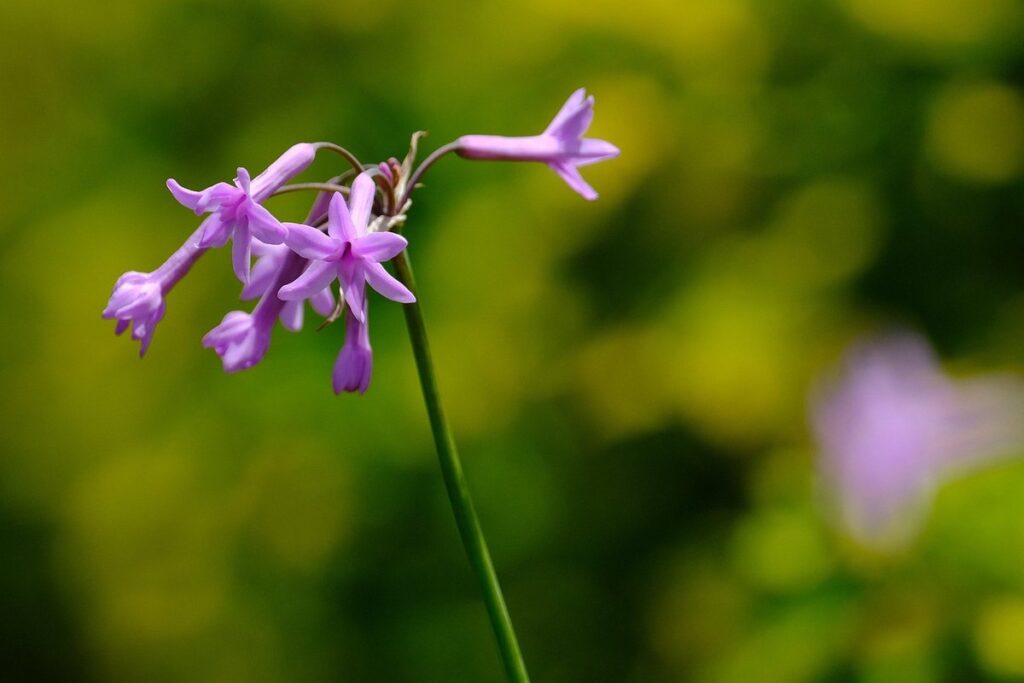
So, you’ve heard of garlic, but have you ever stopped to wonder what those beautiful purple blooms are that grow on top of your garlic plant? They’re called garlic flowers, and they’re a fascinating sight.
A Brief Introduction to Allium Flowers
When you hear about garlic flowers, also known as Allium flowers, what comes to mind? For many of us, it’s the pungent aroma and flavor of garlic. However, these stunning blooms are more than just a novelty in the garden or kitchen. In fact, they’re an essential part of the garlic plant’s life cycle.
Allium flowers are the reproductive organs of the garlic plant, responsible for producing seeds that will germinate into new bulbs come springtime. But what makes them truly remarkable is their culinary and ornamental value. The delicate purple, pink, or white flowers can be used as a garnish in salads, sauces, and other dishes, adding a subtle oniony flavor and pop of color.
In fact, some varieties of garlic flowers are prized for their unique flavor profile and texture, making them a sought-after ingredient in many professional kitchens. If you’re feeling adventurous, try using the flowers in place of regular garlic for an added layer of depth in your cooking.
Types of Garlic Flowers
Garlic flowers come in various shapes and sizes, each with its unique characteristics. Elephant garlic, for instance, boasts large, white flowers that resemble those of a lily. These flowers are not only beautiful to behold but also edible, adding a subtle pungency to salads and sauces.
Rooster garlic, on the other hand, produces small, pinkish-white blooms in clusters. Its flowers are smaller compared to Elephant garlic but have a stronger flavor profile. This variety is ideal for cooking methods that require intense heat, such as grilling or sautéing.
Silverskin garlic also offers an impressive display of white flowers with a delicate appearance. Its flowers are similar to those of Rooster garlic in size and shape but have a milder taste. Silverskin garlic is a great choice for baking and roasting, as its flavor mellows out during the cooking process.
When growing your own garlic flowers, it’s essential to plant them at the right time and provide adequate care. This includes providing sufficient sunlight, water, and nutrients to promote healthy growth. With proper attention, you can enjoy an abundance of beautiful garlic flowers in various colors and sizes.
Growing Garlic Flowers
Now that you’ve got a thriving garlic plant, it’s time to encourage those gorgeous flowers to bloom and share their beauty with your garden. Let’s dive into the steps for growing and nurturing these stunning blooms.
Choosing the Right Variety for Your Climate
When growing garlic flowers, selecting the right variety is crucial to ensure they thrive in your local climate. Garlic flowers are a hardy perennial, but their performance can vary greatly depending on temperature fluctuations and moisture levels.
If you live in an area with hot summers and mild winters, opt for varieties like ‘Chesnok Red’ or ‘Creole’. These heat-tolerant options will help your garlic flowers survive the intense heat. On the other hand, if you’re growing in a cooler climate with cold winters, consider ‘Rocambole’ or ‘Silverskin’, which are more resistant to frost.
Take note of your region’s average temperature and rainfall patterns. Garlic flowers prefer well-drained soil and full sun to partial shade. Be mindful that some varieties may require more maintenance than others. For instance, ‘Artichoke’ garlic flowers have a higher water requirement and might need more frequent watering.
To make an informed decision, research the specific growing conditions of each variety you’re interested in. Consult with local nurseries or gardening communities to get recommendations on suitable garlic flower varieties for your area. By choosing the right variety for your climate, you’ll set yourself up for success in growing beautiful and resilient garlic flowers.
Planting Garlic Flowers: Tips and Tricks
When planting garlic flowers, it’s essential to get the soil right. Garlic loves well-draining soil that’s rich in organic matter, so add compost or well-rotted manure to give it a nutrient boost. Make sure the area is free from debris and weeds, which can compete with your garlic for water and nutrients.
When choosing a location, consider the amount of sunlight your garlic flowers will receive. Garlic prefers full sun to partial shade, so select a spot that gets at least 4-6 hours of direct sunlight per day. In areas with poor drainage, plant your garlic in raised beds or containers filled with good-quality potting mix.
Space garlic cloves 3-4 inches apart, and sow them 1-2 inches deep in the soil, depending on their size. For best results, plant individual bulbs rather than bunching multiple cloves together. Sow at the right time for your region: spring or fall, about 6-8 weeks before the first frost. This allows the garlic to establish itself before winter, and gives it a head start in the growing season.
Caring for Garlic Flower Plants
To keep your garlic flower plants thriving and healthy, it’s essential to provide them with the right care. One of the most critical aspects is watering. Make sure to water your plants when the top inch of soil feels dry to the touch. However, avoid overwatering, as this can lead to root rot.
Fertilization is another crucial aspect to consider. Use a balanced fertilizer once a month during the growing season to provide your garlic flower plants with essential nutrients. You can also add compost or well-rotted manure to improve soil fertility.
To protect your plants from pests and diseases, keep an eye out for common issues such as aphids, whiteflies, and spider mites. Use neem oil or insecticidal soap to control infestations, and ensure good air circulation around the plants. Regularly inspect your plants for signs of disease like yellowing leaves or black spots.
By following these care tips, you’ll be able to enjoy a bountiful harvest of garlic flowers in your garden. Remember, prevention is key, so stay vigilant and take action early if you notice any issues. With proper care and attention, your garlic flower plants will reward you with their vibrant beauty and enticing fragrance.
Edible Uses of Garlic Flowers
If you’re growing garlic for its flavor, you might be surprised at how versatile and delicious the flowers are too! Let’s explore some tasty ways to use them in your cooking.
Cooking with Garlic Flowers: Recipes and Ideas
When it comes to cooking with garlic flowers, the possibilities are endless. Not only do they add a delicate onion flavor and aroma to dishes, but they also provide a beautiful pop of color. Here are some ideas to get you started:
Use garlic flowers as a garnish for soups like creamy broths or clear consommés. Simply chop them finely and sprinkle on top before serving. They pair particularly well with roasted vegetable soups.
Add garlic flowers to salads, either chopped or whole, for an added burst of flavor. Try pairing them with goat cheese, cherry tomatoes, and basil for a classic combination.
Make a flavorful sauce by sautéing garlic flowers with olive oil, salt, and pepper. This makes a great accompaniment to grilled meats or roasted vegetables.
To incorporate garlic flowers into sauces, puree them in a blender or food processor along with other ingredients like lemon juice, herbs, and spices. This creates a delicious marinara sauce for pasta or pizza.
Experiment with using garlic flowers as a finishing touch by sprinkling them over finished dishes just before serving. They add a subtle onion flavor without overpowering the rest of the flavors in the dish.
Health Benefits of Garlic Flowers
Garlic flowers have been used for centuries in various cultures for their medicinal properties. One of the most significant benefits of consuming garlic flowers is their ability to reduce inflammation in the body. The antioxidants and flavonoids present in these delicate blooms help combat free radicals, which can cause oxidative stress and inflammation.
Consuming garlic flowers may also improve cardiovascular health by lowering cholesterol levels and blood pressure. Studies have shown that garlic’s active compounds, such as allicin, possess potent antioxidant and anti-inflammatory properties that can help prevent the formation of blood clots and improve overall heart health.
To harness these benefits, simply add fresh or dried garlic flowers to your meals, soups, or stews. You can also make a tea by steeping them in hot water for 5-7 minutes. As with any new food item, start with small amounts (about 1/4 teaspoon) and adjust to taste. Remember that garlic flowers are more delicate than their bulb counterparts, so be gentle when handling them.
When purchasing or harvesting garlic flowers, ensure they are free from pesticides and heavy metals to maximize their health benefits.
Medicinal Uses of Garlic Flowers
You might be surprised to learn that garlic flowers have been used for centuries to treat a variety of ailments, from respiratory issues to skin problems. In this section, we’ll explore some of the most notable medicinal uses of these tiny blooms.
Historical Use of Garlic Flowers in Medicine
Garlic flowers have been used for centuries to treat various health issues. In ancient civilizations such as Egypt and Greece, they were valued for their medicinal properties. The Egyptians used garlic flower extract to treat coughs and colds, while the Greeks employed it to ease respiratory problems.
In traditional Chinese medicine, garlic flowers are still used today to treat a range of conditions including fever, sore throats, and even skin issues like acne. To make a homemade remedy using garlic flowers, you can simply steep 5-7 flower buds in hot water for 10 minutes. Strain the mixture and drink as needed.
Another historical use of garlic flowers dates back to the Middle Ages, where it was used by European herbalists to treat various ailments including digestive issues. The flowers were typically dried and made into teas or tinctures to aid with relief from symptoms like bloating and cramps. While modern medicine has largely replaced traditional remedies, garlic flower extracts continue to be studied for their antimicrobial properties.
By incorporating garlic flowers into your natural health routine, you can potentially benefit from their historical uses as a medicinal herb. Always consult with a healthcare professional before trying new remedies, especially if you have underlying conditions or allergies.
Modern Research on Garlic Flower Extracts
Recent studies have shed light on the potential therapeutic applications of garlic flower extracts. Research suggests that these extracts may possess antioxidant, anti-inflammatory, and antimicrobial properties, which could contribute to their medicinal value.
A study published in the Journal of Ethnopharmacology found that a compound isolated from garlic flowers exhibited significant antioxidant activity, comparable to that of vitamin C and E. This discovery has sparked interest in exploring the potential use of garlic flower extracts as natural antioxidants in food and pharmaceutical products.
Additionally, a study conducted by researchers at a Korean university discovered that garlic flower extracts showed promise in inhibiting the growth of certain bacteria and fungi. This property could make them useful in developing novel antimicrobial agents for wound care and other medical applications.
As more research emerges on the therapeutic potential of garlic flower extracts, it’s likely that we’ll see increased interest in harnessing their medicinal value. In the meantime, incorporating garlic flowers into your diet or using them in herbal remedies may be a safe and natural way to support overall health and well-being.
Drying and Preserving Garlic Flowers
Now that you’ve learned how to grow and care for garlic flowers, it’s time to preserve them so their beauty and fragrance can be enjoyed all year round. In this next step, we’ll cover drying and preserving methods.
Methods for Drying Garlic Flowers
Drying garlic flowers is an excellent way to preserve their flavor and beauty for future use. There are several methods you can try, each with its own advantages and considerations.
Air-drying is a simple and low-cost method that involves tying the flower stalks in small bunches and hanging them upside down in a warm, dry place. This method works well for delicate flowers like garlic, as it helps preserve their shape and texture. However, air-drying can take several weeks to months, depending on the humidity and temperature of your environment.
For a faster option, you can try oven-drying. Simply place the flower stalks on a baking sheet lined with parchment paper and set your oven to its lowest temperature setting (usually around 150°F). Leave the flowers in the oven for 1-2 hours, or until they are dry and crumbly.
If you want to achieve the most delicate texture, freeze-drying is worth considering. This method involves freezing the flowers first, then placing them in a vacuum chamber that extracts the moisture using heat. Freeze-dried garlic flowers retain their flavor and aroma exceptionally well, making them ideal for use as a garnish or in teas.
To ensure your dried garlic flowers remain fresh, store them in an airtight container away from light and moisture. With proper storage, they can last for up to six months or more.
Preserving Garlic Flowers: Tips and Techniques
Preserving dried garlic flowers is an excellent way to extend their shelf life and utilize them in various ways. To start with, it’s essential to dry the flowers thoroughly before storing them. This can be achieved by tying them in small bunches and hanging them upside down in a warm, dry place. Alternatively, you can use a food dehydrator on its lowest temperature setting.
Once dried, store the garlic flowers in an airtight container, such as a glass jar or a paper bag sealed with a clip. This will protect them from moisture and air, which can cause spoilage. You can also add silica gel packets to absorb any remaining moisture.
When using preserved garlic flowers in cooking, simply crush them into your desired recipe or steep them in oil for a flavorful infusion. In crafts, use them as decorations or incorporate them into potpourri blends. Some creative ideas include adding dried garlic flowers to homemade wreaths, garlands, or even using them as natural dye for fabric.
To maintain their potency and appearance, it’s best to use preserved garlic flowers within six months. If stored properly, they will retain their delicate fragrance and charm, ready to be used whenever you need a touch of whimsy in your cooking or crafts.
Conclusion and Final Thoughts
As we conclude our exploration of the wonderful world of garlic flowers, it’s time to reflect on what we’ve learned. Whether you’re an experienced gardener or just starting out, I hope this journey has inspired you to appreciate these often-overlooked blooms. Garlic flowers are more than just a bonus crop – they add beauty and flavor to your garden, making them a valuable addition to any grower’s repertoire.
As you look ahead to planning your next gardening project, remember that garlic flowers can thrive in containers or directly in the ground. With proper care and attention, these delicate blooms will reward you with months of vibrant color and fragrance. Take away from this post the knowledge that even the humblest of plants holds hidden potential – and be sure to give garlic flowers a try in your garden soon!
Frequently Asked Questions
How do I know when my garlic flowers are ready to harvest?
Identify the stage of flowering, which typically occurs after 3-4 months of growth. Check for mature blooms with a strong fragrance and inspect the base of the flower head; if it’s yellow or brown, it’s ready to harvest.
Can I use garlic flowers in place of regular garlic in recipes?
While both share similar flavor profiles, they have different textures and intensities. Use garlic flowers in moderation, as their stronger taste may overpower other ingredients. Start with small amounts and adjust seasoning accordingly.
How do I dry garlic flowers for long-term preservation?
Use a low-temperature oven (150°F – 200°F) or air-drying method to prevent degradation of nutrients and flavor. Tie flower clusters in small bunches, hang upside down, or place on paper bags; monitor progress until completely dry.
Can I grow garlic flowers indoors with proper care?
Garlic flowers require specific growing conditions: plenty of sunlight (4-6 hours direct), moderate temperatures (65°F – 75°F), and well-draining soil. If you provide these conditions, you can successfully cultivate indoor garlic flowers.
How do I store dried garlic flowers to maintain their potency?
Keep dried garlic flowers in airtight containers or glass jars with tight-fitting lids to preserve flavor and aroma. Store in a cool, dark place (e.g., pantry or cupboard) to extend shelf life.