
Are you familiar with the stunning beauty of flowering quince? This versatile shrub has been a favorite among gardeners for centuries, and its vibrant blooms are a sight to behold. Not only does it add a pop of color to any landscape, but flowering quince also offers a range of practical uses, from ornamental hedges to fragrant cut flower arrangements. Whether you’re a seasoned gardener or just starting out, understanding the history, care, and types of flowering quince can help you unlock its full potential. In this comprehensive guide, we’ll delve into the world of flowering quince, exploring its adaptations, propagation methods, and more. By the end of this article, you’ll be equipped with the knowledge to bring this stunning shrub into your own garden and enjoy its beauty for years to come.
History and Origins
Flowering quince has a rich history that dates back thousands of years, with evidence suggesting its cultivation in ancient China as far back as 2000 BCE. Let’s explore how this stunning shrub came to be.
Introduction to Flowering Quince’s Native Habitat
Flowering quince, also known as Chaenomeles speciosa, is native to East Asia, specifically China and Japan. This temperate shrub thrives in regions with cold winters and mild summers, which allows it to grow abundantly in many parts of the world. The ideal climate for flowering quince is characterized by cool winters, moderate temperatures during the growing season, and adequate moisture.
In its natural habitat, you can find flowering quince growing along woodland edges, rocky outcrops, and stream banks. It often forms dense thickets that provide shelter and food for various wildlife. The shrub’s ability to tolerate a range of soil types and conditions makes it adaptable to different environments. For instance, in Japan, flowering quince grows wild on mountain slopes and can be found in gardens as an ornamental plant.
If you’re planning to grow flowering quince in your garden, understanding its native habitat will help you replicate the right conditions for optimal growth. By providing your shrub with a mix of full sun, well-drained soil, and regular watering during the growing season, you’ll be able to enjoy its vibrant blooms and lush foliage year after year.
Evolutionary Adaptations for Survival
Flowering quince has undergone remarkable evolutionary adaptations to thrive in its native environments. One of its most impressive features is drought tolerance. Native to Asia and Europe, flowering quince has learned to conserve water in dry spells by developing a deep root system that can tap into underground water sources. This adaptation allows it to survive with minimal rainfall, making it an ideal choice for gardeners who live in areas with low precipitation.
In addition to its ability to withstand droughts, flowering quince is also incredibly cold hardy. It can tolerate temperatures as low as -20°F (-29°C), which makes it a great option for gardeners living in regions with harsh winters. This adaptation is particularly useful for flowering quince, as it allows it to bloom profusely even in the coldest months. By understanding and harnessing these evolutionary adaptations, gardeners can create optimal growing conditions for their flowering quince plants, ensuring they receive maximum benefit from this stunning shrub.
When planting a flowering quince, remember to provide it with well-draining soil that is rich in organic matter. This will help the plant’s roots grow deep and strong, allowing it to tap into underground water sources during dry spells. Regular watering and fertilization can also help to promote healthy growth and maximize blooming potential. By following these tips, you’ll be well on your way to creating a thriving flowering quince garden that showcases its vibrant beauty year after year.
Early Cultivation and History of Use
Flowering quince has been a prized ornamental plant for centuries, with its history dating back to ancient China. The earliest recorded use of flowering quince was in Chinese gardens during the Tang Dynasty (618-907 AD), where it was highly valued for its vibrant flowers and fragrant scent. The plant’s beauty and durability made it a staple in traditional Chinese landscapes.
As trade routes expanded, flowering quince spread throughout Asia and eventually to Europe, where it became a sought-after specimen among gardeners. In Japan, flowering quince is still revered as a symbol of good fortune and longevity. Today, flowering quince can be found in gardens around the world, from small urban spaces to sprawling estate landscapes.
If you’re considering adding flowering quince to your own garden, keep in mind that it thrives in well-drained soil and full sun. Planting multiple specimens near each other will also encourage cross-pollination and maximize blooming potential.
Characteristics and Care
To keep your flowering quince thriving, it’s essential to understand its unique characteristics and specific care requirements that set it apart from other shrubs.
This includes learning about its optimal growing conditions, pruning needs, and potential challenges that may arise.
Plant Identification and Description
Flowering quince (Chaenomeles speciosa) is a deciduous shrub that boasts stunning physical characteristics. The plant’s shape and size can vary greatly depending on the specific cultivar, but it typically grows to be around 6-10 feet tall and wide. Its branches are thorny and relatively stiff, making them an effective barrier against wildlife.
The foliage of flowering quince is a vibrant green during the growing season, with glossy leaves that provide a nice contrast to the plant’s vibrant flowers. However, in the fall, the leaves turn a brilliant shade of orange before dropping off for winter. When it comes to shape, some varieties have more compact growth habits, making them suitable for smaller gardens or containers.
In terms of texture and color, flowering quince has an attractive mix of smooth, shiny branches, thorny stems, and delicate pink or white flowers that bloom in early spring. The plant’s physical characteristics make it a stunning addition to any garden, providing year-round interest with its changing foliage and vibrant blooms.
Soil, Sun, and Water Requirements
Flowering quince is relatively adaptable to different soil conditions, but it thrives in well-draining, fertile soil with a pH between 6.0 and 7.0. The ideal soil mix should be rich in organic matter, such as compost or manure, which will provide essential nutrients for the plant’s growth.
When it comes to sunlight, flowering quince requires full sun to partial shade, depending on your region’s climate. In warmer climates, choose a location that provides some afternoon shade to prevent scorching of the leaves and flowers. On the other hand, in cooler climates, a spot with full sun will promote better blooming.
In terms of water requirements, flowering quince is moderately drought-tolerant but performs best when consistently moist. Water your plant regularly during its first year after planting, and then reduce watering to about 1 inch per week once it’s established. Make sure not to overwater, as this can lead to root rot and other issues.
Pruning Techniques for Maximum Blooms
Pruning flowering quince is an art that requires patience and practice to unlock its full potential. By pruning correctly, you can encourage a profusion of vibrant blooms, filling your garden with the sweet scent and stunning beauty of these gorgeous shrubs.
When to Prune: The ideal time for pruning flowering quince is immediately after it finishes blooming in late spring or early summer. This allows new growth to develop, and the plant has ample time to put on plenty of new wood, which will set buds for next year’s blooms.
Here are some essential tips to keep in mind:
* Remove any dead, diseased, or damaged branches to prevent the spread of disease and encourage healthy growth.
* Cut back canes that produced flowers to about one-third to promote bushy growth and more blooms in future years.
* Reduce long, leggy branches by cutting them back to about two-thirds to maintain shape and encourage new growth.
By following these simple tips, you’ll be well on your way to creating a flowering quince shrub that’s bursting with vibrant color and beauty.
Types of Flowering Quince
There are several types of flowering quince, each offering unique characteristics and growing conditions that can be tailored to your garden’s specific needs and climate. Let’s explore these varieties together!
Japanese Kanzan (Chaenomeles speciosa)
Japanese Kanzan (Chaenomeles speciosa) is one of the most popular and recognizable varieties of flowering quince. This deciduous shrub grows to be around 6-10 feet tall, with a spread of about 8-12 feet wide. Its growth habits are moderate to fast, making it an ideal choice for hedges or screens.
One of the standout features of Japanese Kanzan is its impressive blooming period. It produces large, showy flowers in shades of pink and red that typically start blooming in late winter to early spring, around February to March. These flowers are a favorite among bees and other pollinators, making this variety an excellent choice for gardeners who want to attract wildlife.
In terms of maintenance, Japanese Kanzan is relatively low-maintenance. It prefers well-draining soil and full sun to partial shade. Regular pruning in the late winter or early spring will help maintain its shape and promote healthy growth. With proper care, Japanese Kanzan can thrive for many years, providing a vibrant display of color in even the coldest months.
Chinese Flowering Quince (Chaenomeles x superba)
Chinese Flowering Quince (Chaenomeles x superba) is a compact and vibrant variety that adds a pop of color to even the smallest gardens. Reaching a height of around 3-6 feet, this shrub is perfect for hedges, borders, or container gardens where space is limited. One of its most notable features is its extended bloom period, which typically lasts from late winter to early spring.
This means that Chinese Flowering Quince can provide months of vibrant blooms to brighten up even the gloomiest of winters. The flowers themselves are a stunning mix of pink, red, and white, making them a beautiful addition to any garden. When choosing this variety, be sure to plant it in well-drained soil and full sun to ensure optimal blooming.
In terms of maintenance, Chinese Flowering Quince is relatively low-maintenance. It requires occasional pruning to encourage new growth and prevent legginess. However, its compact size makes it easy to prune without sacrificing too much foliage or flowers. With proper care, this shrub can thrive for years to come, providing a reliable source of vibrant blooms in late winter and early spring.
Hybrid Varieties and New Developments
Flowering quince breeding has undergone significant transformations in recent years, giving rise to innovative hybrid varieties that offer improved features and benefits. One notable development is the introduction of disease-resistant and compact flowering quince shrubs, ideal for smaller gardens or containers. These new hybrids not only enhance the overall appearance but also provide greater durability.
For instance, the ‘Toyo Nishiki’ variety boasts vibrant pink flowers on a more compact frame, making it perfect for urban settings. The ‘Double Take’ cultivar, on the other hand, features large, double blooms in shades of red and pink, adding a pop of color to any landscape. These new varieties are also bred to thrive in various climates and soil conditions.
When selecting a hybrid variety, consider factors like growth habits, flowering periods, and maintenance requirements. Research different options to find one that suits your specific needs and preferences. This way, you can enjoy the vibrant beauty of flowering quince in your garden while minimizing upkeep and stress. By embracing these new developments, gardening enthusiasts can unlock the full potential of this stunning shrub.
Propagation and Uses
Now that you know how to grow these stunning shrubs, let’s explore the next steps: propagating flowering quince for new plants and utilizing its vibrant blooms in various creative ways.
Techniques for Propagation (Cuttings, Layering, etc.)
Propagation is an essential aspect of flowering quince cultivation, allowing you to share the vibrant beauty of these shrubs with friends and family. One of the most common methods for propagating flowering quince is through cuttings. To do this, take 3-4 inch stem sections from mature branches, removing lower leaves to prevent decay during rooting.
Next, dip the cut ends into a rooting hormone powder or liquid to enhance growth. Plant the cuttings in a well-draining potting mix, firming the soil gently around the base of each cutting. Water thoroughly and provide bright, indirect light until roots develop, usually within 2-3 weeks.
Layering is another effective method for propagating flowering quince. Bend long branches down to the ground, securing them with rocks or weights, then cut below a node where growth occurs. Roots will form on these buried sections over time, allowing you to carefully cut and pot them as new plants.
Keep in mind that young plants grown from cuttings may not produce flowers for 2-3 years after planting, but they’ll eventually develop the same vibrant blooms as mature flowering quince shrubs.
Uses in Landscaping and Ornamental Design
Flowering quince is a versatile and vibrant addition to any garden design. Its uses extend far beyond mere ornamental appeal, making it an attractive choice for landscapers and homeowners alike.
In terms of hedges, flowering quince makes an excellent option due to its dense growth habit and ability to form a compact, impenetrable barrier. Not only does it provide a beautiful display of blooms in the early spring, but it also offers year-round interest with its attractive foliage. For example, the ‘Toyo Nishiki’ variety boasts bright yellow flowers in late winter or early spring, followed by red berries that persist well into summer.
When it comes to borders, flowering quince can be used as a focal point or to add texture and depth to an existing design. Its clusters of showy flowers can be paired with other early-blooming shrubs like forsythia or lilac, while its glossy leaves complement the foliage of plants like boxwood or hydrangea. Consider using flowering quince in a mixed border to create a stunning display of color and texture that will attract pollinators and delight the senses.
Some popular varieties for landscaping include ‘Double Take’, which boasts vibrant pink flowers, and ‘Apple Blossom’, with its delicate white blooms.
Culinary and Medicinal Applications
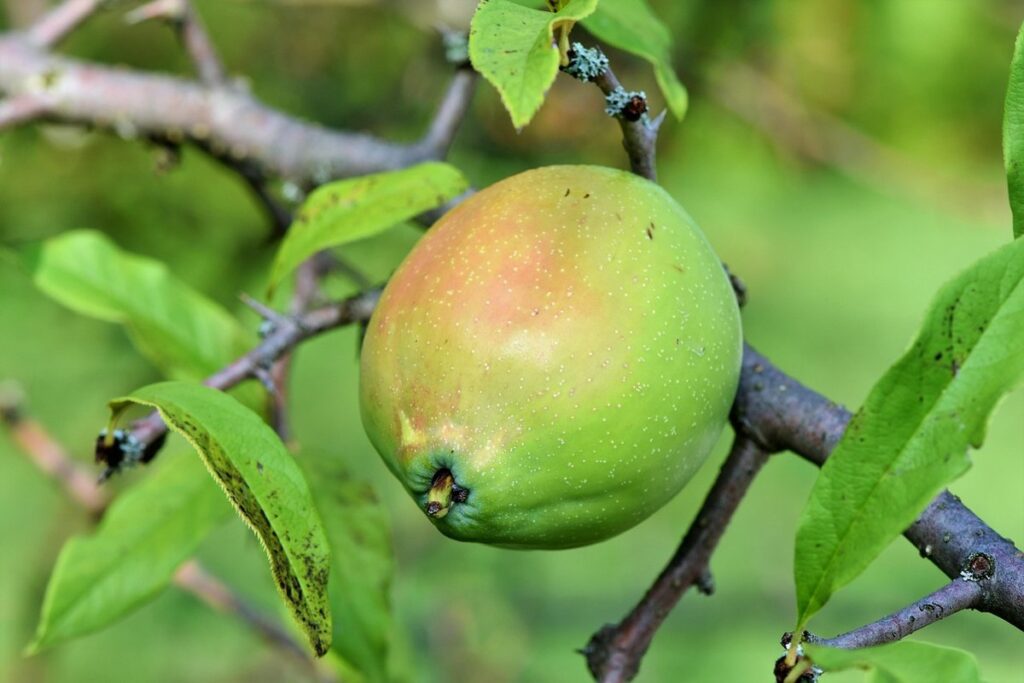
Flowering quince has been used for centuries in various culinary and medicinal applications beyond its ornamental value. The plant’s fruit, flowers, and leaves are all edible and offer a range of uses.
In traditional Asian cuisine, the fruit is often pickled or used in jams and preserves. In Japan, it’s also made into a sweet paste called “ume”, which is served with rice or as a topping for noodles. The flowers can be used to make a fragrant syrup by simmering them in water and sugar.
The medicinal properties of flowering quince are well-documented, particularly in traditional Chinese medicine. The plant is said to have anti-inflammatory and antiseptic properties, making it useful for treating wounds and reducing pain. The bark and roots can be made into teas or infusions to aid digestion and relieve stress.
To incorporate flowering quince into your cooking or herbal remedies, start by harvesting the fruit when ripe. Simply chop them up and add them to your favorite recipe. For medicinal uses, you’ll need to dry the flowers or leaves first to preserve their potency.
Common Pests and Diseases
As you nurture your flowering quince, it’s essential to be aware of the common pests and diseases that can affect its health and beauty. This includes issues like aphids, mealybugs, and powdery mildew.
Identifying Common Issues (Spider Mites, Powdery Mildew, etc.)
As you nurture and care for your flowering quince, it’s essential to be aware of potential threats that could impact its health. Common pests and diseases can quickly spread and cause irreversible damage if left unattended. One of the most notorious pests affecting flowering quince is spider mites. These tiny arachnids feed on plant sap, causing yellowing or bronzing leaves and fine webbing on the undersides of leaves.
Another common issue is powdery mildew, a fungal disease that manifests as a white, powdery coating on leaves and stems. Inspect your quince regularly for these signs, especially during periods of high humidity and warm temperatures. To prevent infestations, ensure good air circulation around the plant, and avoid overwatering, which can create an ideal environment for pests and diseases to thrive.
If you do encounter powdery mildew or spider mites, treat the affected areas with a fungicide or insecticidal soap specifically labeled for use on flowering quince. Prune infected branches promptly to prevent further spread, and consider repotting your quince in well-draining soil to discourage the growth of fungal diseases.
Prevention Strategies and Organic Solutions
When it comes to maintaining the health and beauty of your flowering quince, preventing infestations and infections is crucial. To avoid attracting unwanted pests and diseases, make sure to provide your plant with a few essential care basics.
Firstly, ensure your flowering quince receives well-draining soil to prevent waterlogged conditions that can lead to root rot and other issues. Regular pruning will also help keep the plant’s shape in check, reducing the likelihood of branch breakage and subsequent entry points for pests.
Some common pests you may encounter include aphids, spider mites, and scale insects. To control these infestations organically, try spraying your quince with a mixture of water and mild dish soap. This gentle approach will help deter pests without exposing your plant to harsh chemicals.
As for organic treatments, consider introducing beneficial insects like ladybugs or lacewings into your garden ecosystem. These natural predators will work to control pest populations, keeping your flowering quince healthy and thriving.
Conclusion
As we conclude our comprehensive guide to flowering quince, I hope you now see this beautiful shrub in a new light. With its stunning flowers and robust growth habit, it’s no wonder why flowering quince has become a favorite among gardeners. From its ability to thrive in challenging conditions to its vibrant blooms that attract pollinators and wildlife, flowering quince is truly a versatile and captivating plant. By incorporating this shrub into your garden design, you’ll not only add a pop of color but also create a haven for local wildlife. Whether you’re a seasoned gardener or just starting out, I encourage you to give flowering quince a try – I’m confident you won’t be disappointed!
Frequently Asked Questions
Can I grow flowering quince in a container or does it require full sun?
While flowering quince prefers well-draining soil and full sun, you can still grow it in containers as long as they’re at least 12-18 inches deep to accommodate the shrub’s root system. However, keep in mind that containers may require more frequent watering and fertilization to ensure optimal growth.
What is the best time to prune flowering quince for maximum blooms?
The best time to prune flowering quince depends on your climate and region. In general, it’s recommended to prune immediately after blooming in spring, as this will help maintain the shrub’s shape and encourage new growth. If you live in an area with cold winters, you can also prune in late winter or early spring.
How do I propagate flowering quince using cuttings?
To propagate flowering quince using cuttings, take 4-6 inch stem sections from current seasons’ growth in summer. Remove lower leaves and dip the cut end into rooting hormone powder. Plant the cutting in well-draining potting mix and water thoroughly. Keep the soil consistently moist but not waterlogged until roots develop.
What are some common pests that target flowering quince, and how can I prevent them?
Common pests that target flowering quince include aphids, spider mites, and scale. To prevent infestations, maintain good garden hygiene by removing weeds and debris, which can harbor these pests. Regularly inspect your plants for signs of damage or eggs. Use organic solutions like neem oil or insecticidal soap to control infestations.
Can I use flowering quince in cut flower arrangements, and what are some tips for harvesting blooms?
Yes, flowering quince makes an excellent addition to cut flower arrangements due to its vibrant color and long vase life. To harvest blooms, wait until the flowers have fully opened, then snip them off at the stem using sharp pruning shears or scissors. Trim the stems at an angle to promote water uptake and prevent the stems from sitting flat in vases.