
Faba beans are an incredibly versatile legume that has been gaining attention in recent years for their impressive nutritional profile, culinary uses, and environmental benefits. Whether you’re a health-conscious foodie or an environmentally aware consumer, it’s essential to understand the advantages of incorporating faba beans into your diet and lifestyle.
In this comprehensive guide, we’ll delve into the world of faba beans, exploring their unique characteristics, nutritional profiles, and the various ways they can be used in cooking. From soups and stews to salads and burgers, we’ll examine the culinary applications of faba beans and highlight their potential as a sustainable food source. We’ll also discuss the challenges and future prospects of faba bean cultivation, giving you a complete understanding of this remarkable legume.
What is a Faba Bean?
Let’s start at the beginning: what exactly is a faba bean, and where does it come from? We’ll dive into the basics of this incredible legume.
Defining the Faba Bean
A faba bean is a type of legume that belongs to the genus Vicia. Its botanical name is Vicia faba, and it’s closely related to other common legumes such as lentils, chickpeas, and peas. In fact, faba beans are part of the Fabaceae family, which includes over 19,000 species of flowering plants.
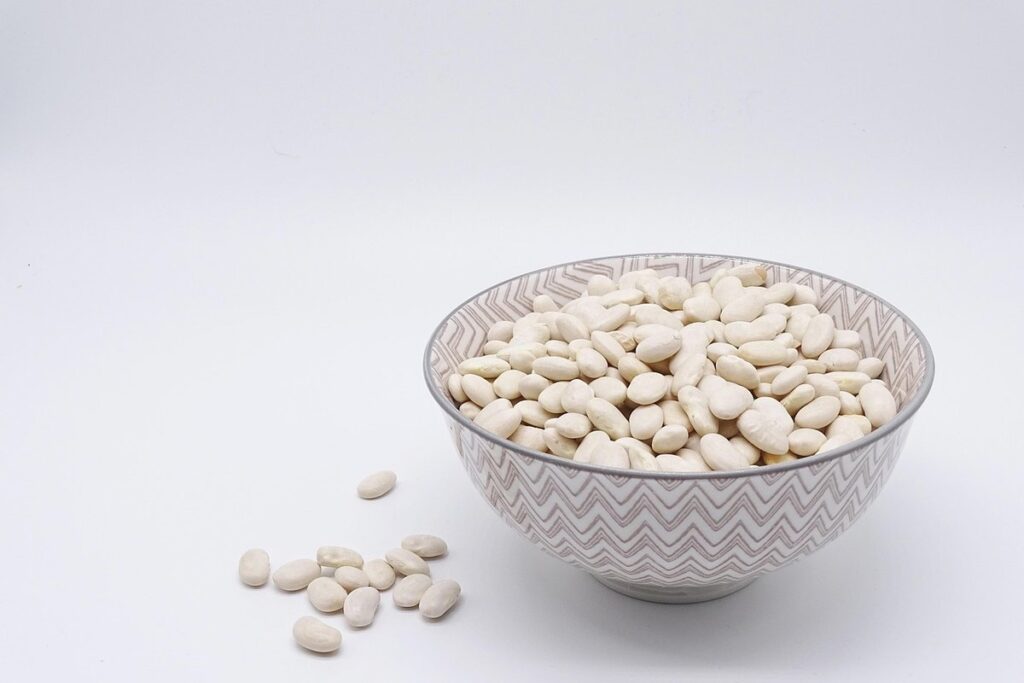
Faba beans are native to the Mediterranean region and have been a staple crop in many parts of the world for thousands of years. They’re an annual legume that grows up to 3 feet tall, with blue-violet flowers that turn into pods containing two to five seeds each. The seeds themselves are oval-shaped and brown or tan in color.
One of the key characteristics of faba beans is their ability to fix nitrogen from the air into the soil, making them a valuable crop for sustainable agriculture. This process is made possible by the presence of rhizobia bacteria in the plant’s roots, which form a symbiotic relationship with the bean to convert atmospheric nitrogen into a form that can be used by the plant.
This unique property makes faba beans an attractive crop for farmers looking to reduce their reliance on synthetic fertilizers and improve soil fertility. By incorporating faba beans into rotation cycles, gardeners can create a more balanced ecosystem that promotes healthy plant growth and minimizes environmental impact.
History of Faba Beans in Agriculture
Faba beans have been an integral part of human agriculture for thousands of years. The earliest evidence of faba bean cultivation dates back to ancient Egypt around 2000 BCE. They were considered a staple crop, providing protein-rich food for the population. In ancient Greece and Rome, faba beans were used as a primary source of nitrogen-fixing fertilizers, enhancing soil fertility.
Their importance in modern agriculture cannot be overstated. Faba beans are one of the top legume crops worldwide, with many countries relying on them for food security and environmental sustainability. They are an excellent crop rotation option, helping to replenish depleted soils, reduce erosion, and increase crop yields. In fact, studies have shown that faba beans can improve soil fertility by up to 20%, making them an attractive choice for farmers.
Today, faba beans continue to play a vital role in agricultural production, offering numerous benefits for both the environment and human consumption.
Nutritional Profile and Health Benefits
When it comes to the health benefits of faba beans, let’s dive into their impressive nutritional profile and how they can positively impact our bodies.
Protein Content and Quality
Faba beans are an exceptional source of protein for vegetarians and vegans, boasting a whopping 26-30% protein content by weight. This is significantly higher than many other plant-based protein sources like chickpeas (19%), lentils (18%), and tofu (20%). But what sets faba beans apart is their unique amino acid profile.
Their essential amino acids include lysine, which is crucial for growth and development, as well as a well-balanced ratio of methionine to cysteine. This makes them an excellent complement to other plant-based protein sources that are often lacking in one or more of these essential amino acids. For instance, combining faba beans with quinoa or brown rice would provide all the necessary amino acids for optimal protein utilization.
When choosing between different types of faba beans, consider the variety’s specific nutrient profile and how it will fit into your overall diet. Some varieties may have higher levels of certain essential amino acids, so select accordingly to ensure you’re getting the most nutritional benefits from this incredible legume.
Fiber and Micronutrient Content
Faba beans are an excellent source of dietary fiber, containing both soluble and insoluble fiber. A 1-cup serving of cooked faba beans provides approximately 16 grams of fiber, which can help regulate bowel movements and support healthy digestion. This is particularly beneficial for individuals with constipation or those who are looking to increase their fiber intake.
In addition to fiber, faba beans are rich in essential minerals like potassium, magnesium, and iron. These minerals play a crucial role in maintaining healthy blood pressure, bone density, and red blood cell production. For instance, potassium content in faba beans can help lower blood pressure by counteracting the effects of sodium. Iron from faba beans is also vital for individuals with iron deficiency anemia.
Faba beans are also a good source of various B vitamins, including thiamin, folate, and riboflavin. Thiamin helps convert carbohydrates into energy, while folate supports cell growth and division. The combination of fiber, minerals, and vitamins in faba beans makes them an excellent addition to a balanced diet.
A study published in the Journal of Agricultural and Food Chemistry found that faba bean extracts exhibit antioxidant properties, which can help protect against oxidative stress and inflammation in the body. To reap the benefits of faba beans, simply add them to your meals, such as soups, stews, or salads.
Culinary Uses and Recipes
When it comes to cooking with faba beans, the possibilities are endless. From hearty stews and soups to crispy falafels and flavorful salads, we’ll explore their delicious culinary applications.
Traditional Faba Bean Dishes
Faba beans have been an integral part of traditional cuisine around the world for centuries. In Egypt, for instance, fava bean falafel is a popular street food made by deep-frying ground faba beans mixed with spices and herbs. This crispy, flavorful snack is often served in pita bread with tahini sauce.
In Ethiopia, the fava bean is used to make misir wot, a spicy red lentil stew that’s rich in protein and fiber. The recipe involves sautéing onions, garlic, ginger, and spices before adding ground faba beans and simmering the mixture until thick and flavorful. This hearty stew is often served with injera bread.
In some Middle Eastern countries, fava bean stews are a staple dish during special occasions and celebrations. These stews typically involve slow-cooking ground faba beans with aromatic spices, herbs, and sometimes meat or vegetables. The resulting dish is rich in nutrients and bursting with flavor.
You can experiment with these traditional recipes by substituting faba beans for other protein sources in your favorite dishes. For example, you could make a fava bean version of chili con carne or use ground faba beans as a substitute for lentils in curries.
Modern Recipes and Applications
Faba beans are no longer just a staple in traditional Middle Eastern cuisine. In recent years, they’ve become a favorite among chefs and home cooks alike due to their versatility and nutritional benefits. When it comes to modern recipes and applications, faba beans offer endless possibilities.
One of the most exciting uses for faba beans is in gluten-free flours. By grinding them into a fine powder, you can create delicious and nutritious flour blends perfect for baking bread, cakes, and pastries. Faba bean flour has become particularly popular among those with gluten intolerance or sensitivity. A great example is using it to make pizza crusts – the result is a crispy, flavorful base that’s both gluten-free and low on calories.
Another innovative application of faba beans is as plant-based meat alternatives. The high protein content and nutty flavor of faba beans make them an ideal substitute for ground beef or lamb in dishes like tacos or burgers. Faba bean “mince” can be seasoned and cooked just like traditional mincemeat, adding a boost of nutrition to your meals without sacrificing taste.
Incorporating faba beans into your cooking repertoire is easier than you think. Simply start by experimenting with small batches and adjusting seasoning to taste. You can also find pre-milled faba bean flours or pre-cooked faba bean “mince” in most health food stores or online. With a little creativity, the possibilities are endless – so why not give it a try?
Environmental Benefits and Sustainability
As we explore the many uses of the faba bean, let’s take a closer look at its positive impact on the environment and how it can be grown in a more sustainable way.
Soil Health and Nitrogen Fixation
Faba beans have a remarkable ability to contribute to soil health through nitrogen fixation. This process is especially beneficial for farmers who seek to reduce their reliance on synthetic fertilizers. By forming symbiotic relationships with Rhizobia bacteria, faba beans are able to convert atmospheric nitrogen into a usable form for plant growth.
This efficient use of nitrogen leads to increased crop yields and improved soil fertility. For example, studies have shown that faba bean crops can fix up to 120 kg/ha of nitrogen annually. This not only reduces the need for synthetic fertilizers but also helps to mitigate the environmental impacts associated with their production.
To harness the benefits of nitrogen fixation in your own garden or farm, consider incorporating cover crops like faba beans into your rotation. By doing so, you can create a more sustainable and resilient soil ecosystem that supports healthy plant growth without depleting finite resources.
Water Conservation and Efficient Irrigation
Faba beans are often touted as a drought-tolerant crop, which is one of its most significant advantages. According to various studies, faba beans require significantly less water compared to other major legumes like kidney beans or pinto beans. For instance, research has shown that faba bean cultivation requires around 1,300 mm of rainfall for optimal growth, whereas chickpeas and lentils need approximately 2,000-3,000 mm.
One effective way to manage irrigation in faba bean fields is through drip irrigation systems. By delivering water directly to the roots of the plants, this method reduces evaporation, runoff, and soil erosion – thus conserving precious water resources. To implement drip irrigation effectively:
* Ensure that the system is installed correctly to avoid clogging or leaks
* Monitor soil moisture regularly using tools like soil probes or sensors
* Adjust watering schedules according to weather conditions, such as rainfall or temperature
By adopting efficient irrigation management strategies like drip irrigation and conserving water in general, faba bean farmers can significantly reduce their environmental footprint while maximizing yields.
Challenges and Limitations in Production
While faba beans have numerous benefits, there are also some challenges and limitations that affect their production on a large scale. Let’s take a closer look at these issues together.
Climate Adaptability and Disease Resistance
In regions with challenging climate conditions, faba bean production is often hindered by factors such as extreme temperatures, droughts, and flooding. In the Mediterranean region, for instance, high temperatures during flowering can lead to reduced yields and lower quality beans. Similarly, in East Africa, faba bean crops are susceptible to drought stress, resulting in significant yield losses.
To address these challenges, researchers have been working on developing climate-resilient faba bean varieties. One such initiative is the development of “Heat-tolerant” faba bean lines, which can withstand temperatures above 35°C without compromising yields. For instance, a study conducted in Egypt found that one such variety showed improved yield and seed quality under heat stress conditions.
Another area of focus has been on enhancing disease resistance in faba beans. Common diseases like powdery mildew and rust can significantly impact crop yields. Researchers have identified genetic markers associated with disease resistance and are working on breeding programs to introduce these traits into commercial varieties.
Market Demand and Economic Viability
When considering faba bean production, it’s essential to examine the market demand and economic viability. Market demand for faba beans has been steadily increasing due to their high nutritional value and versatility in various food products. However, this growth is partly offset by competition from other crops such as soybeans and lentils.
The global market for legumes is projected to reach $23.6 billion by 2025, with the faba bean market expected to account for a significant share of this total. However, high production costs and fluctuating prices can make it challenging for farmers to remain profitable. To mitigate these risks, it’s crucial for producers to stay informed about market trends and adjust their pricing strategies accordingly.
For instance, in regions where faba beans are widely cultivated, such as Africa and the Middle East, they are often used as a cheap protein source. In contrast, in Western markets, they are valued for their high nutritional content and are sold at a premium price. By understanding these market dynamics, producers can better position themselves to capitalize on opportunities and ensure the long-term viability of faba bean production.
Future Prospects and Research Directions
As we explore the incredible potential of faba beans, let’s take a look at what the future holds for these versatile legumes in terms of research and applications.
Emerging Technologies in Faba Bean Production
In recent years, significant advancements have been made in various emerging technologies that hold great promise for improving faba bean production. One such area is precision agriculture, which involves using data and analytics to optimize crop yields, reduce waste, and minimize environmental impact. This technology can help farmers identify areas of their fields where faba beans are most likely to thrive, allowing them to apply targeted inputs like water and fertilizers.
Genomics is another field that has seen rapid progress in recent times. By studying the genetic makeup of faba beans, researchers have identified genes associated with desirable traits such as drought tolerance and disease resistance. This knowledge can be used to develop new crop varieties that are better equipped to withstand environmental stresses.
Biotechnology is also being explored for its potential to improve faba bean production. Techniques like gene editing and marker-assisted selection can be used to introduce beneficial genes into crops, reducing the need for pesticides and other chemicals. These emerging technologies offer exciting possibilities for improving faba bean yields and reducing disease pressure on farmers, ultimately contributing to a more sustainable food system.
Potential Applications in Animal Feed and Biofuel
Faba beans are gaining traction as a sustainable feedstock for animal nutrition due to their high protein content and ability to thrive in challenging environments. As the world grapples with meeting the nutritional needs of a growing population, faba beans offer an attractive solution. For instance, studies have shown that incorporating faba bean meal into poultry feed can improve egg production and enhance the nutritional profile of eggs.
In addition to their animal feed potential, faba beans are also being explored as a bioenergy crop. Their high starch content makes them an excellent candidate for converting into ethanol or other biofuels. In fact, a recent study in Europe found that faba bean biomass can be converted into bioethanol with yields comparable to those of corn and sugarcane.
The benefits of using faba beans as a feedstock are numerous. Not only do they have a lower carbon footprint compared to traditional energy crops like corn or soybeans, but they also require less water and land use. Moreover, faba bean residues can be used as compost, reducing waste and promoting soil health.
As researchers continue to explore the potential of faba beans in animal feed and bioenergy production, several challenges need to be addressed. These include improving crop yields, developing efficient processing technologies, and creating value chains that benefit local communities. By overcoming these hurdles, faba beans can become a game-changer for sustainable agriculture and energy production.
To tap into the potential of faba beans in animal feed and bioenergy, farmers and researchers can explore various strategies. These include adopting integrated crop-livestock systems, investing in precision agriculture technologies, and collaborating with industry partners to develop new products and markets. By working together, we can unlock the full benefits of this versatile legume and create a more sustainable food system for generations to come.
As consumers become increasingly aware of the environmental impact of their food choices, faba beans are poised to gain popularity as a sustainable protein source. With their rich nutritional profile, versatility in cooking, and potential as a bioenergy crop, it’s no wonder that faba beans are being hailed as one of the next big things in sustainable agriculture.
Frequently Asked Questions
Can I grow faba beans in my backyard, or do they require large-scale commercial farming?
Faba beans can be grown on a small scale, making them a great option for home gardeners or urban farmers. They are relatively easy to cultivate and can thrive in a variety of conditions. However, it’s essential to note that faba beans have specific soil and climate requirements, so make sure you research the best practices for growing them in your area.
How do I store faba beans after harvesting, and how long do they remain edible?
Proper storage is crucial to maintaining the nutritional value and flavor of faba beans. Store them in a cool, dry place with good ventilation to prevent moisture buildup. You can also freeze or dehydrate them for longer-term storage. Faba beans typically retain their quality for 6-12 months when stored properly.
What are some common pests or diseases that affect faba bean crops?
As with any crop, faba beans can be susceptible to certain pests and diseases. Common issues include aphids, whiteflies, and spider mites, as well as fungal infections like powdery mildew and root rot. Regular monitoring and integrated pest management techniques can help mitigate these risks.
Can I use faba beans in place of other legumes, such as lentils or chickpeas, in recipes?
Faba beans have a unique texture and flavor compared to other legumes, so it’s best to experiment with them separately. However, they can be used in similar dishes, like stews, soups, and salads. Start by substituting 1:1 in a recipe and adjust seasoning accordingly.
Are there any potential allergens or sensitivities associated with consuming faba beans?
While faba beans are generally considered hypoallergenic, some individuals may experience mild digestive issues due to their high fiber content. People with sensitive stomachs should introduce faba beans gradually into their diet and monitor for any adverse reactions.