
The artichoke flower is one of those hidden gems in the world of botany, and for good reason. Not only does its unique appearance make it a stunning addition to any garden or indoor space, but it also boasts an impressive array of culinary, ornamental, and even health benefits. If you’re new to the artichoke plant, you might be wondering what makes its flowers so special – from their delicate purple hue to their edible petals, there’s more to these blooms than meets the eye. In this comprehensive guide, we’ll delve into the world of artichoke flowers, exploring their characteristics, uses, and advantages in detail. Whether you’re a gardener looking for new inspiration or a health enthusiast seeking out natural remedies, this article has something for everyone – so let’s dive in and discover the magic of the artichoke flower together!
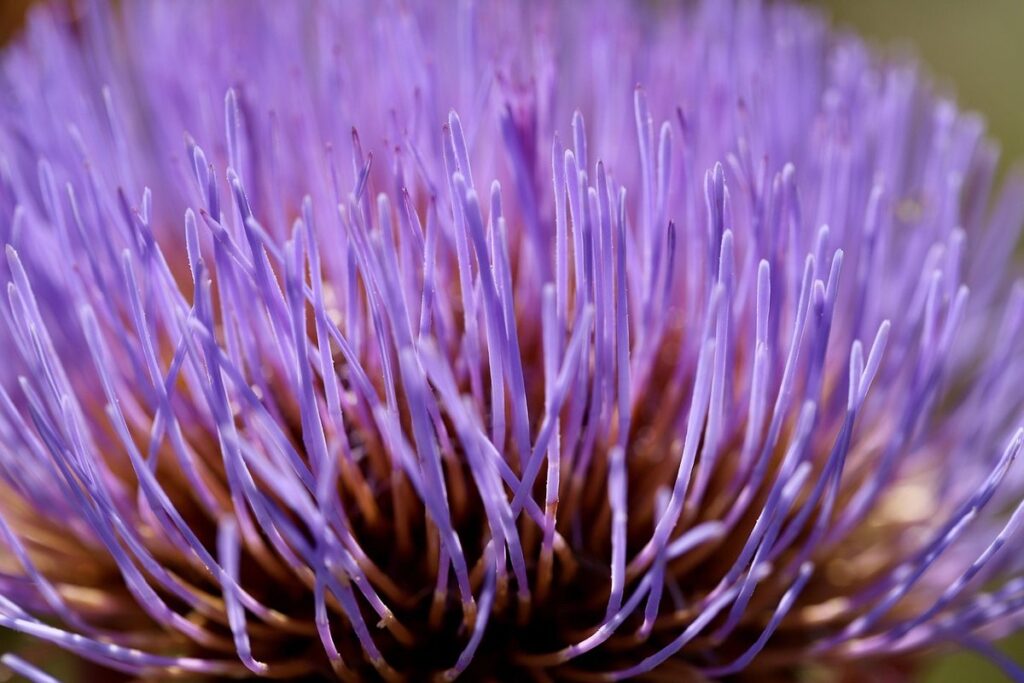
What is an Artichoke Flower?
At its core, the artichoke flower is a fascinating and unique part of the plant that’s often misunderstood. Let’s take a closer look at what exactly it is.
What is an Artichoke?
An artichoke is not just a tasty vegetable you enjoy as part of your meals. It’s also the edible flower bud of a thistle-like plant, scientifically known as Cynara scolymus. This perennial flowering plant is native to the Mediterranean region and has been cultivated for its flowers for over 2,000 years.
From a botanical standpoint, artichokes are classified as a type of composite flower, meaning that they consist of multiple florets that resemble tiny flowers. Each floret develops from the inside out, starting with the immature “button” stage and gradually growing into the more developed bud we commonly see in markets. Artichoke buds can range in color from pale green to deep purple, depending on their ripeness and variety.
In terms of physical characteristics, artichokes are typically round or oval-shaped, measuring between 3-6 inches (7-15 cm) in diameter. Their stems are sturdy and woody, with coarse leaves that are actually modified scales called bracts. These bracts protect the delicate florets inside and provide a tough exterior that’s easy to remove before enjoying the tender buds within. When purchasing artichokes, look for firm, compact buds with no signs of browning or wilted leaves.
Types of Artichokes
When it comes to artichokes, you’ll often find them categorized into three main types: globe artichokes, baby artichokes, and artichoke hearts. Understanding these variations can help you make the most of this versatile flower.
Globe artichokes are perhaps the most well-known type, characterized by their round shape and tough, fibrous exterior. They’re the ones you usually find in supermarkets and are perfect for steaming or roasting. When selecting globe artichokes, look for firm, compact buds with tightly closed scales. These will yield the best flavor and texture.
Baby artichokes, on the other hand, are harvested before they reach full maturity and have a milder taste than their larger counterparts. They’re ideal for adding to salads or pasta dishes where you want the subtle sweetness of artichoke without its bitterness. To prepare baby artichokes, simply trim the stems, remove any tough leaves, and soak them in water to prevent browning.
Artichoke hearts are another popular type that’s often pre-cooked and packed in jars. They’re a convenient option for adding flavor to dips or spreads, but keep in mind that they may contain preservatives. When shopping for artichoke hearts, opt for brands that use minimal processing and no added sodium. With these three types of artichokes under your belt, you’ll be well on your way to experimenting with this delicious flower in the kitchen!
Characteristics of the Artichoke Flower
The artichoke flower is a unique and fascinating part of the plant, characterized by its delicate purple hue and intricate details. Let’s take a closer look at what makes it so special.
Structure and Appearance
The artichoke flower’s structure and appearance are just as unique as its culinary uses. When it comes to its physical characteristics, you’ll notice that the petals of the artichoke flower are not actually petals at all, but rather modified leaves called bracts. These bracts serve as a protective covering for the delicate inner flowers.
At the center of the artichoke flower lies the true flower, surrounded by a cluster of tiny, yellow stamens. This is where the magic happens – it’s here that the plant produces its reproductive cells and begins the process of setting seeds.
The leaves of the artichoke plant are quite distinctive as well, with thick, fleshy stems and sharp, pointy tips. They’re also a deep green color, which provides excellent camouflage in the wild. As you examine an artichoke flower, take note of how its structure is designed for protection – every part serves a purpose, from the prickly exterior to the delicate inner flowers.
In fact, the artichoke plant’s unique appearance is one reason why it’s so prized by gardeners and chefs alike. Its intricate details make it a true showstopper in any garden or kitchen.
Colors and Variations
The artichoke flower comes in a variety of colors, adding visual interest to gardens and arrangements. The most common color is purple, ranging from light lavender hues to deep plum tones. This majestic color is often associated with luxury and elegance, making it a popular choice for wedding bouquets and high-end floral designs.
Green artichoke flowers are also widely available, offering a refreshing contrast to the richness of their purple counterparts. These delicate blooms can add a touch of whimsy and sophistication to any arrangement. Some artichokes even exhibit bi-colored or tri-colored patterns, featuring intricate combinations of purple, green, pink, yellow, and white hues.
When selecting an artichoke flower for your garden or arrangements, consider the color scheme you’re aiming to achieve. If you want a dramatic statement piece, go for a deep, rich purple. For a more subtle look, opt for a green artichoke. And if you’re feeling adventurous, try pairing bi-colored blooms with complementary colors like gold or silver accents.
Artichoke flowers are available in various shades and combinations, allowing you to experiment with unique color palettes and arrangements that reflect your personal style.
Uses for Artichoke Flowers
You might be surprised at all the creative ways you can use artichoke flowers, from adding a pop of color to your garden arrangements to making a delicious edible garnish. Let’s explore some of our favorite uses for these beautiful blooms.
Culinary Uses
In culinary contexts, artichoke flowers can be used as a vegetable, added to salads, and even employed as a garnish. When cooked, the delicate petals of the flower have a sweet, slightly bitter taste that pairs well with Mediterranean-inspired dishes.
Artichoke flowers can be prepared in various ways depending on the recipe or desired texture. For instance, they can be sautéed, steamed, or blanched to retain their crunchy texture and vibrant color. To add them to salads, simply chop the flower petals into bite-sized pieces and toss with your favorite greens, dressing, and toppings.
One of the most creative ways to use artichoke flowers is as a garnish. Their delicate appearance and subtle flavor make them an elegant addition to high-end dishes or special occasions. Simply place a single petal on top of a perfectly plated dish for a touch of whimsy and sophistication.
Remember, when using artichoke flowers in cooking, choose fresh, vibrant blooms with tightly closed buds for the best results.
Ornamental Uses
Artichoke flowers are a versatile and stunning addition to any floral arrangement or decorative element. Their unique shape, color, and texture make them an attractive choice for various ornamental uses. In the floral design world, artichoke flowers are often used as a focal point or accent piece due to their striking appearance.
When it comes to using artichoke flowers in arrangements, consider pairing them with other seasonal blooms like roses, peonies, and hydrangeas. This combination will add depth and visual interest to any bouquet or centerpiece. For a more dramatic look, try grouping multiple artichoke flowers together or combining them with greenery like eucalyptus and ferns.
Artichoke flowers can also be used as a decorative element in their own right. Simply place a few stems in a vase or container, and enjoy the beautiful display. You can also use them as a garnish for tables, mantels, or other surfaces. To maximize their ornamental value, choose artichoke flowers with bright colors and well-developed blooms.
Health Benefits of Artichokes
Artichokes are not only a delicious addition to your favorite recipes, but they also pack a punch when it comes to health benefits. We’ll explore some surprising advantages of incorporating artichokes into your diet.
Nutritional Value
Artichokes are often overlooked as a nutritional powerhouse, but they truly are a superfood. One of the key benefits of artichokes is their high fiber content, which can help lower cholesterol levels and regulate bowel movements. In fact, just one medium-sized artichoke provides about 7 grams of dietary fiber, making it an excellent addition to a weight loss diet or for those looking to improve their digestive health.
Artichokes are also rich in antioxidants, including silymarin and cynarin, which have been shown to have anti-inflammatory properties. These compounds can help protect against cell damage and reduce the risk of chronic diseases like heart disease, cancer, and neurodegenerative disorders. To reap the most nutritional benefits from artichokes, be sure to consume them raw or lightly cooked, as excessive heat can destroy some of these delicate compounds.
To incorporate more artichokes into your diet, try roasting them with olive oil and lemon juice for a delicious side dish, or add them to salads, soups, or pasta dishes. With their unique flavor and impressive nutritional profile, artichokes are definitely worth adding to your repertoire of healthy foods.
Potential Health Benefits
Artichokes have been prized for their potential health benefits for centuries, and it’s not hard to see why. Rich in fiber, vitamins, and minerals, these versatile vegetables (yes, they’re technically a veggie!) can provide numerous advantages when consumed as part of a balanced diet.
One key benefit is the ability to reduce inflammation. Artichokes contain a unique compound called cynarin, which has been shown to inhibit the production of pro-inflammatory enzymes in the body. This makes them an excellent addition for those looking to alleviate symptoms associated with conditions like arthritis or other inflammatory diseases. To reap this benefit, simply add artichokes to your meals 2-3 times a week.
Improved digestion is another advantage of incorporating artichokes into your diet. They’re high in dietary fiber, which can help regulate bowel movements and prevent constipation. Artichokes also contain prebiotic properties that feed the good bacteria in the gut, promoting a healthy balance of gut flora. To harness this benefit, try making an artichoke and lemon salad with olive oil dressing – a delicious and easy way to get your daily dose.
Incorporating artichokes into your diet can have numerous benefits when consumed regularly.
Growing and Caring for Artichoke Flowers
Now that you have artichoke flowers blooming, it’s essential to know how to care for them properly. This includes nurturing them through each stage of growth and addressing any potential issues.
Climate and Soil Requirements
Artichokes require specific climate and soil conditions to thrive. When it comes to temperature, they prefer a Mediterranean-like climate with mild winters and cool summers. In regions with frost, artichoke flowers typically don’t perform well. For optimal growth, temperatures between 40°F and 70°F (4°C and 21°C) are ideal.
In terms of soil requirements, artichokes do best in well-draining, fertile soil with a pH between 6.5 and 7.5. If your soil is heavy clay or sandy, mix in compost to improve its structure. Artichoke flowers also benefit from regular watering, but make sure the soil isn’t waterlogged, as this can lead to root rot.
When planting artichokes, choose a spot with full sun to partial shade and ensure good air circulation around the plants. Avoid areas prone to strong winds or frost pockets, which can damage the delicate buds. By meeting these climate and soil requirements, you’ll be well on your way to growing healthy, vibrant artichoke flowers that will bloom beautifully for years to come.
Planting and Maintenance Tips
When it comes to growing artichoke flowers, proper planting and maintenance are crucial for their health and productivity. To begin with, choose a location that receives full sun to partial shade, depending on the climate you’re in. Artichokes prefer well-drained soil, so if your area tends to be wet, make sure to plant them on a slight mound or raised bed.
For optimal growth, fertilize your artichoke flowers once a month with a balanced fertilizer, such as 10-10-10 NPK. You can also add compost tea or worm casting to provide essential micronutrients. Pruning is another vital aspect of maintaining artichokes. Remove any dead or damaged leaves, and cut back the flower stalks after they’ve bloomed to encourage new growth.
Keep in mind that artichokes are heavy feeders, so be sure to mulch around them to retain moisture and suppress weeds. Water your plants regularly, but avoid overwatering, which can lead to root rot and other issues. With proper care, you should see a healthy and thriving artichoke plant producing beautiful flowers for years to come.
Cultural Significance of Artichokes
Artichokes have been a symbol of good fortune and prosperity in many cultures, playing a significant role in traditional cuisine and celebrations. Let’s explore their fascinating cultural significance together!
Historical Use
Artichokes have been a significant part of human cuisine for thousands of years. In ancient Greece and Rome, artichokes were considered a delicacy and were served at banquets. The Greeks prized the thistle-like plant for its sweet-tasting buds, which they would pick when immature to eat raw or cooked. The Roman naturalist Pliny the Elder described the artichoke as “a flower that is edible” in his book “Naturalis Historia”.
In ancient Italy, artichokes were a staple ingredient in many dishes. The Italian Renaissance saw a resurgence of interest in artichokes, with chefs like Bartolomeo Scappi featuring them prominently in their cookbooks. Artichokes continued to be an important food source in Europe through the Middle Ages and beyond.
Interestingly, artichokes were also used as a medicinal herb by ancient Greeks and Romans. They believed that the plant had healing properties and used it to treat ailments such as indigestion and insomnia. Today, while we still enjoy artichokes for their flavor and nutritional value, many of these historical uses have been lost to time.
In modern times, artichoke cultivation has expanded beyond Europe to other parts of the world, including North Africa, China, and the Americas. With improved farming techniques and increased availability, artichokes are now enjoyed in a wide range of dishes globally.
Symbolism and Associations
In many cultures, artichokes are associated with wealth and good fortune. This symbolism is rooted in their historical connection to the Mediterranean region, where they were a prized crop among the wealthy. In ancient Greece and Rome, artichokes were considered a delicacy and were often served at special occasions.
The association with wealth extends beyond mere culinary indulgence. Artichokes are also seen as a symbol of prosperity and good luck in many cultures. For example, in Italy, it’s customary to serve artichoke hearts as an appetizer on New Year’s Eve, believed to bring good fortune for the coming year. In some African cultures, artichokes are used in traditional medicine to promote fertility and wealth.
When it comes to incorporating artichokes into your own life, consider their symbolic significance. Use them as a garnish or centerpiece at special occasions, such as weddings or anniversaries, to add a touch of good fortune to the celebration. You can also try growing your own artichoke plant in your garden, a tangible representation of wealth and prosperity.
Frequently Asked Questions
How do I propagate artichoke flowers for continuous blooms?
Propagation is a simple process that involves dividing the plant’s offsets or root cuttings, which can be done during the dormant season. To encourage continuous blooming, ensure your artichokes receive full sun and have well-draining soil with a slightly acidic pH (around 6.0-7.0). You can also trim back flower stalks after harvesting to promote new growth.
Can I grow artichoke flowers indoors or in containers?
Yes! Artichoke flowers can thrive in containers, provided they receive enough light and are kept consistently moist. Choose a container with good drainage and a minimum depth of 12-18 inches to accommodate the plant’s taproot. Keep in mind that indoor plants may require more frequent watering due to reduced evaporation.
What are some common pests or diseases affecting artichoke flowers?
Artichokes can be susceptible to pests like aphids, whiteflies, and spider mites. Regularly inspect your plants for signs of infestation, and use organic controls like neem oil or insecticidal soap when necessary. As for diseases, watch out for powdery mildew, botrytis, and root rot; maintain good air circulation, water management, and crop rotation to prevent these issues.
Can I eat the entire artichoke flower, including the petals?
While the fleshy base of the artichoke flower bud is edible, not all parts are safe for consumption. The delicate purple petals and inner florets can be used in salads or as a garnish, but avoid eating the coarse outer leaves, as they may cause digestive issues.
How long does it take to harvest artichoke flowers after planting?
The time to harvest depends on factors like climate, soil quality, and variety. Generally, you can expect to harvest artichokes 6-8 months after sowing seeds or transplanting seedlings. Keep in mind that the flower buds will mature over several weeks, so plan accordingly for regular harvesting.