
Are you tired of feeling burnt to a crisp after a day in the sun, or struggling with dry, damaged hair? Well, you’re not alone! We’ve all been there, and that’s where aloe babies come in – the miracle workers for our skin and locks. Aloe vera is no stranger to its incredible benefits, but what about aloe babies specifically designed for sensitive skin and hair care needs? From soothing sunburns to promoting healthy hair growth, these gentle products are a game-changer. But with so many options out there, it can be overwhelming to choose the right one for you. That’s why we’re here to help – in this article, we’ll break down everything you need to know about incorporating aloe babies into your skincare routine and choosing the best product for your needs.
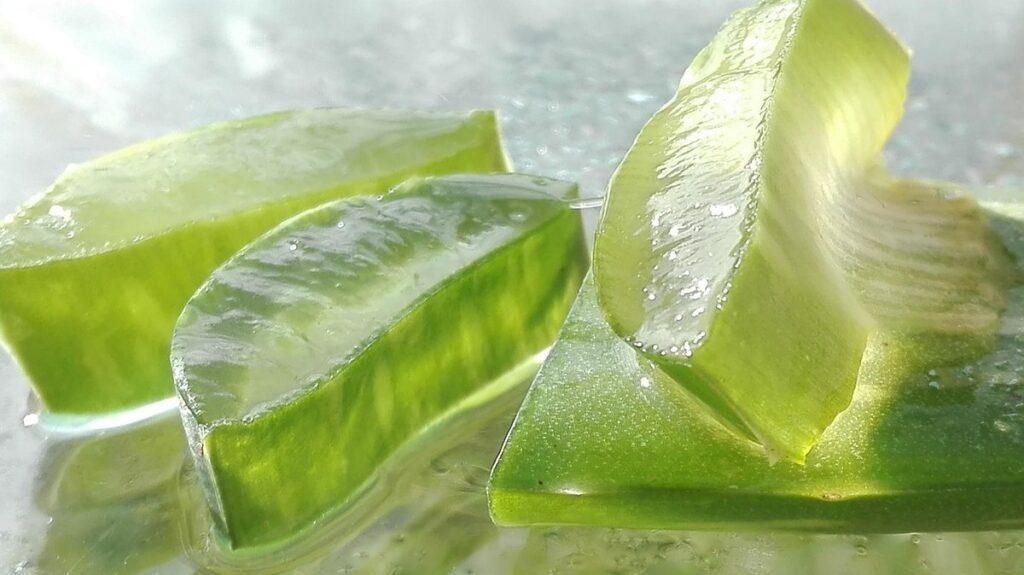
What are Aloe Babies?
So, you might be wondering what exactly aloe babies are – don’t worry, we’re starting from the beginning to give you a solid foundation on these amazing little plants. Let’s dive into what makes an aloe baby unique!
Definition and Explanation
Aloe babies are a unique type of aloe vera product that has gained popularity in recent years due to their distinct properties and benefits. Botanically known as Aloe brevifolia, aloe babies belong to the same genus as the popular aloe vera plant but have several key differences.
One of the main distinctions between aloe babies and other aloe vera products is their lower concentration of aloin, a compound that can be irritating to some skin types. Aloe babies typically contain less than 0.1% aloin, making them an excellent option for those who are sensitive or prone to redness.
In comparison to standard aloe vera gel, aloe babies have a thicker, more viscous texture and a more delicate flavor. This makes them ideal for use in cooking and skincare products where a gentle, soothing ingredient is desired. Additionally, aloe babies are often harvested from mature plants, which allows for a more efficient extraction process and higher quality end product.
When shopping for aloe babies, look for products that have been certified organic or sustainably sourced to ensure you’re getting the best possible product.
History and Origins
Aloe vera has been a staple in traditional medicine and skincare for centuries. Its origin dates back to ancient Egypt, where it was revered for its healing properties and used extensively in cosmetics and pharmaceuticals. The Egyptians prized aloe vera for its ability to soothe sunburned skin, reduce inflammation, and promote wound healing.
As civilizations rose and fell, the use of aloe vera spread throughout the world. In India, it was considered a sacred plant, used not only for medicinal purposes but also in Ayurvedic rituals. The ancient Greeks and Romans valued its anti-inflammatory properties and used it to treat skin conditions such as acne and eczema.
Today, aloe vera is still a key ingredient in many skincare products, including aloe babies. This gentler, more diluted form of aloe vera has become increasingly popular due to its ease of use and versatility. Whether applied topically or added to bathwater, aloe babies offer a soothing and calming experience for the skin, making it an ideal addition to any self-care routine.
Types of Aloe Babies: Differences and Similarities
As you continue exploring the wonderful world of aloe babies, let’s dive into the different types that exist, each with their unique characteristics and benefits. From spotted aloes to Christmas carols, we’ll break down the main varieties.
Hydrogel vs. Gel-Formed Aloe Babies
When it comes to choosing an Aloe Baby, you may come across two common types: hydrogel-based and gel-formed. While both can provide the same soothing benefits, they differ significantly in texture, consistency, and absorbency properties.
Hydrogel-based Aloe Babies are made from a mixture of water and polymers that create a soft, flexible, and slightly firmer texture compared to their gel-formed counterparts. This unique blend allows for excellent moisture retention and absorption rates, making it ideal for sensitive skin types. For instance, using a hydrogel-based Aloe Baby after shaving can provide long-lasting hydration and soothe irritation.
On the other hand, gel-formed Aloe Babies are made from pure Aloe Vera gel that’s been processed to create a firmer and more gel-like consistency. While they may not retain moisture as effectively as their hydrogel counterparts, they still offer impressive cooling properties, making them perfect for use on sunburns or minor burns.
When deciding between the two, consider your skin type and needs. If you have sensitive skin or require intense hydration, a hydrogel-based Aloe Baby might be the better choice. However, if you’re looking for a more traditional gel-like experience with excellent cooling properties, a gel-formed Aloe Baby could be the way to go.
Organic and Non-Organic Options
When it comes to choosing an aloe baby product, one of the most important decisions is whether to opt for organic or non-organic options. While both types have their benefits and drawbacks, understanding the differences can help you make an informed decision.
Organic aloe baby products are made from aloe vera that has been grown without the use of pesticides, synthetic fertilizers, or genetically modified organisms (GMOs). This means that these products are free from harsh chemicals that can irritate your baby’s sensitive skin. Organic aloe is also rich in antioxidants and other nutrients that promote healthy skin and wound healing.
Non-organic aloe baby products, on the other hand, may contain added ingredients like fragrances, dyes, or preservatives that can be irritating to your baby’s skin. These products are often cheaper and more widely available than their organic counterparts.
If you’re considering choosing an organic aloe baby product, look for certifications like USDA Organic or NATRUE, which ensure that the product meets strict standards for organic ingredients and production processes. Some popular brands offer affordable and effective organic options, making it easier to make the switch. By opting for organic, you can rest assured that your baby is getting the best possible care without exposing them to harsh chemicals.
Benefits for Skin Health and Care
Now that we’ve explored the various uses of aloe babies, let’s dive into how it can benefit your skin health and care, from soothing irritations to promoting hydration.
Moisturizing Properties
One of the most significant benefits of using aloe babies for skin care is its exceptional moisturizing properties. Aloe vera has natural humectant properties that help retain moisture in the skin, leaving it feeling soft and supple. This is especially beneficial during harsh weather conditions or after exposure to water, as it helps lock in moisture and prevent dryness.
Using aloe babies regularly can also reduce irritation and inflammation caused by dry skin. The anti-inflammatory compounds present in aloe vera soothe and calm the skin, making it an excellent solution for skin conditions like eczema and acne. To get the most out of aloe babies’ moisturizing properties, apply it immediately after bathing or showering while the skin is still damp. This helps lock in moisture and allows the skin to absorb the benefits more effectively.
Additionally, incorporating aloe babies into your daily skincare routine can promote overall skin health by improving elasticity and reducing fine lines and wrinkles. By maintaining healthy skin hydration levels, you’ll be better equipped to handle environmental stressors and maintain a radiant complexion.
Anti-Inflammatory Effects
When you’re dealing with sunburned skin, acne, or other inflammatory skin conditions, finding relief can be a challenge. That’s where aloe vera comes in – its anti-inflammatory properties make it an effective natural remedy for soothing and calming irritated skin.
Aloe vera contains compounds like aloin and aloe-emodin that have potent anti-inflammatory effects. These active ingredients work by reducing inflammation and promoting healing, making aloe vera a go-to solution for sunburns, acne, and other skin irritations. For example, studies have shown that applying aloe vera gel to sunburned skin can reduce redness and discomfort by up to 50% in just 72 hours.
To harness the anti-inflammatory power of aloe vera, you can apply it topically to affected areas or drink it as an internal supplement. When using it topically, look for products that contain at least 95% pure aloe vera gel and are free from artificial additives. For sunburns, apply a thin layer of aloe vera gel and reapply every few hours until symptoms subside. By incorporating aloe vera into your skincare routine, you can enjoy smoother, healthier-looking skin while reducing inflammation and promoting overall well-being.
Benefits for Hair and Scalp Health
Aloe vera is incredibly beneficial for your locks, soothing irritation, reducing dandruff, and promoting a healthy scalp. You’ll learn how to harness its power for hair and scalp wellness in this section!
Hydrating and Nourishing Properties
Aloe babies are renowned for their exceptional ability to provide long-lasting hydration and nourishment to both hair and scalp. One of the primary ways they do this is by locking in moisture deep within the strands, leaving them soft, silky, and manageable. For individuals with dry or damaged locks, using aloe vera-based products can significantly improve their texture and appearance.
In addition to hydrating properties, aloe babies have potent antifungal agents that help combat dandruff and other scalp irritations. By reducing inflammation and controlling fungal growth, users can enjoy a flake-free scalp and a healthier-looking mane. For optimal results, try massaging a generous amount of pure aloe vera gel into your scalp before washing it with a mild shampoo.
Moreover, the vitamins and minerals present in aloe babies – such as vitamin E, vitamin C, and beta-carotene – promote healthy hair growth by stimulating collagen production and strengthening follicles. To maximize these benefits, consider incorporating an aloe-based hair mask or deep conditioning treatment into your weekly routine.
Anti-Fungal and Antibacterial Effects
Using aloe vera to combat scalp infections and irritations is one of its most valuable benefits. Aloe baby’s anti-fungal and antibacterial properties make it an effective treatment for conditions like dandruff, itchiness, and flakiness on the scalp.
The soothing gel in aloe baby can help calm redness and inflammation associated with conditions such as psoriasis. Psoriasis is a chronic autoimmune condition that affects millions worldwide, causing thickened skin patches to develop on various parts of the body, including the scalp. By reducing inflammation and promoting healthy skin cell turnover, aloe vera may be able to alleviate some symptoms.
For those who experience recurring scalp infections or irritations, incorporating aloe baby into their hair care routine can be a game-changer. Simply massage a small amount onto your scalp before shampooing and rinse thoroughly for optimal results. Regular use of aloe vera may lead to healthier-looking locks and an overall improvement in scalp health.
To further enhance its effects, you can also pair aloe baby with other natural ingredients such as coconut oil or olive oil. These oils work synergistically with aloe vera to moisturize the scalp and promote overall hair growth, leaving your tresses soft, silky, and full of life.
Precautions and Potential Side Effects
Before using aloe babies, it’s essential to be aware of the potential risks involved. This section will guide you through common precautions and possible side effects associated with their use.
Allergies and Sensitivities
When using aloe babies on your baby’s skin, it’s essential to be aware of potential allergic reactions or sensitivities. While rare, some babies may experience an adverse reaction to the aloe vera gel or other ingredients present in aloe babies products.
Symptoms of an allergy or sensitivity can range from mild redness and irritation to more severe reactions such as hives, itching, or swelling. If you notice any unusual skin reactions after applying aloe babies, discontinue use immediately and consult your pediatrician for advice. In some cases, the reaction may be due to individual sensitivities rather than an allergy.
To minimize the risk of allergic reactions, start with a patch test: apply a small amount of aloe babies on a discreet area of skin (like behind the ear) and wait 24 hours for any adverse effects to manifest. If you experience no issues, proceed with using aloe babies as directed. Always follow the manufacturer’s guidelines and take note of any changes in your baby’s skin or behavior after using the product.
Interactions with Medications and Health Conditions
When using aloe vera on your skin, especially with aloe babies, it’s essential to be aware of potential interactions with certain medications and health conditions. This is particularly true for individuals with diabetes or high blood pressure.
For people taking oral hypoglycemic agents (e.g., metformin), using aloe vera topically can lower blood sugar levels even further. Conversely, individuals with hypoglycemia may experience low blood sugar symptoms when combining aloe vera with these medications. If you’re diabetic and plan to use aloe babies, consult your doctor before application.
Aloin, a compound found in aloe vera, can also interact with certain medications, including diuretics (e.g., furosemide) and beta-blockers (e.g., propranolol). These interactions may exacerbate low blood pressure symptoms or worsen heart failure. If you take any of these medications, inform your doctor about your aloe vera use.
It’s also crucial to note that individuals with kidney disease should be cautious when using aloe babies, as the high water content can further strain an already compromised organ. Consult with your healthcare provider before applying aloe vera products if you have underlying health conditions or are taking medications that may interact with its active compounds.
How to Choose the Right Aloe Baby for You
When it comes to selecting the perfect aloe baby for your skincare routine, there are several factors to consider beyond just its size and shape. Let’s explore what sets each type apart.
Factors to Consider
When selecting an aloe baby product, there are several key factors to consider. First and foremost, think about your skin type. If you have dry or sensitive skin, look for products that are labeled as “hypoallergenic” or “fragrance-free.” These products are less likely to irritate your skin and can provide long-lasting hydration.
On the other hand, if you have oily skin, consider aloe baby products with a lightweight texture. This will help control oil production without feeling heavy or greasy on your skin. If you’re concerned about hair loss or thinning, choose an aloe baby product that’s specifically designed to promote healthy hair growth.
Ultimately, personal preferences play a significant role in selecting the right aloe baby product for you. Think about what you’re using it for – do you need a moisturizer, a sunscreen, or a soothing gel? Consider your lifestyle and daily habits as well. For example, if you work outdoors, a water-resistant aloe baby product may be a good choice.
Take the time to read reviews and check ingredient labels before making a purchase. This will ensure that you choose an aloe baby product that meets your specific needs and provides optimal results.
Tips for Using Aloe Babies Effectively
Incorporating an aloe baby into your skincare routine is a great way to harness its benefits and keep your skin hydrated. To get started, apply the gel directly to your face after cleansing, allowing it to absorb fully before moving on to other products. For optimal results, use the aloe baby 2-3 times per week, or as needed depending on your skin type.
When combining an aloe baby with other skincare products, be cautious not to mix it with any strong chemicals or exfoliants that may strip away its natural benefits. Instead, pair it with gentle cleansers and moisturizers for enhanced hydration. For example, applying a small amount of aloe gel under your eye cream can help reduce puffiness and dark circles.
Some users also swear by mixing aloe baby with essential oils for added benefits – try combining the soothing properties of lavender oil with the aloe’s hydrating power for an ultra-nourishing face mask.
Frequently Asked Questions
Can I use Aloe Babies on open wounds or cuts?
While aloe vera is known for its soothing properties, it’s essential to wait until the wound has fully closed before applying aloe babies. This will help prevent any potential irritation or delay in healing.
Are Aloe Babies suitable for all skin types, including sensitive skin and acne-prone skin?
Aloe babies are often recommended for sensitive skin due to their lower concentration of aloin. However, if you have extremely sensitive skin, it’s always best to perform a patch test before using the product extensively. This will help ensure you don’t experience any adverse reactions.
How do I store Aloe Babies after opening?
To maintain the effectiveness and shelf life of your aloe babies, store them in an airtight container in the refrigerator when not in use. This will help slow down the degradation process and keep the product fresh for longer.
Can I use Aloe Babies on my face daily, or is it more suitable for spot treatments?
Aloe babies can be used as a daily moisturizer or as a spot treatment for specific skin concerns. For daily use, start with a small amount (about 1-2 teaspoons) and gradually increase as needed to avoid any potential clogging of pores.
Are Aloe Babies a substitute for other hair care products, or should I still be using my regular shampoo and conditioner?
Aloe babies can complement your existing hair care routine by providing an extra dose of hydration and nourishment. However, if you have severe scalp issues or dryness, it may be best to use them in conjunction with your regular shampoo and conditioner for optimal results.