
Yellow Golden Mustard Garden Roses have long been a treasure for gardeners and flower enthusiasts. These stunning blooms are not only breathtakingly beautiful, but they also come with a rich history that’s worth exploring. Not only do these roses possess unique characteristics and health benefits, but they’re also incredibly versatile in their uses. If you’ve ever dreamed of adding a touch of elegance to your garden or home decor, yellow golden mustard garden roses are definitely worth considering. In this article, we’ll delve into the fascinating world of these flowers, covering everything from their history and practical care tips to their numerous health benefits and creative uses. Whether you’re a seasoned gardener or just starting out, get ready to fall in love with the charm of yellow golden mustard garden roses!
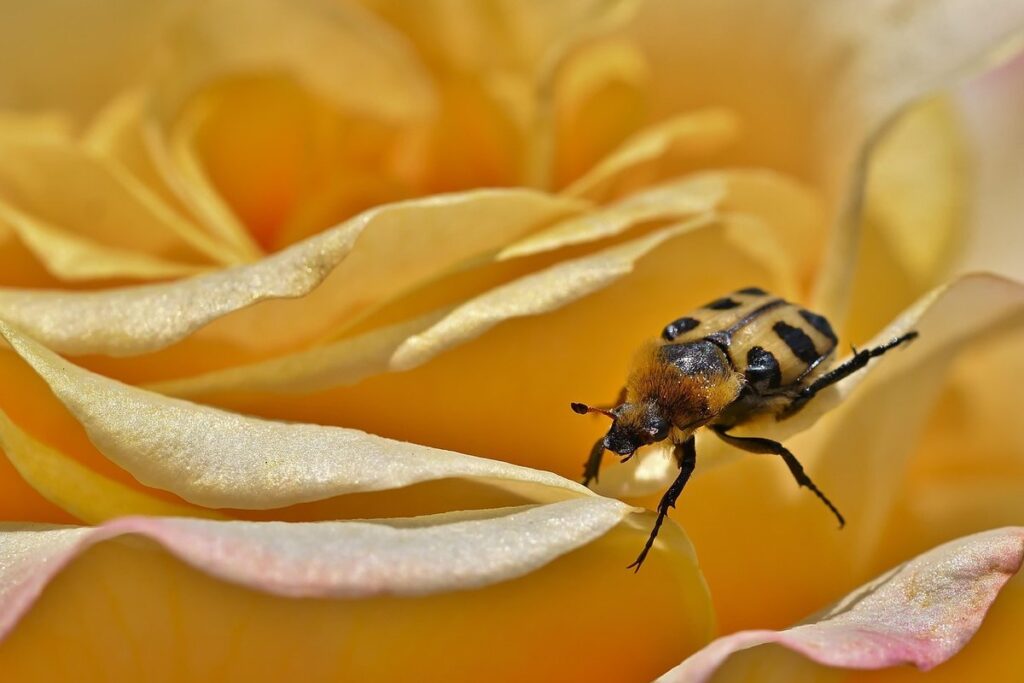
History and Origins of Garden Roses
Garden roses have been delighting gardeners for centuries, but where did their beauty and charm originate? Let’s dig into the fascinating history behind these stunning flowers.
Early Beginnings of Rose Cultivation
Garden roses have been delighting people for thousands of years, with their beauty and fragrance captivating hearts. As we explore the history of garden roses, let’s take a step back to ancient civilizations that played a significant role in cultivating these stunning flowers.
The early beginnings of rose cultivation can be traced back to Greece and Rome around 2000 BCE. The Greeks believed that roses were a symbol of love and passion, while the Romans associated them with war and victory. These civilizations not only prized roses for their beauty but also used them for medicinal purposes. They extracted oil from rose petals to create perfumes and fragrances.
In ancient times, roses were primarily cultivated in monasteries and royal gardens, where they were carefully nurtured and bred to enhance their characteristics. The first hybrid tea roses emerged during the 19th century, marking a significant milestone in the development of garden roses. By understanding the early history of rose cultivation, we can appreciate the complexity and beauty that has evolved over time to give us the vibrant yellow golden mustard roses we adore today.
Evolution of Modern Garden Roses
Over the past century, garden roses have undergone a remarkable transformation from traditional varieties to today’s hybrid cultivars. The introduction of breeding programs has been instrumental in this evolution, leading to an explosion of color diversity that includes yellow golden mustard. For instance, David Austin Roses has revolutionized the industry with its English Roses, which combine old-world charm with modern vigor and disease resistance.
The impact of these breeding programs is evident in the vast array of colors now available, from classic reds and pinks to vibrant yellows, oranges, and even purple. Yellow golden mustard roses are a prime example of this diversity, boasting delicate, buttery petals that add a unique touch to any garden or arrangement. What’s more, many modern rose varieties are bred with improved climate tolerance, making them suitable for gardens in areas with challenging weather conditions.
By incorporating these hybrid cultivars into your garden, you can experience the best of both worlds – the nostalgic charm of traditional roses and the resilience and diversity of modern varieties.
Characteristics and Care of Yellow Golden Mustard Garden Roses
If you’re growing yellow golden mustard garden roses, it’s essential to understand their unique characteristics and care requirements to keep them thriving in your garden. Proper care can help these beautiful blooms reach their full potential.
Understanding the Unique Features of Yellow Golden Mustard Roses
One of the most striking aspects of yellow golden mustard roses is their vibrant color. These garden roses boast bright, sunny petals that are sure to add a pop of warmth to any garden setting. But it’s not just their appearance that sets them apart – they’re also renowned for their intoxicating fragrance, which is particularly noticeable in the early morning hours when the scent is at its most potent.
When it comes to growth habits, yellow golden mustard roses are known to be relatively easy-going and adaptable. They tend to grow quite vigorously, making them an excellent choice for gardeners who want a rose that will thrive with minimal maintenance. One of the key reasons why these roses have become so sought after is their ability to attract pollinators like bees and butterflies, adding an extra layer of beauty and biodiversity to your garden.
In terms of care, yellow golden mustard roses require only moderate watering and fertilization, making them a great option for gardeners with limited resources. With proper care, these stunning flowers will bloom repeatedly throughout the growing season, providing months of color and fragrance in your garden.
Planting and Maintenance Tips for Success
When planting yellow golden mustard roses, it’s essential to choose a location that receives full sun to partial shade. In warmer climates, provide some afternoon shade to prevent scorching of the delicate petals. For optimal growth, ensure the soil drains well and has a slightly acidic pH between 6.0 and 6.5.
Before planting, prepare the soil by mixing in a 2-inch layer of compost or organic matter to improve drainage and fertility. This will also help the roots establish themselves quickly. Water your roses regularly, but avoid overwatering, which can lead to root rot.
To promote healthy growth and encourage blooming, prune your yellow golden mustard roses in late winter or early spring. Remove any dead or damaged branches, cutting them back to about 12 inches from the ground. Next, thin out the center of the plant to allow air circulation and sunlight penetration.
Regular pest management is crucial for maintaining the health and appearance of your yellow golden mustard roses. Watch out for aphids, whiteflies, and spider mites, which can be controlled using neem oil or insecticidal soap.
Health Benefits and Uses of Yellow Golden Mustard Roses
If you’re looking for a natural remedy, you’ll be delighted to know that yellow golden mustard roses have been used in herbal medicine for centuries, offering numerous health benefits.
Culinary and Medicinal Applications
Yellow golden mustard roses have been prized for their unique flavor and medicinal properties for centuries. In culinary applications, their petals can be used to add a subtle, sweet spice to salads, soups, and sauces. For example, adding a few drops of infused yellow golden mustard rose oil to your favorite vinaigrette dressing can elevate the flavor profile of any dish.
In herbal medicine, the antiseptic and anti-inflammatory properties of yellow golden mustard roses make them an effective remedy for colds and skin issues. To harness these benefits, try making a tea by steeping 1-2 teaspoons of dried rose petals in boiling water for 5-7 minutes. Strain the liquid and drink as needed to soothe a sore throat or calm irritated skin.
When using yellow golden mustard roses medicinally, be sure to note that their potency can vary depending on factors like soil quality, climate, and harvesting methods. To ensure maximum efficacy, source your petals from reputable suppliers who prioritize sustainable growing practices. With proper handling and preparation, these beautiful flowers can become a valuable addition to your kitchen apothecary.
Fragrance and Dye Properties
Yellow golden mustard rose petals are renowned for their intoxicating and delicate fragrance. Characterized by sweet, honey-like undertones, these fragrant flowers are a favorite among perfumers seeking to create unique and alluring scents. When used in perfumery, the essence of yellow golden mustard roses adds depth and warmth to blends, making them perfect for floral arrangements or standalone perfume creations.
Interestingly, the same fragrance properties that make yellow golden mustard rose petals so desirable in perfumery also make them an excellent natural dye source. The flowers contain a pigment known as flavonoids, which impart a vibrant, sun-kissed hue to fabrics and textiles when used as a dye. This organic and sustainable approach to coloring has gained significant popularity among fashion designers and textile enthusiasts.
When experimenting with natural dyes, it’s essential to note that the results may vary depending on factors such as fabric type, dye concentration, and mordant usage. Nevertheless, the potential for creating unique and sustainable textiles using yellow golden mustard rose petals makes this method an exciting area of exploration in the world of textile art.
Designing with Yellow Golden Mustard Garden Roses
When incorporating yellow golden mustard garden roses into your floral arrangements, consider their delicate texture and warm, sunny hue to create a captivating visual impact. This section will explore design ideas.
Incorporating into Gardens and Landscapes
When incorporating yellow golden mustard garden roses into your outdoor space, consider their unique characteristics to create visually appealing and harmonious gardens. These flowers thrive in full sun, making them an excellent choice for areas with plenty of sunlight.
Companion planting is key when combining yellow golden mustard roses with other plants. Their strong scent can be overwhelming if planted alongside delicate herbs like mint or rosemary. Instead, pair them with robust plants such as lavender or coneflowers that complement their bold fragrance.
In terms of spatial arrangement, consider a loose, informal design to showcase the natural charm of these garden roses. Plant multiple stems at varying heights and densities to create a lush, layered appearance. Grouping several yellow golden mustard roses together can also help to emphasize their vibrant color and add visual interest to your garden.
By incorporating these flowers into your landscape, you can add a pop of sunny warmth that complements the surrounding foliage.
Combining with Other Floral Elements
Yellow golden mustard garden roses are a statement piece on their own, but they truly shine when paired with other flowers and foliage. To create stunning arrangements and bouquets, consider combining them with contrasting elements to balance out their bright, sunny hue.
Start by pairing the yellow golden mustard roses with deep berry tones like burgundy or plum. This unexpected combination creates a striking visual effect that’s both modern and sophisticated. Alternatively, complement the roses’ warm tone with cool-toned blooms like pale blue delphiniums or lavender. These contrasting pairs will add depth and interest to your arrangements.
For added texture and visual appeal, incorporate foliage like eucalyptus or ferns into your designs. Their delicate fronds will create a beautiful contrast to the roses’ full, rounded petals. Don’t forget to experiment with different shapes and sizes of flowers to achieve balance and harmony in your arrangements. And remember, sometimes less is more – allowing each bloom to take center stage can be just as effective as combining multiple elements.
Propagation and Breeding of Yellow Golden Mustard Roses
Now that you know how to care for your yellow golden mustard roses, let’s dive into the specifics of propagating and breeding these stunning flowers. We’ll cover the best methods for creating new plants.
Techniques for Propagating New Plants
Propagating new yellow golden mustard rose plants requires patience and a gentle touch. With the right techniques and considerations, you can successfully multiply these gorgeous flowers to adorn your garden with even more beauty. One of the most popular methods for propagating yellow golden mustard roses is through stem cuttings. Take 3-4 inch long stem cuttings from mature branches in late spring or early summer, removing lower leaves and leaving only a few at the top. Dip the cutting in rooting hormone powder and plant it in a propagation tray filled with well-draining mix.
Layering is another effective method for propagating yellow golden mustard roses. Choose a long stem with plenty of foliage and gently bend it down to the ground, securing it with a U-shaped wire or a rock. Cover the buried portion with soil, leaving the leaves exposed above ground. Keep the soil consistently moist but not waterlogged, and roots should develop within 2-3 weeks.
When dividing established plants, select strong growth shoots with plenty of root system development. Gently separate the roots using a sharp, sterile tool, and replant each section in well-draining soil with adequate sunlight.
Ongoing Research and Development in Rose Breeding
Researchers are continually exploring ways to enhance the hardiness and disease resistance of garden roses like yellow golden mustard. One area of focus is on developing hybrid varieties that combine desirable traits from parent plants. For instance, scientists have been working on crossing species with improved disease tolerance and increased cold hardiness.
These efforts involve studying the genetic makeup of various rose species to identify key factors contributing to their resilience. By analyzing data from breeding programs worldwide, researchers can pinpoint optimal combinations for developing new, robust varieties. The goal is to create hybrid roses that not only thrive in challenging conditions but also exhibit vibrant colors like the distinctive golden hue characteristic of yellow golden mustard.
Advancements in genetic engineering and biotechnology are also being harnessed to improve rose disease resistance. For example, some scientists have successfully introduced genes from other plants into rose species, conferring enhanced immunity against common pathogens. These breakthroughs hold promise for breeders looking to create varieties that minimize the need for pesticides and other chemical treatments.
Breeding programs focused on improving hardiness and disease resistance often result in a wider selection of options for gardeners. As new hybrid roses become available, enthusiasts can choose from an increasingly diverse range of cultivars suited to specific climates or conditions. This trend not only expands the appeal of yellow golden mustard but also underscores the dynamism of rose breeding research.
Some notable examples of such efforts include:
* A joint project between the University of California and a leading nursery company to develop disease-resistant varieties
* Research at the Royal Horticultural Society’s gardens, focusing on cold hardiness and winter care for garden roses
These initiatives demonstrate the dedication of rose breeders worldwide to creating healthier, more resilient varieties that delight gardeners and florists alike.
Conclusion: Celebrating the Unique Qualities of Garden Roses
As we’ve explored the beauty and charm of garden roses, it’s time to reflect on what makes these unique blooms truly special. Let’s celebrate the qualities that set them apart from other varieties.
Recap of Key Points
As we come to the end of our journey through the enchanting world of yellow golden mustard garden roses, let’s take a moment to recap the key points that make these unique flowers so special. We’ve explored how yellow golden mustard garden roses owe their distinctive color to the presence of anthocyanins and carotenoids, creating a warm, sun-kissed hue that adds a touch of elegance to any bouquet.
We’ve also discussed the various uses for these beautiful blooms, from adding a pop of color to wedding arrangements and special occasion decor to being used in perfumery and as a natural dye. Their versatility is one of the reasons why yellow golden mustard garden roses have gained popularity among gardeners and florists alike.
In addition, we’ve touched on the benefits of growing your own garden rose yellow golden mustard, including the ability to customize cut flower arrangements and experience the satisfaction of nurturing these beautiful flowers from seed to bloom. Whether you’re a seasoned gardener or just starting out, incorporating yellow golden mustard garden roses into your garden can bring a new level of joy and creativity to your horticultural pursuits.
Final Thoughts on the Importance of Garden Roses
As we’ve explored the unique qualities and characteristics of yellow golden mustard garden roses, it’s clear that these stunning blooms have a lot more to offer than just their striking appearance. Beyond their beauty and intoxicating fragrance, garden roses like yellow golden mustard also hold potential health benefits and decorative applications.
From an aesthetic standpoint, garden roses bring a touch of elegance and sophistication to any space. They come in a range of colors and varieties, making them the perfect addition to any bouquet or arrangement. But it’s not just about looks – research has shown that being around flowers can have a profound impact on our mental health, reducing stress levels and promoting feelings of calm.
Incorporating garden roses into your home decor is easier than you think. Try using them as a centerpiece for your dining table or adding a few stems to a vase on your mantel. You can even press the petals between sheets of paper to create delicate, fragrant decorations that will last long after the blooms have faded.
Whether you’re looking to brighten up your space or simply indulge in their intoxicating scent, garden roses like yellow golden mustard are sure to captivate and inspire. So next time you find yourself drawn to these beautiful blooms, remember: there’s more to them than meets the eye!
Frequently Asked Questions
What are the ideal growing conditions for Yellow Golden Mustard Garden Roses?
Yellow Golden Mustard Garden Roses prefer well-drained soil with a pH between 6.0-7.0. They thrive in full sun to partial shade and require regular watering, but make sure not to overwater, which can lead to root rot.
Can I propagate Yellow Golden Mustard Garden Roses through cuttings or division?
Yes, you can propagate Yellow Golden Mustard Garden Roses through stem cuttings, layering, and division. Take 6-8 inch stem cuttings with a few sets of leaves, remove lower leaves, and plant them in moistened potting mix. For division, dig up the rose bush, gently separate the roots, and replant the sections.
How do I protect Yellow Golden Mustard Garden Roses from pests and diseases?
To protect your Yellow Golden Mustard Garden Roses from pests and diseases, keep an eye out for aphids, whiteflies, and black spot. Regularly inspect your plants and treat any issues promptly with neem oil or insecticidal soap. Also, ensure good air circulation to prevent fungal diseases.
Can I use the petals of Yellow Golden Mustard Garden Roses in cooking and baking?
Yes, you can use the edible petals of Yellow Golden Mustard Garden Roses in salads, soups, and baked goods. Simply harvest the petals when they’re still fragrant and dry them for later use. Keep in mind that some people may be allergic to rose petals, so use caution and start with small amounts.
How do I store and preserve the seeds of Yellow Golden Mustard Garden Roses?
To store and preserve the seeds of Yellow Golden Mustard Garden Roses, collect them from mature flowers after they’ve been pollinated. Dry the seeds in a paper bag or envelope to maintain their viability for future planting. Store them in an airtight container in a cool, dry place to keep them fresh for up to 2 years.