
Swiss chard root is often overlooked in favor of its leafy greens, but this underdog has some impressive health benefits that are worth exploring. Not only does it contain anti-inflammatory compounds that can soothe digestive issues and reduce inflammation, but it’s also a rich source of vitamins A, C, and K. For those looking to boost their nutrient intake or alleviate symptoms of conditions like irritable bowel syndrome (IBS), Swiss chard root is definitely worth considering. In this article, we’ll delve into the incredible health benefits of Swiss chard root, provide tips on how to cook with it, and offer some practical ideas for incorporating it into your daily meals. Whether you’re a seasoned chef or just starting out in the kitchen, you won’t want to miss our comprehensive guide to harnessing the power of this nutritious ingredient.
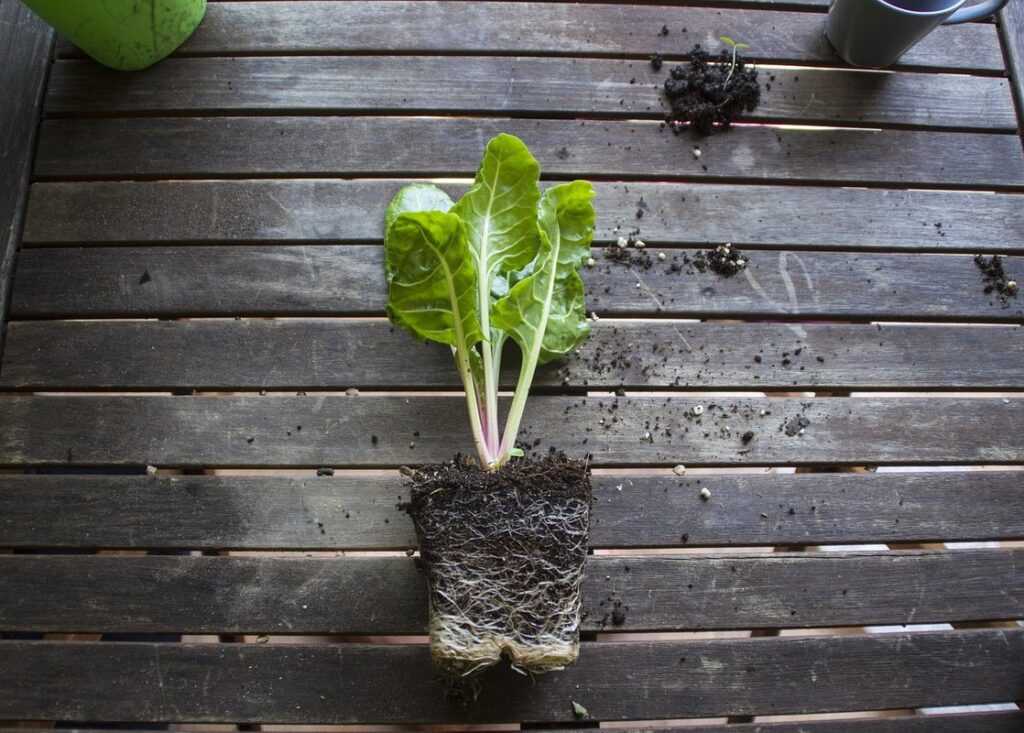
What is Swiss Chard Root?
Swiss chard root is a nutritious and often underutilized part of the swiss chard plant, packed with vitamins and minerals that offer numerous health benefits when consumed. Let’s explore what it has to offer.
Overview and History
Swiss chard root has been valued for centuries not only for its culinary uses but also for its medicinal properties. Its origins date back to the Mediterranean region where it was a staple crop among ancient civilizations such as the Greeks and Romans. In traditional medicine, swiss chard root was used to treat various ailments including indigestion, bloating, and irritable bowel syndrome.
In European cuisine, particularly in Italy and France, swiss chard root has been incorporated into soups, stews, and risottos for its rich nutritional profile. The Swiss variety, as the name suggests, is native to Switzerland where it’s commonly used in hearty dishes like rösti and pot au feu.
Interestingly, swiss chard root contains prebiotic fiber that feeds beneficial gut bacteria promoting a healthy digestive system. This makes it an excellent addition to soups, stews, or roasted vegetable medleys for those looking to boost their nutrient intake and support gut health.
Incorporating swiss chard root into your meals is easier than you think – try roasting it with garlic and lemon as a side dish or adding it to your favorite stew recipe.
Botanical Classification and Description
Swiss chard root is classified as Beta vulgaris subsp. vulgares, belonging to the Amaranthaceae family. This classification puts it closely related to beets and spinach, all of which are part of the same plant group. In terms of growth habits, Swiss chard roots are typically harvested in the fall or early spring when the tops begin to bolt (go to seed). They can grow quite large, but for culinary purposes, they’re usually pulled after reaching about 6-8 inches in diameter.
Physically, Swiss chard roots resemble small to medium-sized beets. The color ranges from yellowish to deep red, depending on the specific variety. Their texture is firm and crunchy when fresh. When cooked, the texture softens, but retains some crunch, making them a delight for salads and sautéed dishes.
For gardeners aiming to grow Swiss chard roots, it’s essential to choose a variety specifically bred for its root size and color. Some popular varieties include ‘Rainbow’, ‘Red Ribbed’, and ‘Fordhook Giant’. By understanding the botanical classification and growth habits of Swiss chard root, you can better appreciate its unique characteristics and select the right variety for your needs.
Health Benefits of Swiss Chard Root
Swiss chard root is a nutrient-rich superfood that’s packed with vitamins, minerals, and antioxidants, offering numerous health benefits when consumed as part of your diet. Let’s dive into some of its most impressive advantages.
Nutritional Profile and Antioxidants
Swiss chard root is an excellent source of essential vitamins and minerals that contribute to its impressive nutritional profile. Rich in vitamins A, C, E, and K, it provides a powerful boost to the immune system, supporting healthy cell growth and function. The presence of vitamin A also plays a crucial role in maintaining healthy vision, skin, and mucous membranes.
In terms of minerals, swiss chard root is an excellent source of calcium, iron, and potassium. Calcium supports bone health, while iron is vital for the production of red blood cells. Potassium helps regulate fluid balance in the body and support healthy blood pressure levels. The recommended daily intake of these essential nutrients can be easily achieved by incorporating cooked swiss chard root into your diet.
Swiss chard root also boasts an exceptionally high antioxidant content, which is crucial in reducing inflammation in the body. This makes it an excellent addition to a heart-healthy diet, as chronic inflammation is often linked to increased risk of cardiovascular disease. To reap the benefits of its antioxidants, try steaming or sautéing swiss chard root with minimal oil and seasoning for maximum nutrient retention.
Anti-Inflammatory Properties and Chronic Diseases
Swiss chard root has been shown to possess potent anti-inflammatory properties, making it an excellent addition to a diet aimed at preventing or managing chronic diseases. Chronic inflammation is a known risk factor for many conditions, including heart disease, diabetes, and arthritis.
Studies have found that the antioxidants and polyphenols present in Swiss chard root help reduce inflammation by neutralizing free radicals and suppressing pro-inflammatory enzymes. For instance, one study discovered that a compound called flavonoid isolated from Swiss chard root reduced inflammation markers in mice with colitis by up to 70%. This suggests that incorporating Swiss chard root into your diet could have a similar anti-inflammatory effect on human cells.
To tap into the anti-inflammatory benefits of Swiss chard root, consider adding it to meals such as soups, stews, or sautéed dishes. You can also try roasting Swiss chard roots as a side dish or puree them into a nourishing soup. A serving size of about 1 cup cooked provides approximately 10% of the daily recommended intake of vitamin K and 20% of the recommended amount of magnesium – essential nutrients for maintaining healthy inflammation levels.
Digestive Health and Gut Bacteria
Swiss chard root is not only a rich source of essential vitamins and minerals but also harbors prebiotic properties that can significantly promote digestive health. Prebiotics are non-digestible fibers that serve as food for beneficial gut bacteria, fostering a healthy balance between good and bad microorganisms in the intestines. By feeding these beneficial bacteria, Swiss chard root supports their growth and multiplication, enhancing their ability to break down complex nutrients and producing various essential vitamins.
Research has shown that regular consumption of prebiotic-rich foods like Swiss chard root can lead to improved digestion, reduced symptoms of irritable bowel syndrome (IBS), and enhanced absorption of nutrients. In fact, a study published in the Journal of Medicinal Food found that supplementation with inulin, a type of prebiotic fiber found in Swiss chard root, significantly increased the number of beneficial bacteria in the gut and improved markers of metabolic health.
To reap the benefits of Swiss chard root for your digestive health, simply incorporate it into your diet by roasting or sautéing the root as a side dish. Alternatively, consider adding it to soups or stews for an extra nutritional boost.
Cooking and Preparing Swiss Chard Root
Cooking and preparing swiss chard root is a breeze when you know the right techniques, so let’s dive into some easy methods to get you started. From boiling to roasting, we’ll cover it all!
Preparing Swiss Chard Root
Preparing swiss chard root requires some basic steps to bring out its natural sweetness and maximize its nutritional value. Start by gently peeling off any tough outer layers with a vegetable peeler, being careful not to damage the tender inner flesh.
Next, cut the root into manageable pieces or slices, depending on your desired cooking method. For soups or stews, larger chunks work best, while smaller slices are ideal for sautéing or roasting. Be mindful of the root’s natural tendency to break apart when cooked – larger pieces can easily become overcooked and mushy.
Proper preparation is crucial in unlocking the full potential of swiss chard root. Improper handling can lead to a loss of nutrients, particularly vitamins A and K, which are sensitive to heat and water. To preserve these essential vitamins, cook the root briefly and gently, using methods like steaming or sautéing with minimal water.
To get started, steam the prepared swiss chard root for 5-7 minutes or until tender when pierced with a fork. Alternatively, roast it in the oven at 400°F (200°C) for 15-20 minutes, or until caramelized and tender.
Traditional Recipes and Modern Twists
Swiss chard root is an incredibly versatile ingredient that can be used in a wide range of traditional recipes, as well as modern twists and creative variations. In the Mediterranean region, it’s often cooked with garlic and lemon juice to bring out its natural sweetness. For example, the classic Greek dish “Stifado” typically features swiss chard root sautéed with onions and served over rice.
In Italian cuisine, you’ll find swiss chard root used in hearty stews and soups, such as the traditional “Braised Swiss Chard Root and Beans.” This comforting dish is a staple of many Tuscan households. To give this recipe a modern twist, try adding some preserved lemon or roasted garlic for added depth of flavor.
When incorporating swiss chard root into your meals, consider pairing it with bold flavors like chili flakes or smoked paprika to add heat and smokiness. You can also use it in place of more traditional root vegetables, such as carrots or beets, in salads and slaws. The key is to experiment and find the combinations that work best for you!
Substituting Swiss Chard Root in Recipes
If you’re struggling to find recipes that use swiss chard root, don’t worry – we’ve got a simple solution for you! Here’s how to easily substitute it in your favorite dishes.
Overview of Substitution Options
When substituting swiss chard root in recipes, you have several options to explore. Other leafy greens like beet greens, kale, and collard greens can be used as direct substitutes due to their similar texture and flavor profiles. However, if you’re looking for a slightly sweet and earthy taste, consider using parsley or spinach.
For non-leafy vegetable substitutions, try carrots or parsnips for added sweetness, or celery root for a more neutral taste. These options will alter the overall flavor and texture of your dish, so be prepared to adjust cooking times and methods accordingly.
When substituting swiss chard root, keep in mind that cooking times may vary depending on the chosen vegetable. For example, carrots take longer to cook than parsnips, while celery root is typically cooked for a shorter period. Be mindful of these differences to ensure your dish turns out as expected. Experiment with different combinations to find the perfect substitute for your favorite recipes.
Tips for Incorporating Swiss Chard Root into Daily Meals
Incorporating swiss chard root into daily meals is easier than you think. For breakfast, try sautéing it with garlic and olive oil as a side dish to scrambled eggs or omelets. You can also add it to smoothies for an extra boost of nutrients.
For lunch and dinner options, roast the root in the oven with herbs like thyme and rosemary for a delicious side dish that pairs well with roasted meats or stews. Chop it up finely and add it to soups or stews for added depth of flavor.
Snack time is also an excellent opportunity to incorporate swiss chard root. Slice it thinly and serve it as a crudité with hummus, or roast it in the oven until crispy and enjoy it on its own as a crunchy snack.
Some key tips to keep in mind: use the young, tender roots for best flavor and texture; cook them briefly to preserve their nutrients; and experiment with different seasonings and herbs to find your favorite combinations. With a little creativity, you can unlock the full potential of swiss chard root in your daily meals.
Contraindications and Precautions
Before diving into using Swiss chard root, it’s essential to be aware of its potential contraindications and precautions to ensure safe consumption. Certain individuals may need to exercise caution when incorporating this nutritious root into their diet.
Potential Interactions with Medications
When consuming swiss chard root, it’s essential to be mindful of potential interactions with certain medications. Swiss chard root is known to increase the anticoagulant effects of blood thinners such as warfarin, coumadin, and heparin. This can lead to an increased risk of bleeding complications. If you’re taking prescription blood thinners, it’s crucial to consult with your healthcare provider before consuming swiss chard root.
Other medications that may interact with swiss chard root include diabetes medications, as its high vitamin K content may affect glucose levels and insulin sensitivity. Additionally, beta-blockers, calcium channel blockers, and certain antibiotics may also interact with swiss chard root, affecting blood pressure and cardiovascular function.
To use caution when consuming swiss chard root while taking prescription medications, follow these guidelines: consult your healthcare provider before adding swiss chard root to your diet; monitor your medication dosage and adjust as necessary; maintain a consistent intake of swiss chard root to avoid fluctuating effects. By being aware of potential interactions and exercising caution, you can safely harness the nutritional benefits of swiss chard root while managing your medication regimen.
Allergic Reactions and Sensitivities
If you’re considering incorporating swiss chard root into your diet, it’s essential to be aware of the possibility of allergic reactions or sensitivities. While rare, some individuals may experience adverse effects after consuming swiss chard root.
Symptoms of an allergic reaction can range from mild discomfort to severe reactions. Common signs include hives, itching, and swelling, particularly in areas where the skin comes into contact with the plant. In more severe cases, people may experience difficulty breathing, rapid heartbeat, or even anaphylaxis.
If you suspect you’re experiencing an allergic reaction after consuming swiss chard root, it’s crucial to seek medical attention immediately. If symptoms are mild, try to remain calm and remove any remaining amounts of the plant from your system by drinking plenty of water and resting. To prevent further reactions, avoid eating swiss chard root for a period of time, or consider consulting with a healthcare professional about alternative cooking methods that may reduce the risk of an allergic response.
Note: If you’re already experiencing symptoms or have a history of allergies, consult your doctor before attempting to use swiss chard root in any capacity.
Conclusion and Future Research
As we wrap up our exploration of Swiss chard root, let’s take a moment to reflect on what we’ve learned and consider the exciting possibilities for future research in this area.
Recap of Key Takeaways
As we conclude our comprehensive guide to unlocking the power of Swiss chard root, let’s take a moment to recap the key takeaways. From its impressive nutritional profile to its versatile uses in cooking and medicine, Swiss chard root has proven itself to be a truly remarkable ingredient.
We’ve explored the numerous health benefits associated with consuming Swiss chard root, including its high antioxidant content, anti-inflammatory properties, and potential role in reducing the risk of chronic diseases such as heart disease, diabetes, and certain cancers. Its rich mineral profile, featuring vitamins A, C, and K, as well as potassium and magnesium, makes it an excellent addition to a balanced diet.
In terms of culinary applications, we’ve discussed various ways to prepare Swiss chard root, from sautéing and roasting to pickling and preserving. We’ve also highlighted its potential uses in medicine, including its possible role in reducing inflammation and improving cardiovascular health.
As we look to the future, there’s still much to be discovered about the potential applications of Swiss chard root in both cuisine and medicine. Researchers may want to explore the synergistic effects of combining Swiss chard root with other plant-based compounds to enhance its therapeutic benefits. Chefs and home cooks can continue to experiment with new recipes and techniques for incorporating Swiss chard root into their cooking repertoire.
Incorporating Swiss chard root into your diet or experimenting with it in the kitchen is easier than ever, thanks to its increasing availability in grocery stores and online markets. With its impressive nutritional profile and versatility in both culinary and medicinal applications, Swiss chard root is poised to become a staple ingredient in many kitchens and medicine cabinets.
Frequently Asked Questions
Can I consume Swiss chard root raw or must it be cooked?
Yes, you can consume Swiss chard root raw, but cooking it can make its nutrients more bioavailable and easier to digest. Cooking also breaks down some of the cell walls, releasing its beneficial compounds. However, if you’re looking for a quick and easy way to incorporate Swiss chard root into your diet, try adding it raw to salads or smoothies.
How do I store Swiss chard roots properly to maintain their nutritional value?
Swiss chard roots can be stored in the refrigerator for up to 5 days. Keep them wrapped in a plastic bag or sealed container to retain moisture and prevent spoilage. You can also consider freezing them, which will help preserve their nutrients and make them last longer.
Can I substitute Swiss chard root with other vegetables in recipes?
While you can experiment with substituting Swiss chard root with other root vegetables like beets or parsnips, keep in mind that its unique flavor and nutritional profile may alter the dish. If you’re looking for a more straightforward substitution, consider using turnips or rutabaga as a closer match.
How do I know if I’m allergic to Swiss chard root?
If you experience any adverse reactions after consuming Swiss chard root, such as hives, itching, or difficulty breathing, discontinue use and consult with a healthcare professional. However, for most people, swiss chard root is considered safe to eat in moderation.
Can I grow my own Swiss chard roots at home?
Yes, you can grow your own Swiss chard roots at home by planting the seeds in well-draining soil with full sun. Make sure to keep the soil consistently moist and fertilize regularly for optimal growth. Harvesting Swiss chard root is a bit more involved than leafy greens, but with proper care, you can enjoy this nutritious ingredient fresh from your own garden.