
Red peppers are one of the most versatile ingredients in our kitchens, adding flavor and excitement to any dish. But have you ever stopped to think about just how delicious they can be? Not only do sweet red peppers bring a burst of juicy sweetness, but hot red peppers pack a punch of fiery heat that can elevate any meal. Whether you’re a seasoned chef or a curious home cook, getting familiar with the world of red peppers is essential for taking your cooking to the next level.
In this comprehensive guide, we’ll delve into the fascinating world of red peppers, exploring their unique flavor profiles, incredible nutritional benefits, and global culinary uses – from sweet bell peppers to hot jalapeños. We’ll cover the best ways to enjoy them, from snacking on raw slices to adding them to your favorite recipes. Get ready to discover a whole new side of these tasty treasures!
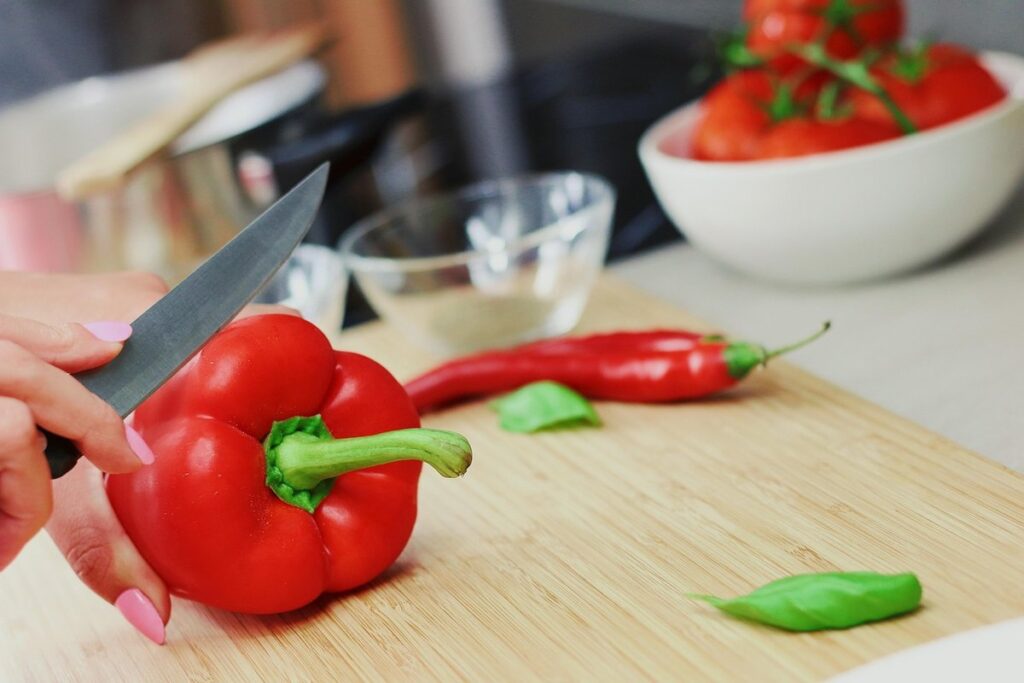
What Are Red Peppers?
Red peppers are a staple ingredient in many cuisines, but what exactly makes them so special? Let’s take a closer look at where they come from and their unique characteristics.
Origin and History
Red peppers have been a staple in many cuisines for thousands of years, with their origins tracing back to the Americas. Specifically, they belong to the Capsicum annuum species, which is still widely cultivated today. The earliest recorded evidence of red pepper cultivation dates back to around 6,000 BC in South America. From there, they spread to other parts of the world through trade and migration.
As civilizations developed, so did the variety and usage of red peppers. In many cultures, they were not only a primary food source but also had medicinal properties. The ancient Incas, for example, used red peppers as a treatment for various ailments, from fever to indigestion. Similarly, in Asian cuisine, red peppers were highly valued for their flavor and nutritional benefits.
Today, red peppers are grown in almost every region of the world, with many countries boasting unique varieties that reflect local tastes and traditions. Whether you’re a seasoned chef or just starting your culinary journey, understanding the rich history and versatility of red peppers can inspire new ways to incorporate them into your cooking.
Types of Red Peppers
Red peppers are incredibly diverse, offering a range of flavors and heat levels to suit every palate. When it comes to types of red peppers, sweet red peppers and bell peppers take center stage as the mildest options. These varieties are perfect for adding a pop of color and sweetness to salads, sandwiches, or stir-fries. They have a crunchy texture and a slightly sweet flavor that pairs well with a variety of ingredients.
At the opposite end of the spectrum are hot red peppers, which pack a punch of heat. Cayenne pepper is a classic example, with its intense, fiery flavor adding depth to dishes like gumbo or chili. Red chili flakes offer another option for those seeking a spicy kick. These varieties can be used sparingly to add flavor without overwhelming the senses.
Some popular hybrids and cultivars have emerged in recent years, offering even more options for red pepper enthusiasts. From sweet to hot, there’s a type of red pepper suited to every taste and recipe need. Whether you’re a seasoned chef or an adventurous home cook, exploring these different varieties can elevate your cooking game and provide endless inspiration for new dishes.
The Flavor Profile of Red Peppers
Red peppers’ flavor profile is a symphony of sweetness, smokiness, and subtle heat, making them an incredibly versatile ingredient in many cuisines. Let’s dive into what makes their taste so unique and exciting to work with.
Sweet vs. Hot: The Taste Experience
When it comes to red peppers, their taste experience is largely determined by two key factors: sweetness and heat. The level of sweetness in red peppers is influenced by the concentration of sugars like glucose and fructose, which are present in higher amounts in milder varieties. On the other hand, the heat level is a result of capsaicinoids, specifically capsaicin, produced by the pepper’s placental tissue.
As you may have noticed, sweet red peppers tend to be milder in flavor, with a natural sweetness that makes them a great addition to salads and sandwiches. For example, bell peppers are a classic example of sweet red peppers, adding a burst of sweetness without any heat. In contrast, hot red peppers pack a punch with their intense capsaicin content.
Understanding the balance between sweetness and heat in red peppers can help you choose the right variety for your dishes. If you’re looking to add some subtle flavor without any heat, opt for sweet red peppers like bell or pimento.
Pairing Red Peppers with Other Ingredients
Red peppers are incredibly versatile when it comes to pairing them with other ingredients. One of the most simple yet effective ways to elevate their flavor is by drizzling them with olive oil and sprinkling minced garlic on top. This classic combination brings out the natural sweetness of red peppers, making them a perfect addition to pasta dishes or as a side to grilled meats.
For a more herby twist, consider combining sliced red peppers with fresh basil leaves or oregano. The pungency of these herbs complements the slightly sweet and smoky flavor of red peppers, creating a delightful contrast on the palate. Simply toss the peppers and herbs together with a drizzle of olive oil and a pinch of salt for a quick and easy salad.
When it comes to more substantial pairings, red peppers can be used as a base for sauces or marinades. Blend cooked peppers with olive oil, garlic, and your choice of herbs to create a flavorful sauce for pasta or use them as a marinade for grilled chicken or vegetables.
Nutritional Benefits of Red Peppers
Red peppers are not only a flavorful addition to any meal, but they also pack a punch when it comes to their nutritional benefits. Let’s take a closer look at what makes them so good for you!
Vitamin C and Antioxidants
Red peppers are not only a flavorful addition to many dishes, but they’re also an excellent source of essential nutrients. One of the key benefits of incorporating red peppers into your diet is their incredibly high vitamin C content. In fact, one cup of sliced red peppers can provide up to 125% of the recommended daily intake of this vital nutrient.
But why is vitamin C so important? This powerful antioxidant plays a crucial role in protecting cells from damage caused by free radicals, which can contribute to chronic diseases like cancer and heart disease. Red peppers’ high vitamin C content also makes them an excellent immune system booster, helping to fight off infections and keep you feeling your best.
In addition to their impressive vitamin C levels, red peppers are also a rich source of other antioxidants, including beta-carotene and lycopene. These compounds work together to protect cells from damage and support overall health and well-being. To reap the benefits of red peppers’ antioxidant properties, try adding them to your meals in a variety of ways – roasted as a side dish, blended into sauces and marinades, or even pickled for a tangy snack.
Anti-Inflammatory Properties
Red peppers are not only a flavorful addition to various dishes but also possess anti-inflammatory properties that can significantly impact our overall well-being. The main contributors to these beneficial effects are capsaicin and carotenoids, both of which have been extensively studied for their therapeutic potential.
Capsaicin is the primary component responsible for red peppers’ spicy taste and has been shown to reduce inflammation by inhibiting the production of pro-inflammatory enzymes and substances. Studies have demonstrated that regular consumption of capsaicin can alleviate symptoms in patients suffering from arthritis, while also exhibiting analgesic properties that help manage pain.
Carotenoids, on the other hand, are responsible for the vibrant red color of the peppers and possess potent antioxidant capabilities. These pigments not only protect against oxidative stress but also play a crucial role in regulating inflammation within the body. To maximize the anti-inflammatory benefits of red peppers, aim to consume them raw or lightly cooked, as excessive heat can damage these delicate compounds.
Incorporating red peppers into your diet is an easy and effective way to reap their anti-inflammatory rewards. Add sliced red peppers to salads, stir-fries, or use them as a topping for sandwiches – the possibilities are endless!
Culinary Uses for Red Peppers
When working with red peppers, the possibilities are endless and delicious. From roasted side dishes to spicy stir-fries, let’s dive into their versatile culinary uses.
Raw vs. Roasted: Preparing Red Peppers
When it comes to preparing red peppers for cooking, you have two main options: raw or roasted. Both methods have their own unique advantages and disadvantages when it comes to preserving the nutrients and flavor of these delicious vegetables.
Using raw red peppers is a great way to preserve their crunchy texture and vibrant color. To prepare them, simply slice or chop the peppers into desired pieces and use them in salads, sandwiches, or as a topping for other dishes. One advantage of using raw red peppers is that they retain much of their vitamin C content, which can be lost during cooking.
However, if you’re looking to add depth and sweetness to your dishes, roasting red peppers may be the way to go. Roasting brings out the natural sugars in the peppers, giving them a rich, caramelized flavor. To roast red peppers, simply place them on a baking sheet, drizzle with olive oil, and roast at 425°F (220°C) for about 30-40 minutes, or until the skin is blistered and charred. Once cooled, peel off the skin and use in sauces, soups, or as a side dish.
Adding Red Peppers to Meals
Red peppers are an incredibly versatile ingredient that can add depth, sweetness, and a pop of color to various dishes. Whether you’re looking for ways to incorporate them into salads, stir-fries, or sauces, we’ve got you covered.
Incorporating red peppers into salads is as simple as slicing them thinly and tossing them with mixed greens, cherry tomatoes, and your favorite dressing. For a more substantial meal, try adding roasted red pepper strips to a bed of quinoa or farro for a flavorful and nutritious bowl. Red peppers also pair perfectly with grilled chicken or fish in a salad, adding a smoky sweetness that’s hard to resist.
In stir-fries, sliced red peppers can be cooked alongside your favorite protein (be it beef, pork, or tofu) and served over rice or noodles. You can also use them as the base for a sauce by blending them with olive oil, garlic, and lemon juice for a quick and easy marinade. Experiment with different seasonings and spices to create unique flavor profiles that will elevate your meals to the next level.
One of our favorite ways to incorporate red peppers is in homemade pasta sauces – simply roast them until tender, then blend with canned tomatoes, garlic, and olive oil for a rich and tangy sauce that’s perfect over spaghetti or linguine.
Red Peppers in Different Cuisines
Red peppers add a burst of flavor and spice to cuisines around the world, from Korean kimchi to Italian pasta sauces. Let’s explore how this versatile ingredient is used across cultures.
Global Influence on Cuisine
Red peppers have become an integral part of various cuisines worldwide, adding a burst of flavor and color to dishes. In Mediterranean cooking, red peppers are often used in salads, such as the classic Greek salad, where they’re paired with tomatoes, cucumbers, and feta cheese. They’re also a staple ingredient in Spanish tapas, where they’re grilled or roasted and served with olive oil and bread.
In Asian cuisine, red peppers are frequently used in stir-fries and sauces to add depth and heat. Korean chili flakes, known as gochugaru, are made from dried red peppers and are a fundamental component of many Korean dishes. Japanese chefs also use red peppers to add flavor to their sushi rolls and noodle dishes.
In Latin American cooking, red peppers are often used in salsas and sauces to add heat and flavor to tacos and grilled meats. For example, the famous salsa roja from Mexico is made with roasted red peppers, tomatoes, garlic, and spices. By incorporating these flavors into your cooking, you can create a variety of delicious dishes that showcase the versatility of red peppers. Experiment with different cuisines and find new ways to incorporate this savory delight into your meals.
Regional Specialties Featuring Red Peppers
When traveling through different regions, one of the most exciting culinary discoveries is sampling local specialties featuring red peppers. These vibrant bell-shaped vegetables bring a burst of flavor and heat to various dishes worldwide. Let’s explore some regional specialties that showcase the versatility of red peppers.
In Spain, you’ll find red peppers as a fundamental component in Paella Valenciana, where they add a sweet, smoky depth to this classic rice dish. Similarly, in Korean cuisine, red pepper paste (gochujang) is a staple condiment used to marinate meats and stir-fry vegetables.
In Italy, the Calabrian region is renowned for its hot peppers (peperoncino), which are often paired with olive oil, garlic, and anchovies to create a savory sauce. Meanwhile, in Mexico, red peppers are an essential ingredient in salsas, adding a spicy kick to tacos and grilled meats.
When experimenting with regional specialties at home, consider the following tips: balance sweetness and heat by pairing red peppers with ingredients like citrus or vinegar; use them as a marinade for meats or vegetables; and explore various spice levels depending on your taste. By embracing these simple techniques, you’ll unlock new flavor profiles and appreciate the unique role of red peppers in global cuisine.
Growing Your Own Red Peppers at Home
Growing your own red peppers can be a rewarding experience, allowing you to harvest fresh and flavorful peppers right in your backyard garden. We’ll guide you through the process of successfully growing these delicious peppers at home.
Choosing the Right Variety for Your Climate
When growing red peppers at home, it’s essential to choose a variety that thrives in your specific climate. Different regions have unique conditions, from scorching heat and intense sunlight to cool nights and limited watering. To ensure a bountiful harvest, select a variety that matches your local weather patterns.
For example, if you live in a hot and dry climate like the southwest United States, look for varieties bred for high temperatures and drought tolerance, such as ‘California Wonder’ or ‘Bell Boy’. These peppers will be more resistant to heat stress and water scarcity. On the other hand, if you’re growing in a cooler region with shorter summers, choose a variety that matures quickly, like ‘Early Jalapeño’ or ‘Red Hot Chili’.
Some popular red pepper varieties for different climates include:
* For warm regions: ‘Jalapeño’, ‘Fresno’, and ‘Habanero’
* For temperate climates: ‘Bell Boy’, ‘California Wonder’, and ‘Sweet Cherry Pepper’
* For cooler regions: ‘Early Jalapeño’, ‘Red Hot Chili’, and ‘Bird’s Eye’
When selecting a variety, consider the mature size of the plant, fruit production, and disease resistance. By choosing a red pepper variety that suits your climate, you’ll enjoy a more successful harvest and savor the full flavor potential of these delicious peppers.
Tips for Harvesting and Storing Red Peppers
When you’ve finally harvested those beautiful red peppers from your garden, it’s essential to handle them with care to preserve their flavor and texture. The way you harvest and store red peppers can significantly impact their shelf life and quality. Here are some valuable tips to help you make the most of your homegrown red pepper bounty.
To begin with, choose a time when the peppers are fully ripe but still firm. Avoid picking them too early or late, as this can affect their flavor and texture. Gently twist and pull each pepper from the plant, taking care not to damage the stem. This will help prevent moisture loss and keep the peppers fresh for longer.
Once harvested, store your red peppers in a cool, dry place with good air circulation. Avoid direct sunlight or high temperatures, as this can cause them to spoil quickly. A temperature range of 40°F to 50°F (4°C to 10°C) is ideal for storing red peppers.
When it comes to longer-term storage, you can consider refrigerating your red peppers in a sealed container or bag. Simply wrap each pepper individually in plastic wrap or aluminum foil before placing them in the refrigerator. This will help maintain their moisture and prevent spoilage. If you plan to store your red peppers for an extended period, consider freezing them by chopping or slicing them first and then storing them in airtight containers or freezer bags.
It’s also worth noting that red peppers can be preserved through various methods, including pickling, jam-making, or dehydrating. These techniques not only extend their shelf life but also add new flavors and textures to your recipes. Experiment with different preservation methods to discover the one that suits your taste preferences best.
By following these simple tips for harvesting and storing red peppers, you’ll be able to enjoy them throughout the year in a variety of dishes. Whether you’re using them as a sweet and crunchy snack or adding them to savory sauces and marinades, homegrown red peppers will surely become a staple in your kitchen.
Frequently Asked Questions
Can I grow my own red pepper plant if I live in a cold climate?
Yes, you can still grow your own red peppers even in cooler climates, but choose varieties that are specifically bred for cooler temperatures and shorter growing seasons. Research the specific needs of the variety you’re growing and follow local gardening guidelines.
How do I know which type of red pepper to use in my recipe?
It ultimately comes down to personal preference and the flavor profile you’re aiming for. If a recipe calls for sweet peppers, use bell or pimento peppers. For heat, choose jalapeño, habanero, or other hot varieties. Experiment with different types to find your favorite.
Can I roast red peppers at home without any special equipment?
Yes, roasting red peppers is a simple process that doesn’t require any fancy equipment. Preheat your oven to 400°F (200°C), place the peppers on a baking sheet, and roast for about 30-40 minutes or until the skin blisters and peels off easily.
How do I store raw and roasted red peppers to keep them fresh?
Store raw red peppers in the refrigerator to maintain their crunch. Roasted peppers can be stored at room temperature for up to 3 days or refrigerated for longer storage. Freeze roasted peppers for up to 6 months by pureeing or chopping them first.
Can I use dried red peppers as a substitute in recipes?
While you can rehydrate dried red peppers, they won’t have the same flavor and texture as fresh ones. Use them sparingly and adjust seasoning accordingly. Dried red peppers are best used for adding depth to sauces and stews rather than as a primary ingredient.
What are some common mistakes people make when cooking with red peppers?
Some common mistakes include overcooking or underseasoning, using the wrong type of pepper for the recipe, and not removing seeds and membranes for hot peppers. Be mindful of these potential pitfalls to ensure your dishes turn out flavorful and visually appealing.