
Are you looking to add some new superfoods to your pantry? You’re in luck because we’re about to shine the spotlight on one of the most versatile and nutritious ingredients: pigeon beans! These tiny, protein-packed wonders are not only delicious but also packed with a range of incredible health benefits. From cooking up a storm in the kitchen to using them as a beauty treatment, the uses for pigeon beans are endless.
In this article, we’ll delve into the world of nutrition facts, exploring what makes pigeon beans such an exceptional superfood. We’ll also cover the best ways to cook with pigeon beans and provide you with expert growing tips if you want to try your hand at cultivating them yourself. Whether you’re looking for a new way to boost your health or simply want to learn more about this amazing ingredient, keep reading to discover the incredible benefits of pigeon beans!
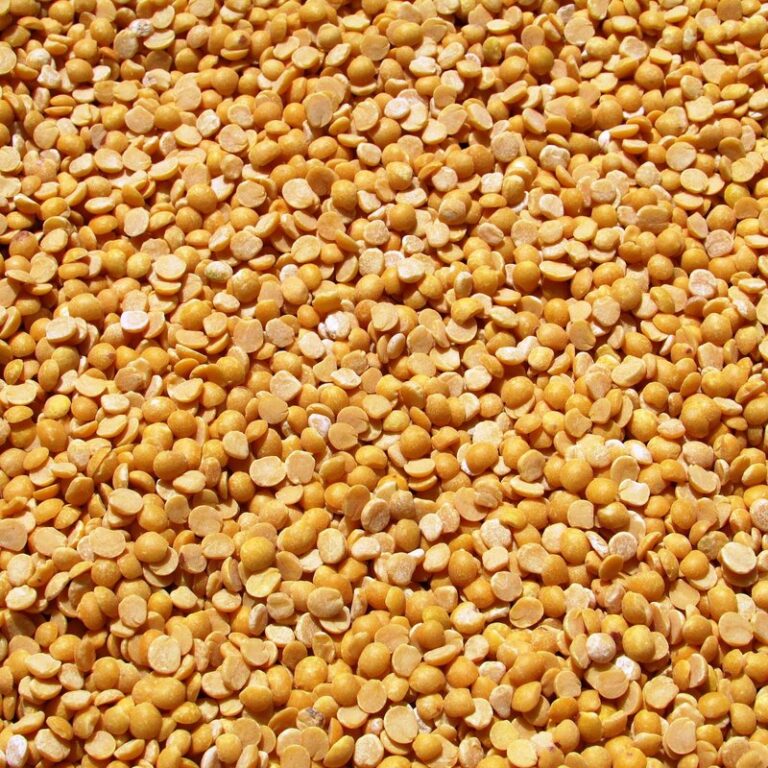
What are Pigeon Beans?
Let’s start by answering one of the most basic questions: what exactly are pigeon beans, and where do they come from to begin with?
Origin and History of Pigeon Beans
Pigeon beans have been an integral part of Indian cuisine for centuries. Their origins can be traced back to the Indus Valley Civilization, where they were considered a staple crop along with wheat and barley. The name ‘Toor dal’ is derived from the Tamil word ‘thuvaram paruppu,’ which literally translates to split red gram. This legume was not only a food source but also played a significant role in traditional medicine.
In ancient India, pigeon beans were used as an offering to gods and goddesses during special rituals and ceremonies. They were considered sacred due to their high protein content, which made them a vital component of the Indian diet. The versatility of pigeon beans is evident from the various ways they are cooked – boiled, steamed, or even roasted with spices. To this day, pigeon beans remain a fundamental ingredient in many traditional Indian recipes, including curries, stews, and rice dishes.
The historical significance of pigeon beans lies not only in their culinary use but also in their role as a currency during the Indus Valley period. They were used for trade and exchange, much like other valuable commodities of that time.
Types of Pigeon Beans
Pigeon beans come in various types, each with its unique characteristics and uses. One of the most widely available varieties is the Red Pigeon Bean, known for its high nutritional value and vibrant red color. These beans are rich in antioxidants and have been linked to several health benefits, including reducing inflammation and improving heart health.
Another popular variety is the White Pigeon Bean, which has a milder flavor than the red one and is often used in soups and stews. The Green Pigeon Bean, on the other hand, is higher in fiber and protein content, making it an excellent choice for those looking to manage their weight or improve digestive health.
The Black Pigeon Bean is another lesser-known variety that has gained popularity due to its high mineral content and potential anti-inflammatory properties. When selecting pigeon beans, consider the recipe you’re using them in – red beans pair well with spicy dishes, while white beans are better suited for soups and stews. Experimenting with different varieties can help you discover new flavors and health benefits.
Nutrition Facts and Health Benefits
Let’s dive into the world of pigeon beans, exploring their impressive nutritional profile and the various health benefits they offer to those who consume them. You’ll discover why this versatile legume is a great addition to any healthy diet.
Protein Content and Digestibility
Pigeon beans are an excellent source of protein, making them an ideal option for vegetarians and vegans. A single cup of cooked pigeon beans contains approximately 15 grams of protein, which is about 30% of the recommended daily intake. This high protein content is due to their rich composition of essential amino acids like lysine, methionine, and tryptophan.
Research conducted by the United States Department of Agriculture (USDA) has shown that pigeon beans have a protein digestibility coefficient (PDC) of 0.83, indicating that about 83% of their protein content can be easily absorbed by the body. This is significantly higher than many other legumes like kidney beans and chickpeas.
This high digestibility makes pigeon beans an excellent option for individuals with sensitive stomachs or those who have trouble absorbing protein from other sources. In fact, a study published in the Journal of Food Science found that consuming pigeon beans improved nitrogen balance and increased muscle mass in rats. To incorporate more protein-rich pigeon beans into your diet, try adding them to soups, stews, salads, or stir-fries for an extra nutritional boost.
Fiber and Nutrient Content
Pigeon beans are an excellent source of essential minerals, including iron, zinc, and potassium. Iron is crucial for healthy red blood cells, while zinc supports immune function and wound healing. Potassium, on the other hand, helps maintain a stable heart rhythm and promotes bone health.
A 100-gram serving of pigeon beans provides approximately 3.5 milligrams of iron, which is about 25% of the recommended daily intake for adults. Zinc content is also notable, with a single serving providing around 1.7 milligrams, or about 15% of the recommended daily value. Potassium levels are equally impressive, with 10% of the recommended daily value found in just one serving.
To maximize the nutrient benefits of pigeon beans, it’s essential to cook them properly. Boiling or steaming can help retain most of their nutrient content, especially water-soluble vitamins like vitamin B6 and folate. You can also try pressure cooking for a shorter cooking time while preserving more nutrients than boiling.
Potential Health Benefits
Consuming pigeon beans has been associated with several potential health benefits that can contribute to overall well-being. One of the most significant advantages is its ability to help reduce blood pressure levels. Studies have shown that incorporating pigeon beans into a balanced diet can lead to a decrease in systolic and diastolic blood pressure, thereby reducing the risk of cardiovascular disease.
In addition to lowering blood pressure, pigeon beans have also been found to have a positive impact on cholesterol levels. The high fiber content in these beans helps bind to bile acids and remove them from the body, which can lead to a decrease in LDL (bad) cholesterol levels. This reduction in cholesterol levels further contributes to a lower risk of heart disease.
Pigeon beans are also rich in antioxidants and polyphenols, which help combat inflammation in the body. Chronic inflammation has been linked to various health conditions, including arthritis, diabetes, and certain types of cancer. By incorporating pigeon beans into your diet, you can potentially reduce inflammation and improve overall health.
Cooking Methods and Preparations
When cooking with pigeon beans, understanding various preparation methods is essential for unlocking their full flavor potential and nutritional benefits. Let’s explore the best ways to cook these versatile legumes.
Traditional Indian Recipes
In Indian cuisine, pigeon beans are a staple ingredient in many traditional recipes. One of the most popular dishes featuring pigeon beans is dal makhani, a rich and creamy lentil curry originating from the Punjab region. To make this dish, you’ll need to soak 1 cup of pigeon beans overnight and then boil them until they’re tender. Meanwhile, sauté onions, ginger, and garlic in ghee or oil, before adding red chilies, cumin powder, coriander powder, and a can of kidney beans for added texture.
Another beloved Indian dish featuring pigeon beans is sambhar, a spicy lentil-based stew commonly served with idlis (steamed rice cakes) or dosas (fermented crepe). To make this flavorful stew, simply sauté onions, ginger, garlic, and chilies in oil before adding 1 cup of pigeon beans, 2 cups of split red lentils, and a can of diced tomatoes. Season with turmeric powder, coriander powder, and a pinch of cumin powder for an authentic taste.
For both recipes, it’s essential to note that pigeon beans take longer to cook than regular beans due to their denser texture. To ensure they’re tender, simply add more cooking time or pressure-cook them until they’re soft.
International Variations
Pigeon beans are a staple ingredient in many international cuisines, particularly in African and Latin American cooking. In West Africa, pigeon beans are often used to make a hearty stew called “akara,” which is made by grinding the beans into a paste and frying them with onions and spices. This dish is a common breakfast food in countries such as Nigeria and Ghana.
In Brazil, pigeon beans are known as “feijão preto” and are often used in dishes like feijoada, a rich stew made with black beans, meat, and vegetables. In other parts of Latin America, such as Cuba and Dominican Republic, pigeon beans are cooked with garlic, onions, and spices to make a flavorful side dish.
To incorporate pigeon beans into your international cooking repertoire, start by experimenting with different seasonings and spices. For example, try adding cumin and coriander to give your dishes an African flair or use smoked paprika for a Latin American twist. Don’t be afraid to mix and match ingredients to create unique flavor combinations. With a little creativity, you can unlock the full potential of pigeon beans in your kitchen.
Easy Ways to Incorporate Pigeon Beans into Your Diet
Incorporating pigeon beans into your diet is easier than you think. These versatile legumes can be cooked and prepared in a variety of ways to suit different tastes and preferences.
One simple way to add pigeon beans to your meals is by incorporating them into traditional dishes like stews, soups, or curries. Try adding 1/2 cup of cooked pigeon beans to your favorite chili recipe for an extra boost of protein and fiber. You can also use them as a substitute for kidney beans in recipes.
For a more exotic flavor, try roasting pigeon beans in the oven with some olive oil, salt, and pepper until crispy. This makes a delicious side dish or snack on its own. Another option is to puree cooked pigeon beans with herbs and spices to make a tasty hummus-style dip for vegetables.
To get started, keep some dried pigeon beans on hand and store them in an airtight container. Cook 1 cup of dried beans by soaking them overnight and then boiling until tender. From there, the possibilities are endless – experiment with different seasonings and cooking methods to find your favorite ways to enjoy pigeon beans.
Uses Beyond Cooking: Beauty and Wellness Benefits
Beyond cooking, pigeon beans hold a treasure trove of beauty and wellness benefits that can transform your skincare routine and overall health. Let’s explore some surprising uses for this incredible legume!
Skin Care and Moisturizing Properties
When it comes to skin care and moisturizing properties, pigeon bean paste or oil is gaining attention for its potential benefits. Rich in antioxidants, vitamins, and fatty acids, these compounds work synergistically to nourish and protect the skin.
Some of the key benefits include improved hydration, reduced inflammation, and enhanced collagen production. This can be attributed to the high levels of vitamin E and essential fatty acids present in pigeon beans. For instance, a study found that topical application of pigeon bean oil significantly increased moisture content in the skin, resulting in improved elasticity and firmness.
To harness these benefits, try using pigeon bean paste or oil as a facial mask or body lotion. Mix it with a carrier oil like coconut or olive oil for enhanced absorption. Alternatively, add a few drops to your regular moisturizer or serum for an extra dose of hydration. As with any new skincare product, patch test the mixture on a small area before applying it extensively. With consistent use and proper care, pigeon bean paste or oil may help you achieve healthier, more radiant-looking skin.
Hair and Scalp Health
Pigeon beans are a treasure trove of beauty benefits, particularly when it comes to hair and scalp health. One of the most significant advantages of using pigeon beans is their ability to promote healthy hair growth. Rich in protein, minerals, and antioxidants, pigeon beans help strengthen hair follicles, reducing breakage and split ends. To reap these benefits, you can try making a paste by grinding pigeon beans into a fine powder and mixing it with coconut oil or olive oil. Apply this mask once a week for optimal results.
But that’s not all – pigeon beans also possess anti-dandruff properties, helping to soothe an itchy scalp and reduce flaking. The presence of saponins in pigeon beans creates a gentle exfoliating effect, removing dead skin cells and promoting healthy scalp balance. To tackle dandruff, try soaking pigeon beans overnight and then grinding them into a fine paste with lemon juice. Apply this mixture directly to the affected area for up to 30 minutes before rinsing.
When using pigeon beans for hair and scalp care, remember to be patient – consistent use can take time to show results. But trust us, the payoff is well worth it: strong, luscious locks and a healthy, flake-free scalp that’s sure to turn heads!
Potential Anti-Aging Effects
Pigeon beans have been utilized for their anti-aging properties in various cultures, particularly in traditional Indian and Ayurvedic medicine. The bean’s rich antioxidant content is believed to help combat fine lines, wrinkles, and age spots by neutralizing free radicals and promoting collagen production.
One of the primary ways to harness these benefits is through topical application. You can create a paste by grinding pigeon beans into a fine powder and mixing it with yogurt or honey. Apply this paste directly to the skin, ideally after cleansing and toning, for an intense anti-aging treatment.
Incorporating pigeon bean extracts or powders into your skincare routine can also have remarkable results. Look for products that contain standardized extracts of pigeon beans, as they provide a concentrated dose of antioxidants and other beneficial compounds. When using these products, be sure to follow the manufacturer’s instructions carefully and patch test any new ingredients on a small area of skin.
While individual results may vary, incorporating pigeon beans into your beauty routine can lead to smoother, more radiant skin over time.
Growing Pigeon Beans: Tips for Gardeners
Growing pigeon beans can be a rewarding experience, but it requires some specific care and attention to produce a bountiful harvest. With these expert tips, you’ll be well on your way to success in no time!
Climate and Soil Requirements
To grow pigeon beans successfully, you need to create an environment that mimics their natural habitats. Pigeon beans thrive in warm and subtropical climates with average temperatures ranging from 65°F to 85°F (18°C to 30°C). They are sensitive to frost, so it’s essential to plant them after the last frost date in your area.
In terms of soil requirements, pigeon beans prefer well-draining, rich soils that are high in organic matter. The ideal pH range for growing pigeon beans is between 6.0 and 7.0. If your soil lacks nutrients or has poor drainage, consider using a mix of compost and perlite to improve its structure.
It’s also crucial to plant pigeon beans in full sun, as they require at least six hours of direct sunlight per day. When selecting a location for your pigeon bean plants, choose one that is relatively sheltered from strong winds, which can cause the plants to sway excessively and reduce their yields. By creating a suitable climate and soil environment, you’ll be well on your way to growing delicious and nutritious pigeon beans in your garden.
Sowing and Harvesting Techniques
When it comes to growing pigeon beans, sowing and harvesting techniques play a crucial role in determining their quality and yield. To sow pigeon bean seeds effectively, start by selecting a well-draining spot with full sun exposure. Sow the seeds 1-2 inches deep and 6-8 inches apart, depending on the variety you’re using.
Make sure to water the soil gently but thoroughly after sowing. Keep the soil consistently moist during the first few weeks after planting, as this will help the seeds germinate quickly. As the plants grow, reduce watering to about 1 inch per week.
When it comes time to harvest, look for pods that are plump and have a deep green color. Cut them from the plant using scissors or pruning shears, leaving a small piece of stem attached to the pod. This will help you avoid damaging the beans inside. Harvest your pigeon beans regularly, as this will encourage the plants to produce more.
To get the most out of your harvest, consider sowing multiple varieties of pigeon beans in succession, allowing each crop to mature before planting again.
Common Challenges and Solutions for Home Gardeners
Growing pigeon beans can be a rewarding experience, but it’s not without its challenges. As a home gardener, you may encounter issues with pests, diseases, and poor soil quality. For example, pigeons love to eat the tender shoots of young plants, which can lead to significant damage if left unchecked.
To combat this issue, consider using row covers or fine mesh to protect your plants from bird predation. Another challenge is dealing with fungal diseases like powdery mildew, which thrive in warm and humid conditions. To prevent these issues, make sure to plant pigeon beans in well-ventilated areas and maintain good air circulation.
Another common problem is soil nutrient deficiency, especially nitrogen, phosphorus, and potassium. To address this, incorporate organic matter like compost or manure into your soil before planting. Regularly monitoring your plants’ water needs and maintaining a balanced fertilizer schedule can also help prevent nutritional deficiencies. By being proactive and taking preventative measures, you can overcome common challenges and enjoy a successful pigeon bean harvest.
Frequently Asked Questions (FAQs)
We’ve got you covered if you have any questions about pigeon beans – check out our FAQ section for answers to your most pressing queries!
Storage and Shelf Life
Storing pigeon beans properly is crucial to maintaining their flavor, texture, and nutritional value. To keep them fresh for an extended period, store them in a cool, dry place, such as a pantry or cupboard. It’s essential to avoid storing them near heat sources, direct sunlight, or moisture-prone areas.
For optimal storage, transfer the pigeon beans to an airtight container, like a glass jar or plastic bin with a tight-fitting lid. This will prevent air from entering and causing the beans to dry out. You can also store them in their original packaging if it’s designed for long-term storage.
When storing pigeon beans, make sure to label the container with the date you stored them. This will help you keep track of how long they’ve been stored and ensure you use the oldest ones first. Pigeon beans can be stored for up to 12 months when kept properly. However, it’s recommended to use them within 6-9 months for optimal flavor and texture.
To check if your pigeon beans are still good, inspect them regularly for signs of spoilage. Look for mold, rust spots, or an off smell, which can indicate that the beans have gone bad. If you notice any of these issues, it’s best to err on the side of caution and discard the beans to ensure food safety.
Substitutes and Alternatives
If you’re unable to find pigeon beans in stores or prefer not to use them in recipes, there are several substitutes and alternatives that can provide similar nutritional benefits. For instance, garbanzo beans (chickpeas) have a slightly sweet flavor and firm texture, making them an excellent substitute in curries, stews, and salads.
In some African countries where pigeon beans are commonly used, black-eyed peas or cowpeas are often substituted due to their similar texture and mild flavor. These alternatives can be cooked in a variety of ways, including boiling, roasting, or sautéing with spices.
When substituting pigeon beans with other legumes, keep in mind that cooking times may vary depending on the type and quantity used. It’s also essential to note that some substitutes may have different flavor profiles, so you may need to adjust seasoning accordingly.
To get the most out of these alternatives, try experimenting with different seasonings, herbs, and spices to create unique flavor combinations that complement their natural taste.
Conclusion and Final Thoughts
Now that we’ve explored the incredible world of pigeon beans, let’s wrap up our journey by summarizing key takeaways and final thoughts on their impact.
Recap of Key Points
In this ultimate guide to pigeon beans, we’ve explored the various aspects of these nutrient-rich legumes. To recap, pigeon beans are an excellent source of protein, fiber, and essential minerals like iron and zinc. They offer numerous health benefits, including improved digestion, boosted energy levels, and even support for weight management.
Some of the key points covered in this article include:
* The unique nutritional profile of pigeon beans, making them a great option for vegans and vegetarians.
* The various uses of pigeon beans in cooking, from traditional dishes like curries and stews to modern recipes like salads and stir-fries.
* How to incorporate pigeon beans into your diet, including tips on cooking methods and portion sizes.
Remember, the key to reaping the benefits of pigeon beans is to consume them regularly as part of a balanced diet. Try experimenting with different recipes and find ways to make pigeon beans a staple in your kitchen. With their impressive nutritional profile and versatility in cooking, it’s no wonder why pigeon beans are gaining popularity worldwide.
Encouraging Readers to Try Pigeon Beans
As we come to the end of this comprehensive guide to pigeon beans, we hope you’re now equipped with the knowledge and confidence to incorporate these nutritious legumes into your daily meals. But before we bid adieu, let’s talk about encouraging readers like you to give pigeon beans a try.
We know that trying new foods can be intimidating, especially if they’re unfamiliar or don’t fit within our usual culinary comfort zones. However, with its mild flavor and versatility in various dishes, pigeon beans are an excellent place to start. To begin with, consider adding them to your favorite stews or soups for a protein-rich boost.
If you’re feeling adventurous, try experimenting with different seasonings and spices to give pigeon beans a unique twist. For instance, you could marinate them in a mixture of olive oil, garlic, and herbs before roasting in the oven for a flavorful side dish. The possibilities are endless! By taking small steps like these, you’ll not only discover a new favorite food but also reap the numerous health benefits that pigeon beans have to offer.
Some of our readers have successfully transitioned to incorporating pigeon beans into their meals on a regular basis and have reported improved digestion, increased energy levels, and even weight management. Your body – and taste buds – will thank you for giving pigeon beans a chance. So go ahead, give them a try, and join the growing community of pigeon bean enthusiasts!
Frequently Asked Questions
Can I grow pigeon beans indoors, or do they require a lot of space outdoors?
Yes, you can definitely grow pigeon beans indoors, especially if you have limited space. They are relatively easy to care for and can thrive in containers as small as 6-8 inches deep. Make sure the container has good drainage holes, provide adequate sunlight (at least 4-5 hours a day), and keep the soil consistently moist.
How do I store pigeon beans properly to maintain their nutritional value?
To preserve the nutrient-dense qualities of pigeon beans, store them in an airtight container in a cool, dry place. Keep them away from direct sunlight and moisture. You can also freeze them or dehydrate them for longer-term storage. If you choose to refrigerate, make sure they are completely dry first.
Can I use pigeon beans as a substitute for other types of legumes?
Yes, pigeon beans have similar nutritional profiles to other legumes like lentils and chickpeas, making them a great substitute in many recipes. However, their texture can be slightly different, so some experimentation might be necessary to find the right balance.
How do I incorporate pigeon beans into my diet if I’m new to cooking with them?
Start by adding pigeon beans to your favorite soups or stews for a protein boost. You can also try making simple dishes like dal (lentil soup) or curries. Experiment with different spices and flavor combinations to find what you enjoy most.
Can pigeon beans be used as a beauty treatment, or are there any specific recipes I should follow?
While the article covered some of the potential skin care benefits, for more detailed guidance on using pigeon beans in beauty treatments, look for specific skincare recipe guides online. You can also consult with a healthcare professional before trying new products or treatments, especially if you have sensitive skin.