
Passionflower fruit is often overlooked in favor of its more famous cousin, the passionflower vine. But this little-known fruit holds some amazing secrets that can boost your health and wellbeing. Packed with antioxidants and boasting anxiolytic effects, passionflower fruit is a natural remedy waiting to be unleashed. If you’re looking for a way to reduce stress and anxiety without relying on synthetic medications, then keep reading.
This article will delve into the hidden benefits of passionflower fruit, exploring its potential uses and how it can be harnessed for better health. From improving sleep quality to reducing inflammation, we’ll uncover the many advantages of incorporating this superfood into your diet. By the end of this article, you’ll have a deeper understanding of the power of passionflower fruit and be equipped with the knowledge to make informed decisions about its use in your life.
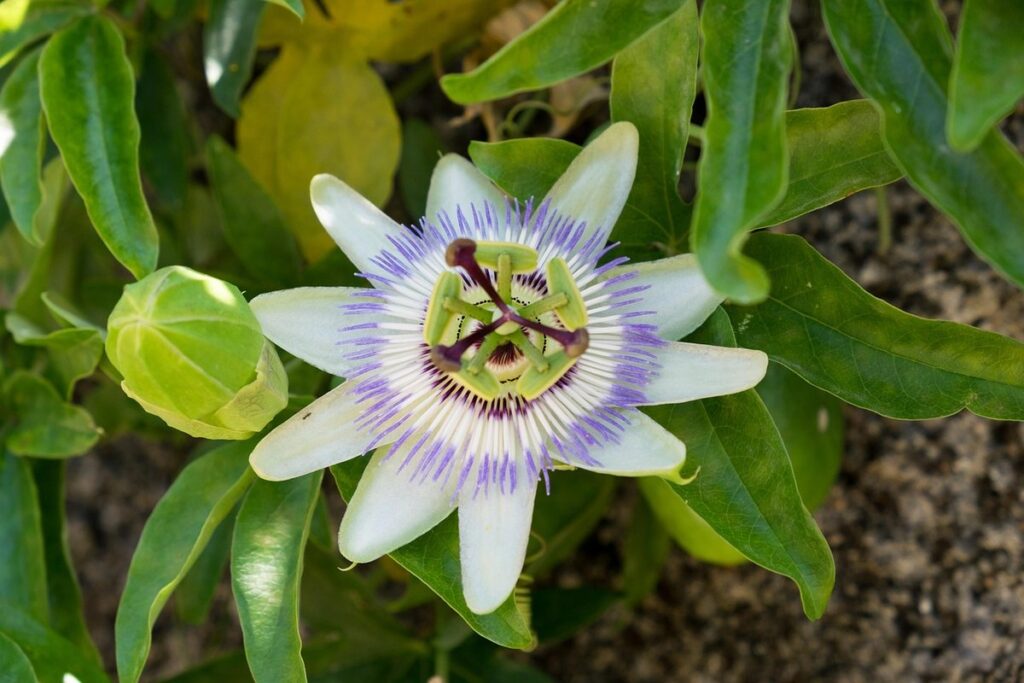
Introduction to Passionflower Fruit
Let’s dive into the wonderful world of passionflower fruit, exploring its unique characteristics and properties that make it a fascinating ingredient for both culinary and medicinal uses. We’ll examine its nutritional profile and potential health benefits.
What is Passionflower Fruit?
Passionflower fruit is a lesser-known but highly sought-after ingredient in the world of holistic medicine and culinary exploration. Native to the tropical regions of Central and South America, this delicate fruit has been cultivated for centuries by indigenous communities. Its cultural significance spans across ancient civilizations, where it was revered for its spiritual properties and used in traditional healing rituals.
In many parts of Latin America, passionflower fruit is still considered a treasured ingredient, often served at special occasions and celebrations. Its unique flavor profile, described as a sweet combination of pineapple and orange, has made it a staple in local cuisine. However, beyond its taste and cultural importance, passionflower fruit holds significant medicinal properties that have been extensively studied.
Research has shown that the fruit contains high levels of antioxidants, flavonoids, and alkaloids, which contribute to its therapeutic benefits. These compounds have been linked to improved sleep quality, anxiety relief, and anti-inflammatory effects. While more research is needed to fully understand the potential applications of passionflower fruit, early studies suggest a promising future for this natural ingredient in modern medicine.
History and Traditional Use of Passionflower
Passionflower has been a revered plant for centuries, its medicinal properties and uses well-documented across various cultures. The indigenous peoples of North America used passionflower to treat anxiety, insomnia, and epilepsy, while the Native American tribes considered it sacred for its calming effects. In traditional Chinese medicine, passionflower is employed to balance the body’s energy, or “qi,” and alleviate symptoms of anxiety and stress.
In Europe, passionflower was introduced by Spanish conquistadors in the 16th century and quickly gained popularity as a treatment for restlessness, tremors, and hysteria. The plant’s sedative properties made it an essential ingredient in many herbal remedies, often combined with other calming agents like valerian root or chamomile.
Interestingly, passionflower has been used not only as a medicinal herb but also in culinary and spiritual contexts. In some cultures, the fruit is considered a delicacy and eaten raw or used in jams, while others believe its flowers possess mystical powers that can bring good fortune.
Nutritional Profile of Passionflower Fruit
Passionflower fruit is a nutrient-rich food that offers a range of essential vitamins, minerals, and antioxidants. Let’s take a closer look at its nutritional profile.
Macronutrients and Fiber Content
Passionflower fruit is not only a rich source of antioxidants and medicinal compounds but also provides essential macronutrients for optimal health. Let’s dive into the macronutrient content and fiber benefits of this incredible superfood.
In terms of macronutrients, passionflower fruit is primarily composed of carbohydrates (22-25%), making it an excellent choice for energy-rich snacks or post-workout meals. A 100g serving of raw passionflower fruit contains approximately 15-18 grams of carbohydrates, with a significant portion being natural sugars like glucose and fructose. This carbohydrate content also explains the fruit’s relatively low glycemic index (GI) value, which is around 20-30. This means that it won’t cause a rapid spike in blood sugar levels.
The protein content of passionflower fruit is relatively low compared to other fruits, accounting for approximately 2-3% of its total weight. However, this shouldn’t deter you from incorporating it into your diet, as even small amounts can contribute to overall protein intake and support muscle growth and repair.
Fiber content is another key aspect of passionflower fruit’s nutritional profile. With a fiber content of about 5-7%, it surpasses many other popular fruits in terms of its ability to promote digestive health and satiety. Regular consumption of passionflower fruit can help regulate bowel movements, prevent constipation, and even support healthy blood sugar levels.
To maximize the benefits of passionflower fruit’s macronutrient content, consider pairing it with protein-rich foods or incorporating it into a balanced smoothie recipe that includes other fiber-rich ingredients like chia seeds or flaxseeds. This will help regulate your energy intake, support satiety, and promote overall digestive health.
Vitamin and Mineral Content
Passionflower fruit is not only a delicious addition to salads and desserts but also packed with essential vitamins and minerals. A 100-gram serving of passionflower fruit contains approximately 0.7 milligrams of vitamin C, which is about 1% of the recommended daily intake. It’s also a good source of potassium, providing around 8% of the daily value in just one serving.
In terms of B vitamins, passionflower fruit is a rich source of folate and thiamin, with approximately 10% and 5% of the recommended daily intake respectively. Other minerals present in passionflower fruit include magnesium, iron, and manganese, all of which play crucial roles in maintaining overall health.
The antioxidant properties of passionflower fruit are particularly noteworthy, thanks to its high content of flavonoids, phenolic acids, and carotenoids. These compounds help protect the body against oxidative stress, inflammation, and cell damage. The potential health benefits of consuming passionflower fruit include reducing inflammation, improving cardiovascular health, and supporting immune function.
When using passionflower fruit in your cooking or as a supplement, it’s essential to note that excessive consumption can lead to gastrointestinal side effects. As with any new food or supplement, start with small amounts and monitor your body’s response before increasing the serving size.
Medicinal Properties and Health Benefits
The passionflower fruit has been prized for centuries not only for its sweet taste, but also for its numerous health benefits and medicinal properties that can be harnessed in various ways. Let’s explore them further.
Antioxidant and Anti-Inflammatory Effects
Passionflower fruit is rich in antioxidants and anti-inflammatory compounds that contribute significantly to its medicinal properties. These bioactive molecules help neutralize free radicals in the body, which can damage cells and lead to chronic diseases. The fruit’s antioxidant profile includes flavonoids, phenolic acids, and carotenoids, among others. For instance, a study published in the Journal of Agricultural and Food Chemistry found that passionflower extract had high levels of anthocyanins, powerful antioxidants responsible for its purple color.
The anti-inflammatory compounds present in passionflower fruit, such as saponins and alkaloids, can help reduce inflammation and alleviate symptoms associated with conditions like arthritis. When consumed, these compounds may also promote relaxation and improve sleep quality. To reap the benefits of passionflower’s antioxidants and anti-inflammatory properties, consider incorporating it into your diet through juices, smoothies, or supplements. However, always consult a healthcare professional before making any significant changes to your regimen. In moderation, passionflower fruit can be a valuable addition to a balanced lifestyle, supporting overall health and well-being.
Anxiolytic and Sedative Effects
Passionflower has been traditionally used to alleviate anxiety and insomnia due to its unique combination of alkaloids and other bioactive compounds. Studies have shown that passionflower extracts can reduce the symptoms of anxiety disorders, such as generalized anxiety disorder (GAD) and social anxiety disorder (SAD), by modulating the activity of neurotransmitters like GABA and serotonin.
The anxiolytic effects of passionflower are attributed to its ability to inhibit the reuptake of these neurotransmitters, thereby increasing their availability in the synaptic cleft. This mechanism of action is similar to that of benzodiazepines, but with a safer side effect profile. In fact, one study found that passionflower extract was as effective as alprazolam (a common anxiolytic medication) in reducing anxiety symptoms.
If you’re considering using passionflower for anxiety or insomnia, start by steeping 1-2 teaspoons of dried flower in boiling water to make a tea. Drink it before bedtime to promote relaxation and improve sleep quality. You can also take passionflower supplements in capsule or tablet form, but be sure to follow the recommended dosage guidelines.
Preparations and Consumption Methods
To get the most out of passionflower fruit, you’ll need to know how to prepare it for consumption and what methods work best. We’ll explore these essential details next.
Infusions, Tinctures, and Teas
When it comes to utilizing passionflower fruit for its nutritional and medicinal properties, various preparations and consumption methods can be employed. Infusions are a popular method of extracting the active compounds from passionflower fruit. To make an infusion, simply add 1-2 teaspoons of dried or fresh passionflower fruit to a cup of boiling water and let it steep for 5-7 minutes.
Tinctures are another effective way to harness the benefits of passionflower fruit. A tincture can be made by soaking 10-20 grams of dried passionflower fruit in 100ml of vodka or glycerin for several weeks, shaking the mixture regularly. Once the infusion process is complete, strain and discard the solids, leaving you with a concentrated liquid extract.
Passionflower tea is also an excellent way to enjoy the flavor and benefits of this incredible fruit. To make a tea, combine 1-2 teaspoons of dried passionflower fruit with other herbs like peppermint or chamomile for added taste and relaxation properties. Whether consumed as an infusion, tincture, or tea, passionflower fruit offers a wealth of nutritional and medicinal benefits that can be easily incorporated into your daily routine.
Culinary Uses and Recipes
When it comes to incorporating passionflower fruit into your culinary routine, the possibilities are vast and exciting. This unique ingredient brings a subtle sweetness and an exotic twist to various dishes, making it perfect for adventurous cooks and health enthusiasts alike.
One of the most creative ways to use passionflower fruit is in salads, where its delicate flavor pairs beautifully with fresh greens, nuts, and seeds. Simply slice the fruit thinly and toss it with your favorite greens, a drizzle of olive oil, and a sprinkle of feta cheese for a refreshing summer salad.
Another delicious way to enjoy passionflower fruit is by incorporating it into smoothies or juices. Its subtle sweetness complements other fruits like berries and citrus, making it an excellent addition to morning boosters or post-workout treats. For a more indulgent treat, try using passionflower fruit in baked goods like cakes, muffins, or tarts – its unique flavor will add depth and character to your desserts.
Experimenting with different recipes will not only showcase the versatility of passionflower fruit but also allow you to reap its numerous nutritional benefits.
Safety Considerations and Side Effects
When working with passionflower fruit, it’s essential to be aware of potential safety concerns and possible side effects that may arise when using it as a supplement or adding it to your diet.
As we explore its medicinal properties, let’s discuss some important considerations to keep in mind.
Potential Interactions with Medications
When consuming passionflower fruit, it’s essential to be aware of potential interactions with prescription medications. Passionflower contains various bioactive compounds that may interact with certain drugs, affecting their efficacy and safety.
For pregnant or breastfeeding individuals, it’s crucial to exercise caution when consuming passionflower fruit. While there is limited research on the specific effects of passionflower on fetal development or infant health, some animal studies suggest potential risks associated with high doses. If you’re pregnant or breastfeeding, consult your healthcare provider before incorporating passionflower into your diet.
In terms of interactions with prescription medications, passionflower may enhance the sedative effects of benzodiazepines and other central nervous system depressants. It’s also possible for passionflower to interact with antidepressant medications, such as SSRIs, which can lead to increased serotonin levels and potential side effects like headaches or dizziness.
To minimize risks, always consult your healthcare provider before combining passionflower with any prescription medications. They can help you weigh the benefits of consuming passionflower fruit against potential interactions and provide guidance on safe dosages.
Common Side Effects and Allergic Reactions
While passionflower fruit is generally considered safe for consumption, some individuals may experience common side effects and allergic reactions. Symptoms can range from mild to severe, and it’s essential to be aware of them to ensure a comfortable and enjoyable experience.
Common side effects of consuming passionflower fruit include dizziness, drowsiness, and stomach upset. These symptoms are usually temporary and resolve on their own within a few hours. However, if you’re taking prescription medications or have underlying health conditions, it’s crucial to consult with your healthcare provider before adding passionflower fruit to your diet.
Allergic reactions to passionflower fruit can be more severe and require immediate medical attention. Symptoms may include difficulty breathing, rapid heartbeat, and hives. If you experience any of these symptoms after consuming passionflower fruit, seek help immediately.
To minimize the risk of side effects, start with small amounts (about 1/4 teaspoon) and gradually increase your dosage as needed. Also, be cautious when combining passionflower fruit with other herbs or supplements, as this may amplify its sedative effects.
Conclusion: Harnessing the Power of Passionflower Fruit
Now that we’ve explored the nutritional and medicinal properties of passionflower fruit, let’s discuss how to harness its potential for a healthier you.
Recap of Key Takeaways
As we conclude our exploration of the incredible passionflower fruit, let’s take a moment to recap the key takeaways from this article. We’ve delved into the rich nutritional profile of this superfood, highlighting its impressive array of vitamins, minerals, and antioxidants that make it an excellent addition to any diet.
One of the primary benefits of passionflower fruit is its natural ability to soothe anxiety and stress-related disorders. Rich in flavonoids and alkaloids, these compounds work synergistically to promote relaxation, reduce inflammation, and regulate mood. The article also touched on the fruit’s potential applications in addressing sleep disorders, citing research indicating that it can significantly improve sleep quality and duration.
We also discussed the passionflower fruit’s impressive medicinal properties, including its antimicrobial and anti-inflammatory actions, which make it a promising natural remedy for various health concerns. Its ability to boost the immune system, reduce oxidative stress, and exhibit anticancer properties further solidify its status as a valuable resource in our pursuit of holistic well-being.
In practical terms, incorporating passionflower fruit into your diet is easier than you think. Add its juice or extract to smoothies, salads, or use it as a topping for oatmeal or yogurt. You can also explore using the fruit’s extracts as supplements, but be sure to consult with a healthcare professional before making any changes.
To maximize the benefits of passionflower fruit, pair it with other nutrient-dense foods and engage in regular physical activity to unlock its full potential. Remember, this superfood is not just a tasty addition to your meals – it’s also a powerful tool for supporting overall health and wellness. By harnessing the power of passionflower fruit, you’ll be taking a significant step towards cultivating a healthier, happier life.
Frequently Asked Questions
Can I use passionflower fruit as a substitute for prescription medications?
While passionflower fruit has anxiolytic effects, it’s essential to consult with a healthcare professional before using it as a replacement for prescription medication. Passionflower fruit may interact with certain medications or exacerbate underlying conditions.
How long does it take for the health benefits of passionflower fruit to manifest?
The timeframe for experiencing the benefits of passionflower fruit can vary depending on individual factors, such as starting dose and overall health. Some people report noticing improvements in sleep quality and reduced anxiety within a few days to a week of consistent use.
Can I consume passionflower fruit raw or must it be prepared in a specific way?
Passionflower fruit can be consumed raw, but its anxiolytic effects may be more pronounced when prepared as an infusion, tincture, or tea. This is because the active compounds are more easily absorbed and utilized by the body through these preparations.
Is passionflower fruit safe for children and pets to consume?
While passionflower fruit has potential health benefits, it’s essential to exercise caution when using it around children and pets. As with any herbal remedy, start with small amounts and monitor their response. Consult a healthcare professional before giving passionflower fruit to minors or household pets.
Can I grow my own passionflower vine for the fruit?
Passionflower vines are relatively easy to cultivate in tropical regions, but they require specific climate conditions. If you live in an area with suitable temperatures (above 64°F) and humidity, you can attempt to grow a passionflower vine from seeds or cuttings. Research local regulations and follow proper cultivation techniques to ensure success.