
When it comes to growing tomatoes from seed, getting the conditions just right is crucial for optimal growth. One often overlooked aspect is the ideal temperature range for tomato germination – and it’s surprising how much of a difference it can make. You see, most seeds will sprout within 7-14 days, but only if they’re given the perfect conditions to thrive. This is where knowledge of tomato germination temperature comes in handy.
As you know, temperatures that are too high or too low can significantly impact seed viability and growth rate. So what’s the ideal range? Let’s dive into the specifics of how to achieve optimal conditions for faster growth and healthier seedlings – from 70°F to 80°F – and learn how to create a perfect environment for your tomato seeds to germinate and flourish.
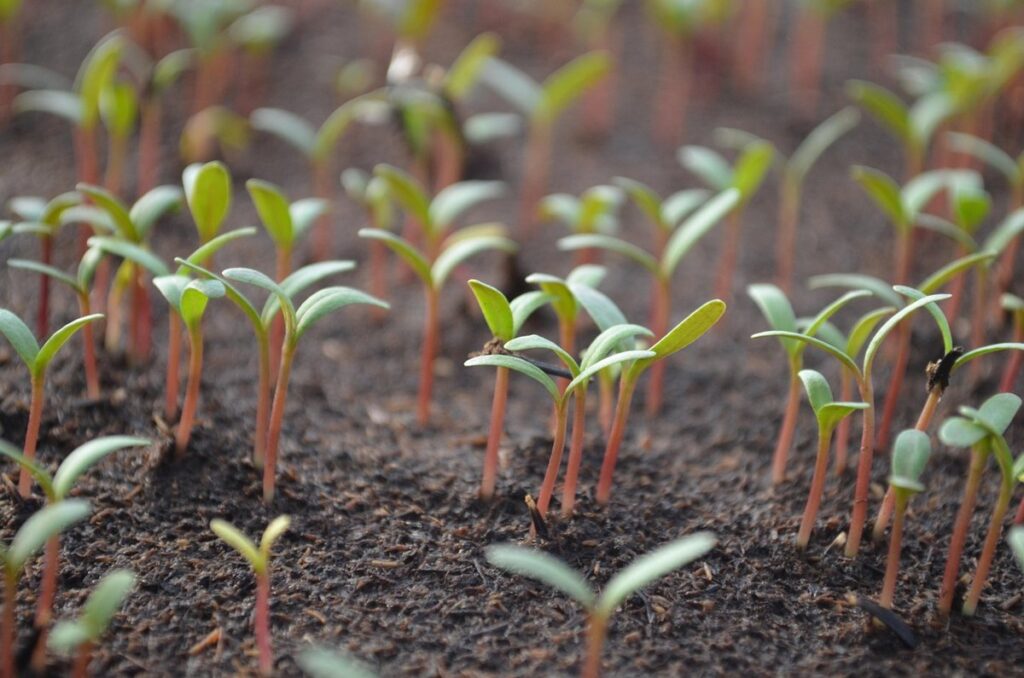
Understanding Tomato Germination
To truly grasp tomato germination, it’s crucial to understand how temperature affects the process, and where your seedlings will thrive. Let’s dive into what happens during this critical stage.
The Importance of Seed Quality
When it comes to growing healthy and robust tomato plants, seed quality is often overlooked. However, high-quality seeds are crucial for successful germination, especially when considering optimal temperature conditions.
Seed viability refers to the percentage of seeds that will germinate under ideal conditions. Factors such as storage conditions can significantly impact seed viability. Seeds stored in a cool, dry place with low humidity tend to retain their viability longer than those exposed to heat or moisture fluctuations. A study by the University of Wisconsin found that 90% of tomato seeds retained their viability after 12 months when stored at 4°C (39°F) and 40% relative humidity.
Genetic factors also play a significant role in seed quality. Tomato varieties bred for improved disease resistance, drought tolerance, or high-yielding potential may have varying levels of germination success due to their genetic makeup. Some heirloom varieties, on the other hand, might be more prone to variability in germination rates due to natural selection and adaptation processes.
To ensure you’re starting with high-quality seeds, inspect them for visible signs of damage before planting. A simple test can also indicate seed viability: fill a glass jar with water and let the seeds soak overnight. Seeds that sink to the bottom are likely viable, while those floating on top may not germinate.
Ideal Conditions for Germination
For tomato germination to occur optimally, it’s essential to provide the right conditions. The ideal temperature range for this process typically falls between 70°F to 80°F (21°C to 27°C). Within this range, you’ll find that seeds tend to sprout faster and more consistently.
Light exposure also plays a crucial role in seed germination. While tomatoes can grow under various light conditions, most seeds require some level of darkness to initiate the germination process. Providing complete darkness for the first few days after planting allows the seedlings to develop strong roots without competing with photosynthesis for resources.
In practice, you can achieve this by placing your seed trays or pots in a dark location, such as a cupboard or drawer. Once the seeds have sprouted and begun growing their first set of leaves (around 1-2 inches tall), it’s safe to move them to a bright, sunny spot or under grow lights. This approach helps ensure that your seedlings receive adequate light for healthy development without stressing them with too much intensity too early on.
In terms of maintaining the optimal temperature range, consider using heating mats or placing pots near a warm window during cooler months. Avoid exposing seeds to extreme temperatures (above 85°F/29°C or below 55°F/13°C), as this can lead to inconsistent germination rates and weak seedlings.
Temperature Ranges for Tomato Germination
When it comes to getting your tomato seeds off to a healthy start, understanding optimal temperature ranges is crucial. Here’s what you need to know about the ideal temperatures for tomato seed germination.
Optimal Temperature Range: 70-80°F (21-27°C)
When it comes to tomato germination temperature, the optimal range of 70-80°F (21-27°C) is ideal for achieving faster and healthier seedlings. This range allows for an optimal balance between moisture retention and gas exchange, which is essential for seedling development.
Within this range, you can expect to see significant improvements in germination rates compared to temperatures outside the optimal zone. For instance, a study on tomato germination found that seeds planted at 75°F (24°C) had a significantly higher germination rate (85%) than those planted at 60°F (16°C) or 90°F (32°C). This increased germination rate is crucial for getting a head start on the growing season.
Not only does this temperature range promote faster germination, but it also leads to healthier seedlings. Seedlings grown within the optimal temperature range tend to have more robust root development and less susceptibility to fungal diseases. To take advantage of this ideal temperature range, make sure to maintain a consistent temperature between 70-80°F (21-27°C) in your indoor or outdoor growing space.
Warmer Temperatures: 80-90°F (27-32°C)
When it comes to tomato germination, warmer temperatures between 80-90°F (27-32°C) can be beneficial for seedlings. This range is often considered optimal for rapid growth and development. However, it’s essential to weigh the pros and cons of using these warmer temperatures.
Using warmer temperatures can lead to increased seedling vigor, allowing them to grow faster and stronger. Many commercial growers swear by this temperature range for its ability to produce robust seedlings. For instance, a study found that tomato seeds germinated at 85°F (29°C) had higher seedling vigor compared to those germinated at lower temperatures.
However, there are potential drawbacks to using warmer temperatures. One significant con is reduced root development. At temperatures above 90°F (32°C), the roots may not develop properly, leading to weak and spindly plants. This can result in reduced yields and increased susceptibility to disease. To balance the benefits of warm temperatures with the need for healthy root development, consider reducing the temperature slightly after germination to allow the roots to establish themselves.
Cooler Temperatures: Below 60°F (15°C)
When it comes to cooler temperatures below 60°F (15°C), tomato germination slows down significantly. This temperature range is considered ideal for some other vegetables, but not so much for tomatoes. At around 55-58°F (13-14°C), the seedlings will start to grow, but at a pace that’s roughly half of what they would at optimal temperatures.
If you’re planning to sow seeds in early spring or late summer/early fall, be prepared for slower germination and potential reduced viability. For example, a study on tomato germination found that the germination rate dropped by nearly 20% when seeds were sown at 55°F (13°C) instead of 75°F (24°C). This can lead to weaker seedlings, which may struggle to establish themselves in the garden.
To increase chances of successful germination at cooler temperatures, make sure the soil is well-draining and has a pH between 6.0-7.0. It’s also essential to provide adequate light, as cool temperatures can limit photosynthesis. Give your seedlings time to adjust – it may take longer for them to emerge, but with proper care, they’ll eventually catch up.
How Temperature Affects Seed Germination
Now that we’ve discussed ideal temperature ranges, let’s dive into how temperature affects seed germination and what you can do to optimize your tomato seeds’ chances.
The Role of Enzymes in Germination
During germination, enzymes play a crucial role in seedling development. Temperature affects enzyme activity, influencing the rate and efficiency of various biochemical processes. For example, amylases and proteases are essential for breaking down starches and proteins into simpler sugars and amino acids that fuel growth.
As temperature fluctuations affect enzyme activity, optimal temperatures can either enhance or hinder germination. In tomato seeds, a temperature range of 25-30°C is generally considered ideal for maximum enzyme activity. Within this range, enzymes such as dehydrogenases and peroxidases work in tandem to regulate the balance between energy production and oxidative stress.
Understanding how temperature influences enzyme activity can help you fine-tune your seed starting process. If temperatures are consistently too high or low, it may be necessary to adjust the environment, such as providing supplemental heat or relocating the seeds to a more stable location. By paying attention to these subtleties, you’ll be better equipped to coax even the most reluctant tomato seeds into healthy, thriving seedlings.
Seed Dormancy and Stratification
Seed dormancy is a natural phenomenon where seeds remain inactive until environmental conditions become favorable for germination. Temperature plays a crucial role in breaking seed dormancy. Tomato seeds typically require a period of cold stratification to initiate germination.
When tomato seeds are exposed to warm temperatures (around 70-80°F or 21-27°C), they may not germinate due to seed dormancy. In contrast, exposing them to cooler temperatures between 35-55°F (2-13°C) can stimulate germination. This temperature range breaks down the seed’s natural resistance and allows it to absorb water and initiate growth.
Stratification involves maintaining seeds at a consistent cool temperature for several weeks or months. For tomato seeds, this typically ranges from 35-50°F (2-10°C). By stratifying seeds in moist peat moss or vermiculite, you can mimic the natural winter conditions that help break dormancy. This step is particularly useful if you’re starting seeds indoors before the last frost date.
Keep in mind that some tomato varieties are more sensitive to temperature fluctuations than others. Always check the specific seed package instructions for optimal stratification and germination temperatures.
Tips for Achieving Optimal Temperature Control
Now that you know the ideal temperature range for tomato germination, let’s dive into some practical tips to help you achieve optimal temperature control in your seed starting setup.
Controlling Temperature: Methods and Materials
Maintaining optimal temperature during tomato germination is crucial for healthy seedling development. One effective method to control temperature is by using heating mats specifically designed for plant growth. These mats are thermostatically controlled, ensuring a consistent warmth that promotes even germination and root development. When selecting a heating mat, consider the seed tray’s size and the desired temperature range.
Another essential tool is a reliable thermometer. Digital thermometers provide precise readings, allowing you to monitor temperature fluctuations throughout the day. It’s recommended to place the thermometer close to the seeds but not touching them to avoid any potential damage.
Humidity control is equally vital in maintaining an optimal temperature environment. Covering the seed tray with a clear plastic bag or cloche helps retain moisture and maintain a stable temperature, usually between 65°F (18°C) and 75°F (24°C). Be cautious not to overwater by checking the soil’s moisture level regularly.
Regularly monitoring your setup with these tools will help you achieve optimal temperature control for successful tomato germination.
Minimizing Temperature Fluctuations
Maintaining a stable temperature is crucial for tomato seeds to germinate and grow evenly. However, it’s common for home gardeners and professional growers alike to experience fluctuations in temperature, which can impact seedling health and growth. To minimize these variations, consider using a heat mat or a propagation tray with built-in heating elements. These tools can help maintain a consistent temperature of around 70-80°F (21-27°C) during the day and no lower than 55°F (13°C) at night.
Another effective way to reduce temperature fluctuations is to ensure proper ventilation in your growing space. Good air circulation helps to dissipate excess heat generated by lamps or other equipment, preventing hot spots that can stress seedlings. You can also use a thermometer to monitor the temperature and adjust your heating or cooling system accordingly.
Remember to keep your growing area away from drafts, doors, and windows to prevent cold air from entering and affecting the temperature. By taking these precautions, you’ll be able to provide your tomato seeds with the stable temperature they need to thrive.
Advanced Considerations: Greenhouses and Indoor Growing
If you’re planning to grow tomatoes indoors or in a greenhouse, understanding optimal germination temperatures is just the starting point. This advanced considerations section will help you navigate these specialized growing conditions.
Greenhouse Management for Tomato Germination
Maintaining optimal temperatures in greenhouses is crucial for successful tomato germination. One of the unique challenges faced by greenhouse growers is climate control systems. These systems can be prone to errors, leading to temperature fluctuations that affect seedling growth. For example, a study found that even small temperature changes can impact germination rates, with a 2°C difference resulting in a 10% decrease in successful germinations.
To mitigate these issues, it’s essential to invest in reliable and precise climate control systems. These should include features like thermostats, humidistats, and ventilation controls. Regular maintenance is also vital to ensure that the system functions correctly. Growers can perform routine checks on equipment, inspect for signs of wear or damage, and replace filters as needed.
A well-designed greenhouse with a robust climate control system can maintain an ideal temperature range of 22-25°C (72-77°F) for tomato germination. This allows seeds to germinate within 7-14 days, promoting healthy seedling growth. By investing time and resources into proper equipment maintenance and setup, growers can ensure optimal conditions for their tomatoes to thrive from the very beginning.
Indoor Growing Systems for Tomatoes
When it comes to indoor growing systems for tomatoes, temperature control is even more critical during germination. Indoor environments can be prone to temperature fluctuations due to heating and cooling systems, windows, and insulation. This can impact the optimal temperature range for tomato seed germination.
Grow lights, in particular, can affect temperature requirements. For example, LED grow lights emit less heat than HPS (High Pressure Sodium) lamps. However, they still require adequate ventilation to prevent overheating. Consider using a thermometer to monitor temperatures around your grow lights.
Hydroponic systems also play a crucial role in maintaining optimal germination temperatures. These systems allow for precise control over nutrient delivery and water temperature. This can be particularly beneficial when growing indoors, as it enables you to maintain a consistent temperature within the root zone of the plants.
Some popular indoor growing systems include NFT (Nutrient Film Technique), DWC (Deep Water Culture), and EBB (Emergent Bottom Bubble) hydroponics. Research the specific requirements for your chosen system to ensure optimal germination temperatures are maintained.
Frequently Asked Questions
Can I use a greenhouse to control temperature for optimal tomato germination?
Yes, greenhouses can be an ideal environment for controlling temperature fluctuations. However, it’s essential to ensure proper ventilation and insulation to maintain the desired temperature range of 70-80°F (21-27°C). Consider investing in a climate control system or manually opening windows to regulate temperature.
How do I minimize temperature fluctuations in my indoor growing space?
Temperature fluctuations can significantly impact seed viability. To minimize this, invest in a reliable thermostat and heating/cooling system. You can also use thermal mass materials like concrete or brick to absorb and release heat slowly. Regularly monitoring temperature and making adjustments as needed will help maintain optimal conditions.
What if my seeds are old or stored improperly – will they still germinate at the ideal temperature?
Seed viability declines over time, especially when stored in less-than-ideal conditions. If your seeds have been stored for an extended period, it’s best to test their viability before attempting germination. Even if your seeds don’t germinate as expected, try adjusting the temperature range or using fresh seeds.
Can I use a heating mat specifically designed for seed starting?
Yes, a heating mat can be an effective way to provide consistent warmth for your tomato seeds. These mats are designed to maintain a specific temperature, usually between 70-80°F (21-27°C), which is ideal for germination. However, ensure you follow the manufacturer’s instructions and monitor the temperature closely to avoid overheating.
What if my indoor growing space has limited natural light – can I still use grow lights?
Yes, using grow lights can be an excellent solution for low-light conditions. When combined with proper temperature control (around 70-80°F or 21-27°C), grow lights can promote healthy seedling growth and increase the chances of successful germination. Just remember to adjust your lighting schedule according to the specific needs of your tomato plants.