
Are you ready to unlock the secrets of one of the most versatile and beneficial herbs out there? Marjoram plants have been used for centuries in cooking, herbal remedies, and even wellness practices. From adding a pinch of flavor to your favorite dishes to harnessing its medicinal properties, marjoram is an incredibly valuable addition to any garden or home. But that’s not all – this amazing plant also boasts numerous health benefits, making it a must-have for anyone interested in natural living. In this comprehensive guide, we’ll delve into the incredible uses and benefits of marjoram plants, including how to grow and care for them. Whether you’re a seasoned gardener or just starting out, get ready to discover the wonders of marjoram and start reaping its rewards today!
What is Marjoram?
Marjoram is a sweet and piney herb that has been used for centuries in cooking, medicine, and even spiritual practices. In this section, we’ll explore its origins and unique characteristics.
Botanical Description and Classification
Marjoram is a sweet-smelling herb that belongs to the Lamiaceae family, which also includes popular herbs like basil and rosemary. Its scientific name is Origanum majorana, and it’s often confused with its closely related cousin, oregano (Origanum vulgare). However, marjoram has some distinct differences in its appearance and fragrance.
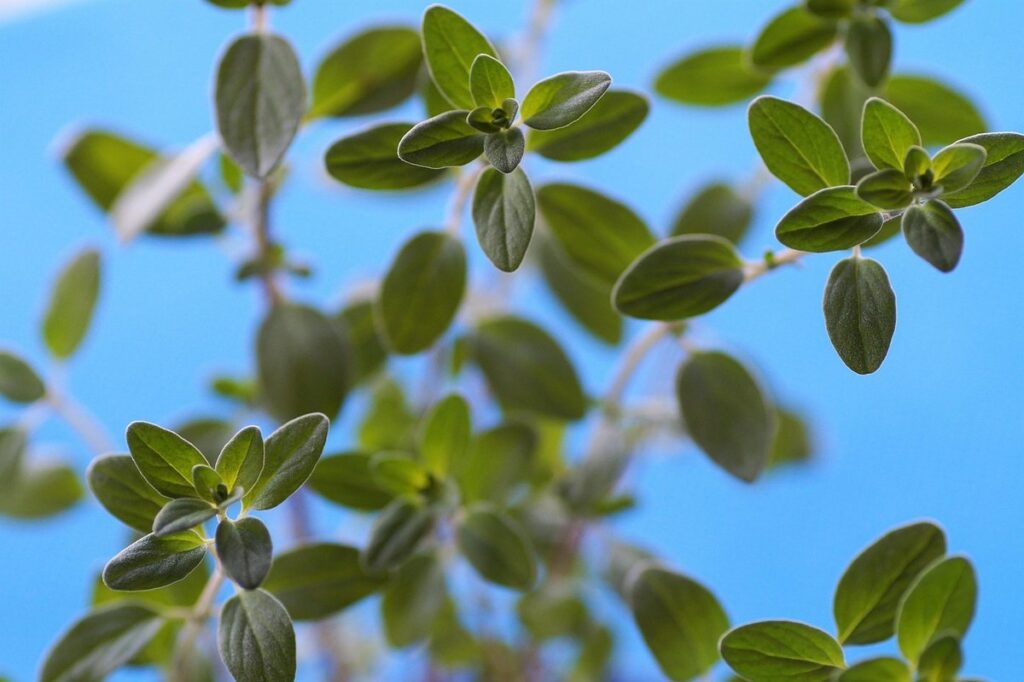
To identify a marjoram plant, look for its square-shaped stem and small, oval-shaped leaves that are typically 1-2 inches long. The leaves have a soft texture and are usually a deep green color with a subtle sheen to them. When you brush against the leaves or pinch off a few sprigs, you’ll be greeted by a heady aroma that’s both earthy and slightly sweet.
Marjoram is an annual or tender perennial herb that thrives in well-draining soil and full sun to partial shade conditions. It grows relatively quickly, reaching heights of 12-18 inches within a couple of months after sowing the seeds. With proper care and pruning, marjoram can be harvested continuously throughout the growing season, making it a great choice for gardeners who want a steady supply of fresh herbs.
Origins and History
Marjoram has been prized for its fragrance, flavor, and medicinal properties for thousands of years. Its origins can be traced back to the Mediterranean region, where it still grows wild in many countries today. The ancient Greeks and Romans revered marjoram as a symbol of joy, beauty, and love, often using it in perfumes, wreaths, and floral arrangements.
In traditional medicine, marjoram has been used for centuries to alleviate digestive issues, reduce anxiety, and promote relaxation. The herb’s essential oils have antimicrobial properties, making it an effective remedy against infections and inflammation. In cooking, marjoram adds a unique flavor profile to dishes, particularly when combined with meats, vegetables, and herbs like thyme and rosemary.
Marjoram’s historical use extends beyond medicine and cuisine; its fragrance has been used in perfumery for centuries, adding a subtle sweetness to scents. To this day, the herb remains an integral part of Mediterranean culture, symbolizing hospitality, warmth, and community. When cultivating marjoram, ensure it receives full sun, well-drained soil, and regular pruning to encourage bushy growth and optimal oil production.
Benefits of Marjoram for Health and Wellness
Marjoram is a treasure trove of health benefits, and in this section, we’ll explore how it can boost your well-being and support overall wellness. From calming anxiety to soothing digestive issues, discover its amazing advantages!
Aromatic Properties and Essential Oil
Marjoram’s aromatic properties are truly one of its most valuable assets. This fragrant herb is rich in essential oils, which have been shown to have a profound impact on both physical and mental well-being. The essential oil composition of marjoram includes linalool, limonene, and beta-caryophyllene, among other compounds.
These potent oils work together to promote relaxation, reduce stress levels, and improve sleep quality. Studies have found that inhaling the aroma of marjoram can decrease anxiety symptoms and even alleviate insomnia. One way to harness these benefits is through aromatherapy – try incorporating a few drops of marjoram essential oil into your bath water or using it in a diffuser before bed.
In addition to its calming effects, marjoram’s aroma has also been shown to boost mood and reduce fatigue. To incorporate marjoram’s uplifting properties into your daily routine, try adding fresh leaves to a potpourri blend or using them as a garnish for your favorite herbal teas. By embracing the aromatic properties of marjoram, you can unlock its full potential for promoting overall health and wellness.
Digestive System Support
Marjoram has been traditionally used to support digestive health, and research suggests it may be beneficial for alleviating symptoms of Irritable Bowel Syndrome (IBS) such as abdominal pain, bloating, and changes in bowel movements. Studies have shown that the essential oils present in marjoram, particularly linalool and linalyl acetate, possess anti-inflammatory properties which may help soothe digestive issues.
One study found that inhaling marjoram essential oil reduced symptoms of IBS in patients by 30% after just one hour. Another study discovered that consuming a supplement containing marjoram extract resulted in significant improvements in gastrointestinal function and quality of life for individuals with IBS.
To incorporate marjoram into your digestive health routine, try adding a few drops of its essential oil to a warm bath or inhaling it through steam inhalation. You can also consume marjoram tea by steeping the leaves in hot water or incorporating dried marjoram into meals. As always, consult with a healthcare professional before using any new supplements or treatments.
Marjoram’s ability to alleviate bloating and gas may be attributed to its carminative properties, which help release trapped gases in the digestive tract.
Antimicrobial Properties
Marjoram’s antimicrobial properties have been extensively studied, revealing its potential as a natural remedy for minor cuts and scrapes. When applied topically to wounds, marjoram oil has been shown to inhibit the growth of bacteria, fungi, and other microorganisms that can cause infection. This makes it an effective treatment for minor cuts and scrapes, promoting faster healing and reducing the risk of scarring.
Marjoram’s antimicrobial properties also extend to preventing illnesses like the common cold. Its essential oils have been found to have anti-inflammatory and decongestant properties, which can help alleviate symptoms such as congestion, coughs, and sore throats. To use marjoram for this purpose, simply add a few drops of its oil to a warm bath or inhale it through steam inhalation.
To reap the benefits of marjoram’s antimicrobial properties, you can also incorporate dried marjoram leaves into your cooking or make a tea by steeping them in hot water.
Growing and Caring for Marjoram
To grow marjoram, choose a spot with well-draining soil and plenty of sunlight, and water it regularly to keep the soil consistently moist. With proper care, your marjoram plant will thrive.
Propagation Methods: Seeds, Cuttings, and Division
Propagating marjoram from seeds, cuttings, or division is an exciting way to multiply this wonderful herb and share it with friends. If you’re new to marjoram cultivation, don’t worry – with a little practice and patience, you’ll be successful in no time.
Seeding Your Way
To propagate marjoram using seeds, start by preparing a seed tray or small pots filled with well-draining potting mix. Sow the seeds about ¼ inch deep and keep the soil consistently moist but not waterlogged. The ideal temperature for germination is between 65°F to 75°F (18°C to 24°C). Keep the area away from direct sunlight, which can inhibit germination.
Within a week or two, you should see tiny seedlings emerging. Transplant them into individual pots once they have at least two sets of leaves. This method might be slower than others, but it allows for maximum genetic diversity and is perfect for creating new varieties.
Cuttings: The Quickest Route
If you’re short on time or want faster results, try taking cuttings from mature marjoram plants. Choose healthy stems with a few sets of leaves and trim them just above a node (where the leaf meets the stem). Remove lower leaves to prevent waterlogged soil and promote rooting.
Dip the cut ends in rooting hormone powder before placing them into moist potting mix. Keep the area warm, around 75°F to 85°F (24°C to 30°C), until roots develop. It usually takes about two weeks for new plants to establish themselves.
Division: Divide and Conquer
Dividing established marjoram clumps is another effective method for propagation. Wait until spring or fall when the plant is dormant, then gently separate the roots with a fork. Replant the divided sections in well-draining soil, making sure each section has enough space to grow.
Keep the soil consistently moist during this time and ensure good air circulation around the plants to prevent fungal diseases. With proper care, your newly divided marjoram should thrive within weeks.
Ideal Growing Conditions
When it comes to growing marjoram, understanding its ideal conditions is crucial for optimal health and flavor. Marjoram prefers well-draining soil with a pH between 6.0 and 7.0, which is slightly acidic to neutral. If your soil is too alkaline or heavy clay, it can lead to root rot and other problems.
In terms of sunlight exposure, marjoram thrives in full sun but will tolerate partial shade. Aim for at least six hours of direct sunlight per day, but make sure the soil isn’t waterlogged due to inadequate drainage. When choosing a location for your marjoram plant, consider the humidity levels as well – this herb prefers dry to moderately humid environments, making it an excellent choice for indoor gardens.
To replicate these conditions in your garden or indoor space, use containers with good drainage and mix in organic matter like compost to improve soil structure and fertility. Keep the temperature between 65°F (18°C) and 75°F (24°C), avoiding extreme temperatures that can stress the plant. By providing marjoram with its ideal growing conditions, you’ll be rewarded with a fragrant, healthy crop perfect for cooking and medicinal uses.
Common Pests and Diseases
Marjoram plants are generally hardy and resistant to pests and diseases. However, they can still be susceptible to certain issues if not properly cared for. One common pest that can affect marjoram is the spider mite. These tiny, spider-like creatures feed on plant sap, causing yellowing leaves and fine webbing.
To prevent infestations, keep your marjoram plant in a well-ventilated area with moderate temperatures between 65-75°F (18-24°C). Also, ensure it’s not overwatered, as this can attract spider mites. If you notice signs of an infestation, treat the plant with insecticidal soap or neem oil.
Root rot is another potential issue that can occur if marjoram plants are consistently waterlogged. To prevent root rot, make sure the pot has good drainage holes and avoid getting water on the leaves or crown. Instead, water at the base of the plant, allowing excess moisture to evaporate.
Regular inspections will help you catch any issues early on, ensuring your marjoram plant stays healthy and thrives under your care.
Using Marjoram in Cooking and Herbal Remedies
Marjoram is a versatile herb that can add flavor and depth to various dishes, as well as be used in herbal remedies for its calming properties. Let’s explore some creative ways to use marjoram.
Culinary Uses: Herbs, Spices, and Teas
Marjoram is a versatile herb that not only adds depth to various dishes but also has medicinal properties. When it comes to its culinary use, marjoram’s piney and slightly sweet flavor pairs well with vegetables, meats, and soups.
Some of the most popular uses for marjoram in cooking include Mediterranean-style stews and salads, where its pungency complements the flavors of tomatoes, bell peppers, and onions. In many Italian recipes, marjoram is used to enhance the taste of pesto sauce, pasta dishes, and meatballs. You can also use it as a substitute for oregano or thyme in various recipes.
In addition to its flavor profile, marjoram’s versatility extends to its uses with different types of food. For example, you can pair marjoram with lamb or beef for a classic Middle Eastern-inspired dish. It also pairs well with fish and seafood, making it an excellent choice for those looking for a herb that complements the flavors of these ingredients.
Some popular dishes from around the world that use marjoram include Italian risottos, Greek salad dressings, and Turkish kebabs.
Herbal Remedies: Infusions, Tinctures, and Salves
Marjoram’s potential use in herbal remedies is vast and varied. For relaxation, you can create an infusion by steeping marjoram leaves in hot water. This calming tea can be sipped before bed to promote a restful night’s sleep or after a long day to unwind. To make it, simply add 1 tablespoon of dried marjoram leaves to a cup of boiling water and let it steep for 5-7 minutes.
For digestive issues, consider using marjoram tincture. Mix a few drops with water and take it before meals to alleviate symptoms of indigestion or nausea. You can also use it as a digestive aid after eating rich or heavy foods. Marjoram’s carminative properties make it an effective natural remedy for soothing the stomach.
In addition, marjoram salves can be used topically to soothe skin irritations and minor cuts. To make a marjoram salve, combine 1 tablespoon of dried marjoram leaves with 1/2 cup of carrier oil in a small saucepan. Heat it over low heat for a few minutes before straining the mixture through a cheesecloth into a clean glass jar. This soothing balm can be applied directly to affected areas to calm irritation and promote healing.
Remember, always consult with a healthcare professional before using herbal remedies, especially if you have any underlying health conditions or allergies.
Marjoram vs. Oregano: What’s the Difference?
As you explore the wonderful world of herbs, you’re likely to come across two familiar faces: marjoram and oregano. But what sets these two apart from each other?
Botanical Similarities and Differences
When it comes to marjoram and oregano, two popular herbs often used interchangeably in cooking, there are some key similarities and differences worth noting. Both plants belong to the same genus (Origanum) and share many characteristics, but they also have distinct traits that set them apart.
One of the main similarities between marjoram and oregano is their flavor profile. Both herbs have a pungent, earthy taste that pairs well with a variety of dishes, from Mediterranean classics to modern fusion cuisine. However, marjoram has a sweeter, more delicate flavor than oregano, which can be quite robust.
In terms of growth habits, both plants are perennial and prefer well-drained soil in full sun. But while marjoram tends to grow bushier and shorter (about 12-18 inches tall), oregano can reach heights of up to 3 feet. If you’re planning to grow either herb in your garden, make sure to provide them with adequate space to spread out.
If you’re unsure which herb to use for a particular recipe, here’s a simple rule of thumb: marjoram is a better choice for dishes where you want a more subtle flavor, while oregano is ideal for bold, savory flavors.
Culinary and Medicinal Applications
When it comes to culinary and medicinal applications, the differences between marjoram and oregano become apparent. One of the primary distinctions is in their flavor profiles; marjoram has a sweeter, more delicate taste compared to oregano’s pungent, earthy flavor.
In cooking, this difference is crucial for creating authentic dishes from various regions. For example, Italian cuisine often employs oregano to add depth to tomato sauces and pizza toppings, whereas French and Middle Eastern recipes favor marjoram for its subtle, herbaceous flavor in soups, stews, and salads.
From a medicinal perspective, both herbs have anti-inflammatory properties but differ in their chemical composition. Marjoram contains linalool, which promotes relaxation and reduces anxiety, while oregano’s primary active compound, carvacrol, has antimicrobial effects that combat infections.
To maximize the benefits of each herb in your cooking or herbal remedies, use them according to their specific characteristics. For example, marjoram is an excellent addition to calming teas, whereas oregano makes a potent natural antiseptic when added to oils for topical application.
Frequently Asked Questions
Can I grow marjoram indoors if I live in a cold climate?
Yes, you can grow marjoram indoors using containers or pots. This will allow you to control the temperature and provide it with the necessary warmth and light. Make sure to choose a container that is at least 6-8 inches deep, as marjoram has a deep root system.
How do I propagate marjoram plants?
Marjoram can be propagated using seeds, cuttings, or division. Seeds are the easiest method, but they may take longer to germinate and grow. Cuttings and division can produce results faster, but require more care and attention. For best results, use fresh cuttings from mature plants or divide established marjoram roots.
Can I use marjoram essential oil as a substitute for dried herbs?
While both marjoram essential oil and dried herbs are derived from the plant, they have different properties and uses. Essential oils are highly concentrated and can be overpowering in cooking, whereas dried herbs provide a more subtle flavor. Use them separately or combine with other ingredients to achieve the desired effect.
How do I prevent pests and diseases when growing marjoram?
Common pests like aphids, whiteflies, and spider mites can affect marjoram plants. Regularly inspect your plants for signs of infestation and use organic pest control methods whenever possible. To prevent disease, maintain good air circulation, water carefully to avoid over-saturation, and remove any infected or dying leaves.
Can I combine marjoram with other herbs for a unique flavor?
Marjoram pairs well with many herbs like rosemary, thyme, and oregano. Experiment with different combinations to create unique flavors and aromas. Some popular pairings include marjoram and garlic for Mediterranean-style dishes or marjoram and lemon in salad dressings.