
If you’re one of the many people who just can’t seem to get on board with the flavor and aroma of cilantro, you’re not alone. However, if you’re missing out on this incredibly nutritious herb, it’s time to learn more about its benefits and how you can incorporate it into your cooking. Cilantro is a nutrient-dense ingredient that offers a wealth of potential health advantages, from digestive support to anti-inflammatory properties. Not only does it add fresh flavor to dishes like salads, salsas, and Mexican cuisine, but research has also uncovered some impressive health benefits. In this article, we’ll delve into the incredible nutritional value of cilantro and explore its many uses in cooking. Whether you’re a seasoned chef or a culinary newbie, discovering how to harness the power of cilantro can be a game-changer for your health and wellbeing.
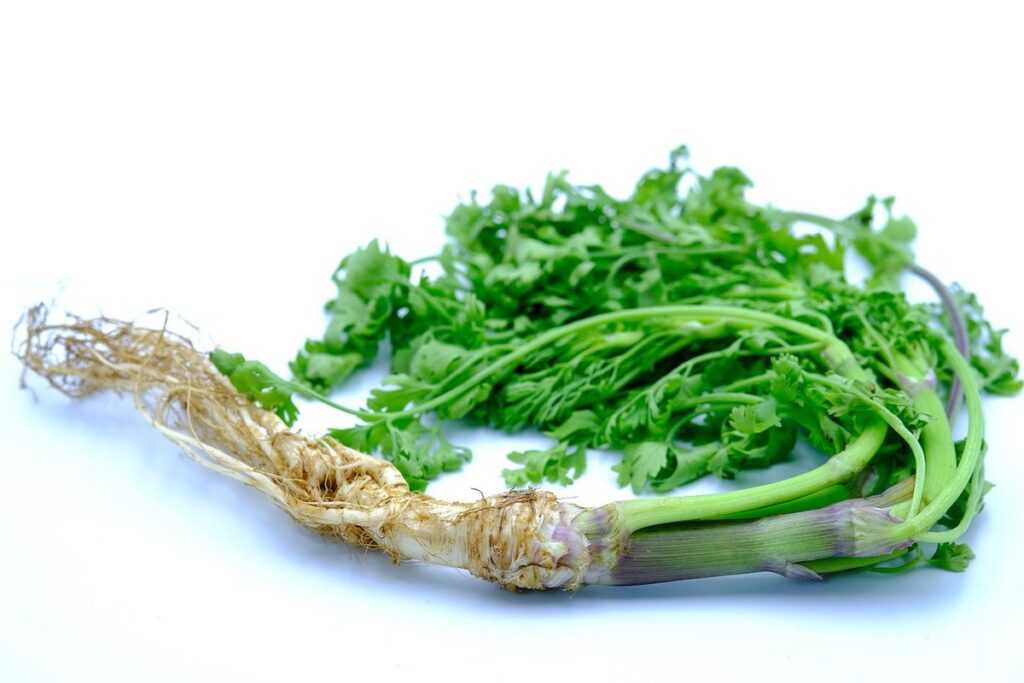
Benefits of Incorporating Cilantro into Your Diet
Adding cilantro to your daily meals can have a significant impact on your overall health, from boosting digestion to fighting inflammation naturally. Let’s explore some of its key benefits in more detail.
Nutritional Value of Cilantro
Cilantro is more than just a flavorful herb, it’s also packed with essential vitamins, minerals, and antioxidants that can enhance your overall health. One of the key nutrients found in cilantro is vitamin K, an essential component for blood clotting and bone health. A single serving of cilantro provides up to 23% of the recommended daily intake of vitamin K, making it an excellent addition to meals rich in calcium, such as salads or soups.
In addition to its high vitamin K content, cilantro also contains a variety of other essential vitamins and minerals including potassium, iron, and manganese. Cilantro’s antioxidant properties are also noteworthy, with studies suggesting that the herb may have anti-inflammatory effects on the body. This is particularly relevant for individuals suffering from conditions such as arthritis or other inflammatory diseases.
When incorporating cilantro into your diet, be sure to use fresh leaves in salads, salsas, or as a garnish for soups and sauces. You can also add it to smoothies or juices for an extra boost of nutrition.
Cilantro’s Role in Supporting Digestive Health
Cilantro’s unique combination of oils and terpenes may help alleviate digestive issues such as bloating, gas, and IBS symptoms. The active compounds in cilantro have been shown to inhibit the growth of certain bacteria that can contribute to digestive discomfort. Specifically, a study published in the Journal of Ethnopharmacology found that cilantro’s essential oils demonstrated potent antibacterial activity against strains of E. coli and Salmonella.
Cilantro’s benefits for digestive health may also be attributed to its anti-inflammatory properties. The terpenes present in cilantro have been shown to reduce inflammation in the gut, which can contribute to symptoms such as bloating and abdominal pain. To incorporate cilantro into your diet for digestive support, try adding it to salads or salsas that you know will cause minimal discomfort. You can also use cilantro as a garnish for soups or stews, or mix it with lemon juice and olive oil as a dressing for cooked vegetables.
When using cilantro for digestive health, be mindful of individual tolerance levels and start with small amounts to gauge your body’s response.
Uses of Cilantro Beyond Traditional Recipes
While most people know cilantro as a fresh addition to Mexican and Asian dishes, its uses go far beyond these classic recipes.
From savory sauces to refreshing drinks, we’ll explore some creative ways to incorporate cilantro into your cooking.
Garnish and Decoration Ideas
Cilantro’s vibrant colors and unique aroma make it an excellent choice for adding visual appeal to dishes beyond just being a flavorful ingredient. When used as a garnish or decorative element, cilantro can elevate the presentation of various cuisines, from Mexican to Middle Eastern.
In traditional Mexican cooking, cilantro is often paired with chilies and lime juice to create a fresh, zesty flavor profile. To incorporate cilantro into your dishes, try using it as a garnish for tacos, salads, or soups. Simply chop the leaves finely and sprinkle them over the top of your dish just before serving.
For a more dramatic effect, use cilantro as a edible flower or “petal” to add color and texture to your platter. Simply place a single sprig of cilantro on each plate or arrange them in a pattern on a large platter. This adds an elegant touch to any meal. Experiment with different combinations of colors and textures by pairing cilantro with other herbs, edible flowers, or even microgreens.
In Middle Eastern cuisine, cilantro is often used as a garnish for kebabs and grilled meats. Try combining chopped cilantro with sumac and lemon juice to create a flavorful marinade for your next grilled chicken or lamb dish.
Adding Cilantro to Salads, Soups, and Sauces
Cilantro is an incredibly versatile herb that can elevate dishes beyond traditional Mexican and Indian recipes. One of the best ways to experience its depth is by incorporating it into fresh salads, soups, marinades, and sauces.
When adding cilantro to salads, start with a handful of chopped leaves and pair them with ingredients like juicy tomatoes, crunchy carrots, or protein-rich grilled chicken. For a refreshing twist on a classic Caesar salad, combine cilantro with lemon juice, garlic, and olive oil for a zesty dressing. You can also blend cilantro into homemade ranch or vinaigrette dressings for an extra boost of flavor.
In soups, use cilantro as a garnish to add color and fragrance. A clear broth like chicken noodle soup or a creamy tomato soup benefits from the herb’s subtle onion and citrus notes. Alternatively, chop cilantro and mix it into cooked soups, such as lentil or black bean stews, for added depth.
To incorporate cilantro into marinades and sauces, blend it with yogurt or sour cream to create a sauce for grilled meats or vegetables. For a simple salsa verde, combine cilantro with garlic, jalapeño peppers, and lime juice for a fresh and spicy condiment.
Growing Your Own Cilantro for Freshness and Flavor
If you’re tired of relying on wilted cilantro from the supermarket, it’s time to learn how to grow your own in your backyard or even on a sunny windowsill. With these simple tips, you’ll be enjoying fresh flavor all season long!
Tips for Planting and Maintaining a Cilantro Garden
When planting a cilantro garden, it’s essential to choose a location that receives partial shade and has well-draining soil. Cilantro is a fast-growing crop that prefers cooler temperatures between 60-80°F (15-27°C). Direct sunlight can cause the leaves to become bitter, so consider providing some afternoon shade.
To ensure optimal growth, sow cilantro seeds about 1/4 inch deep and 1-2 inches apart in late spring or early summer. Keep the soil consistently moist during the first few weeks after sowing. As the plants grow, reduce watering to about 1 inch per week.
Companion planting can also enhance your cilantro crop’s flavor and aroma. Basil, dill, and mint are popular companions that repel pests and improve growth. Avoid planting cilantro near onions or garlic, as their strong scents can inhibit its growth.
Regular harvesting is crucial to prevent the plant from flowering and losing its potency. Pinch off individual leaves or stems as needed, and consider pruning the entire plant back by about half when it reaches 6-8 inches tall.
Overcoming Common Challenges with Homegrown Cilantro
Growing cilantro at home can be a rewarding experience, but it’s not without its challenges. One of the most common issues you may face is pests. Aphids, whiteflies, and spider mites are all known to target cilantro plants. To combat these pests, try using neem oil or insecticidal soap to repel them naturally.
Another issue you might encounter is disease. Cilantro is susceptible to powdery mildew and leaf spot, which can spread quickly if not caught early. Keep your cilantro plants well-ventilated, and avoid overwatering – this will help prevent the spread of disease. If you do notice any signs of disease, remove infected leaves immediately.
Bolting is another common problem when growing cilantro at home. This occurs when the plant undergoes premature flowering, often in response to high temperatures or stress. To prevent bolting, sow your cilantro seeds in cooler weather (around 60-70°F), and keep the soil consistently moist. By addressing these challenges proactively, you can enjoy a healthy crop of fresh, flavorful cilantro right in your own garden.
It’s also essential to choose varieties that are resistant to bolting, such as ‘Slow Bolt’ or ‘Calypso’. Regular harvesting will also encourage the plant to produce new growth rather than flowering. By implementing these strategies, you’ll be well on your way to successfully growing homegrown cilantro and enjoying its many benefits in your cooking.
The Chemistry Behind Cilantro’s Unique Flavor and Aroma
Cilantro’s distinctive taste and smell have long been a subject of fascination, and understanding its chemical makeup is key to unlocking its unique properties. Let’s dive into the science behind this polarizing herb!
Understanding the Biochemistry of Cilantro’s Oils and Compounds
Cilantro’s unique flavor and aroma are largely due to its complex composition of oils and compounds. At its core, cilantro contains a group of terpenes known as aldehydes, which are responsible for its characteristic pungency. Among these aldehydes, two notable compounds stand out: (E)-2-decenal and (E)-2-dodecenal.
These terpenes are the primary contributors to cilantro’s distinct flavor profile, with some research suggesting they possess a ‘soapy’ or metallic taste when consumed in large quantities. Interestingly, genetic variations can affect how individuals perceive these compounds, leading some people to experience an unpleasant taste while others enjoy it immensely.
To understand why cilantro has such a polarizing effect on the palate, consider that (E)-2-decenal and (E)-2-dodecenal are also found in other herbs like parsley and dill. However, their concentrations vary significantly between these plants, which might explain why some people find cilantro particularly unpalatable.
If you’re looking to use cilantro in cooking but have a sensitive palate, start by incorporating it into dishes where its flavor will be balanced by stronger ingredients – such as soups or sauces with rich textures and bold flavors.
How Cilantro’s Chemical Properties Impact Cooking and Pairing
When you’re cooking with cilantro, it’s essential to understand that its chemical properties significantly impact how it interacts with other ingredients. The main culprit behind cilantro’s unique flavor and aroma is a compound called (E)-2-decenal, also known as aldehyde. This potent chemical contributes to the herb’s pungency and bitterness, which can either elevate or overpower dishes.
When pairing cilantro with other ingredients, its aldehyde content must be considered. For instance, combining it with acidity – like lemon juice or vinegar – can help balance out its intensity and create a harmonious flavor profile. On the other hand, cilantro’s strong flavor can be amplified by fatty ingredients such as avocado or nuts. To maximize cilantro’s potential in cooking, experiment with different ratios of herb to ingredient and observe how the aldehyde content affects the overall taste.
Furthermore, heat processing can also affect the chemical properties of cilantro, causing the aldehydes to break down and release more volatile compounds that contribute to its aroma. This is why it’s often recommended to add fresh cilantro towards the end of cooking time or as a garnish, allowing its unique flavors to shine without becoming overpowering.
The Role of Cilantro in Different Cuisines and Cultural Traditions
Cilantro is a fundamental herb in many cuisines, adding fresh flavor to dishes from Mexican salsas to Indian curries, and beyond. Let’s explore its significant role in various cultural traditions around the world.
Historical and Cultural Significance of Cilantro
Cilantro has been an integral part of various cultures for centuries, holding significant historical and cultural importance. In ancient Mexico, cilantro was considered a sacred herb used in traditional medicine to treat ailments such as fever and indigestion. The Aztecs also revered it for its spiritual properties, believing that the fragrance of cilantro could ward off evil spirits.
In Indian cuisine, cilantro is an essential component of chutneys and salads, not only adding flavor but also believed to possess healing qualities. Its leaves are used in Ayurvedic medicine to treat digestive issues and skin problems. In Middle Eastern and North African cultures, cilantro is a staple herb used in various dishes, symbolizing hospitality and generosity.
Cilantro’s symbolic significance extends beyond its culinary uses. In many Asian cultures, it is associated with good fortune and prosperity. In China, for example, cilantro is given as a gift to friends and family during special occasions, signifying respect and admiration. By incorporating cilantro into your cooking, you not only add flavor but also tap into its rich cultural heritage.
Regional Variations and Adaptations of Cilantro-Based Recipes
Cilantro is a staple herb in many global cuisines, and its use varies significantly from region to region. In Mexican cooking, cilantro is an essential component of salsas, salads, and even desserts like cempasúchil (a sweet squash blossom dish). However, in Indian cuisine, cilantro is often used as a garnish or added at the end of cooking due to its delicate flavor.
In Southeast Asian countries like Thailand and Indonesia, cilantro is commonly paired with chilies, lemongrass, and galangal to create bold and aromatic sauces. In Middle Eastern cuisine, cilantro is used in salads like tabbouleh and as a garnish for kebabs. To incorporate these regional variations into your cooking, experiment with different combinations of herbs, spices, and chilies.
When adapting cilantro-based recipes from around the world, remember to adjust seasoning levels according to local tastes. For example, Indian dishes often call for more coriander powder than Mexican salsas do. By embracing these regional differences, you can unlock new flavors and textures in your cooking and create a unique culinary experience.
Potential Health Benefits and Research on Cilantro’s Effects
Research suggests that cilantro may have a range of health benefits, from reducing inflammation to aiding digestion, but what does the science really say? Let’s dive into some interesting findings.
Anti-Inflammatory and Antimicrobial Properties
Cilantro’s anti-inflammatory properties have been extensively studied, with research suggesting its potential benefits for conditions such as arthritis and asthma. A study published in the Journal of Medicinal Food found that cilantro extract reduced inflammation and improved symptoms in patients with osteoarthritis. This is likely due to the presence of limonene, a compound with potent anti-inflammatory effects.
In traditional medicine, cilantro has been used for centuries to treat various health conditions. For example, in Ayurvedic medicine, cilantro is used to treat respiratory issues such as bronchitis and coughs. Its antimicrobial properties make it an effective natural remedy against bacteria, viruses, and fungi. Cilantro’s unique combination of antioxidants and phytochemicals also provides protection against oxidative stress, which can contribute to chronic diseases.
You can harness cilantro’s health benefits in your cooking by incorporating fresh leaves into your meals or using cilantro oil as a finishing touch for soups and salads. To get the most out of cilantro’s anti-inflammatory properties, try pairing it with omega-3 rich foods like salmon or walnuts to amplify its effects.
Limitations and Controversies Surrounding Cilantro Research
While cilantro has shown promise in various health benefits and studies, there are limitations and controversies surrounding its research that warrant further investigation. For instance, the human variability in perception of cilantro’s taste and smell can make it challenging to design conclusive studies. Some people experience a soapy or metallic aftertaste when consuming cilantro, which could be attributed to genetic differences in the OR6A2 gene.
Furthermore, many of the health benefits associated with cilantro are based on animal studies or in vitro research, which may not translate directly to human applications. For example, cilantro’s potential antibacterial properties have been observed in test tubes, but more research is needed to confirm its effectiveness against specific pathogens in humans.
Additionally, some studies have raised concerns about cilantro’s potential interaction with medications or exacerbation of certain health conditions. These findings underscore the importance of cautious consumption and thorough consultation with healthcare professionals before using cilantro as a treatment for any condition. As we continue to explore cilantro’s potential benefits, it’s essential to acknowledge these limitations and encourage further research to provide more concrete evidence.
Frequently Asked Questions
Can I grow cilantro indoors, or does it require a specific climate?
Yes, you can grow cilantro indoors with proper care. Cilantro prefers cooler temperatures between 60-70°F (15-21°C) and well-draining soil. Make sure to provide sufficient light, either through direct sunlight or LED grow lights. This will allow you to have fresh cilantro year-round.
How do I know if my body is sensitive to cilantro’s unique flavor?
If you experience digestive issues, itching, or other adverse reactions after consuming cilantro, it may indicate sensitivity. Consider starting with small amounts and gradually increasing your intake to test your tolerance. Some people may be more sensitive due to genetic variations in their ability to process certain compounds.
What are some common mistakes to avoid when using fresh cilantro?
Be cautious not to over-wash the leaves, as this can cause them to become limp. Also, make sure to use fresh cilantro within a few days of purchase or harvest, as it has a short shelf life. Store it in the refrigerator with the stems facing down to maintain freshness.
Can I use cilantro’s health benefits while pregnant or breastfeeding?
While cilantro is generally considered safe for consumption during pregnancy and breastfeeding, excessive intake may cause interactions with medications or exacerbate underlying conditions. Consult your healthcare provider before making significant changes to your diet, especially if you have specific concerns.
How can I incorporate more cilantro into my existing recipes without overpowering the flavors?
To balance cilantro’s strong flavor in dishes like salads or soups, try combining it with other herbs, such as parsley or basil. Start with a small amount (about 1/4 cup chopped) and adjust to taste. Cilantro pairs well with acidic ingredients like lemon juice or vinegar, which can help cut its intensity.