
Are you tired of using boring, store-bought planters for your indoor plants? Want to add a personal touch to your home decor without breaking the bank? You’re in luck! Upcycling old containers and repurposing materials is not only budget-friendly but also an excellent way to get creative with your DIY projects. In this article, we’ll explore some unique DIY planter ideas that will transform your space into a beautiful and Instagram-worthy oasis. From transforming old mason jars to using unconventional materials like boots and shoes, we’ll dive into the world of creative planters that will make you wonder why you ever used plain pots in the first place. Get ready to unleash your inner crafter and give your home a fresh new look!
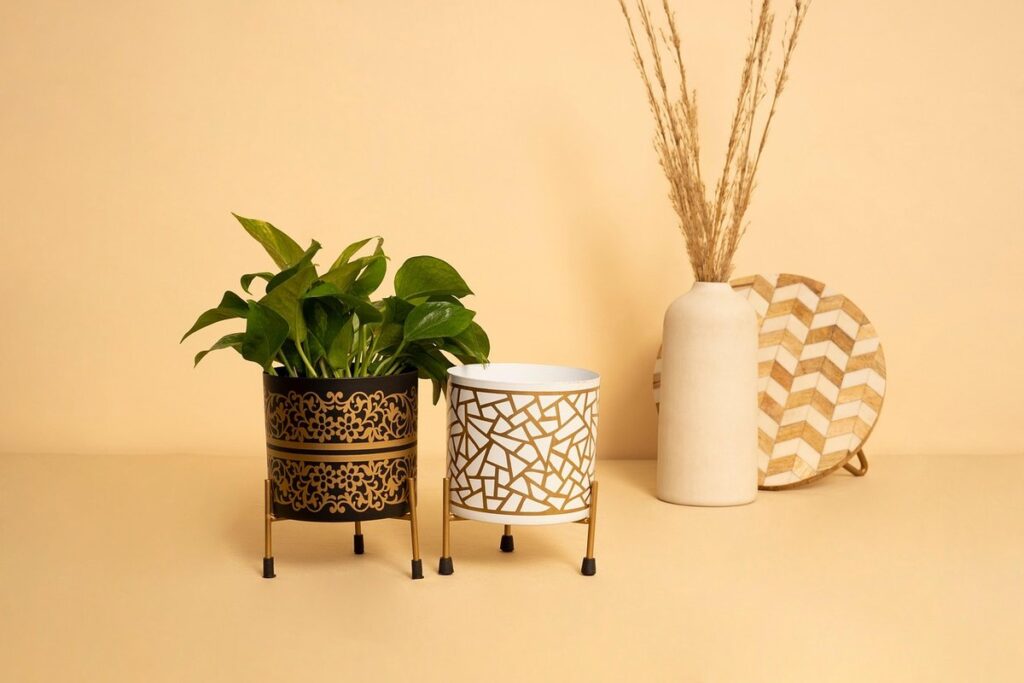
Introduction to DIY Planters
Welcome to our guide on creating unique DIY planters, where we’ll show you how to upcycle ordinary objects into extraordinary plant vessels that add a personal touch to your home decor.
Benefits of Using DIY Planters
Using DIY planters can be a game-changer for your home decor. Not only do they offer a unique and personalized touch to your space, but they also come with several benefits that make them an attractive option.
First and foremost, DIY planters are cost-effective. By repurposing old containers or using inexpensive materials, you can create one-of-a-kind planters without breaking the bank. This approach is especially appealing when compared to buying expensive planters from a store. Plus, as your tastes evolve, it’s easy to repurpose or upcycle your DIY planters, reducing waste and giving them a new lease on life.
Another advantage of using DIY planters is the customization option they offer. With a little creativity, you can design planters that reflect your personal style and complement your home decor perfectly. Whether you prefer modern, minimalist designs or bohemian-inspired creations, DIY planters allow you to experiment with different shapes, sizes, and materials until you find the perfect fit.
Finally, using DIY planters is an eco-friendly choice, as it reduces the demand for new, resource-intensive products. By repurposing materials that would otherwise end up in landfills, you’re contributing to a more sustainable future for our planet.
When selecting materials for your DIY planter, consider using reclaimed wood, old pallets, or even terracotta pots. You can also get creative with paint, decoupage, or stencils to add color and personality to your planters.
Types of Materials Used for DIY Planters
When it comes to making unique DIY planters, one of the most exciting parts is choosing the right material. You’d be surprised at the variety of materials you can use beyond traditional ceramic pots. For instance, terracotta pots are a classic choice for planters and add a rustic touch to any room. They’re also relatively inexpensive and come in different shapes and sizes.
Another popular option is using wooden crates. Not only do they bring a cozy feel to your space, but they’re also super versatile – you can stack them or paint them to match your home’s decor. Plastic containers are another great choice for DIY planters. You can repurpose old containers like yogurt or margarine tubs and add some creativity with paint or decoupage.
Metal cans, such as tin cans or aluminum cans, can also be transformed into beautiful planters. You can clean them up, add some paint or varnish, and hang them from the ceiling for a statement piece. The best part about using metal cans is that they’re eco-friendly and reusable.
Choosing the Right Container
When it comes to bringing your DIY planter project to life, selecting the right container is crucial. Let’s explore the options and considerations for choosing a planter that suits your style and needs.
Factors to Consider When Selecting a Planter Material
When selecting a planter material for your unique DIY project, there are several key factors to consider. Durability is a crucial aspect, as you’ll want your planter to withstand the elements and last for years to come. For example, terracotta planters are known for their rustic charm but can be prone to cracking in extreme temperatures. On the other hand, metal planters like copper or aluminum are more resistant to weathering but may require a protective coating.
Maintenance requirements are another essential consideration. Some materials, such as wooden planters, may need to be sealed regularly to prevent rot and insect damage. Others, like plastic or resin, can be low-maintenance but may not provide the same aesthetic appeal as natural materials. Ultimately, think about how much time and effort you’re willing to devote to maintaining your planter.
Aesthetics also play a significant role in choosing the right material for your DIY planter. Consider the style and decor of your space, as well as any color schemes or patterns you want to incorporate. For instance, a metal planter can add an industrial touch to a modern room, while a ceramic planter can bring a warm, earthy feel to a rustic space. By weighing these factors carefully, you can select the perfect material for your unique DIY planter project.
Measuring and Cutting Your DIY Planter Material
Measuring and cutting your chosen material is a crucial step in creating a unique DIY planter. To ensure accuracy and prevent waste, take precise measurements of the area where you’ll be placing your planter. Consider the size of the pot or container that will fit inside the planter, as well as any additional features like shelves or compartments.
To measure, lay out your material on the floor or a large table, and use a tape measure to record the dimensions. For example, if you’re working with reclaimed wood, take note of its thickness and weight to determine how much stress it can bear. Use a calculator to double-check your measurements and ensure they fit within your design plan.
When cutting your material, use a miter saw or circular saw for clean cuts, or opt for a hand saw for a more rustic look. If using a power tool, always follow safety guidelines and wear protective gear. Measure twice, cut once – this age-old adage is especially relevant when working with DIY planters to avoid costly mistakes and ensure your project stays on track.
Creative Ideas for DIY Planters
Take a look at these creative ideas for DIY planters that will inspire you to think outside the box and bring your unique style to your home decor. From old shoes to vintage containers, we’ll show you how to upcycle just about anything!
Upcycled Container Planters
Get creative and give new life to old containers by turning them into stunning planters. Upcycling is an eco-friendly way to reduce waste while adding a unique touch to your home decor. Let’s explore some innovative ideas for transforming plastic bottles, cardboard tubes, or wooden pallets into beautiful planters.
Transforming plastic bottles, for instance, can be as simple as cutting the bottom off and attaching it to a decorative tray or plate. You can also drill holes in the bottle for drainage and add paint or markers to give it a personalized look. A popular example of upcycled container planters is the use of old cardboard tubes from toilet paper rolls. Simply cut them into sections, wrap with twine or wire, and attach a small pot or planter inside. This creative solution not only saves space but also adds an eco-friendly charm to your home.
Wooden pallets can be repurposed into planters by attaching metal brackets or screws to create individual compartments. You can add a coat of paint or stain to give it a rustic or modern look, depending on your personal style. These upcycled container planters are not only functional but also make for great conversation starters in any room.
Mason Jar Planters and Other Glass Container Ideas
Glass containers are an excellent choice for adding a vintage touch to your home decor. One of the most popular options is using mason jars as planters. These jars can be found at most hardware stores and are inexpensive, making them an ideal DIY project. To get started, simply clean and dry the jar, then add a layer of small rocks or pebbles for drainage. Next, fill the jar with your chosen soil mixture, followed by your plant of choice.
For added visual interest, consider pairing mason jars with other glass containers like teapots or vases. These unique vessels can be repurposed as mini planters, adding a whimsical touch to any room. For example, you could place a small succulent in an antique teapot or a bouquet of flowers in a vintage vase.
When choosing glass containers for your DIY project, consider the size and shape of the vessel. A large vase can be used as a statement piece on its own, while smaller jars can be grouped together to create a visually appealing display. With a little creativity and imagination, you can turn any glass container into a beautiful planter that adds a personal touch to your home decor.
Decorative Touches and Embellishments
To add the final flair, we’ll explore some fantastic DIY techniques for incorporating decorative touches and embellishments into your planters. This is where creativity knows no bounds!
Painting and Stenciling Your DIY Planter
When it comes to adding a pop of color and personality to your DIY planter, painting and stenciling are two creative techniques that can completely transform its look. To get started, choose a paint that’s specifically designed for ceramics or terracotta pots, as these types of paints will provide better adhesion and durability.
Consider using a stencil to add intricate designs or patterns to your planter. You can use a variety of materials like paper, cardstock, or even vinyl to create unique stencils. For a more rustic look, try using a sponge or a textured brush to apply the paint in an irregular pattern. Another idea is to decoupage images or prints onto the planter, adding an extra layer of personality.
To take it up a notch, mix and match different techniques by painting the entire planter one color and then stenciling on top with a contrasting hue. This will create a beautiful ombre effect that’s sure to catch the eye.
Adding Textures and Patterns with Twine or Rope
When it comes to adding textures and patterns to your DIY planter design, twine or rope can be an excellent choice. Not only are they eco-friendly and cost-effective, but they also bring a natural, organic look to your planters. To get started, you can wrap twine or rope around the middle section of your planter in a random or spiral pattern. This creates a unique texture that adds depth and visual interest.
For a more polished look, try layering different materials such as twine, rope, or even jute to create a multi-dimensional effect. You can also experiment with different patterns by using colored twine or rope to add pops of color to your planter. To secure the twine or rope in place, simply tie a knot at the bottom of the planter and trim any excess material.
For a more rustic look, consider using jute twine or sisal rope, which have a natural texture that resembles burlap. You can also use a combination of twine and other materials like shells, pebbles, or even small pieces of wood to create a one-of-a-kind planter. The key is to experiment with different textures and patterns until you find the look that resonates with your personal style.
Tips for Planting and Maintenance
Now that you’ve crafted your one-of-a-kind planter, let’s dive into some essential tips on how to plant and maintain it to keep it thriving. We’ll cover the basics of soil selection and watering schedules.
Soil Selection and Fertilization for Your Plants
When creating unique DIY planters, it’s essential to consider the soil selection and fertilization for optimal growth and health. A good quality potting mix can make all the difference in getting your plants off to a strong start.
Look for a well-draining potting mix that is specifically designed for indoor plants. Avoid using regular garden soil as it can be too dense and cause waterlogged roots. Consider using a mix with added perlite or vermiculite to improve drainage and prevent root rot.
When it comes to fertilization, choose a balanced fertilizer that provides equal amounts of nitrogen, phosphorus, and potassium (NPK). A 10-10-10 NPK ratio is a good starting point. You can also consider using an organic fertilizer like fish emulsion or compost tea for a more sustainable option.
For most indoor plants, fertilize sparingly during the growing season (spring-fall) and skip fertilizing during winter months when plants are dormant. Over-fertilization can harm your plants, so start with small amounts and gradually increase as needed.
Seasonal Care and Pruning for Your Indoor Plants
As you showcase your unique DIY planters, don’t forget that your indoor plants need special care to thrive. Caring for them seasonally can make a big difference in their health and appearance.
During the spring months (March to May), your plants are probably bursting with new growth. Prune them back by about one-third to encourage bushy shapes and prevent overgrowth. This is also an excellent time to repot your plants, as they’ll have fresh soil and room to expand. Choose a pot that’s only slightly larger than the previous one to avoid shocking the roots.
Summer (June to August) is all about maintenance. Water your plants regularly, but make sure not to overdo it – indoor plants prefer dry spells between waterings. You can also propagate new plants from stem cuttings during this time. For example, take a four-to-six inch cutting from the tip of a philodendron or pothos plant and place it in a glass of water until roots develop.
Autumn (September to November) brings cooler temperatures, so reduce watering to once a week. This is also an excellent time for pruning dead leaves and stems, which can help prevent pests and diseases from taking hold. Finally, during the winter months (December to February), keep your plants away from drafts and radiators – they don’t like cold spots or sudden temperature changes.
Conclusion
Now that you’ve seen all the creative and unique DIY planters we’ve shared, it’s time to tie everything together with a recap of our favorite projects. Let’s summarize what makes them truly special.
Showcasing Your Unique DIY Planter Creations
Now that you’ve been inspired by these unique DIY planter ideas and elevated your home decor, we’d love to see what you’ve created! It’s time to showcase your own one-of-a-kind planter masterpieces.
Did you know that a staggering 75% of people who share their DIY projects on social media report increased creativity and motivation? By sharing your handmade planters with others, not only will you get feedback and encouragement, but you’ll also inspire fellow crafty enthusiasts. It’s a win-win!
If you’ve taken the leap and created something truly special, don’t be shy – it’s time to share! You can start by snapping high-quality photos of your planter from different angles, showcasing its unique features and details. Share them on social media platforms like Instagram or Pinterest using relevant hashtags, such as #DIYplanter, #handmade, or #homedecor.
To take it to the next level, consider hosting a DIY planter exchange or workshop in your community. Invite fellow plant enthusiasts to share their own creations and learn from one another. This will not only bring people together but also foster a sense of creativity and collaboration. You can use platforms like Facebook Groups or Meetup.com to organize events.
When sharing your project, don’t forget to include a brief description of the materials you used, any challenges you overcame, and what inspired you to create it in the first place. This will give others valuable insights into your process and inspire them to try something new.
So, take out your phone or camera, gather some good lighting, and show off those planters! Your unique creations are sure to spark joy and inspiration in others – and who knows, maybe even start a movement!
Frequently Asked Questions
Can I use any material for DIY planters, or are there some materials that work better than others?
When choosing a material for your DIY planter, consider factors like durability, weight, and aesthetic appeal. While you can get creative with unconventional materials, some materials might not be suitable for containing soil and water. For example, paper or thin cardboard might not hold up well to moisture. Stick to materials like wood, plastic, or metal for a more durable option.
How do I ensure my DIY planter is large enough for the plant’s roots?
To avoid crowding your plant’s roots, choose a container that provides sufficient depth and width. Measure your plant’s mature size and select a planter that matches these dimensions. Consider adding drainage holes to prevent waterlogged soil and root rot.
Can I use multiple materials together in one DIY planter project?
Yes, combining different materials can add texture, interest, and personality to your DIY planter. Just ensure the materials you choose are compatible and suitable for each other’s properties (e.g., don’t pair heavy metal with delicate glass). This approach also allows for creative reuse of various materials.
How often should I water my plants in a DIY planter, and what factors affect watering frequency?
Watering frequency depends on your plant type, climate, and soil moisture. As a general rule, check the soil daily by inserting your finger into the top inch of soil. If it feels dry, it’s time to water. Other factors like temperature, humidity, and wind can also impact watering needs.
Can I use recycled materials from outdoors for my DIY planter project?
While repurposing outdoor materials is a great idea, make sure they’re clean, dry, and free of contaminants before using them indoors. Consider sanding or disinfecting materials to remove dirt, debris, and potential pests. This will help prevent the spread of diseases and ensure your plants’ health.