
As you tend to your garden or backyard, have you ever stopped to think about the trees that thrive in the shaded areas beneath the canopy? These understory trees play a vital role in maintaining ecosystem balance and providing habitat for an array of wildlife. Not only do they contribute to the overall health of your landscape, but with proper care, they can add beauty and diversity to your outdoor space. In this article, we’ll delve into the world of understory trees, exploring expert techniques for selection, planting, pruning, and pest management. We’ll also examine how these trees help maintain ecosystem balance and provide vital habitat for wildlife. By the end of this article, you’ll have a deeper understanding of how to care for your understory trees and why they’re an essential part of a thriving garden ecosystem.
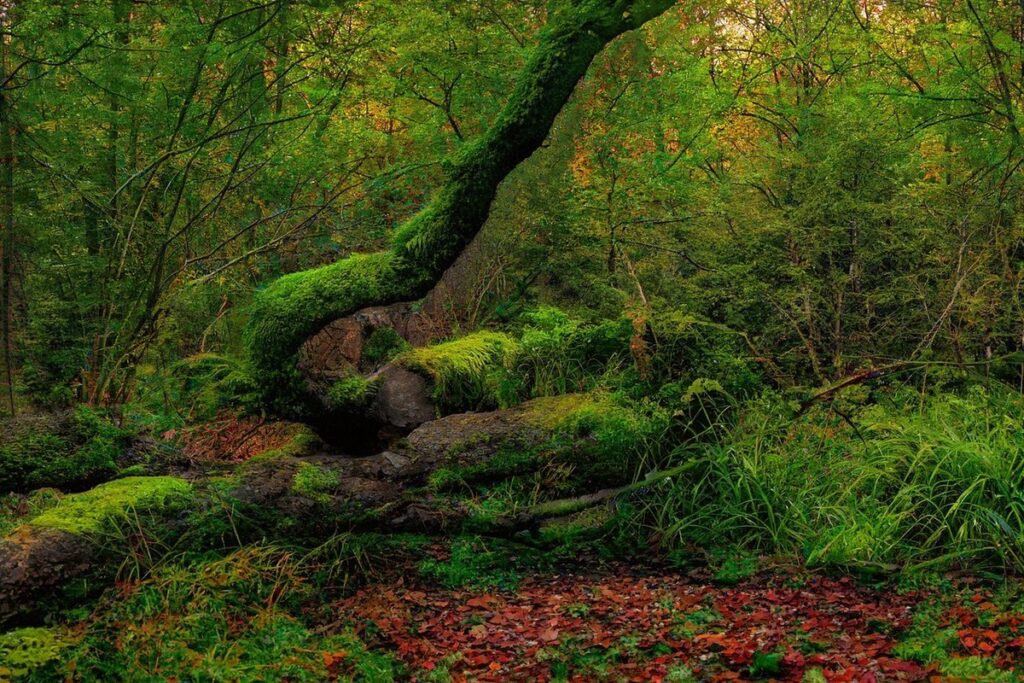
Understanding Understory Trees
To truly appreciate and care for understory trees, it’s essential to understand their unique characteristics and roles within a forest ecosystem. This includes learning how they adapt to shade and limited resources.
What Are Understory Trees?
Understory trees are typically defined as woody plants that grow beneath an overstory layer of vegetation. They can be smaller than the dominant canopy trees and often thrive in shaded conditions. These trees have adapted to the reduced light availability by developing unique characteristics such as broader leaves, waxy stems, or thick bark.
There are various types of understory trees, including deciduous species like maples and oaks, which shed their leaves seasonally, and evergreen species like rhododendrons and azaleas, which retain their foliage year-round. Some understory trees have also developed specialized roots to access water and nutrients from deeper soil layers.
Compared to overstory trees, understory trees tend to grow more slowly due to the limited light availability. However, they can still provide valuable ecological benefits such as habitat creation for wildlife and shade for smaller plants. By understanding the growth habits and adaptations of understory trees, gardeners and land managers can better appreciate their role in forest ecosystems and incorporate them into sustainable landscaping practices.
Importance of Understory Trees in Ecosystems
Understory trees play a vital role in maintaining ecosystem balance, which is often overlooked despite their significance. They provide food and shelter for countless species of wildlife, from birds and insects to larger animals like deer and small mammals. For instance, the canopy of understory trees offers a safe haven for baby birds learning to fly and escape predators. In addition, understory trees help to regulate the water cycle by absorbing excess rainwater and preventing soil erosion.
The roots of understory trees also have a profound impact on soil quality. They increase soil organic matter, improve soil structure, and enhance nutrient cycling. This has a ripple effect throughout the ecosystem, supporting the growth of other plants and trees. By incorporating understory trees into your garden or woodland, you can create a thriving habitat for local wildlife while improving the overall health of your environment. To maximize their benefits, choose understory tree species that are native to your area and provide the necessary conditions for them to thrive, such as adequate sunlight and water.
Choosing the Right Understory Tree Species
When selecting understory trees, one of the most critical decisions is choosing a species that will thrive in your specific climate and soil conditions. The right choice can make all the difference for a healthy tree.
Factors to Consider When Selecting an Understory Tree
When selecting an understory tree species, there are several key factors to consider. Climate is one of the most critical aspects to think about. Different regions have unique temperature and precipitation patterns that can impact a tree’s ability to thrive. For instance, if you live in a hot and dry climate, choose a drought-tolerant species like crape myrtle or redbud.
Soil type is another important consideration. Understory trees prefer well-draining soil, but some species can adapt to poor soil conditions. Look for trees with shallow root systems or those that can tolerate alkaline soils if you have heavy clay or sandy soil.
Sunlight exposure also plays a significant role in selecting the right understory tree species. Some trees require full sun to partial shade, while others prefer deep shade. Consider the amount of sunlight your yard receives and choose a tree that fits within this range.
Finally, desired growth rate is an essential factor to consider. Fast-growing trees can provide quick benefits like shade or wildlife habitat, but may require more maintenance than slower-growing species.
Popular Understory Tree Species for Different Conditions
When it comes to selecting understory tree species for your garden or landscape, choosing one that thrives in the specific conditions of your area is crucial. Some trees excel in full shade, while others prefer partial shade or even sun-dappled areas.
For full shade conditions, consider planting American Holly (Ilex opaca) or Redbud (Cercis canadensis). These trees not only tolerate but also require consistent moisture and shade to grow well. On the other hand, if you have a spot with partial shade, trees like Dogwood (Cornus florida) or Sweetbay Magnolia (Magnolia virginiana) are excellent options.
In sun-dappled areas, try planting trees that can handle occasional full sun, such as Red Maple (Acer rubrum) or Sassafras (Sassafras albidum). When selecting an understory tree species, consider the mature size of the tree and its root system to avoid overcrowding. Also, ensure that the chosen species is disease-resistant and suitable for your local climate.
By choosing the right understory tree species for your specific conditions, you’ll be able to create a thriving and diverse ecosystem in your garden or landscape.
Planting and Care Techniques
When planting understory trees, proper techniques are crucial for their growth and long-term survival. Here we’ll cover essential planting and care methods to ensure your understory trees thrive in their new environment.
Preparing the Soil for Understory Trees
When planting understory trees, it’s crucial to prepare the soil properly to ensure their successful establishment and healthy growth. Before introducing new trees, test the pH levels of the soil to determine if any adjustments are necessary. Most understory tree species prefer a slightly acidic to neutral soil pH between 6.0 and 7.0.
Next, remove any debris or obstructions from the planting area to promote root development and prevent competition for resources. Clear away weeds, rocks, and other obstacles that could hinder the trees’ growth. Aeration techniques can also be employed to loosen compacted soils and improve drainage, reducing the risk of waterlogged conditions that can lead to root rot.
If your soil is heavy clay or sandy, consider incorporating organic matter such as compost or well-rotted manure to enhance its structure and fertility. This will provide a stable base for the tree’s roots to develop and allow it to thrive in its new environment. Regularly monitoring and maintaining optimal soil conditions will be essential for the long-term health and success of your understory trees.
Watering and Fertilization Strategies
When it comes to watering and fertilizing understory trees, it’s essential to understand their specific needs. Understory trees typically require more frequent watering than above-ground trees due to their proximity to the soil surface. Aim to provide about 1-2 inches of water per week, either through rain or irrigation. Be cautious not to overwater, as this can lead to root rot and other problems.
Fertilization is also crucial for understory trees. A balanced fertilizer with equal parts nitrogen, phosphorus, and potassium (NPK) is a good starting point. However, the type of fertilizer may vary depending on your region’s soil composition and tree species. For example, if you’re growing understory trees in an acidic soil environment, consider using a fertilizer specifically formulated for acid-loving plants.
Some general guidelines to keep in mind include:
• Fertilize during the growing season (spring-fall) when understory trees are most active
• Avoid fertilizing during extreme weather conditions or when trees are under stress
• Consider soil testing to determine your understory tree’s specific nutrient needs
Common Challenges and Solutions
When growing understory trees, it’s common to encounter challenges that can impact their health and success. In this section, we’ll explore some of these obstacles and offer practical solutions to overcome them.
Dealing with Competition from Overstory Trees
When planting understory trees under existing overstory canopies, you may encounter challenges from these larger trees. Competition for resources such as light, water, and nutrients is a common issue. The dense canopy of the overstory tree creates shade, reducing photosynthesis in the understory tree.
To mitigate this competition, consider pruning or thinning the overstory tree’s branches to allow more sunlight to reach the understory tree. This can be done manually using loppers or pole saws, or by hiring a professional arborist. Another approach is to choose understory tree species that are tolerant of low light conditions.
It’s also essential to monitor for any potential damage from overstory trees. Branches and leaves may drop onto the understory tree, causing physical harm or creating an environment conducive to disease. Regularly inspect the area for any signs of damage and address them promptly.
Pest Management and Disease Prevention
As you nurture your understory trees, it’s essential to be proactive about pest management and disease prevention. Integrated Pest Management (IPM) strategies can help minimize chemical usage while maintaining a healthy environment.
Start by monitoring your understory trees regularly for signs of pests or diseases. Look out for unusual growth patterns, discoloration, or droopy leaves. For example, if you notice aphids on your oak tree, consider introducing natural predators like ladybugs to control the population. Regular pruning and proper watering habits can also reduce the risk of fungal diseases.
To prevent pest infestations, maintain a balanced ecosystem by providing a diverse range of plants that attract beneficial insects and microorganisms. Plant native species that are resistant to local pests, and avoid over-fertilizing, which can weaken your understory trees’ natural defenses.
If you do encounter pests or diseases, consider using physical barriers, traps, or targeted chemical treatments as a last resort. Always follow integrated pest management principles and consult with a certified arborist for guidance on the most effective solutions for your specific understory tree needs.
Maintenance and Pruning
To keep your understory trees thriving, regular maintenance and pruning are crucial steps to ensure their continued health and aesthetic appeal. Let’s dive into these essential care practices.
Timing and Techniques for Understory Tree Pruning
When it comes to pruning understory trees, timing is everything. The ideal time for pruning depends on the species and climate you’re working with, but generally speaking, late winter to early spring is a great time to prune deciduous understory trees. This allows the tree to focus its energy on new growth rather than healing from wounds during the active growing season.
For evergreen understory trees, prune in late spring or early summer when the new growth has reached its peak. Be sure to use sharp, clean pruning tools and remove no more than one-third of the tree’s canopy at a time to avoid shock.
Some specific techniques to keep in mind include:
* Removing crossing branches to maintain air circulation and prevent disease
* Thin out dense areas to allow sunlight to reach inner branches
* Prune back overgrown tips to maintain shape and promote new growth
When pruning, always cut just outside the branch collar (the raised area where the branch meets the trunk) to encourage healthy healing. And don’t forget to inspect your tools regularly to prevent the spread of disease from one tree to another.
Regular Maintenance Tasks for Healthy Trees
Regular maintenance tasks are crucial to ensure the long-term health of understory trees. One of the most effective ways to promote healthy growth is through mulching. Mulch acts as a barrier against weeds and retains moisture, reducing the need for frequent watering. It also regulates soil temperature, preventing scorching during hot summer months or freezing during cold winter months.
When mowing around understory trees, it’s essential to maintain a safe distance to avoid damaging their bark. A general rule of thumb is to keep the mower at least 12 inches away from the tree trunk. This allows for proper growth and minimizes the risk of infection.
Regular monitoring of your understory trees is also vital. Check for signs of stress, such as yellowing leaves or thinning foliage. Be on the lookout for pests like aphids and spider mites, which can quickly spread disease if left unchecked. With consistent maintenance and attention to potential issues, you’ll be able to enjoy the many benefits of your understory trees for years to come.
Conclusion
As we wrap up our exploration of understory trees, let’s summarize the key takeaways from our discussion on their benefits and proper care.
Recap of Key Takeaways
In conclusion to our discussion on understory trees, it’s essential to recap the key takeaways to ensure you’re equipped with the knowledge and tools necessary for proper care and management. By understanding the unique needs of these often-overlooked trees, you can create a thriving ecosystem in your garden or forest.
Firstly, remember that understory trees require careful selection to ensure they complement the existing canopy and don’t compete for resources. Research the specific growing conditions and space requirements for each tree species before making a final decision. For instance, some understory trees like the American Beech thrive in shaded areas, while others like the Red Maple prefer partial sun.
When caring for your understory trees, prioritize regular watering, pruning, and fertilization. Prune branches to maintain a balanced canopy and promote healthy growth. Fertilize during the growing season, but avoid over-fertilizing which can lead to nutrient imbalances. Regular inspections will also help identify potential pests or diseases before they spread.
In addition to these care tips, consider mulching around your understory trees to retain moisture and suppress weeds. This simple yet effective technique can make a significant difference in the overall health of your understory ecosystem. By incorporating these practices into your routine, you’ll be well on your way to creating a thriving understory environment.
Some final considerations include monitoring soil pH levels, adjusting as necessary, and maintaining a diverse understory composition to promote biodiversity. With attention to these details, you can create an understory haven that’s teeming with life and beauty. By following these key takeaways, you’ll be able to properly care for your understory trees and reap the many rewards they have to offer.
Frequently Asked Questions
How Do I Choose the Best Understory Tree for My Specific Climate Zone?
When selecting an understory tree species, consider factors such as temperature tolerance, moisture requirements, and resistance to local pests and diseases. Research popular species native to your region or climate zone and choose those that are well-suited to your specific conditions.
Can I Plant Multiple Understory Trees Together Without Overcrowding?
Yes, planting multiple understory trees together can create a thriving ecosystem, but ensure you leave enough space for each tree to grow. A general rule of thumb is to plant 6-12 feet apart, depending on the mature size of the species. This will prevent overcrowding and allow for proper air circulation.
How Often Should I Water My Understory Trees During Hot Summer Months?
Understand that understory trees have adapted to thrive in shaded conditions with limited water availability. Avoid overwatering, which can lead to disease and pest issues. Instead, focus on providing supplemental watering during extended drought periods or extreme heat waves.
What Are Some Common Pests or Diseases That Affect Understory Trees, and How Can I Prevent Them?
Common pests and diseases affecting understory trees include aphids, scale insects, root rot, and leaf spot. Practice integrated pest management techniques, such as introducing beneficial insects, using organic pesticides, and maintaining good sanitation practices to prevent the spread of disease.
When Should I Prune My Understory Trees for Maximum Health Benefits?
Prune your understory trees during their dormant season (winter or early spring) to minimize stress and promote healthy growth. Regular pruning will also help control size, shape, and promote air circulation within the canopy.