
Soil mites may not be the first creatures that come to mind when thinking about the natural world, but they play a vital role in maintaining healthy ecosystems. These tiny arthropods are responsible for breaking down organic matter and recycling nutrients back into the soil. But their impact goes beyond just decomposition – soil mites also have a significant influence on plant growth and development. In this article, we’ll delve into the fascinating world of soil mites, exploring their biology, behavior, and potential applications in pest control and soil remediation. By the end of our journey, you’ll gain a deeper understanding of these tiny creatures and why they’re crucial to sustaining life on Earth. From their role in decomposition to their impact on ecosystems, let’s uncover the secrets of soil mites together.
What are Soil Mites?
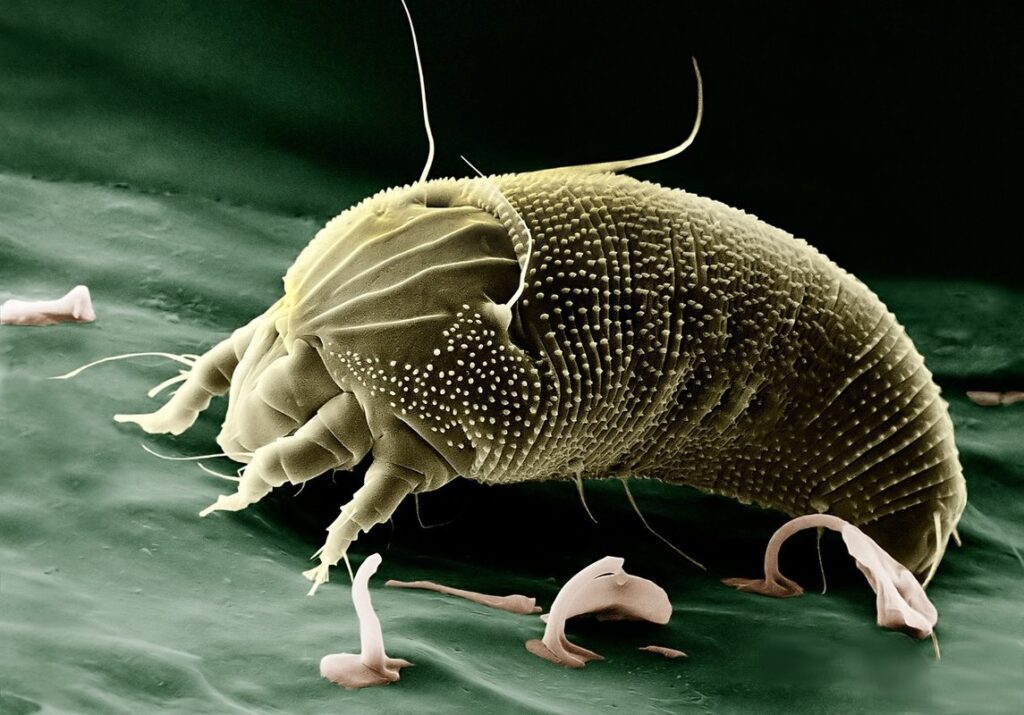
Soil mites are tiny, eight-legged arachnids that live underground and play a vital role in decomposing organic matter. Let’s explore what they look like and how they thrive in soil ecosystems.
Defining Soil Mites and their Types
Soil mites are indeed tiny creatures that inhabit soil ecosystems worldwide. To understand these microscopic inhabitants better, it’s essential to define and classify them properly. With over 12,000 known species, the diversity of soil mites is impressive.
They belong to the arachnid family, which also includes spiders and scorpions. However, unlike their larger counterparts, soil mites are extremely small – most measuring less than a millimeter in length. There are several types of soil mites, each with unique characteristics. Water mites, for instance, are adapted to aquatic environments and can be found in freshwater habitats.
Moss mites, on the other hand, thrive in damp, humid environments and feed on mosses and lichens. Soil mites’ classification is further divided into subgroups based on their feeding habits, with predators, decomposers, and herbivores being the primary categories. Understanding these classifications can help us appreciate the crucial role soil mites play in maintaining soil health and supporting ecosystems worldwide.
Importance of Soil Mites in Ecosystems
Soil mites play a vital role as decomposers in ecosystems, breaking down organic matter and recycling nutrients. Without them, nutrient cycling would be severely impaired, leading to soil degradation and reduced fertility. These tiny creatures feed on decaying plant and animal material, releasing essential nutrients back into the soil.
Their impact on nutrient cycling is significant. For instance, a study found that decomposing fungi can retain up to 90% of carbon and nitrogen in soil, but mites play a crucial role in breaking down this material, making it available for plants to absorb. Moreover, their feeding activities contribute to the formation of aggregates, which improve soil structure and increase water infiltration.
In addition to their decomposition function, soil mites also contribute to soil health by controlling pest populations and influencing microbial communities. By preying on fungal pathogens, they protect plant roots from disease and promote beneficial fungi growth. This intricate balance ensures a stable ecosystem where plants can thrive.
Habitat and Distribution of Soil Mites
Soil mites can be found in various environments worldwide, from tropical forests to Arctic tundras, and in a range of soil types including clay and sand. Let’s explore where they call home.
Types of Environments Where Soil Mites Thrive
Soil mites can be found thriving in various environments around the world. Forests are one of their primary habitats, where they live among the leaf litter and undergrowth. The dense vegetation provides a humid microclimate that suits their needs. In fact, studies have shown that forests harbor some of the highest diversity of soil mite species.
Grasslands and savannas also support diverse populations of soil mites. These areas often experience periodic droughts, which can be challenging for many organisms but not for soil mites. They can withstand dry conditions by burrowing deep into the soil or forming desiccation-resistant eggs.
Deserts may seem like an unlikely habitat for soil mites, given their arid conditions. However, certain species have adapted to these environments by developing specialized traits that allow them to survive without water. For instance, some desert-dwelling soil mites can enter a state of dormancy, reducing their metabolic activity and conserving energy.
Wetlands, too, provide an ideal environment for soil mites. The high moisture levels and diverse plant life create a rich ecosystem that supports a wide range of species. Soil mites in these areas play a crucial role in decomposing organic matter and recycling nutrients.
Factors Influencing Soil Mite Distribution and Abundance
Soil mite populations are heavily influenced by various environmental factors, which can either promote their distribution and abundance or lead to their decline. Temperature plays a significant role, with most soil mites thriving between 15°C to 30°C (59°F to 86°F). However, extreme temperatures can be detrimental, causing mortality rates to skyrocket.
Humidity also affects soil mite populations, as they require a certain level of moisture to survive. Optimal humidity ranges vary among species but generally fall within the 60% to 80% range. pH levels are another critical factor; most soil mites prefer slightly acidic to neutral soils with pH ranging from 6.0 to 7.5.
Vegetation type also influences soil mite populations, as different plant species support distinct microbial communities that in turn affect soil mite distribution and abundance. For instance, grasslands tend to harbor more diverse soil mite populations than forests due to differences in vegetation composition and soil properties. By understanding the impact of these factors on soil mite populations, you can better manage your garden or agricultural lands to create a more conducive environment for these tiny creatures.
Biology and Behavior of Soil Mites
Soil mites are incredibly diverse, with different species exhibiting unique behaviors such as burrowing, foraging, and even symbiotic relationships. Let’s take a closer look at what drives their biology and behavior.
Life Cycle and Development Stages
Soil mites undergo a complex life cycle that consists of several distinct stages. It begins with the egg stage, where females lay 1-5 eggs at a time, depending on species and environmental conditions. These eggs are usually white or translucent and can be found attached to plant roots, leaf litter, or soil particles.
As they hatch, larvae emerge and enter a feeding frenzy, consuming organic matter and microorganisms to fuel their growth. During this stage, they molt several times as they outgrow their skin. After several weeks of larval development, the mites reach adulthood. At this point, they are fully formed and begin reproducing.
Adult soil mites exhibit distinct characteristics, such as longer legs and specialized features for feeding or reproduction. For example, some species have distinctive patterns on their bodies or enlarged eyes. Understanding these life stages is crucial for appreciating the importance of soil mites in ecosystem balance and biodiversity. By recognizing their unique characteristics, researchers can better comprehend the role these microscopic creatures play in decomposition processes and nutrient cycling within soil ecosystems.
Feeding Habits and Predation
Soil mites play a vital role in maintaining the balance of ecosystems, and their feeding habits are crucial to this process. These microscopic creatures feed on algae, fungi, and small insects that inhabit the soil. By breaking down these organic matter, soil mites help recycle nutrients, making them available for plants to absorb.
In terms of predation, soil mites are both predators and prey themselves. They feed on various microorganisms, including algae and fungi, but they can also become victims of larger arthropods like ants and beetles. This delicate balance highlights the importance of soil mites in controlling pest populations. By preying on small insects that might otherwise harm plants, soil mites help regulate the ecosystem.
Interestingly, research suggests that soil mite populations can be an indicator of soil health. An imbalance in their population can signal underlying issues with the soil’s nutrient cycle or pH levels. This is why monitoring soil mite populations can be a useful tool for farmers and gardeners looking to maintain healthy ecosystems.
Soil Mite-Related Problems and Opportunities
Soil mites can cause significant problems for gardeners, from nutrient deficiencies to pest infestations, but they also offer opportunities for sustainable gardening practices. Let’s dive into these challenges and possibilities together.
Soil Mite Infestations: Symptoms and Consequences
Soil mite infestations can have severe consequences for agriculture and ecosystems. One of the most noticeable symptoms is reduced crop yields, which can lead to economic losses for farmers. Damaged plants are another indication of an infestation, characterized by stunted growth, yellowing leaves, or distorted fruit.
In severe cases, soil mites can cause entire crops to fail, resulting in food shortages and price increases. This highlights the importance of monitoring soil health and taking prompt action when signs of infestation appear. To mitigate these effects, farmers should adopt integrated pest management (IPM) strategies that combine physical barriers, cultural controls, and biological controls.
Regular soil sampling can also help detect mite populations early on, allowing for targeted interventions before damage occurs. For example, introducing beneficial nematodes or using cover crops can help reduce soil mite populations naturally. By understanding the symptoms and consequences of soil mite infestations, farmers can take proactive measures to protect their crops and maintain ecosystem balance.
Potential Applications of Soil Mites in Pest Control and Soil Remediation
Soil mites are often overlooked as beneficial organisms, but understanding their biology could unlock innovative solutions for pest control and soil remediation. One potential application is using soil mites to manage pests that harm crops. For instance, certain species of soil mites prey on root-knot nematodes, microscopic worms that can cause significant damage to plant roots.
Researchers have already begun exploring the use of these beneficial micro-arthropods in integrated pest management (IPM) strategies. By introducing compatible species of soil mites into infested areas, farmers may be able to reduce or even eliminate chemical pesticides. This approach not only improves crop yields but also mitigates environmental harm caused by overuse of chemicals.
Another promising area is using soil mite activity as a bioindicator for soil remediation efforts. Soil mites are sensitive to pollutants and can indicate changes in soil health. By monitoring the presence and abundance of these organisms, scientists may be able to assess the effectiveness of remediation strategies and identify areas that require further attention.
Methods for Monitoring and Controlling Soil Mite Populations
To effectively manage soil mites, it’s essential to have a plan for monitoring their populations. This involves using various methods to detect and track these tiny creatures.
Sampling Techniques for Soil Mite Detection
When it comes to detecting soil mite populations, accurate sampling is crucial. To get an reliable reading, you need to collect and analyze soil samples using the right techniques. One of the most effective methods for collecting soil samples is the “hand-digging” method. This involves digging small trenches or pits in areas with suspected high soil mite activity.
To improve accuracy, it’s essential to collect multiple samples from different locations within a single area. Typically, five to ten samples per site are sufficient. When extracting the sample, be sure to include both surface and sub-surface layers. Avoid collecting samples near areas that may have been recently disturbed or contaminated with chemicals.
Once you’ve collected your samples, store them in sealed containers and refrigerate at 4°C (39°F) until analysis. Soil mites can survive for several days out of the soil, so prompt storage is crucial to maintain sample integrity. Next, you’ll need to extract the mites from the soil using a combination of wet sieving and flotation techniques.
When processing your samples, be sure to clean all equipment thoroughly between each use. This will prevent cross-contamination and ensure accurate results. If you’re working with a large area or multiple sites, consider enlisting the help of colleagues to speed up the sampling process.
Integrated Pest Management Strategies
When it comes to managing soil mite populations, Integrated Pest Management (IPM) strategies are crucial for maintaining ecological balance. These microscopic creatures play a vital role in decomposing organic matter and recycling nutrients in ecosystems. Before implementing IPM, it’s essential to understand that soil mites can be beneficial, especially when they break down decaying plant material.
A holistic approach to managing soil mite populations involves assessing the ecosystem as a whole. This includes monitoring factors such as temperature, moisture levels, and nutrient availability. For instance, if your garden has high humidity and consistent temperatures, you may inadvertently create an ideal environment for mites to thrive.
To implement effective IPM strategies:
* Regularly inspect your soil and surrounding areas for signs of mite infestations.
* Identify the type of mite present and assess its potential impact on plant health.
* Apply cultural controls such as adjusting irrigation schedules, pruning plants, or adding organic matter.
* Consider using targeted treatments like neem oil or insecticidal soap when necessary.
By taking a proactive approach to managing soil mites through IPM strategies, you can promote a balanced ecosystem and minimize the need for chemical interventions.
Conclusion: The Significance of Soil Mites in Ecosystems
As we’ve explored the fascinating world of soil mites, it’s time to discuss their significance and impact on ecosystems. This final section wraps up our journey into the tiny creatures’ vital role in maintaining healthy environments.
Recap of Key Points
In conclusion, we’ve explored the fascinating world of soil mites and their crucial role in ecosystems. By understanding these microscopic creatures, we can appreciate the intricate balance of nature and take steps to preserve it. Soil mites are not just tiny pests that harm plants; they’re a vital part of the food chain, serving as both predators and prey for other microorganisms.
They play a significant role in decomposing organic matter, recycling nutrients, and influencing soil structure. In fact, research has shown that soil mite populations can be used as indicators of ecosystem health. By monitoring their numbers and diversity, scientists can gain insights into the overall well-being of an environment.
As we’ve seen throughout this article, soil mites are more than just a curiosity – they’re a key component of healthy ecosystems. As you continue to learn about these tiny creatures, remember that small actions can make a big difference in preserving their habitats and maintaining the balance of nature. By incorporating sustainable practices into your daily life, such as reducing pesticide use and promoting biodiversity, you can contribute to the conservation of soil mites and the ecosystems they inhabit.
Future Research Directions and Applications
As we conclude our journey into the world of soil mites, it’s exciting to think about the potential future research directions and applications that can emerge from a deeper understanding of these microscopic creatures. One promising area for exploration is the development of novel pest control methods. Soil mites play a crucial role in decomposing organic matter and regulating nutrient cycles, but their populations can sometimes get out of balance, leading to ecosystem disruption.
Researchers could investigate how soil mite communities respond to different environmental conditions, such as climate change or invasive species introductions. This knowledge could inform the design of more effective conservation strategies and sustainable agricultural practices that minimize harm to soil ecosystems. Additionally, studying the unique properties of soil mites’ silk production could inspire new materials with potential applications in textiles or medicine.
Furthermore, the discovery of new species and their adaptations could lead to breakthroughs in biotechnology and pharmaceutical research. As we continue to learn more about these tiny organisms, we may uncover novel enzymes, antibiotics, or even medical treatments that have the power to revolutionize our understanding of life itself. The possibilities are vast and exciting, and it’s an exhilarating time to be studying soil mites!
Frequently Asked Questions
Can I find soil mites in my backyard, and how do I identify them?
Yes, soil mites can be found in backyards with organic matter, such as leaf litter or compost piles. They’re microscopic, so a magnifying glass or microscope is necessary to spot them. Look for tiny, eight-legged arachnids moving through the soil or on plant roots.
How do I prevent soil mite infestations from affecting my garden’s health?
To prevent soil mite infestations, maintain good soil hygiene by regularly removing organic debris and weeds. Monitor your plants for signs of damage, such as yellowing leaves or stunted growth. If you notice an issue, consider using integrated pest management strategies to control the population.
Can I use chemical pesticides to get rid of soil mites, or are there alternative methods?
No, it’s not recommended to use chemical pesticides to control soil mite populations. These chemicals can harm beneficial organisms and contaminate the soil. Instead, adopt organic methods like introducing beneficial nematodes or using natural predators to control soil mite populations.
How do I know if my soil mites are a problem or just part of the ecosystem?
Soil mites typically don’t cause problems unless their population grows excessively. Monitor your soil for signs of over-activity, such as large numbers of mites on plant roots or excessive decomposition. If you notice these symptoms, consider consulting with a gardening expert to determine the best course of action.
Can I cultivate specific species of beneficial soil mites in my garden?
Yes, certain species of soil mites can be cultivated using specialized techniques. These beneficial organisms can help control pest populations and improve soil health. Research which species are suitable for your region and climate, and follow proper guidelines for cultivating them in your garden.