
When it comes to giving your plants the best chance at thriving, understanding the importance of soil pH is crucial. You might have heard that most plants prefer a neutral or slightly acidic soil environment, but did you know that this isn’t always the case? Every plant species has its unique optimal pH range, and getting it just right can mean the difference between robust growth and stunted development. In this article, we’ll dive into the world of soil pH, covering how to measure and adjust it for your plants’ specific needs. We’ll also explore why maintaining a balanced pH range is essential for optimal plant growth, and what methods work best for achieving that perfect balance.
What is Soil pH and Why Does it Matter?
Soil pH plays a crucial role in plant growth, and understanding its significance can make all the difference for your garden’s success. Let’s dive into what soil pH is and why it matters.
Importance of Soil pH in Plant Growth
Soil pH plays a critical role in plant growth, and its impact cannot be overstated. The ideal pH range for most plants falls between 6.0 and 7.0, although some plants thrive in more acidic or alkaline conditions. For instance, azaleas and blueberries require a very acidic soil pH of around 4.5 to 5.5 to grow well.
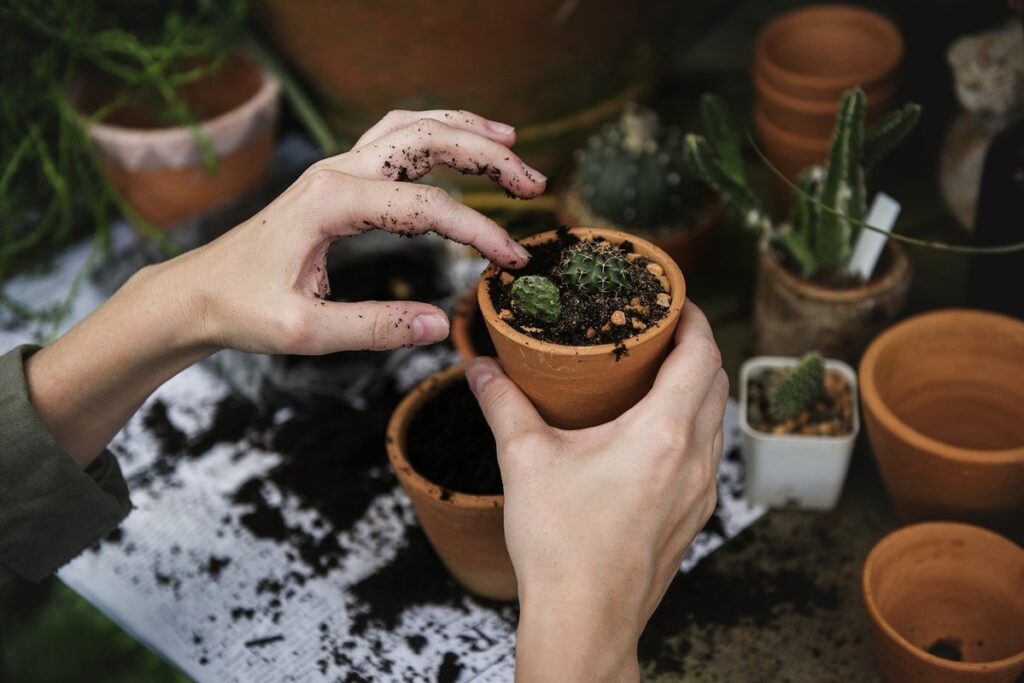
On the other hand, plants like succulents and cacti prefer highly alkaline conditions with a pH range of 7.0 to 8.0. If the soil pH is too far off from the optimal range for a particular plant species, nutrient availability and uptake can be severely impaired. This, in turn, affects the plant’s ability to grow and thrive.
To gauge the ideal pH range for your plants, research their specific requirements or consult with local nurseries or gardening experts. They can provide valuable insights based on the climate and soil types prevalent in your area.
Understanding the pH Scale
The pH scale is a fundamental concept in understanding soil health and its impact on plant growth. It’s essentially a measure of how acidic or alkaline the soil is, with a range from 0 to 14. A pH level below 7 indicates an acidic environment, while above 7 signals alkalinity. The ideal pH range for most plants falls between 6.0 and 7.0. This narrow window allows for optimal nutrient uptake and water absorption.
To measure soil pH, gardeners can use a DIY kit or send a sample to a lab for analysis. Results are typically reported in whole numbers (e.g., 6.5), with slight variations indicating minor changes in acidity or alkalinity. Why is this range so crucial? Most plants thrive within this buffer zone because it enables them to access essential nutrients like nitrogen, phosphorus, and potassium. For example, a pH of 7.0 allows for excellent root growth, while extreme deviations can lead to nutrient deficiencies or toxicity issues. By maintaining a balanced soil pH between 6.0 and 7.0, gardeners can create an environment where their plants grow strong and healthy.
Measuring Soil pH: Methods and Tools
When it comes to adjusting your soil pH, you need to know what level you’re starting with, which is where testing comes in. We’ll explore the methods and tools available for measuring soil pH accurately.
Using pH Test Kits and Meters
When it comes to measuring soil pH, many gardeners and farmers rely on pH test kits and meters. These tools are relatively inexpensive and easy to use, making them a popular choice for those looking to determine their soil’s acidity or alkalinity.
There are several types of pH test kits available, including dip-and-read tests, colorimetric tests, and buffer tests. Dip-and-read tests are simple to use, but may not be as accurate as other methods. Colorimetric tests involve adding a reagent to the soil sample and measuring the resulting color change, while buffer tests use a pre-mixed solution that is added to the soil sample.
pH meters offer higher accuracy than test kits, but require more skill to use. They can also be more expensive, especially if you’re only testing the pH of your soil occasionally. Some popular types of pH meters include pen-style meters, handheld meters, and benchtop meters.
When choosing a pH test kit or meter, consider factors such as accuracy, ease of use, and cost. For example, if you’re just starting out with gardening, a dip-and-read test kit may be a good choice due to its simplicity and affordability.
Soil Sampling Techniques
Collecting a representative soil sample is crucial to obtaining accurate measurements of your soil’s pH level. When taking a sample, it’s essential to consider the size and distribution of your property. For larger areas, divide the land into smaller sections or ‘zones’ based on variations in vegetation, drainage, or other factors that may influence soil composition.
Choose a sampling area with minimal human impact, avoiding areas near buildings, roads, or other sources of pollution. Use a garden fork to collect about 10-15 sub-samples from the top 6-8 inches of soil within each zone. Combine these individual samples in a bucket or container to create your overall representative sample.
Aim for a minimum sample size of one gallon (3.785 liters) per acre, but ideally collect two gallons (7.57 liters) if possible. This will provide enough material for both laboratory analysis and future reference. When handling the soil, avoid contamination by wearing gloves and minimizing direct contact with your skin.
Understanding the Causes of Acidic or Alkaline Soil pH
So, you want to know what makes your soil’s pH levels go haywire? This section dives into the common causes of acidic and alkaline soil pH.
Factors Contributing to Acidic Soil pH
Soil pH can be influenced by various factors, and understanding these influences is crucial for maintaining optimal plant growth. One of the primary contributors to acidic soil pH is high rainfall. Areas with heavy precipitation often experience leaching, a process where water carries away essential nutrients from the soil. This leaching effect can lead to an increase in hydrogen ions, resulting in lower soil pH.
Another factor contributing to acidic soil pH is low calcium levels. Calcium plays a vital role in neutralizing acidity and maintaining soil structure. When its levels are insufficient, the soil becomes more prone to acidification. Excessive use of nitrogen fertilizers is also a significant contributor to acidic soil pH. While nitrogen promotes healthy plant growth, excessive amounts can lead to an overabundance of hydrogen ions, further lowering the soil’s pH.
In regions with high rainfall or low calcium levels, it’s essential to monitor and adjust your soil management strategies accordingly. Regular soil testing can help you identify areas where adjustments are necessary.
Factors Contributing to Alkaline Soil pH
Soil alkalinity can be attributed to an excess of certain ions, primarily calcium, magnesium, and potassium. These positively charged minerals can accumulate in the soil over time due to various factors such as weathering of rocks, application of fertilizers, or irrigation with hard water.
Calcium, for instance, is a common culprit behind alkaline soil conditions. It can leach from nearby limestone formations or be introduced through lime-based fertilizers and pesticides. Magnesium too, can contribute to soil alkalinity, particularly in areas where magnesium-rich minerals are prevalent.
Potassium also plays a significant role in determining soil pH levels. When potassium is present in excess, it can lead to the formation of insoluble compounds that increase the overall alkalinity of the soil. The excessive levels of these ions can disrupt the natural balance of the soil ecosystem, affecting nutrient availability and plant growth. If you suspect your soil is becoming too alkaline due to an overabundance of calcium, magnesium, or potassium, consider implementing a balanced fertilizer program, using organic amendments, or adjusting your irrigation schedule to mitigate the issue. Regular soil testing can also help identify any imbalances and guide corrective actions.
How to Adjust Soil pH: Methods and Materials
If you’ve determined your soil needs a pH adjustment, don’t worry – we’ll walk you through simple methods for raising or lowering it to benefit your plants.
Liming for Acidic Soils
When it comes to adjusting soil pH, one of the most common challenges gardeners face is dealing with acidic soils. Acidic soils can stunt plant growth, reduce crop yields, and make it difficult for plants to absorb essential nutrients. Adding lime to acidic soils is a tried-and-true method for raising the pH and creating a more balanced environment for your plants.
There are two main types of lime: dolomitic and calcitic. Dolomitic limestone contains magnesium in addition to calcium, making it an excellent choice for acid-loving plants like blueberries and azaleas. Calcitic limestone, on the other hand, is a pure source of calcium that’s ideal for neutralizing high acidity levels.
To apply lime effectively, you’ll need to determine your soil’s current pH level using a soil testing kit or by sending a sample to a lab for analysis. Based on the test results, you can calculate the recommended application rate, which typically ranges from 1/4 to 1 cup of lime per 100 square feet of soil. Be sure to follow these steps and guidelines carefully to avoid over-liming your soil, which can lead to problems like nutrient deficiencies and plant toxicity.
In terms of how often to apply lime, it’s essential to monitor your soil pH regularly and reapply as needed, usually every 2-3 years in areas with high rainfall or acidic soils. By keeping a close eye on your soil’s pH levels and adjusting accordingly, you’ll be able to create an optimal growing environment for your plants and enjoy healthier, more productive crops.
When selecting lime products, look for ones that are labeled as “agricultural” or “garden-grade,” as these have been specifically formulated for use in gardens. Some popular brands include Dolomitic Limestone by Espoma Organic, Calcitic Limestone by Garden Lime, and Quicklime by Soil Conditioner.
Sulfur and Other Acidifying Agents
When attempting to lower soil pH, sulfur is one of the most commonly used agents. It’s an effective way to reduce the alkalinity of your soil and bring it back into a more neutral range. Sulfur can be found naturally occurring in many types of plants, including beans and peas, but when used as an additive, it works by releasing hydrogen ions that replace the calcium and magnesium ions present in the soil.
Other acidifying agents like aluminum sulfate can also be used to lower pH levels. Aluminum sulfate is typically used for more severe adjustments and tends to work faster than sulfur. However, because of its potential toxicity, it’s essential to exercise caution when using this substance and follow the manufacturer’s instructions carefully.
The key to successfully lowering soil pH with either of these agents lies in gradual application and monitoring. Start by testing your soil pH regularly and taking note of any changes as you apply the acidifying agent. This will help prevent over-acidification, which can be detrimental to plant growth.
Best Practices for Maintaining Optimal Soil pH
To achieve and maintain a balanced soil pH, you’ll want to learn how to regularly test your soil, identify potential issues, and take corrective action when necessary. This ensures optimal nutrient availability for your plants.
Monitoring Soil pH Regularly
Monitoring soil pH regularly is essential to ensure that it remains within an optimal range for plant growth. This involves testing the soil periodically, ideally every 6-12 months, depending on factors such as climate, soil type, and land use.
Testing frequency can vary significantly based on these variables; for example, in areas with high rainfall or irrigation, testing might be required more frequently to account for pH fluctuations. Conversely, arid regions may require less frequent testing due to lower moisture levels that affect soil pH stability.
When determining the best testing schedule, consider the type of plants being grown and their specific pH requirements. Crops like citrus and blueberries thrive in acidic conditions, whereas others such as alfalfa or potatoes prefer a more alkaline environment.
To ensure accurate readings, choose a reputable lab or use an at-home kit that adheres to strict quality control measures. When interpreting results, keep in mind that soil pH can be influenced by various factors, including the presence of organic matter and nutrient levels. Adjustments should be made accordingly to maintain optimal conditions for plant growth.
Integrating pH Management into Your Gardening or Farming Schedule
Incorporating pH management into your gardening or farming schedule is essential to maintain optimal soil conditions for plant growth. To do this effectively, you should first understand the current pH level of your soil and set a target range suitable for your specific plants.
Start by taking regular pH readings throughout the growing season using a DIY kit or sending samples to a lab for analysis. This will give you an accurate picture of any fluctuations that may occur due to factors like fertilization, irrigation, or weather conditions.
Once you have this data, adjust your fertilizer application schedule accordingly. For example, if your soil is too acidic and you’re using a high-nitrogen fertilizer, consider reducing the amount applied to avoid further lowering the pH.
Another crucial step is monitoring rainfall and irrigation patterns. If you notice an increase in water usage or significant rainfall events, be prepared to adjust your fertilization schedule accordingly to prevent over-acidification.
By integrating these steps into your regular gardening routine, you can ensure a stable soil pH environment that supports healthy plant growth throughout the growing season.
Conclusion and Future Directions
Now that you’ve gained a deeper understanding of plant soil pH, let’s explore the practical applications of this knowledge and what lies ahead for future research.
Recap of Key Takeaways
As you’ve navigated through this comprehensive guide on plant soil pH, we hope you’ve gained a deeper understanding of its significance and importance. To recap, the main points discussed can be summarized as follows:
* Soil pH is a critical factor influencing plant growth and nutrient uptake. It affects the availability of essential micronutrients, such as iron and zinc.
* A pH range between 6.0 and 7.0 is considered optimal for most plants, but some species have specific preferences.
* Understanding your soil’s pH can help you make informed decisions about fertilization, liming, or acidifying your soil to optimize plant growth.
* Regular monitoring of your soil’s pH through testing is essential to ensure that it remains within a suitable range for your plants.
To put this knowledge into practice, we recommend regularly testing your soil’s pH and adjusting it as needed. This will not only improve plant health but also increase crop yields. By prioritizing soil pH management, you’ll be better equipped to create an optimal growing environment for your plants.
Final Thoughts on Soil pH Management
In conclusion, understanding and managing soil pH is crucial for promoting healthy plant growth. By now, you should have a solid grasp of what soil pH entails, its importance, and the impact it has on plant development. Managing soil pH effectively requires careful consideration of factors like liming, fertilization, and monitoring.
To reinforce these concepts, consider this: a slight increase in soil pH can lead to reduced nutrient availability for plants, resulting in stunted growth or even death. Conversely, extreme acidity can have the same devastating effects. To avoid these pitfalls, it’s essential to regularly test your soil pH and adjust accordingly.
By integrating soil pH management into your gardening routine, you’ll be well on your way to creating a balanced ecosystem that fosters optimal plant health. So, take the knowledge you’ve gained from this comprehensive guide and apply it to your own garden or agricultural endeavors. Regular monitoring and adjustments will ensure you’re always one step ahead of potential issues, guaranteeing a bountiful harvest for years to come.
Frequently Asked Questions
Can I adjust soil pH for a mix of plants with different optimal pH ranges?
Yes, it’s possible to create a balanced soil environment that caters to multiple plant species with varying optimal pH ranges. To do this effectively, research the specific pH requirements for each plant and blend in amendments accordingly. For example, you can add sulfur or aluminum sulfate to lower the pH for acid-loving plants while using lime to raise the pH for alkaline-tolerant ones.
How often should I check and adjust my soil’s pH levels?
Regular monitoring is key to maintaining an optimal pH range. Check your soil pH every 1-3 months, depending on factors like climate, soil type, and plant growth rates. Adjustments may be needed more frequently during periods of rapid growth or when introducing new plants with specific pH requirements.
What are the risks associated with sudden changes in soil pH?
Sudden shifts in pH can be detrimental to your plants’ health. A too-rapid change can lead to nutrient deficiencies, reduced plant growth, and even plant death. To avoid this, make gradual adjustments over time, monitoring your plants’ responses and making further adjustments as needed.
Can I use a single product to adjust both acidic and alkaline soil pH levels?
While there are products that claim to adjust both acidity and alkalinity, it’s generally not recommended. These multi-purpose products may not be effective for either extreme pH adjustment or may contain additives that could harm your plants. Instead, use targeted amendments like lime for acidification or sulfur for alkalization.
How do I know if my soil is too far gone to save with pH adjustments?
If your soil has undergone significant degradation or nutrient depletion due to prolonged pH imbalances, it might be more challenging to restore its health through simple pH adjustments. In such cases, consider implementing deeper remediation techniques like aeration, re-pouring, or even starting from scratch using fresh, well-balanced soil.