
As a plant enthusiast, you may have wondered how those tiny seeds sprout into towering trees or delicate flowers. The process of seed germination is indeed magical, and understanding it can help you become a better gardener or even inspire your interest in botany. But what exactly happens during this phase? Simply put, germination is the beginning of plant growth, where a dormant seed absorbs water, breaks its dormancy, and starts to grow into a new plant. Environmental factors like temperature, light, and moisture significantly influence this process, making it essential for us to understand how to provide optimal conditions for healthy plant development. In this article, we’ll explore the world of plant biology, diving deep into seed germination and growth stages to help you grasp the intricacies of plant development.
What are Plants?
Let’s take a closer look at what plants actually are and how they grow from tiny seeds into mature organisms, starting with the basics of plant definition.
The Basics of Plant Biology
To truly understand plant germination, it’s essential to grasp some fundamental concepts in plant biology. Plants are living organisms that consist of various cell types, each with specific functions. The basic building blocks of plants are cells, which come in different forms such as parenchyma, collenchyma, and sclerenchyma cells. Parenchyma cells, for instance, perform photosynthesis – the process by which plants convert light energy into chemical energy through the combination of water, carbon dioxide, and sunlight.
Photosynthesis is a vital aspect of plant biology that enables plants to produce their own food. This process occurs in specialized organelles called chloroplasts, where pigments such as chlorophyll absorb light energy to power the conversion of CO2 and H2O into glucose and oxygen. On the other hand, respiration is another critical process in plant biology, during which plants break down carbohydrates to produce energy.
Understanding these fundamental aspects of plant biology will help you recognize their basic needs. Plants require sufficient water, sunlight, nutrients, and space to grow and thrive. By appreciating the intricacies of plant cell structure and metabolism, you’ll be better equipped to provide optimal conditions for germination and growth.
Types of Plants: Classification and Examples
Plants come in various forms, and understanding their classification can be fascinating. Let’s break down some of the main categories: monocots, dicots, gymnosperms, and angiosperms.
Monocots (monocotyledons) are plants that have one cotyledon or seed leaf during germination. Examples include grasses, lilies, orchids, and corn. These plants typically have parallel veins on their leaves. Dicots (dicotyledons), on the other hand, produce two seed leaves during germination. Examples include beans, roses, sunflowers, and most trees. Gymnosperms are coniferous plants that reproduce via cones, such as pine, spruce, and fir. These plants have needle-like or scale-like leaves.
Understanding the classification of plants is crucial in identifying their characteristics, growth patterns, and needs. For instance, if you’re planting a monocot like corn, be prepared to provide more nitrogen-rich fertilizer due to its high leaf production. Meanwhile, dicots require less nitrogen as they produce fewer leaves. Knowing these differences can help you optimize your gardening techniques for specific plant types. By being aware of the various plant categories, you’ll be better equipped to care for and nurture your plants through all stages of their life cycle, including germination and beyond.
Plant Germination Process
Let’s dive into the plant germination process, where seeds begin to sprout and grow into a new plant. This is an essential step in a plant’s life cycle.
Stages of Seed Germination
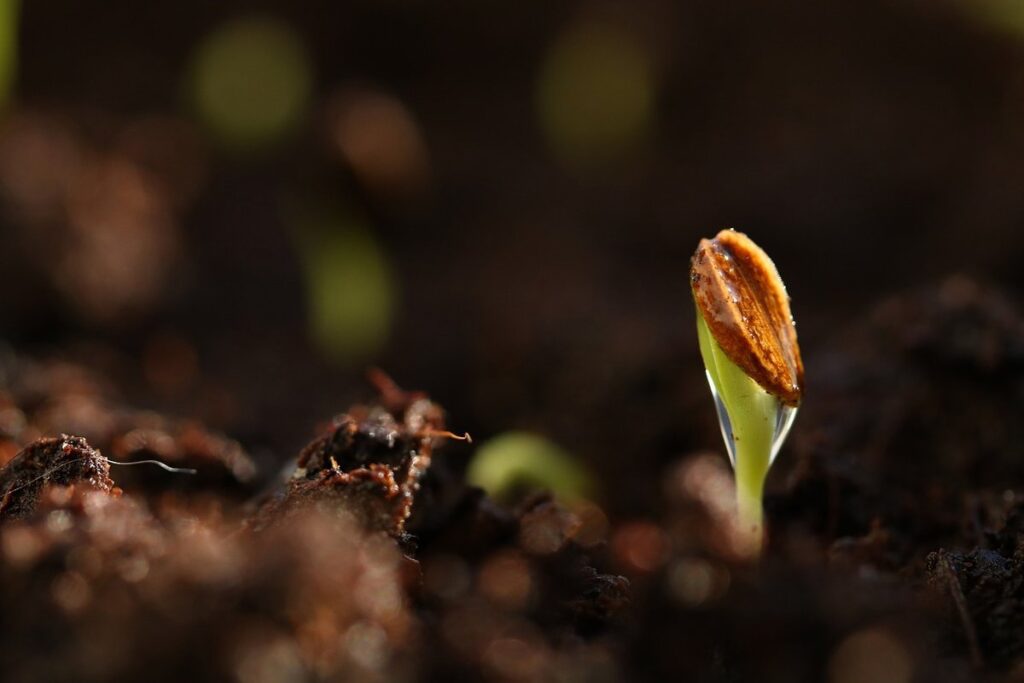
The germination process is a complex series of events that culminates in the emergence of a new plant. It begins with pre-germination, where the seed absorbs water and swells up, causing the seed coat to soften. This is followed by seed coat cracking, as the embryo inside breaks through the hardened outer layer.
As the seed continues to absorb water, the radicle (primary root) emerges from the cracked seed coat, pushing its way into the soil. Radicle emergence is a critical stage in germination, as it allows the plant to anchor itself and begin drawing nutrients from the surrounding environment.
Following radicle emergence, the hypocotyl (stem above the radicle) begins to grow upwards towards light sources, eventually breaking through the soil surface. This stage of growth is crucial for photosynthesis to occur, allowing the plant to produce energy and support further development.
To ensure successful germination, it’s essential to provide optimal conditions, such as adequate water, suitable temperature, and sufficient light.
Factors Affecting Seed Germination
When it comes to seed germination, understanding the environmental factors that influence this process is crucial for success. Temperature plays a significant role, with different plant species having optimal temperature ranges for germination. For example, tomato seeds typically require warmer temperatures between 70-80°F (21-27°C), while lettuce seeds can germinate in as low as 40°F (4°C). Similarly, light exposure affects seed germination, with some plants requiring darkness to germinate, such as celery and parsley.
Water and oxygen levels are also essential for seed germination. Seeds typically require consistent moisture to break dormancy and initiate growth. However, overwatering can prevent seeds from germinating due to lack of oxygen. Adequate aeration around the seeds is necessary for proper respiration and energy production during the germination process. When creating an optimal environment for seed germination, ensure that your seeds receive the right balance of temperature, light, water, and oxygen to encourage healthy growth.
In practice, this means providing seeds with a well-draining potting mix and keeping the soil consistently moist but not waterlogged. For some plants, direct sunlight may be too intense, so consider using grow lights or shading the area to provide optimal conditions for germination. By understanding these environmental factors and adjusting your growing environment accordingly, you can increase your chances of successful seed germination and healthy plant growth.
Plant Definition: From Seeds to Maturation
So, you’re curious to know how plants grow from tiny seeds into mature specimens. In this section, we’ll break down the process of plant development and maturation in simple terms.
Growth Stages of Plants
After germination, plants undergo various growth stages that are essential for their development. The first stage is seedling establishment, where the young plant develops its root system and initial leaves. This critical period requires optimal growing conditions, such as adequate light, water, and nutrients.
As the seedling grows, it enters the vegetative phase, characterized by an increase in leaf size and root depth. During this stage, plants focus on building a robust foundation to support future growth. To promote healthy vegetative growth, ensure your plant receives sufficient light, pruning, and fertilization.
Next, plants enter the reproductive phase, where they produce flowers, fruits, or seeds. This stage marks a significant milestone in a plant’s life cycle, as it ensures the continuation of its species. Provide your plant with suitable conditions for reproduction, such as pollination or cross-pollination, to facilitate seed production.
Finally, as plants mature and reach the end of their life cycle, they undergo senescence – a process where they gradually decline in growth and eventually die. This natural process allows new plants to grow and replace old ones in the ecosystem. By understanding these growth stages, you can better care for your plants and promote healthy development throughout their lives.
Key Characteristics of Mature Plants
As plants mature, they develop certain key characteristics that enable them to thrive and reproduce. One of the most essential characteristics of mature plants is their root development. A mature plant’s root system is more extensive and complex than that of a seedling, allowing it to absorb nutrients and water from the surrounding soil more efficiently.
Stem elongation is another characteristic of mature plants. As the plant grows, its stem lengthens, providing support for the leaves, flowers, and fruits. This process allows the plant to reach towards sunlight, increasing photosynthesis and growth rates. Leaf expansion is also a notable feature of mature plants. Larger leaves provide more surface area for photosynthesis, enabling the plant to produce energy and grow at an accelerated rate.
Reproductive structures are another key characteristic of mature plants. These can include flowers, cones, or fruits, depending on the plant species. The development of reproductive structures allows the plant to reproduce, ensuring the continuation of its genetic lineage. Understanding these characteristics is essential for identifying mature plants and appreciating their unique life cycle stages.
Role of Water in Plant Germination
Water plays a crucial role in plant germination, as it triggers the breakdown of seeds’ outer layers and unlocks nutrients for growth. Without sufficient water, germination is nearly impossible.
Water Requirements for Seed Germination
Water plays a vital role in seed germination, as it triggers the process of sprouting and breaking dormancy. To initiate germination, seeds typically require optimal levels of moisture, which can vary depending on the species. For most plants, seeds need to be kept moist but not waterlogged.
The optimal level of moisture for germination usually falls between 70% and 90% relative humidity. When exposed to this range, seeds begin to absorb water, causing the embryo to swell and break through the seed coat. This process is crucial, as it allows the root to develop and the sprout to emerge.
For example, many gardeners soak their seeds in a glass of water before planting. This method helps to rehydrate the seeds and kickstart germination. However, be cautious not to overwater, as this can lead to seed rot or poor growth. By providing the right amount of moisture, you can encourage your seeds to germinate successfully.
Keep in mind that different species have varying requirements for water content during germination. Researching specific needs for each plant variety is essential to ensure optimal results.
Transpiration and Root Development
As plants grow and mature, they need to absorb and transport water from the soil to the leaves for photosynthesis. This process is made possible through transpiration and root development. Transpiration occurs when plants release water vapor into the air through small openings on their leaves called stomata. Water is absorbed by the roots and transported upwards to the leaves via xylem tissue, a type of vascular tissue that carries water and minerals.
As roots develop, they begin to grow deeper into the soil in search of water and nutrients. The root system expands and becomes more complex, allowing plants to access more resources. In fact, studies have shown that plants with well-developed root systems can absorb up to 90% of available water in the soil. To promote healthy root development, make sure your plant is receiving adequate moisture and nutrients.
When planting seeds or seedlings, it’s essential to provide them with a consistent source of water and nutrients to encourage strong root growth. Use a well-draining potting mix and avoid overwatering, which can lead to root rot and other problems. By understanding the importance of transpiration and root development, you can help your plants thrive and reach their full potential.
Environmental Factors Affecting Plant Growth
As we explore the fascinating process of plant germination, it’s essential to consider the environmental factors that can either nurture or hinder a seed’s development. Light, temperature, water, and more play crucial roles in this delicate process.
Temperature and Light Requirements
When it comes to plant growth, temperature and light are two crucial environmental factors that significantly impact seed germination and development. To ensure optimal conditions for your plants, let’s dive into the ideal temperature ranges for seed germination and plant growth.
Seed germination typically occurs between 60°F to 80°F (15°C to 27°C), with most seeds germinating within a day or two of being exposed to these temperatures. However, some seeds may require warmer temperatures around 90°F (32°C) to 100°F (38°C) for faster germination.
On the other hand, plants grow best in bright light conditions with temperatures ranging from 65°F to 75°F (18°C to 24°C). It’s essential to note that seedlings are more sensitive to temperature fluctuations than mature plants. For instance, lettuce and spinach thrive in cooler temperatures around 40°F to 50°F (4°C to 10°C), while tomatoes require warmer temperatures above 55°F (13°C) for optimal growth.
When providing the right balance of light and temperature, consider using grow lights or placing your seedlings near a sunny window.
Soil Quality and Nutrient Availability
When it comes to plant germination and growth, the quality of the soil plays a crucial role. Soil is often overlooked, but it’s the foundation upon which plant roots grow and absorb essential nutrients. The pH level of the soil can greatly impact nutrient availability. Most plants thrive in a slightly acidic to neutral soil pH (between 6.0 and 7.0), although some plants have specific preferences.
Nutrient deficiencies are another significant concern. If the soil lacks necessary nutrients like nitrogen, phosphorus, or potassium, it can stunt plant growth. Soil testing is an essential step before planting to identify any nutrient deficiencies. By adding organic matter like compost or manure, you can improve soil structure and fertility. Even a small increase in nutrient availability can have a significant impact on plant germination rates.
In reality, poor soil quality can result in stunted plants that struggle to reach their full potential. It’s not just about throwing some seeds into the ground and hoping for the best – taking care of your soil is vital for healthy plant growth.
Challenges in Plant Germination and Growth
While many plants germinate and grow easily, some can be quite finicky, requiring specific conditions to thrive, making growth challenging for gardeners. Let’s explore these difficulties together.
Factors Hindering Seed Germination
When it comes to seed germination, several factors can hinder this crucial process. One of the primary concerns is pests. Insects like whiteflies, aphids, and spider mites can feed on seeds, preventing them from sprouting. Similarly, diseases such as fungal infections or bacterial blight can also impede germination by weakening the seed’s internal structures.
Environmental stressors are another significant factor affecting seed germination. Extreme temperatures, either too high or too low, can prevent seeds from breaking dormancy and starting to grow. This is particularly evident in areas with harsh climates, where temperature fluctuations can be unpredictable. Additionally, inadequate water supply or excessive moisture can also hinder germination.
To minimize the impact of these factors, it’s essential to create a conducive environment for seed germination. This includes providing optimal temperatures between 20-30°C (68-86°F), maintaining adequate humidity levels, and controlling pest populations through integrated pest management techniques. By understanding and addressing these hindrances, you can significantly improve the chances of successful seed germination.
Strategies for Improving Plant Growth
Improving plant growth is crucial for maximizing yields and ensuring healthy crops. One effective strategy is crop rotation, which involves switching between different types of plants to maintain soil fertility and reduce pests and diseases. For instance, rotating corn with soybeans or wheat can improve soil structure and increase nutrient availability.
Fertilization is another vital aspect of plant growth. Using the right type and amount of fertilizer can significantly boost plant development. Organic fertilizers like compost or manure tea are excellent options for promoting soil health without harming the environment. When choosing a fertilizer, consider the N-P-K ratio (nitrogen-phosphorus-potassium) to ensure it meets your plant’s specific needs.
Pruning is also essential for promoting healthy growth and preventing disease. Regular pruning encourages bushy growth, increases air circulation, and reduces water loss through transpiration. To prune effectively, remove any dead or diseased branches, and thin out the plant to allow sunlight to reach inner leaves.
Pest management is equally critical in maintaining optimal plant growth. Integrated pest management (IPM) strategies involve combining physical barriers, cultural controls, and biological controls to minimize chemical use. For example, using row covers can prevent pests like aphids and whiteflies from reaching your plants.
Frequently Asked Questions
How long does seed germination typically take?
Seed germination time can vary greatly depending on the plant species, environmental conditions, and temperature. Generally, it takes anywhere from a few days to several weeks for seeds to germinate. For example, lettuce seeds may sprout within 3-5 days, while some orchids might take up to 12 months to germinate.
Can I speed up seed germination using any methods?
While it’s possible to stimulate or accelerate seed germination with techniques like stratification or scarification, these methods are not foolproof and may not work for all plant species. Always research specific requirements for the plants you’re working with before attempting to manipulate germination.
How important is soil quality for successful seed germination?
Soil quality plays a critical role in providing optimal conditions for seed germination. Well-draining, fertile soil with adequate nutrient availability can significantly enhance seedling growth and development. Avoid using soil that’s too dense or lacking essential nutrients to prevent stunted growth or poor health.
What if I encounter issues with seed germination?
Common challenges like inadequate water supply, extreme temperatures, or pest/disease infestations can hinder seed germination. Identify the root cause of the problem by monitoring temperature, light, and moisture levels, then implement corrective measures such as adjusting growing conditions or using integrated pest management strategies.
How can I ensure consistent results in seed germination?
To achieve consistent results, maintain precise control over environmental factors like temperature, humidity, and light exposure. Ensure accurate records are kept for monitoring purposes to detect any anomalies that might be affecting the process. Regularly inspect your seedlings for signs of health issues or nutrient deficiencies, acting promptly if necessary.