
Pinnate plant leaves are one of the most fascinating and widespread features in the world of botany. You might have noticed these unique leaves while walking through a lush forest or strolling through your own garden, but do you know what makes them so special? Pinnate leaves, characterized by their leaflets arranged on either side of a central stem, are not only aesthetically pleasing but also hold crucial secrets to understanding plant identification and adaptation. From the way they gather sunlight to their role in supporting plant growth, pinnate leaves play a vital part in a plant’s survival strategy. In this article, we’ll delve into the world of pinnate leaves, exploring their characteristics, adaptations, and ecological importance. By the end of it, you’ll be equipped with a deeper understanding of these incredible leaves and how they contribute to the diverse beauty of our natural world.
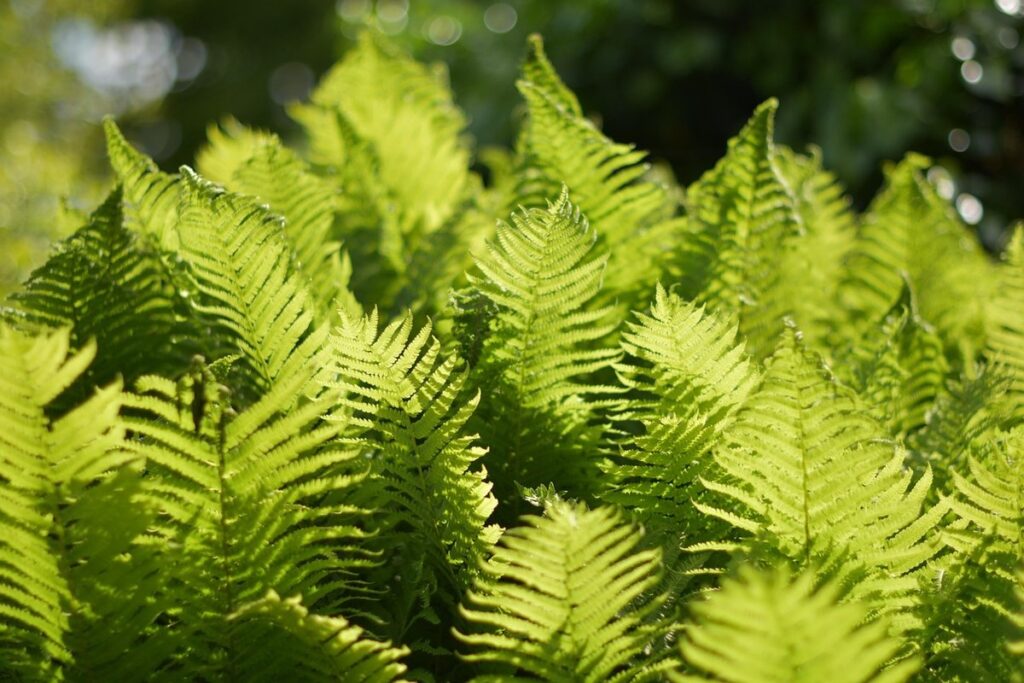
What are Pinnate Leaves?
You’re probably wondering what pinnate leaves look like and how they differ from other types of leaves. In this section, we’ll take a closer look at the unique characteristics of pinnate leaves.
Definition and Characteristics
Pinnate leaves are characterized by their unique leaflet arrangement, which resembles a feather. This type of leaf is found in plants across various families and species. To identify pinnate leaves, look for the following key characteristics: they have an odd number of leaflets that arise from a central point, often with a long stem called a rachis supporting the leaflets.
Notice how pinnate leaves can be divided into two subcategories: paripinate and impariplicate. Paripinate leaves have an even number of leaflets, while impariplicate leaves have an odd number of leaflets. For instance, the sweetgum tree (Liquidambar styraciflua) exhibits pinnate leaves with 5-7 pairs of leaflets.
When examining a plant’s leaves, pay attention to their overall shape and arrangement. Pinnate leaves can appear asymmetrical due to their irregular leaflet distribution. However, this unique pattern is what sets them apart from other types of leaves. By recognizing these characteristics, you’ll be better equipped to identify pinnate leaves in your garden or when exploring the natural world.
Importance of Leaf Arrangement
When it comes to plant identification and botany, leaf arrangement is more than just a cosmetic feature – it’s a crucial aspect that holds significant importance. The way leaves are arranged on a stem can be the key to identifying a species, making it an essential tool for botanists, horticulturists, and even gardening enthusiasts.
For instance, the arrangement of pinnate leaves has evolved over time to optimize photosynthesis and water absorption in their environment. By having leaflets that branch off from either side of the midrib, pinnate leaves can capture more sunlight and increase their surface area for gas exchange. This adaptation allows plants like pea, bean, and mango trees to thrive in various climates.
Understanding the importance of leaf arrangement not only aids in plant identification but also deepens our appreciation for the intricate mechanisms that govern plant growth and development. By observing how pinnate leaves are arranged, you can gain insights into a species’ habits, habitats, and evolutionary history – making it an invaluable skill for anyone interested in botany or horticulture.
Types of Pinnate Leaves
Pinnate leaves come in many different forms, from simple and elegant to complex and intricate. Let’s explore some of the most common types found in nature.
Simple vs Compound Pinnate Leaves
When it comes to pinnate leaves, you’ll often come across two types: simple and compound. While they share a similar feather-like appearance, there are distinct differences between the two.
Simple pinnate leaves, also known as feather-like leaves, have leaflets that grow directly on a central rachis (main stem). This type of leaf is typically found in plants like ferns, horsetails, and some conifers. The advantages of simple pinnate leaves include efficient photosynthesis due to their large surface area, which allows for maximum light absorption. However, they can lose more water through transpiration, making them more susceptible to drought.
On the other hand, compound pinnate leaves are made up of smaller leaflets that branch off from a central stem. This type of leaf is common in plants like legumes, pea family (Fabaceae), and some members of the grass family (Poaceae). The advantages of compound pinnate leaves include reduced water loss due to their smaller surface area, making them more drought-tolerant. However, they may have a slightly lower rate of photosynthesis.
Ultimately, both simple and compound pinnate leaves have their own strengths and weaknesses. By understanding the characteristics of each type, you can better appreciate the diversity of pinnate leaves in nature and make informed decisions when selecting plants for your garden or indoor space.
For example, if you’re growing a plant like the fern (Athyrium filix-femina), which has simple pinnate leaves, you’ll want to ensure it receives consistent moisture levels to prevent water stress. On the other hand, if you’re cultivating a legume like the pea (Pisum sativum), with its compound pinnate leaves, you can be more flexible with watering schedules. By taking these factors into account, you can create an optimal environment for your plants to thrive.
Keep in mind that some plants may exhibit both simple and compound pinnate leaf types on different parts of the plant or at various stages of growth. This is known as “heterophyll” and can provide clues about a plant’s evolutionary history and adaptations to its environment.
Examples of Plants with Pinnate Leaves
When it comes to identifying plants with pinnate leaves, recognizing their distinctive leaf arrangements is key. Let’s take a closer look at some examples of plants that showcase simple and compound pinnate leaves.
The peony plant (Paeonia spp.) is an excellent example of a plant with simple pinnate leaves. Its large, showy flowers are often overlooked in favor of its striking foliage. The peony’s leaflets are arranged opposite each other along the stem, creating a symmetrical appearance that’s characteristic of simple pinnate leaves.
On the other hand, plants like the ash tree (Fraxinus spp.) display compound pinnate leaves. Their long stems feature multiple pairs of leaflets that are attached alternately, creating a lacy or fern-like appearance. Other examples of plants with compound pinnate leaves include the black acacia (Acacia melanoxylon) and the silver maple (Acer saccharinum).
When trying to identify plants with pinnate leaves, take note of their leaf arrangements. Are they opposite each other on a stem, or are they attached alternately? Are there multiple pairs of leaflets, creating a lacy appearance? These characteristics will help you quickly identify plants with pinnate leaves in the wild or in your garden.
Anatomy of a Pinnate Leaf
A pinnate leaf is made up of multiple leaflets that are attached to a central stem, giving it a feather-like appearance. Let’s take a closer look at this unique structure.
Structure and Function of Pinnae
A single pinna, or leaflet, is the fundamental building block of a pinnate leaf. Its shape can vary from linear to lanceolate, with some species exhibiting more complex forms such as serrated or lobed margins. The size of individual pinnae also differs across plant species, but they typically range in length from 2-10 cm.
The margin of a pinna is another distinctive feature that contributes to the overall function of a pinnate leaf. Some pinnae have entire margins, while others are toothed or lobed, allowing for increased surface area and enhanced photosynthetic activity. The venation pattern, too, plays a critical role in facilitating gas exchange and nutrient uptake.
The arrangement and density of veins within a single pinna enable the efficient transportation of nutrients from the leaf’s base to its distal regions. This optimized vascular system allows pinnate leaves to support rapid growth rates while maintaining essential physiological processes such as photosynthesis and transpiration. By examining these intricate features, you can gain a deeper understanding of how pinnate leaves have adapted to optimize their function and thrive in various environments.
Role of Midrib and Petiole in Pinnate Leaves
In a pinnate leaf, two essential structures play a vital role in supporting its overall structure and facilitating water transport: the midrib (central axis) and petiole (leaf stalk). The midrib is the thickened part of the petiole that serves as the central axis of the pinnate leaf. It’s usually broader than the rest of the petiole and provides attachment points for the leaflets.
The midrib plays a crucial role in supporting the leaf’s weight and maintaining its shape. Imagine the midrib as the spine of a pinwheel, providing stability and structure to the entire leaf. In some plants, like the poinsettia, the midrib is slightly ribbed, giving it added strength and rigidity.
The petiole, on the other hand, acts as the stem that attaches the pinnate leaf to the plant’s stem or branch. It’s responsible for transporting water and nutrients from the plant’s roots to the rest of the leaf, making photosynthesis possible. A well-developed petiole ensures efficient water transport and nutrient distribution within the plant.
In terms of practical advice, observe how plants with pinnate leaves respond to environmental conditions. Note that a healthy midrib and petiole are essential for maintaining the overall health of the leaf and supporting its growth.
Adaptations and Variations
When it comes to pinnate leaves, you’ll find that different plants have adapted unique variations on this leaf shape. Let’s explore some of these fascinating adaptations.
Evolutionary Advantages of Pinnate Leaves
Pinnate leaves have evolved to provide several advantages that enhance the plant’s survival and success. One of the key benefits is their ability to optimize light absorption. By having a long stem with pinched pairs of leaflets, pinnate leaves can cover more surface area without the weight and structural costs associated with larger leaves. This design allows for maximum exposure to sunlight, enabling the plant to photosynthesize efficiently.
Another advantage of pinnate leaves is their reduced transpiration rate. The small size and compact arrangement of the leaflets reduce water loss through evaporation, making them well-suited to environments with low rainfall or high temperatures. For example, the pinnate leaves of the Acacia tree are adapted to the arid conditions of deserts in Australia.
In addition to optimizing light absorption and reducing transpiration, pinnate leaves often play a key role in insect pollination or dispersal. The leaflets of many pinnate plants, such as those found on Pea family (Leguminosae) members, provide landing sites for pollinating insects. This close proximity between flowers and leaf surfaces increases the chances of successful pollination. By adopting this design, pinnate leaves have developed an effective strategy to ensure the plant’s reproductive success.
Unusual Forms of Pinnate Leaves
Pinnate leaves are found not only in flowering plants but also in some of the most ancient and unique plant families. Take ferns for example. While they don’t produce flowers like pinnate dicots, their fronds exhibit an unmistakable pinnate pattern. The large, divided fronds of ostrich fern (Matteuccia struthiopteris) are a perfect illustration. These leaves are shaped like long, thin swords and consist of multiple pinnae that resemble the finger-like divisions found in typical pinnate leaves.
In another distinct group, cycads, we see even more extreme variations of pinnate foliage. The stately palmate or fan-shaped leaves of cycad species can grow up to 10 feet long and are made up of numerous leaflets (pinnae) that branch out from a central point. Some species have developed unique adaptations such as waxy stems and scales to conserve water in arid environments. These intricate modifications allow them to survive in areas where most other plants would struggle to thrive.
Their pinnate leaves also provide the necessary structure for photosynthesis while conserving water through a thick, waxy cuticle that reduces transpiration.
Identification and Classification
To identify a pinnate leaf, you’ll need to examine its distinctive pattern of paired leaflets that branch off from a central stem. Let’s break down the key characteristics to look for in this process.
Key Features for Identifying Pinnate Leaves
When examining pinnate leaves, there are several key features to look out for to ensure accurate identification. First and foremost, observe the leaf arrangement. Pinnate leaves typically have a central stem with pairs of pinnae (leaflets) radiating from it on either side. This can be seen in plants like the Pea family (Fabaceae) where each leaf has 7-9 pairs of pinnae.
Another crucial feature to note is the shape and size of the individual pinnae. In most cases, pinnate leaves have ovate or lance-shaped pinnae with a pointed tip. The venation pattern on a pinnate leaf can also be distinctive, often featuring parallel veins that run along the length of each pinna.
In addition to these characteristics, the length and attachment point of the petiole (leaf stem) are also important identifiers. Pinnate leaves usually have a relatively long petiole that attaches to the twig or branch near its base, providing flexibility for the leaf’s movement in response to environmental conditions.
When examining pinnate leaves, look out for these specific features and compare them with known examples of pinnate plants to improve your identification skills.
Botanical Classification and Pinnate Leaves
When it comes to botanical classification systems like APG III (Angiosperm Phylogeny Group III), leaf morphology plays a crucial role in categorizing plants. These systems take into account the shape, size, and arrangement of leaves to group plants together based on their evolutionary relationships.
One key aspect of leaf morphology is the presence or absence of pinnate leaves. Pinnate leaves are characterized by their feather-like arrangement, with multiple leaflets attached to a central stem. This unique feature has significant implications for plant systematics.
In botanical classification, pinnate leaves often indicate that a plant belongs to certain families or orders, such as Leguminosae (legumes) or Sapindaceae (soapberry family). For example, the iconic pea plant (Pisum sativum) has pinnate leaves with 10-20 leaflets, which helps place it within the legume family.
When identifying plants based on their leaves, look for these characteristic features: an odd number of leaflets, a central stem or rachis, and an asymmetrical arrangement. By recognizing these characteristics, you can begin to understand how botanical classification systems use leaf morphology to group plants together and gain insights into plant evolution.
Ecological Importance
So, what makes pinnate plant leaves crucial for our ecosystem? This section will explore how these specialized leaves contribute to photosynthesis and support a diverse array of wildlife.
Roles in Ecosystems
In diverse ecosystems around the world, pinnate-leaved plants play vital roles that often go unseen. These leaves are a crucial component of tropical rainforests, where they form the dense canopies that filter sunlight and create microclimates for other plant species to thrive.
In grasslands, pinnate-leaved plants like clover and alfalfa contribute significantly to nutrient cycling. Their deep taproots allow them to access minerals and nutrients that are otherwise unavailable to shallower-rooted plants, making these resources available to the entire ecosystem through decomposition and leaching. For example, legumes in North American prairies fix nitrogen from the air, enriching the soil for other plants.
In wetlands, pinnate-leaved plants like cattails and water lilies help regulate water flow by stabilizing sediments and preventing erosion. These plants also provide critical habitat for numerous aquatic species. For example, mangroves in tropical coastal areas protect shorelines from storm damage while supporting a diverse array of marine life.
As we can see, pinnate-leaved plants are integral components of various ecosystems worldwide. By appreciating their roles and contributions, we can work to preserve these plant species for future generations.
Insect-Plant Interactions
Pinnate leaves play a crucial role in facilitating interactions between insects and plants. The unique morphology of pinnate leaves creates an environment that fosters relationships between pollinators, herbivores, and their host plants.
For instance, the leaflets of pinnate leaves provide a landing platform for pollinators like bees and butterflies. This allows them to access nectar and pollen more efficiently, increasing the chances of successful pollination. In return, pollinators transfer pollen between flowers, facilitating plant reproduction.
In contrast, some herbivorous insects exploit the leaflets’ structure to feed on the plant’s resources. The presence of pinnate leaves can also influence the behavior of these herbivores, often making them more vulnerable to natural predators or attracting beneficial insects that prey on them.
To encourage healthy insect-plant interactions in your garden, consider planting pinnate-leaved species alongside plants with complementary growth habits and flowering times. This will create a diverse ecosystem where pollinators can thrive and plants can reproduce successfully.
Conclusion
As you’ve learned about pinnate plant leaves, it’s essential to put this newfound knowledge into practice. Take note of the distinct characteristics and patterns found on pinnate leaves, such as their feather-like or divided appearance. When identifying plants, remember that pinnate leaves can be a key distinguishing feature. For instance, palm trees and peas are both known for their pinnate foliage. If you’re an avid gardener or plant enthusiast, consider incorporating more pinnate-leaved species into your collection to add diversity and interest.
By understanding pinnate plant leaves, you’ll become a more confident and skilled plant identifier. You can also appreciate the unique beauty and adaptations found in nature.
Frequently Asked Questions
How do I identify pinnate leaves in the wild?
When observing plants in their natural habitat, it can be challenging to distinguish between different types of leaf arrangements. To identify pinnate leaves, look for an odd number of leaflets that arise from a central point, often with a longer petiole (stem) connecting the pinnae to the plant’s main stem. Pay attention to the symmetry and arrangement of the leaflets – if they’re evenly spaced and radiating from a single point, it could be a pinnate leaf.
Can pinnate leaves be found in indoor plants?
Yes, many species of houseplants exhibit pinnate leaf arrangements. Some popular examples include palms, ferns, and certain types of peace lilies. When selecting an indoor plant, observe its leaves to determine if they have the characteristic pinnate arrangement. This can help you choose a plant that suits your space and maintenance preferences.
How do pinnate leaves contribute to a plant’s ability to gather sunlight?
Pinnate leaves play a crucial role in maximizing photosynthesis by allowing more leaf area exposure to direct sunlight. The pinnae (leaflets) are often angled or curved, which helps to increase the surface area available for light absorption. This adaptation enables plants with pinnate leaves to thrive in environments with limited natural light.
Are all compound leaves also pinnate?
Not all compound leaves are necessarily pinnate. While both types of leaves have multiple leaflets, the arrangement and attachment of these leaflets differ. Compound leaves often have smaller, rounded leaflets that are attached directly to a central rachis (stem), whereas pinnate leaves typically have larger, more elongated leaflets radiating from a single point.
Can I grow plants with pinnate leaves in containers?
Yes, many species of plants with pinnate leaves can be successfully grown in containers. When selecting a potting mix and container size, consider the mature size of the plant and its watering needs. Make sure to choose a location that provides sufficient sunlight and maintain regular care practices to ensure optimal growth and development.