
Are you tired of guessing when it comes to your garden’s or farm’s soil health? A crucial step in taking control is understanding its pH levels, which can greatly impact plant growth and nutrient absorption. But how do you accurately measure this? Enter pH meters, a vital tool for any gardener or farmer looking to optimize their soil conditions.
But with so many types of pH meters on the market, it’s easy to get overwhelmed when choosing one that fits your needs. And even once you have a meter, knowing how to calibrate and interpret its readings can be just as daunting. That’s why we’ve put together this guide: to walk you through the ins and outs of selecting and using a pH meter for accurate soil testing.
What is a pH Meter and Why Do You Need One?
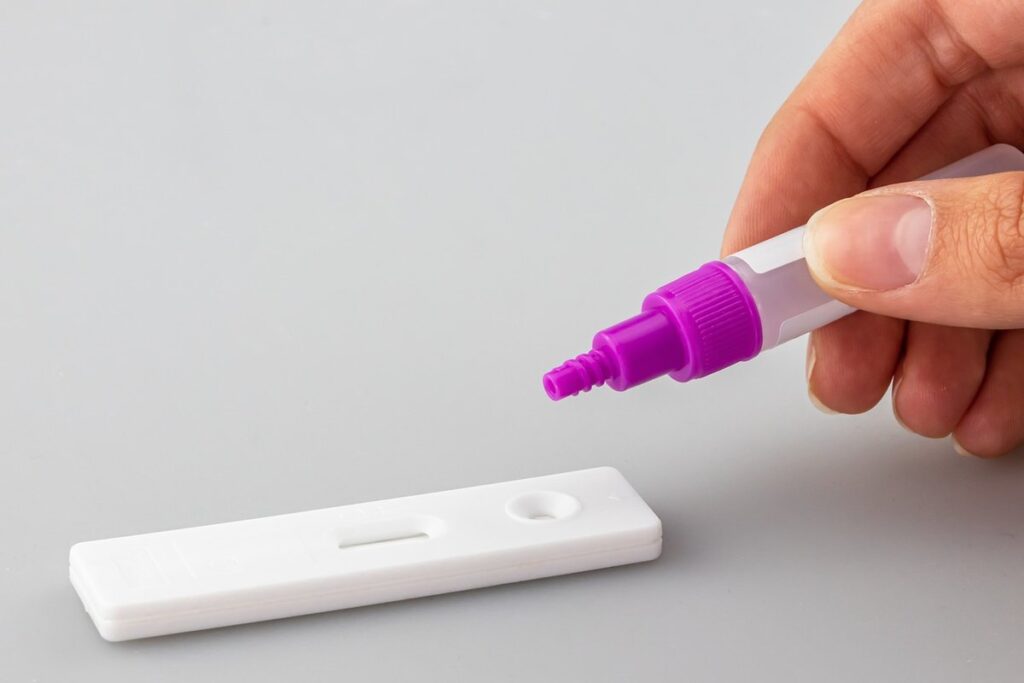
Let’s get started with understanding the basics of a pH meter, which is essentially an essential tool for measuring soil acidity levels accurately. It’s a crucial component in any gardening or farming setup.
Types of pH Meters for Soil
There are several types of pH meters designed specifically for soil testing, each with its own set of advantages and limitations. One common type is the Contact pH Meter, which measures the pH of a small soil sample by coming into direct contact with it. These meters are relatively inexpensive but may not provide accurate readings if the soil contains high levels of salts or other impurities.
Another popular option is the In-Ground pH Probe, which consists of a long probe that can be inserted directly into the soil to measure its pH level. This type of meter provides more accurate readings than contact meters and can also detect nutrient deficiencies in the soil.
Digital pH Meters are another type available for soil testing. They use a small probe to measure the pH level and display it on an LCD screen, making it easier to interpret the results. Some digital meters even have automatic temperature compensation, which helps ensure accurate readings regardless of external conditions.
Lastly, there’s the Handheld pH Meter, designed for quick and easy soil testing in the field. These meters are portable, easy to use, and often have long battery life.
Choosing the Right pH Meter for Your Needs
When selecting a pH meter for soil testing, there are several key factors to consider. Firstly, accuracy is crucial – look for a pH meter that offers reliable and precise readings within the range of 0-14 pH units. Some meters may have a narrower range, such as 3-10 or 4-12, which can be sufficient depending on your specific needs.
Ease of use is also vital, especially if you’re using the meter in the field. Opt for a model with a clear and intuitive interface, and consider one that offers automatic temperature compensation to ensure accurate readings regardless of environmental conditions.
Another factor to consider is the type of probe used – some pH meters come with replaceable probes or sensors, while others have integrated ones. If you plan on using the meter frequently, a replaceable probe may be more cost-effective in the long run.
Finally, don’t forget to check for any additional features that might be important to you, such as data logging capabilities or wireless connectivity. By considering these factors, you can choose a pH meter that meets your specific needs and ensures accurate and reliable soil testing results.
Understanding Soil pH Levels
Soil pH levels play a crucial role in your plant’s nutrient uptake, and measuring them accurately is essential for optimal growth. Let’s break down how to understand these levels effectively.
Importance of Maintaining Optimal pH Levels
Maintaining optimal pH levels is crucial for soil health as it has a direct impact on plant growth, nutrient availability, and ecosystem balance. When soil pH is off the mark, it can lead to nutrient deficiencies and toxicity issues that hinder plant development.
Plants absorb essential nutrients like nitrogen, phosphorus, and potassium through their roots in different forms depending on the soil’s acidity or alkalinity level. A slight deviation from optimal pH levels can disrupt this delicate process. For instance, if the pH is too high (alkaline), plants may struggle to uptake calcium and magnesium, while a low pH (acidic) can limit the availability of phosphorus.
Ecosystem balance also depends on optimal soil pH. When soil pH fluctuates wildly, it can alter microbial communities, affecting decomposition rates and nutrient cycling. This, in turn, impacts plant growth, as healthy microorganisms play a vital role in providing nutrients to plants.
To achieve optimal soil pH, monitor your soil’s pH levels regularly using a reliable pH meter. Make adjustments as needed by adding lime to raise the pH or sulfur to lower it. Regular monitoring and maintenance will ensure that your soil remains within the optimal range, supporting healthy plant growth and ecosystem balance.
Measuring and Interpreting Soil pH Readings
Calibrating and using a pH meter correctly is crucial to obtain accurate readings. Start by following the manufacturer’s guidelines for calibration, which usually involves soaking the electrode in a buffer solution of known pH. This process ensures the pH meter is set up to accurately measure the soil’s pH level.
During calibration, it’s essential to note the exact pH value of the buffer solution and match it with the corresponding reading on the pH meter. If the readings don’t match or are inconsistent, troubleshoot by checking the electrode for any blockages or contamination.
When taking readings in the field, ensure the soil is moist but not waterlogged. Too much water can lead to inaccurate results due to the increased ionic strength affecting the electrode’s performance. It’s also crucial to avoid cross-contamination between different soil samples and electrodes.
Common issues like inconsistent readings or a stuck pH meter often arise from incorrect calibration or usage. If you’re unsure about the accuracy of your pH meter, re-calibrate it regularly to maintain its reliability.
How pH Meters Work: The Science Behind the Technology
So, how do these tiny devices actually measure the pH levels of your soil? We’re about to dive into the science behind pH meters and explore what makes them tick.
Principles of pH Measurement
pH meters measure acidity levels using electrodes or other methods by detecting the pH-dependent changes that occur on their surface. The most common type of electrode used is a glass electrode, which consists of two main components: a glass bulb filled with an electrolyte solution and a reference electrode.
When you insert the pH meter’s probe into the soil sample, ions from the soil interact with the glass electrode, causing a tiny electric potential difference to develop between the two electrodes. This potential difference is proportional to the acidity level of the soil, allowing the pH meter to provide an accurate reading.
The pH-dependent changes on the electrode surface can be measured using various methods, including potentiometric and amperometric techniques. Potentiometric measurements involve detecting the electric potential differences generated by the ions in the soil, while amperometric measurements involve measuring the tiny currents flowing through the electrode due to redox reactions.
To ensure accurate pH readings, it’s essential to properly calibrate your pH meter before use and follow standard operating procedures for measurement and maintenance.
Accuracy and Reliability Factors
When using a pH meter to measure soil pH, it’s essential to understand the factors that affect its accuracy. Calibration is a critical step in ensuring your pH meter provides reliable readings. This process involves adjusting the electrode to match its reading to a known standard solution of a specific pH value. If not calibrated correctly, even a minor error can result in significant differences between actual and measured pH levels.
The quality of the electrode also plays a crucial role in maintaining accuracy. A high-quality electrode will provide consistent results over time, while a lower-grade one may exhibit erratic behavior or fail to register changes in pH levels accurately. Furthermore, environmental conditions such as temperature fluctuations, humidity, and soil contaminants can impact pH readings.
To minimize the effects of these factors, it’s recommended that you regularly clean and maintain your electrode according to the manufacturer’s guidelines. Additionally, take multiple measurements at different depths and locations within the soil profile to ensure accurate representation of the area’s overall pH level.
Practical Applications of pH Meters for Soil Testing
Now that you know how to choose and use a pH meter, let’s explore some practical applications for soil testing, including common uses and best practices.
Field Testing with pH Meters
When it comes to field testing with pH meters in agricultural settings, real-world examples demonstrate both the benefits and challenges of this approach. On a small farm in California, for instance, using pH meters allowed farmers to quickly identify acidic pockets in their soil. This enabled them to adjust their fertilization strategy, which not only improved crop yields but also reduced waste.
However, relying on pH meters exclusively can be limiting, as they may not account for other factors influencing soil health. On a larger farm in Iowa, using pH meters alongside other testing methods revealed that the water table was affecting the soil’s pH levels. This nuanced understanding allowed farmers to implement targeted solutions, such as adjusting irrigation schedules.
To effectively use pH meters in agricultural settings, it’s essential to combine them with other testing methods and monitoring techniques. Regular field tests should be supplemented by periodic laboratory analysis of core samples. By integrating multiple approaches, farmers can gain a comprehensive understanding of their soil conditions, making informed decisions about fertilization and other management practices.
Laboratory Analysis: When to Use pH Meters vs. Other Methods
When it comes to soil testing, laboratory analysis is often considered the gold standard for obtaining accurate pH readings. However, there are situations where using a pH meter is more suitable than relying on chemical analysis or lab tests.
In many cases, field-based pH meters offer a quicker and more cost-effective solution compared to sending samples to a lab for analysis. This makes them ideal for routine monitoring of soil pH levels, especially in large agricultural areas or when conducting frequent testing. For instance, a farmer may want to monitor the pH level of their fields regularly to adjust fertilization and irrigation schedules accordingly.
Chemical analysis and lab tests are generally more accurate but also more time-consuming and expensive. They involve sending samples to a laboratory for analysis, which can take several days or even weeks to obtain results. In situations where rapid decision-making is required, such as during crop stress events, pH meters provide a faster alternative without sacrificing accuracy.
It’s worth noting that chemical analysis and lab tests are still necessary in some cases, especially when the soil has undergone significant changes or when high levels of contaminants are suspected.
Best Practices for Using pH Meters in Soil Testing
When working with pH meters, accuracy and consistency are key. Proper calibration, maintenance, and handling techniques can significantly impact your results.
Precautions for Handling pH Meters
When handling pH meters, it’s essential to follow proper precautions to ensure accuracy and longevity. First and foremost, always wash your hands before handling the meter to prevent any contaminants from affecting readings. Next, carefully remove the probe from its storage case, taking note of the cable orientation to avoid damaging the connections.
To maintain your pH meter, check the calibration certificate regularly for any necessary updates or recalibration. Avoid exposing the meter to extreme temperatures, direct sunlight, or moisture, as this can damage the electronics or compromise accuracy. Store the meter in a protective case when not in use, and keep it away from harsh chemicals or cleaning products.
For optimal performance, avoid touching the pH electrode with your fingers, as oils from your skin can interfere with readings. Regularly clean the probe using distilled water and gentle soap, following the manufacturer’s guidelines for maintenance. By following these simple precautions, you’ll be able to get accurate readings and prolong the life of your pH meter.
It’s also crucial to follow any specific storage recommendations provided by the manufacturer. Some meters may require specialized storage cases or need to be kept in a particular environment to maintain accuracy. Consult the user manual for detailed instructions on how to store your pH meter properly.
Tips for Calibrating and Interpreting pH Meter Readings
When it comes to getting accurate readings from your pH meter, calibration and interpretation are crucial steps that can’t be overlooked. A well-calibrated pH meter will provide you with reliable results, but a poorly calibrated one can lead to inaccurate readings that may cause more harm than good.
To avoid common mistakes, start by calibrating your pH meter according to the manufacturer’s instructions. This typically involves dipping the probe into buffer solutions of known pH and adjusting the meter accordingly. Make sure to use fresh calibration solutions each time you calibrate your meter, as old solutions can be contaminated with particles that affect accuracy.
When interpreting pH readings, consider the context in which they were taken. Different soil types have different optimal pH ranges, so it’s essential to know what range is suitable for your specific crop or plant species. For example, tomatoes prefer a slightly acidic soil pH between 6.0 and 6.8, while roses thrive in more alkaline conditions with a pH of around 7.5.
It’s also important to note that pH meter readings can be affected by temperature and other environmental factors. Always calibrate your meter under the same conditions as you will use it for testing. This way, you’ll get accurate results that are representative of your soil’s true pH level.
Frequently Asked Questions
Can I use a pH meter to test water samples as well?
Yes, many modern pH meters are versatile and can be used for testing various liquids, including water, soil, and even wastewater. However, ensure that the meter is calibrated specifically for the type of sample you’re testing. It’s also essential to consider the meter’s accuracy range and compatibility with the specific liquid being tested.
How often should I calibrate my pH meter?
Regular calibration is crucial to maintain accurate readings. As a general rule, recalibrate your pH meter every 1-3 months or after each use, depending on the manufacturer’s instructions. Additionally, if you notice any discrepancies in readings, it’s time for recalibration.
Can I use a pH meter in areas with high salt levels?
High salt concentrations can affect pH meter accuracy. If you’re testing soil in areas with high salt levels, consider using a Contact pH Meter that can withstand these conditions. Alternatively, take multiple readings and average them to compensate for any inaccuracies caused by the salt.
How do I store my pH meter when not in use?
Proper storage is essential to prolong your pH meter’s lifespan. Store the meter in a dry place away from direct sunlight and extreme temperatures (between 32°F and 122°F). Also, keep the probe and other accessories clean and dry before storing them.
Can I rely solely on pH meters for soil testing, or are there any limitations?
While pH meters provide valuable information about soil acidity levels, they may not be the only tool you need. Consider combining pH meter readings with other soil tests, such as those for nutrient content or organic matter levels, to get a comprehensive understanding of your soil’s health.