
Are you considering adding some stunning irises to your garden, but not sure which type to choose? Iris plants come in two forms: annuals and perennials. While both can bring vibrant colors and beauty to your outdoor space, they have distinct growth habits and care requirements that set them apart.
If you’re new to growing irises or simply looking for some expert advice on how to keep yours thriving, this article is for you. We’ll delve into the differences between annual and perennial iris plants, exploring their benefits, growth patterns, and essential care tips. Whether you’re a seasoned gardener or just starting out, understanding the unique needs of these gorgeous flowers will help you create a stunning display in your garden. With this insider knowledge, you’ll be well on your way to growing healthy, vibrant irises that bring joy to your outdoor space for years to come.
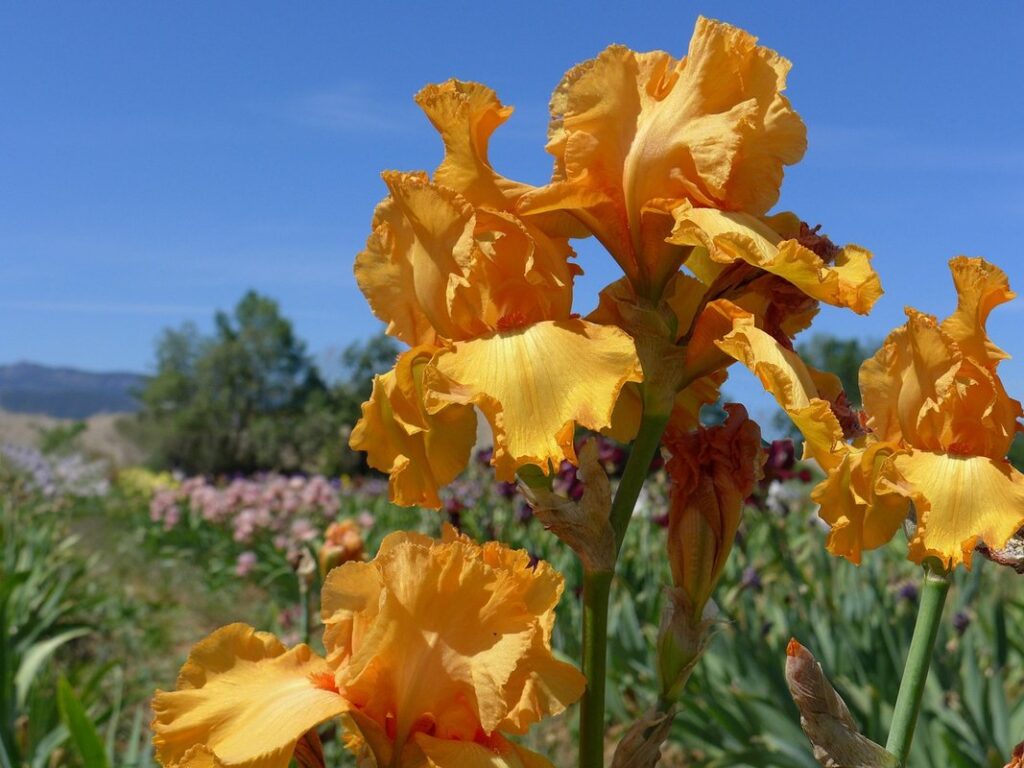
What is an Iris Plant?
So, you want to know what an iris plant is and whether it’s a one-and-done annual or a long-term perennial that comes back year after year. Let’s start by exploring what makes these beautiful flowers so special.
Types of Iris Plants
Iris plants come in various forms, each with unique characteristics and growth habits. Among the most popular types are bearded irises and non-bearded irises. Bearded irises, also known as ‘beardeds’, are known for their distinctive whisker-like growths on the lower petal called beards. These beards often match the flower’s color or shade, adding an extra layer of visual appeal.
Non-bearded irises lack these beards and have a more delicate appearance. They tend to produce smaller flowers but come in a wider range of colors. Japanese irises are another distinct type, characterized by their large, showy blooms and often exotic-looking foliage. These plants typically thrive in moist environments and can grow quite tall.
When choosing an iris plant, consider your local climate and soil conditions. Bearded irises generally prefer well-drained soil and full sun, while non-beardeds are more adaptable to different growing conditions. Japanese irises require consistent moisture but can tolerate some shade. Knowing the specific needs of each type will help you select the best iris for your garden.
In addition to these types, there are also Siberian irises and water irises that thrive in wet environments. Understanding the unique characteristics of each variety will enable you to create a diverse and resilient iris garden.
Characteristics of Iris Plants
Iris plants are known for their striking appearance and versatility. One of the defining characteristics of irises is their foliage, which is typically sword-shaped and grows from a rhizome underground. The leaves are often dark green, fleshy, and narrow, with some species having a distinctive purple or reddish tint.
The flowers of iris plants are perhaps their most iconic feature. They come in an astonishing array of colors, including blue, purple, pink, white, and bi-colored varieties. Iris blooms can be as simple as a single flower on a short stem (called a peduncle) or more complex, with multiple flowers arranged around the top of the stalk.
When it comes to growth habits, irises are often clump-forming perennials that spread over time through underground rhizomes. Some species, like Japanese irises, tend to form dense colonies in wetlands and meadows, while others, such as bearded irises, prefer well-drained soil and full sun.
Not all iris plants exhibit the same characteristics, however – for example, Siberian irises have grass-like foliage and smaller flowers.
Annual vs Perennial Flowers
When it comes to growing iris flowers, one of the biggest decisions you’ll make is whether to choose annuals or perennials. Let’s explore the key differences between these two types of irises.
Definition of Annuals and Perennials
When it comes to iris flowers, understanding whether they are annuals or perennials is essential for their care and maintenance. To begin with, let’s clarify the difference between these two categories of plants.
Annual flowers complete their life cycle within a year, germinating from seed, growing, producing flowers and seeds, and dying all within 12 months. They require sowing new seeds every season to ensure continued bloom. On the other hand, perennial flowers live for more than two years, often requiring less maintenance over time. Unlike annuals, perennials grow and produce foliage year after year before flowering.
Perennials such as iris are typically divided into zones based on their hardiness. This means they can be grown in specific regions where temperatures allow them to thrive without protection from winter conditions. For instance, the ‘Immortality’ daylily is an example of a perennial that blooms reliably every summer. As for maintenance, perennials often need to be divided and replanted after several years to keep them healthy and flowering.
In contrast, annuals cannot tolerate frost and require constant care throughout their life cycle. They are more suited to warmer climates or indoor spaces with controlled temperatures.
Examples of Annual and Perennial Flowers
Let’s take a closer look at some examples of annual and perennial flowers. When it comes to iris flowers, it’s essential to understand their classification.
Annual flowers like marigolds, zinnias, and petunias are perfect for adding a pop of color to your garden during the growing season. They bloom quickly, often within 60-90 days after sowing seeds, and produce multiple blooms throughout their lifespan. However, they typically require frequent replanting as they complete their life cycle within a year.
On the other hand, perennial flowers like lavender, coneflowers, and daylilies are low-maintenance and can thrive in your garden for years to come. They often go dormant during winter months but return with renewed vigor come springtime. Perennial iris varieties, such as Siberian, Bearded, or Japanese irises, fall into this category. These flowers have adapted to survive harsh winters by storing energy-rich roots.
When choosing between annual and perennial flowers, consider the space you have available and your desired maintenance level.
Identifying Iris as Annual or Perennial
To determine whether you have annual or perennial irises, take a close look at their growth habits and how they behave during different seasons. Pay attention to factors like foliage and bloom cycles.
How to Determine if an Iris is Annual or Perennial
To determine whether your iris plants are annuals or perennials, take a closer look at their appearance and growth habits. Annual irises typically have smaller, more delicate foliage and blooms that last for only one season. They tend to grow rapidly, but may appear fragile due to their short lifespan.
In contrast, perennial irises have larger, more robust foliage and flowers that bloom year after year. These plants often have a more established root system and may exhibit signs of mature growth, such as thickening stems or increased leaf density.
When examining your iris plants, look for the following characteristics:
* Leaf size and texture: Perennial irises tend to have thicker, more leathery leaves.
* Bloom duration: Annual irises bloom briefly in spring or summer, while perennials may flower multiple times throughout their growing season.
* Root system: Perennial irises develop a more extensive root system over time.
By observing these characteristics, you can make an informed decision about the type of iris plant you’re caring for and adjust your maintenance routine accordingly.
Signs that an Iris Plant is Declining
If you’ve been tending to your iris plant for a while now, it’s essential to be aware of the signs that indicate it’s struggling. Declining blooms are one of the most noticeable indicators of an unhappy iris plant. If you notice that the flowers are smaller or fewer in number than usual, it could be a sign that the plant is under stress.
Reduced foliage can also be a sign that your iris plant needs attention. If the leaves are wilted, yellowing, or dying off, it may indicate a lack of nutrients, too much water, or exposure to extreme temperatures. Inspect the base of the stem for signs of rot, as this can spread quickly and cause the entire plant to decline.
Pests or diseases can also be responsible for your iris plant’s decline. Check for aphids, spider mites, or whiteflies on the leaves and stems. Fungal infections like powdery mildew or root rot can also occur if the soil is too moist or humid. Keep an eye out for these signs, as addressing them promptly will help your iris plant recover and thrive.
Benefits of Growing Perennial Iris
Growing perennials can offer numerous benefits, including long-term blooms and low maintenance requirements. We’ll explore these advantages in more detail below.
Long-Term Blooms and Low Maintenance
Perennial iris plants offer numerous benefits for gardeners seeking long-term blooms and low maintenance needs. One of the most significant advantages is their ability to bloom year after year, often for decades with proper care. This means you’ll enjoy vibrant flowers without the need for annual replanting or sowing new seeds.
In contrast to annual irises that provide a single season’s worth of blooms, perennial varieties tend to be more robust and resilient. They require less maintenance, as they don’t need to be replanted or replaced regularly. This is particularly beneficial for gardeners with busy schedules or those who prefer hands-off gardening.
To encourage long-term blooms from your perennial iris plants, make sure to provide them with well-draining soil and full sun to partial shade conditions. Deadheading spent flowers will also promote healthy growth and encourage repeat blooming. With proper care, these beautiful plants can thrive for 20-30 years or more in ideal conditions.
Attracting Pollinators with Perennial Iris
Attracting pollinators like bees and butterflies to your garden is one of the greatest benefits of growing perennial iris plants. These beautiful flowers are a magnet for pollinators, providing them with nectar and pollen-rich resources they need to thrive.
One reason perennial irises are so attractive to pollinators is their unique flower structure. The petals of the iris plant are actually modified leaves called tepals, which provide a landing platform for bees and butterflies as they search for food. Additionally, the tall, slender stems of perennial irises make them easily accessible to these flying visitors.
To create a pollinator-friendly garden with perennial iris plants, consider planting a mix of early-season bloomers that attract bees, like crocuses or daffodils, alongside your iris plants. This will provide a constant source of nectar and pollen for pollinators throughout the growing season. By incorporating perennial irises into your garden design, you’ll not only add vibrant color but also support local ecosystems by attracting vital pollinators.
Some popular varieties of perennial irises that attract pollinators include ‘Siberian’ irises (Iris sibirica), which bloom in late spring with delicate purple flowers, and ‘Louisiana’ irises (Iris hexagona), which produce vibrant orange and yellow blooms in early summer.
Care and Maintenance for Annual Iris
To keep your annual iris blooming beautifully, it’s essential to provide them with proper care and maintenance, which is slightly different from their perennial counterparts. This section will guide you through those crucial steps.
Providing Suitable Conditions for Annual Iris
To thrive, annual iris plants require specific conditions that mimic their natural habitat. When it comes to light, these delicate flowers prefer full sun to partial shade, depending on the variety. For optimal growth, ensure they receive at least 6 hours of direct sunlight per day. Be mindful of scorching heat, however, as this can lead to wilting and reduced blooming.
Water requirements for annual iris are relatively low, especially in regions with adequate rainfall. Water them when the top inch of soil feels dry to the touch, but avoid overwatering, which can cause root rot. A well-draining potting mix is essential to prevent waterlogged soil.
Annual irises also require a slightly acidic to neutral soil pH (5.5-7.0). Mix in a balanced fertilizer during planting to provide nutrients for healthy growth. Keep the area around your annual iris plants weed-free, as this will reduce competition for resources and promote healthy development. By providing suitable conditions, you’ll be rewarded with vibrant blooms throughout the growing season.
Rotating and Replacing Annual Iris
As you enjoy the vibrant blooms of your annual iris plants, it’s essential to consider their long-term impact on your garden. If left unchecked, these beautiful flowers can become invasive, outcompeting other plants for resources and potentially spreading diseases.
To prevent this from happening, make a conscious effort to rotate and replace your annual iris plants each year. This means replanting with new irises every spring, rather than allowing the old ones to self-seed and spread. Not only will this help maintain a balanced ecosystem in your garden, but it’ll also reduce the risk of diseases like powdery mildew and root rot.
When choosing where to plant your new annual iris, select an area that hasn’t had irises before to avoid any potential issues with soil-borne pathogens. By being proactive about rotation and replacement, you can enjoy the beauty of these flowers year after year without compromising the health of your garden.
Tips for Propagation and Division
To successfully grow and multiply your irises, you’ll want to learn some expert tips on propagation and division, a crucial aspect of caring for these lovely flowers. This process will come in handy as you establish new plants.
Methods for Propagating Perennial Iris
Propagating perennial iris plants can be done through various methods to multiply and share these beautiful flowers with friends and family. One of the most common and effective ways is division, which involves separating established clumps into smaller sections. This method is ideal for older plants that have outgrown their container or are showing signs of decline.
To divide your perennial iris, carefully dig up the entire plant in the spring or fall when the foliage has died back. Gently separate the rhizomes using a fork or knife, making sure each section has at least one “eye” or growing point. Replant the divisions immediately, providing them with well-draining soil and full sun to partial shade.
Another method for propagating perennial iris is through seed, although this process can be more time-consuming and less reliable. Sow seeds indoors in a cold frame or greenhouse about 1-2 inches deep in a specialized iris potting mix. Keep the soil consistently moist but not waterlogged until germination occurs. Rhizome cuttings can also be taken from established plants by carefully cutting sections of rhizome with at least one eye, then planting them in a similar manner to divisions.
Remember that seed-grown irises may take several years to bloom and may not retain the same characteristics as their parent plant. In contrast, division and rhizome cuttings produce plants that are genetically identical to the original.
When to Divide and Replant Iris Rhizomes
When to Divide and Replant Iris Rhizomes: A Step-by-Step Guide
Dividing and replanting iris rhizomes is an essential process that ensures the health and longevity of these beautiful perennial flowers. It’s a great way to multiply irises, create new plants for friends or family members, or even share them with your local gardening club.
The ideal time to divide and replant iris rhizomes depends on their growth habits. For most types of irises, spring is the perfect time for division, usually around late March to early May. This allows you to take advantage of the cooler temperatures and reduced watering needs during this period. However, some varieties like Siberian irises can be divided in fall.
When dividing iris rhizomes, it’s essential to choose healthy sections with at least one growing eye each. Cut the rhizome into individual sections using a sharp knife or garden fork, making sure each section has a few roots and a growing eye. Replant the new divisions immediately after division, following the same planting instructions as for newly purchased irises.
By dividing and replanting iris rhizomes every 3-5 years, you’ll be rewarded with vibrant blooms, healthier plants, and an increase in flower production.
Frequently Asked Questions
Can I grow annual irises in containers if I don’t have a garden?
Yes, you can grow annual irises in containers, but make sure the pot is at least 6-8 inches deep to accommodate their rhizomes. Choose a well-draining potting mix and provide full sun to partial shade, depending on the specific variety. Water regularly and fertilize lightly during blooming season.
How long does it take for perennial irises to bloom after planting?
The time it takes for perennial irises to bloom after planting can vary depending on factors like climate, soil quality, and care. Generally, it may take 6-12 months for newly planted perennial irises to establish themselves and produce blooms. Be patient and provide optimal growing conditions to encourage healthy growth.
Can I propagate annual irises to get more plants?
No, you cannot propagate annual irises as they do not form rhizomes or produce viable seeds. Instead, consider purchasing new annual iris bulbs each season for fresh flowers. If you want to propagate a specific variety of perennial iris, wait until the plant has finished blooming and then divide the rhizome in late summer.
How often should I water my irises, especially during hot weather?
Water your irises regularly, but avoid overwatering, which can lead to rot and other issues. Check soil moisture by inserting a finger into the soil up to the knuckle; if it feels dry, water lightly. During periods of intense heat, increase watering frequency to every 3-4 days, but adjust as needed based on weather conditions.
Can I divide and replant my perennial irises in fall instead of spring?
While you can divide and replant your perennial irises at any time during the growing season when they are dormant, it’s recommended to do so in late summer or early fall for best results. This allows the newly divided rhizomes to establish themselves before winter, promoting healthy growth and blooms come spring.