
If you’re looking for a natural way to boost your energy levels and resilience, you might want to consider exploring the adaptogenic properties of the gall plant. Also known as Rhodiola rosea or Golden Root, this fascinating herb has been used in traditional medicine for centuries to help the body adapt to stress and promote overall well-being. Not only is it a valuable medicinal plant, but it’s also relatively easy to cultivate and grow yourself. In this article, we’ll delve into the biology of the gall plant, its various uses, and provide you with practical tips on how to incorporate it into your life. We’ll explore its adaptogenic properties in more detail, including how it can help reduce fatigue, improve mental clarity, and enhance physical performance. Whether you’re a seasoned herbalist or just starting out on your wellness journey, this article aims to equip you with everything you need to know about harnessing the benefits of the gall plant.
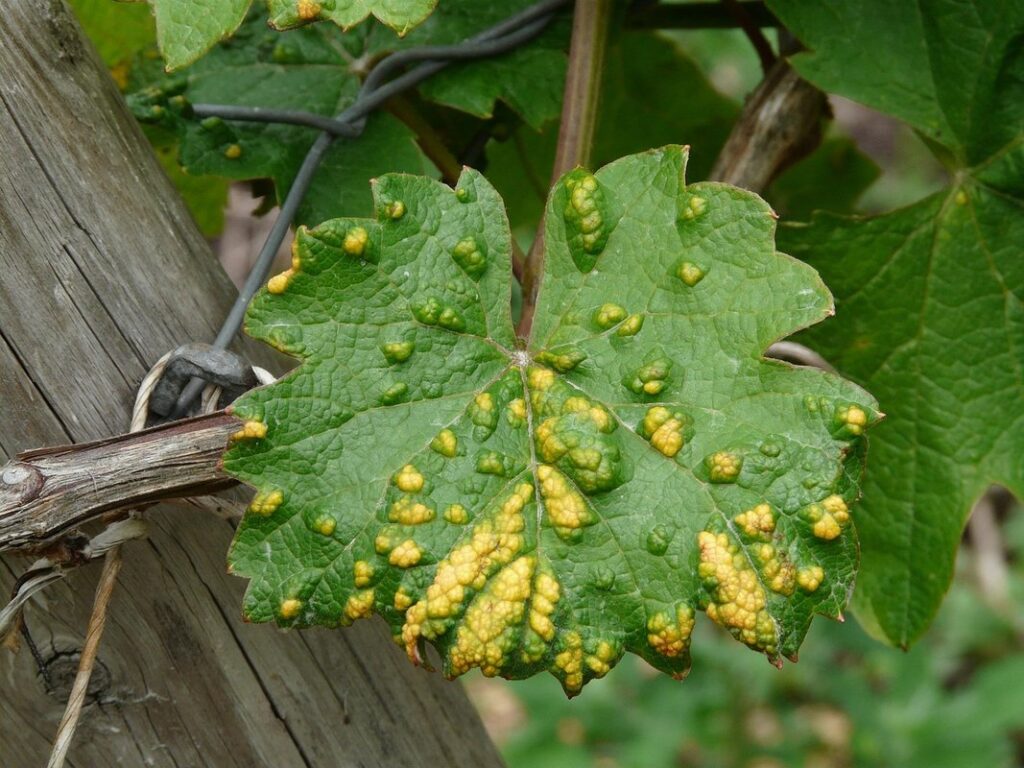
What is a Gall Plant?
So, what exactly is a gall plant? Let’s start by exploring the basics of these fascinating plants and how they come to form.
Definition and Classification
The gall plant is indeed a fascinating specimen, with a rich botanical background. Botanically speaking, it belongs to the family Crassulaceae and is scientifically known as Rhodiola rosea. This classification places the gall plant within the broader category of succulent plants, characterized by their thick, fleshy leaves that store water. Native to high-altitude regions in Asia and Europe, the gall plant has adapted to thrive in harsh, cold environments with limited sunlight.
Interestingly, the classification of Rhodiola rosea is not limited to its botanical name; it’s also known as Golden Root due to its golden-yellow roots. This unique characteristic is a testament to the plant’s ability to survive and flourish under extreme conditions. By understanding the gall plant’s classification within the succulent family, we can better appreciate its remarkable resilience and adaptability in challenging environments.
As you explore the world of gall plants, remember that this botanical classification serves as a foundation for delving deeper into their biology, uses, and care requirements – essential knowledge for cultivating these incredible specimens.
Traditional Use in Medicine
For centuries, the gall plant has been used in traditional medicine across various cultures. In ancient China, it was considered a key ingredient in herbal remedies for fever and digestive issues. The Ebers Papyrus, an Egyptian medical text dating back to around 1550 BCE, also mentions the use of the gall plant’s extract for treating eye and skin conditions.
Interestingly, the plant has been associated with cultural significance as well. In some African cultures, the gall plant is believed to possess spiritual powers, protecting individuals from evil spirits and negative energies. Similarly, in traditional folk medicine, it’s used to ward off curses and hexes.
The traditional use of the gall plant in medicine is often linked to its perceived medicinal properties, such as reducing inflammation and fighting bacterial infections. However, the effectiveness of these remedies can vary greatly depending on individual circumstances and preparation methods. While some cultures have successfully utilized the plant for centuries, it’s essential to consult with a healthcare professional before using the gall plant or any other herbal remedy.
When exploring traditional medicine practices involving the gall plant, it’s crucial to respect cultural context and historical accounts. By understanding the roots of its use, you can better appreciate the complexities surrounding this enigmatic plant.
Properties and Benefits
The Gall Plant offers a range of properties that can be beneficial for both skin and hair care, making it a popular choice among natural health enthusiasts. Let’s take a closer look at its unique benefits.
Adaptogenic Properties
The gall plant has been gaining attention for its potential adaptogenic properties, which make it an attractive addition to stress-relief and mental clarity regimens. Adaptogens are substances that help the body adapt to physical or emotional stress by promoting balance within our systems.
Research suggests that the gall plant may interact with key neurotransmitters such as dopamine, serotonin, and GABA, influencing mood regulation and reducing anxiety levels. Some studies indicate a reduction in cortisol production, which can lead to improved sleep quality.
By incorporating the gall plant into your daily routine, you may experience enhanced mental clarity and focus due to its potential ability to modulate neural activity. Additionally, this adaptogenic herb may aid in boosting energy levels while minimizing fatigue.
Consider using the gall plant as a calming tea or tincture to help manage stress-induced anxiety. When utilizing these products, be sure to consult with a healthcare professional for proper dosage and combination with other supplements. By integrating adaptogenic properties into your lifestyle, you can take proactive steps toward achieving optimal mental well-being and resilience.
Antioxidant and Anti-Inflammatory Effects
Research has shown that the gall plant possesses significant antioxidant and anti-inflammatory properties. Antioxidants help neutralize free radicals, which can cause cellular damage and contribute to various diseases. Studies have isolated flavonoids and phenolic acids from the gall plant’s leaves, which exhibit potent antioxidant activity. In particular, one study demonstrated that the plant’s extracts significantly inhibited lipid peroxidation, a key indicator of oxidative stress.
The anti-inflammatory effects of the gall plant are equally impressive. Compounds present in the plant have been shown to inhibit the production of pro-inflammatory enzymes and cytokines, which contribute to inflammation. These findings suggest potential applications for the gall plant in managing conditions characterized by chronic inflammation, such as arthritis or cardiovascular disease. While more research is needed to fully explore these properties, existing evidence suggests that incorporating the gall plant into one’s wellness routine could provide a natural boost to antioxidant defenses and reduce inflammatory responses.
Cultivation and Care
To successfully grow and maintain a healthy gall plant, it’s essential to understand its specific cultivation needs and requirements for proper care. Here are some tips to get you started.
Climate and Soil Requirements
When it comes to cultivating a healthy gall plant, understanding its climate and soil requirements is crucial. Gall plants thrive in tropical and subtropical regions with high temperatures between 65°F to 90°F (18°C to 32°C). They can tolerate some shade but require direct sunlight for optimal growth. If you’re growing your gall plant indoors, place it near a south-facing window or use grow lights to provide sufficient light.
In terms of soil, gall plants prefer well-draining acidic soil with a pH between 5.5 and 6.5. Mix peat moss or perlite into the soil to improve drainage and prevent waterlogged conditions. Avoid using regular potting soil, as it can be too alkaline for your plant’s needs.
To create an optimal environment for your gall plant, make sure to keep its soil consistently moist but not waterlogged. Reduce watering during winter months when growth is slower. By providing the right climate and soil conditions, you’ll be well on your way to growing a thriving and healthy gall plant.
Propagation Methods
To propagate the gall plant, you have three main methods at your disposal: division, cuttings, and seed. Each method has its own set of advantages and disadvantages, so it’s essential to choose the one that best suits your needs.
Division is the most common method for propagating the gall plant. This involves separating mature plants into smaller sections, making sure each section has a sufficient amount of roots and leaves. When dividing, be careful not to damage the roots or disturb the plant’s delicate ecosystem. You can divide the plant in spring or fall when it’s dormant, allowing new growth to emerge from the divisions.
For propagation via cuttings, you’ll need to select healthy stems with at least two nodes. Remove lower leaves and place the cutting in a pot filled with well-draining soil. Water thoroughly and keep the soil consistently moist until roots develop. Keep the cutting in bright, indirect light and maintain temperatures between 65°F to 75°F.
Seeds are another option for propagation but require more time and effort. Sow seeds indoors 8-10 weeks before the last frost date in your area. Use a seed starting mix and keep the soil consistently moist until germination occurs. Transplant the seedlings outdoors when they reach about 4-6 inches tall.
Medicinal Uses and Preparations
The gall plant has been used for centuries in traditional medicine, and its unique properties make it a valuable resource for various health benefits. We’ll explore some of these medicinal uses and preparations below.
Herbal Tea and Supplements
When it comes to harnessing the medicinal properties of the gall plant, herbal tea and supplements offer convenient and potent ways to reap its benefits. You can prepare a soothing and aromatic herbal tea by steeping dried gall leaves in hot water. The recommended dosage is 1-2 teaspoons of dried leaves per cup of boiling water, allowing it to steep for 5-7 minutes before straining.
You can also consume the plant as supplements in capsule or tincture form. These concentrated extracts provide a more convenient and precise dosage than herbal tea. However, be sure to consult with a healthcare professional before adding any new supplement to your regimen. The recommended dosage for gall leaf extract varies but typically ranges from 200-400mg per day.
Some popular commercial supplements combine the gall plant with other herbs like turmeric or ginger, enhancing their individual benefits when consumed together. When choosing a supplement, ensure it’s sourced from a reputable manufacturer and adheres to Good Manufacturing Practices (GMPs). This ensures you receive a high-quality product that maximizes the efficacy of the gall plant’s medicinal properties.
Traditional Formulations
In traditional Chinese medicine, the gall plant is often combined with other herbs to enhance its medicinal properties. One of the most well-known formulations is the “Ling Zhi Gan Cao Tang,” a decoction made from ginseng (Ling Zhi), licorice root (Gan Cao), and the gall plant itself. This combination is believed to have anti-inflammatory and antioxidant effects, making it a popular treatment for various ailments, including digestive issues and respiratory problems.
Another historical formulation using the gall plant is the “Si Wu Tang,” a traditional Chinese medicine combination used to treat women’s health issues such as menstrual cramps and irregular periods. The Si Wu Tang typically consists of the gall plant, peony root (Bai Shao), dong quai (Dang Gui), and astragalus (Huang Qi). When preparing this formulation at home, it’s essential to source high-quality herbs from reputable suppliers to ensure potency and efficacy.
When using traditional Chinese medicine combinations like these, it’s crucial to follow proper preparation and dosage guidelines. For instance, the Ling Zhi Gan Cao Tang should be decocted for a minimum of 30 minutes to release its active compounds.
Potential Side Effects and Interactions
When using gall plants, it’s essential to be aware of potential side effects and interactions that may occur, especially if you’re new to herbal remedies. This section will outline some key considerations to keep in mind.
Contraindications and Precautions
When consuming the gall plant, it’s essential to be aware of its potential contraindications and precautions. While it has been used traditionally for various purposes, it may not be suitable for everyone, particularly those with certain health conditions or taking specific medications.
Certain individuals should exercise caution when using the gall plant. These include pregnant women, as the plant’s active compounds may stimulate uterine contractions; people with bleeding disorders, such as hemophilia, due to its potential blood-thinning effects; and those undergoing surgery, as it may increase the risk of bleeding during the procedure.
If you have diabetes or are taking medications for high blood pressure, consult your healthcare provider before using the gall plant. Its bioactive compounds can interact with these conditions and potentially exacerbate symptoms. Furthermore, individuals with allergies to plants in the same family (e.g., Annonaceae) should exercise caution when handling or consuming the gall plant.
To use the gall plant safely, follow proper dosing guidelines and consult with a healthcare professional if you have any concerns. Always prioritize your health and well-being when exploring its potential benefits.
Interactions with Other Medications
When using the gall plant for medicinal purposes, it’s essential to be aware of potential interactions with other medications or substances. The gallic acid present in the plant can increase the risk of bleeding when taken with anticoagulant medications such as warfarin or aspirin. If you’re currently taking these medications, consult your doctor before using gall plant extracts.
Similarly, the gallic acid may also interact with certain antibiotics like ciprofloxacin and amoxicillin, reducing their effectiveness. To minimize potential interactions, it’s crucial to inform your healthcare provider about any herbal supplements or plant-based remedies you’re using.
When combining gall plant extracts with other medications, closely monitor for signs of increased bleeding or decreased antibiotic efficacy. Some people may experience gastrointestinal issues when taking the gall plant with certain medications, such as proton pump inhibitors (PPIs) like omeprazole.
To ensure safe use, it’s recommended to start with a low dose and gradually increase as needed under medical supervision. If you’re unsure about potential interactions or have concerns, consult your healthcare provider for personalized guidance.
Conclusion and Future Research
Now that you’ve learned all about the gall plant’s biology, uses, and care, let’s summarize what we’ve covered and look ahead to potential future research.
Summary of Key Points
In summary, we’ve covered the fascinating world of the gall plant. We started by discussing its biology and growth habits, including the unique relationship between the gall wasp and the plant that forms a protective home for the wasp’s larvae. This symbiotic relationship allows the wasp to thrive while providing protection to the plant from herbivores.
We also explored the various uses of the gall plant, including its medicinal properties and traditional remedies. From reducing fever to treating skin conditions, the gall plant has been used in folk medicine for centuries. Additionally, we touched on its potential as a source of new medicines and pharmaceuticals, highlighting the importance of further research in this area.
In terms of care, we emphasized the need to handle the gall plant with care due to its sensitivity. By providing a suitable environment with plenty of light and water, you can encourage healthy growth and promote the formation of galls. Remember that the gall wasp is an integral part of the plant’s biology, so avoid attempting to remove them or disturb their habitat.
To recap, the key takeaways from this article include understanding the unique biology of the gall plant, exploring its medicinal properties and potential uses, and learning how to care for it in a way that promotes healthy growth.
Future Directions for Research
As we conclude our exploration of the gall plant’s biology, uses, and care, it is essential to consider potential areas for future research on this fascinating species. One significant direction for investigation lies in understanding the gall plant’s effects on specific health conditions. Research has already shown its potential in treating various ailments, but there is still much to be discovered.
Studies have demonstrated the antiviral and antibacterial properties of the gall plant, making it a promising natural remedy for combating infections. However, more research is needed to fully comprehend its efficacy against certain health conditions, such as cancer and neurological disorders. For instance, investigating the gallic acid’s ability to inhibit tumor growth or exploring its potential as an antioxidant could lead to groundbreaking discoveries.
Another area of interest is the development of sustainable cultivation methods for the gall plant. As demand for natural remedies continues to rise, it is crucial to find ways to harvest this species without compromising its natural habitats. By researching and implementing eco-friendly farming practices, we can ensure a consistent supply of the gall plant while preserving its biodiversity.
Furthermore, exploring the interactions between the gall plant’s bioactive compounds and human microbiomes could lead to breakthroughs in personalized medicine. This line of inquiry has the potential to revolutionize our understanding of how natural substances interact with individual bodies, paving the way for tailored treatments and prevention strategies.
Ultimately, continued research on the gall plant will not only expand our knowledge of its remarkable properties but also contribute to the development of innovative solutions for improving human health.
Frequently Asked Questions
How do I cultivate a gall plant at home?
To successfully cultivate a gall plant, choose a location with well-draining soil and full sun to partial shade. Water sparingly, as the plant is susceptible to root rot if the soil is too moist. Fertilize occasionally during the growing season to promote healthy growth.
Can I use the gall plant in combination with other herbs for enhanced benefits?
Yes, the adaptogenic properties of the gall plant can be amplified when combined with other herbs like ashwagandha or ginseng. However, it’s essential to consult a healthcare professional before creating custom herbal blends, especially if you’re taking medications or have underlying health conditions.
How do I prepare and store dried gall plant for later use?
To preserve the medicinal properties of the gall plant, dry the leaves thoroughly in a cool, dark place. Store the dried plant material in airtight containers to protect against moisture and light exposure. When using dried gall plant, steep 1-2 teaspoons in boiling water for 5-7 minutes.
Can I grow multiple types of succulents together with my gall plant?
While it’s possible to co-grow different succulent species, be aware that some may compete for resources or have specific growing requirements. Research and choose companion plants that share similar needs and thrive under the same conditions as your gall plant.
What are potential health risks associated with consuming gall plant supplements?
Potential side effects of consuming gall plant supplements include insomnia, dizziness, or digestive issues in rare cases. If you experience any adverse reactions, discontinue use and consult a healthcare professional for guidance on adjusting dosage or switching to alternative herbal remedies.