
As a gardener, you’ve probably experienced the frustration of watching your precious seedlings struggle through a harsh winter or an unexpected cold snap. Cold stress in seedlings can be devastating, causing damage to delicate leaves and roots that can take weeks to recover from. But what exactly is cold stress, and how can you prevent it? In this article, we’ll delve into the causes of cold stress, identify its symptoms, and explore prevention strategies to keep your seedlings healthy and thriving. We’ll also cover recovery techniques for when disaster strikes, including ways to rescue stressed seedlings and get them back on track. By the end of this guide, you’ll be equipped with the knowledge to protect your young plants from cold stress and give them the best chance at success.
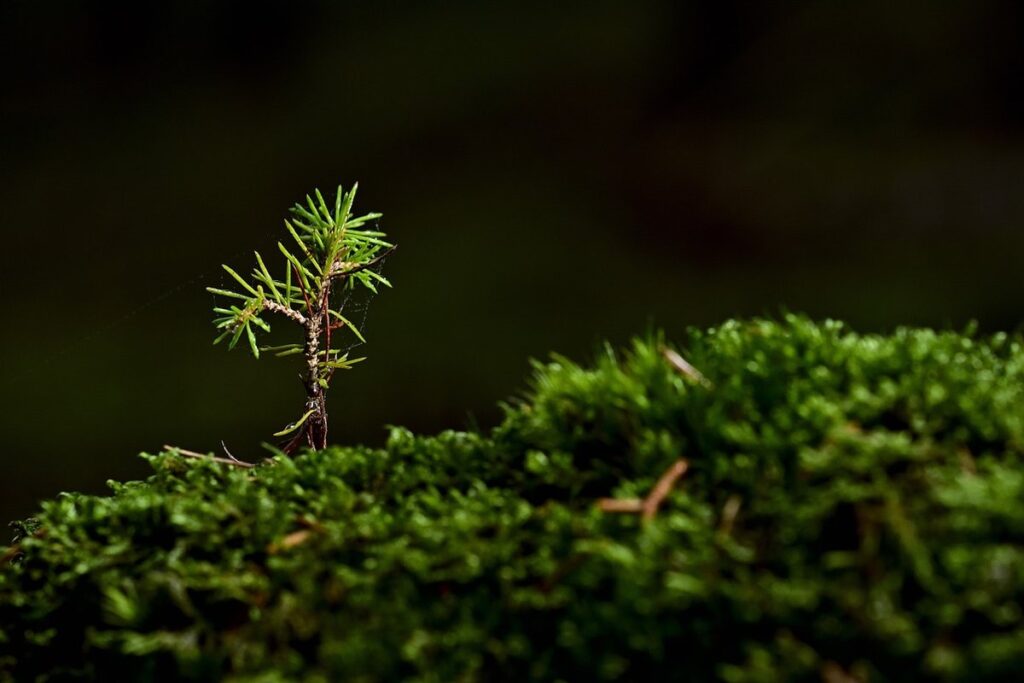
What is Cold Stress in Seedlings?
Cold stress in seedlings occurs when young plants are exposed to temperatures that slow down their growth and can even lead to damage. Understanding what causes cold stress is crucial for taking preventive measures.
Causes of Cold Stress
Cold stress in seedlings is often triggered by sudden temperature drops. This can be due to unexpected changes in weather patterns or even the rapid movement of a container from indoors to outdoors on a chilly morning. For instance, if you’re starting seeds in a greenhouse and then transfer them outside, they may experience a drastic drop in temperature that their sensitive tissues aren’t equipped to handle.
Another factor contributing to cold stress is prolonged exposure to cool temperatures. Seedlings grown under low-temperature conditions may develop stunted growth rates or become more susceptible to disease due to impaired physiological processes. If you’re growing seeds indoors during the winter, ensure they receive sufficient light and are not exposed to drafts that could further exacerbate the issue.
Genetic predisposition can also play a significant role in a seedling’s cold tolerance. Some varieties of plants are bred specifically for resilience against cooler temperatures, while others may be more sensitive.
Symptoms of Cold Stress
When seedlings are exposed to cold temperatures, they may exhibit visible signs of stress. One of the earliest indicators is yellowing or browning leaves. This can occur due to a lack of chlorophyll production, which is essential for photosynthesis. As a result, the plant’s ability to produce energy from sunlight is compromised.
Another common symptom is stunted growth. Seedlings may appear leggy and spindly, with weak stems that are unable to support their own weight. This can be due to a disruption in cell division and elongation, which are critical processes for seedling development.
Reduced root development is also a concern when seedlings experience cold stress. Roots may become stunted or deformed, making it difficult for the plant to absorb water and nutrients from the soil. This can have long-term consequences for the seedling’s health and productivity.
Keep in mind that some plants are more susceptible to cold stress than others. Be sure to research the specific needs of your crop and take proactive measures to prevent damage during periods of cold weather.
Factors Contributing to Cold Stress in Seedlings
Understanding and managing cold stress in seedlings requires a deep dive into the key factors that contribute to it, including soil temperature, moisture levels, and air circulation. These environmental conditions play a crucial role in determining a seedling’s resilience to cold temperatures.
Temperature Tolerance and Optimal Growth Range
Seedlings have unique temperature tolerances that are crucial for their optimal growth. What may be suitable for one species can be detrimental to another. For instance, lettuce and spinach thrive in temperatures between 40°F (4°C) and 70°F (21°C), whereas tomatoes require a warmer range of 60°F (15°C) to 80°F (27°C). If seedlings are exposed to temperatures outside their optimal growth range for an extended period, it can lead to cold stress.
This is why understanding the temperature tolerance of your specific plant species is essential. Research the ideal temperature range for your seedlings and ensure they’re growing in a controlled environment that maintains this temperature. Even slight deviations from these ranges can cause damage, so it’s crucial to monitor your seedlings’ growth closely. For example, if you live in an area with frequent frosts, you may need to provide supplemental heat to protect sensitive species like basil and rosemary.
In the greenhouse, maintaining optimal temperatures is relatively straightforward, but outdoor growers face more challenges. Consider investing in frost blankets or using row covers to shield your seedlings from extreme temperatures. By being aware of the temperature tolerance for your specific plants and taking steps to maintain a stable environment, you can prevent cold stress and promote healthy growth.
Soil Temperature
Soil temperature has a significant impact on seedling development, and its fluctuations can worsen cold stress. When soil temperatures drop, it slows down the rate of photosynthesis, respiration, and nutrient uptake in seedlings, making them more susceptible to damage from cold stress.
Research has shown that soil temperatures above 4°C (39°F) are optimal for seedling growth, while temperatures below 2°C (36°F) can cause significant damage. This means that even if the air temperature is relatively mild, soil temperatures can still be too low to support healthy seedling development. For example, a study on tomato seedlings found that those grown at 5°C (41°F) had significantly higher growth rates and yields compared to those grown at 2°C (36°F).
To mitigate the effects of cold stress caused by fluctuating soil temperatures, gardeners can take several steps. Firstly, they can use mulch or other materials to insulate the soil and maintain a consistent temperature. Secondly, they can choose seedling varieties that are bred for cold tolerance or have been specifically designed to thrive in cooler conditions. Lastly, they can carefully monitor soil temperatures using thermometers and adjust their growing strategies accordingly.
Prevention and Mitigation Strategies
To successfully grow healthy seedlings, it’s essential to implement effective prevention and mitigation strategies against cold stress. This is where proactive planning comes into play.
Pre-Sowing Treatments for Enhanced Cold Tolerance
When preparing your seedlings for cold stress, some pre-sowing treatments can significantly boost their natural tolerance. Chemical treatments, such as chitosan and salicylic acid, stimulate the expression of genes involved in cold acclimation. For example, studies have shown that treating seeds with 100-200 ppm chitosan for 24 hours enhanced cold tolerance by up to 30%. This is achieved through the induction of antioxidant enzymes and the accumulation of soluble sugars.
Another effective method is seed priming, which simulates a stress response that prepares the seedling for future cold exposure. Soaking seeds in water or an osmotic solution (such as polyethylene glycol) can trigger the expression of cold-induced genes. By activating these protective mechanisms before sowing, you can give your seedlings a head start on developing their natural defense against cold stress.
When applying pre-sowing treatments, it’s essential to consider the timing and concentration. Some chemicals may need to be applied at specific stages of germination or may have varying effects depending on the plant species.
Controlling Soil Temperature
Controlling soil temperature is crucial for seedlings’ growth and survival. When soil temperatures drop below optimal levels, it can lead to cold stress, stunted growth, and even death. To prevent this, you need to maintain a stable and favorable soil temperature.
One effective strategy is mulching. Organic mulches like straw or bark chips retain heat, keeping the surrounding soil warm. Apply a 2-3 inch layer of mulch around your seedlings, keeping it at least an inch away from the stems. This simple technique can raise the soil temperature by up to 10°F (5°C).
Another option is using row covers. These lightweight, porous fabrics allow light and water to reach the plants while trapping warm air next to the soil. Choose a row cover with a high permeability rating to ensure good ventilation.
In greenhouses or larger growing areas, consider installing heating systems. Soil warming mats or radiant floor heaters can maintain optimal temperatures for your seedlings’ growth. Be cautious not to overheat the soil, as this can cause its own set of problems. Monitor temperature fluctuations and adjust your strategy accordingly.
Monitoring and Managing Cold Stress
Now that we’ve covered what cold stress is, let’s dive into how you can effectively monitor and manage it in your seedlings to prevent damage. Regular monitoring will be key to taking timely action.
Early Detection Methods
Monitoring seedling health closely is essential to detect cold stress early on. You can start by conducting regular visual inspections of your plants. Look for signs such as yellowing leaves, stunted growth, and brittle stems. These indicators often appear when the temperature drops below 10°C (50°F) or rises above 20°C (68°F), which is outside the ideal range for seedlings.
Another effective method is using temperature sensors to monitor the growing environment. Place sensors in close proximity to your seedlings to measure temperature fluctuations and ensure optimal conditions. This will help you identify when the cold stress threshold has been exceeded, allowing for timely intervention.
Additionally, consider incorporating plant stress indicators into your monitoring routine. These can be sticky strips that change color in response to stress levels or sensor-activated systems that send alerts based on specific thresholds. By combining these methods, you’ll gain a comprehensive understanding of your seedlings’ health and be better equipped to address any emerging issues before they become severe.
Acclimation Techniques
Acclimating seedlings to cold temperatures is a crucial step in managing cold stress. Cold hardening, also known as acclimation, allows seedlings to gradually adapt to low temperatures, reducing the risk of damage or death. This process involves exposing the seedlings to gradual decreases in temperature over a period of 7-10 days.
Begin by reducing the daytime temperature by 5-10°F (3-6°C) every other day, while maintaining a consistent nighttime temperature. For example, if your greenhouse typically operates at 65°F (18°C), you can start by lowering it to 55°F (13°C). Continue this process until you reach the desired winterizing temperature.
It’s essential to monitor your seedlings’ responses closely during this period. Some species may require more or less time to acclimate, so be prepared to adjust the schedule as needed. By gradually exposing your seedlings to cold temperatures, you can significantly improve their chances of survival and reduce the risk of damage from winter stress. Regular monitoring will help you make informed decisions about your seedling’s specific needs.
Recovery from Cold Stress
Now that we’ve addressed prevention and mitigation, let’s dive into what to do when cold stress has already taken hold of your seedlings. We’ll explore recovery strategies to revive them.
Factors Affecting Recovery
Recovery from cold stress is often unpredictable and can be influenced by several key factors. One of the most significant variables is seedling age. Younger seedlings tend to recover faster than older ones due to their higher cell division rates, allowing them to regrow damaged tissues quickly.
Another crucial factor is temperature fluctuations. If the soil temperature drops too low or rises too high after cold stress, it can further damage the roots and impede recovery. A consistent temperature between 40-60°F (4-15°C) is ideal for seedling recovery. Additionally, root health plays a vital role in determining how well your seedlings bounce back from cold stress. Healthy roots help to absorb essential nutrients, which are crucial for repair and regrowth.
To optimize recovery, make sure to provide your seedlings with optimal growing conditions. This includes ensuring adequate light, water, and nutrients while avoiding extreme temperature fluctuations. Regular monitoring of soil moisture levels can also help prevent additional damage during the recovery process. By taking these steps, you can give your seedlings the best chance at a swift and healthy recovery from cold stress.
Strategies for Promoting Recovery
When cold-stressed seedlings begin to recover, it’s essential to provide them with an optimal environment for rejuvenation. One crucial aspect is adjusting soil moisture levels. Avoid overwatering, which can exacerbate the damage already done by cold stress. Instead, gradually increase water intake once new growth appears, allowing seedlings to establish a robust root system.
Providing supplemental lighting is another valuable strategy for promoting recovery. Increase light intensity or duration to encourage photosynthesis and support cell repair. However, be cautious not to overdo it, as excessive light can further stress the seedling. Monitor your plants’ response and adjust light levels accordingly.
Applying growth regulators like auxins or cytokinins can also stimulate recovery by promoting cell division and elongation. These substances help seedlings produce new tissues, replacing damaged ones. Always follow label instructions for application rates and timing to avoid harming your seedlings further. By implementing these strategies, you’ll be well on your way to revitalizing your cold-stressed seedlings.
Conclusion: Long-Term Management of Cold Stress
Now that you’ve learned how to identify and mitigate cold stress, let’s focus on what comes next: creating a plan for long-term management. This ensures your seedlings continue thriving in the future.
Integrating Prevention, Monitoring, and Recovery Strategies
As we conclude our discussion on managing cold stress in seedlings, it’s essential to integrate prevention, monitoring, and recovery strategies into a comprehensive management plan. This will not only help mitigate the effects of cold stress but also ensure the long-term health and productivity of your seedlings.
Prevention is key in managing cold stress. As we’ve discussed earlier, factors such as temperature fluctuations, humidity, and soil conditions can contribute to cold stress. To prevent cold stress, growers can implement measures like providing sufficient insulation for young seedlings, maintaining optimal temperatures, and ensuring adequate moisture levels. For example, using row covers or cloches can provide an extra layer of protection against harsh weather conditions.
Monitoring is also crucial in detecting early signs of cold stress. Regular checks on seedling health should include visual inspections for symptoms such as discoloration, stunted growth, or yellowing leaves. Growers should also keep track of temperature and humidity levels, making adjustments as necessary to prevent further damage. For instance, using soil thermometers can help detect when the soil has dropped below a critical temperature.
When cold stress does occur, recovery strategies come into play. This may involve providing nutrients that aid in recovery, such as micronutrients like manganese or boron, which are often depleted during periods of stress. Other measures include pruning damaged leaves to minimize water loss and promoting healthy root growth through proper watering and fertilization practices.
By integrating these prevention, monitoring, and recovery strategies into your management plan, you’ll be well-equipped to handle the challenges posed by cold stress in seedlings. Remember, a proactive approach will not only save your crop but also contribute to more resilient plants with better long-term prospects for success.
Frequently Asked Questions
What are some common mistakes to avoid when acclimating seedlings to cold temperatures?
Avoid sudden temperature fluctuations by gradually exposing your seedlings to cooler conditions over the course of several days or weeks. This allows their tissues to adapt and reduces the risk of damage from rapid changes.
How can I rescue a seedling that’s already showing signs of cold stress?
Act quickly! Move the affected plant to a warmer location, such as a greenhouse or indoor area with consistent temperatures around 60-70°F (15-21°C). Use a gentle, balanced fertilizer to promote recovery and ensure adequate moisture.
Can I use any specific soil amendments to enhance my seedlings’ cold tolerance?
Certain soil additives like peat moss or vermiculite can help regulate soil temperature and reduce frost damage. However, be cautious not to overdo it – too many additives can cause more harm than good. Research and test small batches before applying large-scale.
How long does it typically take for a seedling to recover from cold stress?
Recovery time varies depending on the severity of the cold stress event. Mild cases may recover within a week or two, while severe damage might require several weeks or even months to repair. Monitor your plants closely and provide optimal growing conditions to aid in recovery.
Can I predict when a cold snap is coming using weather forecasts?
While weather forecasts can give you some warning time, they’re not always 100% accurate. Be prepared for unexpected temperature drops by keeping an eye on local weather reports and having a plan in place to protect your seedlings.