
As an apple enthusiast or a budding gardener, you’re probably no stranger to the beauty and bounty of apple trees. But have you ever stopped to think about the intricate parts that make up this amazing tree? From its roots that dig deep into the earth to its leaves that reach for the sky, every component plays a vital role in producing those delicious fruits we all love.
In this article, we’ll take a closer look at the essential parts of an apple tree, including its roots, trunk, branches, leaves, flowers, and of course, fruits. We’ll delve into how to identify each part and provide tips on proper care to ensure your tree remains healthy and productive. By understanding these key components, you’ll be better equipped to nurture your tree and enjoy a bountiful harvest for years to come.
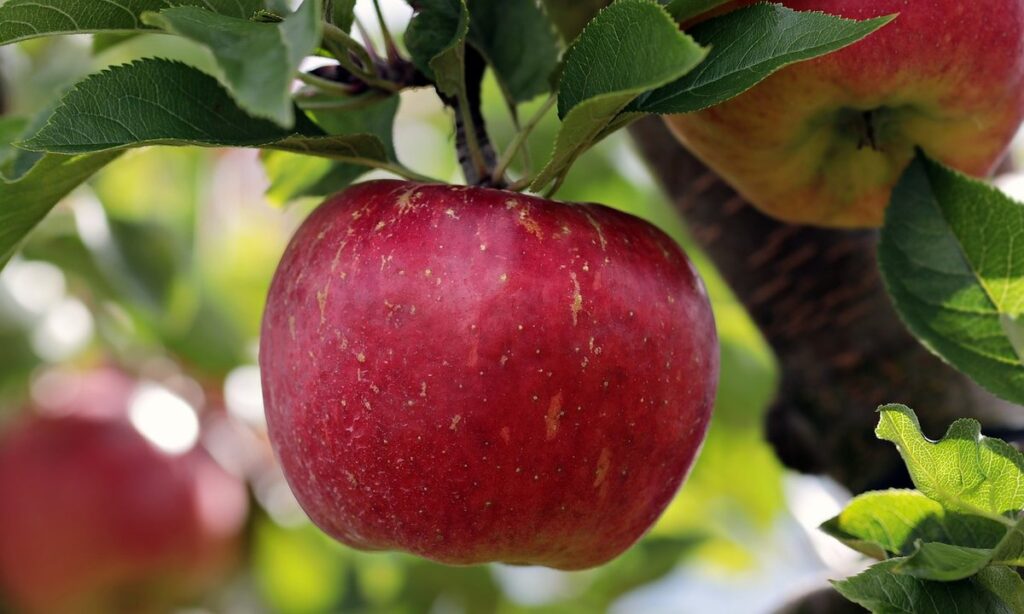
Understanding Apple Tree Structure
Let’s dive into the intricate details of an apple tree, starting with its structure. This is where understanding how a tree grows and functions becomes essential to appreciating all its other parts.
The Main Components of an Apple Tree
An apple tree’s structure is comprised of three primary components: the trunk, branches, and roots. The trunk serves as the main axis of the tree, supporting the weight of its foliage and fruit. It also contains the vascular tissues responsible for transporting water and nutrients from the roots to the rest of the tree.
The branches, which originate from the trunk, play a crucial role in distributing the load of leaves, flowers, and fruits. They are typically divided into two types: primary and secondary branches. Primary branches grow directly from the trunk, while secondary branches stem from primary branches. Both types are essential for providing structural support and facilitating photosynthesis.
At the base of the tree lies its root system, which extends far beyond what’s visible above ground. Roots absorb water and nutrients from the soil, supplying them to the rest of the tree through a network of vascular tissues in the trunk. A healthy root system is vital for maintaining a tree’s overall health and enabling it to thrive.
By understanding these main components, you’ll be better equipped to identify potential issues with your apple tree and take corrective action to promote its growth and productivity.
Exploring the Root System of Apple Trees
The root system of an apple tree is often overlooked, but it’s a crucial component that plays a vital role in its overall health and stability. There are two main types of root systems found in apple trees: taproot and fibrous. Taproots have a single, primary root that grows straight down into the soil, while fibrous roots have multiple smaller roots that spread out in all directions.
The root system is responsible for absorbing water and nutrients from the surrounding soil, which are then transported to the rest of the tree through a process called translocation. Apple trees typically have a deep taproot that can extend several feet underground, allowing them to access water deep within the soil profile. This is especially important during periods of drought or water stress.
In addition to absorbing nutrients, the root system also plays a critical role in stabilizing the tree. A strong root system helps to anchor the tree in place, preventing it from toppling over in strong winds or during heavy fruit loads. To promote healthy root growth and development, make sure to plant your apple tree in well-draining soil with a pH between 6.0 and 6.5, and avoid compacting the soil around the base of the tree.
Identifying the Different Types of Branches
An apple tree’s branch system is made up of several types that work together to support the tree’s growth and fruit production. The main branches are the largest, most visible limbs that grow directly from the trunk. These are responsible for supporting the weight of the fruiting branches and providing a framework for the rest of the tree’s structure.
Fruiting branches, on the other hand, are the smaller, more delicate limbs that produce flowers and eventually fruit. They typically branch off from the main branches at an angle, creating a layered effect. Fruit production occurs on these secondary limbs because they receive more sunlight and have better air circulation than the larger main branches.
The key to healthy fruiting is finding the right balance between main and fruiting branches. Too many main branches can create shading issues that lead to reduced fruit quality and quantity, while too few can make it difficult for the tree to support its own weight. A well-balanced branch system ensures that the tree’s growth is evenly distributed and allows for optimal fruit production.
Leaves and Their Importance in Photosynthesis
Let’s take a closer look at how leaves play a crucial role in photosynthesis, which is essential for an apple tree’s growth and production.
The Structure and Function of Apple Tree Leaves
Apple tree leaves are one of the most essential components for an apple tree’s survival and overall health. These oval-shaped leaves have a pointed tip at the end and come in pairs on either side of the stem, with two tiny teeth at the base. Their size can vary from 2 to 5 inches long and 1-3 inches wide, depending on factors such as climate, soil quality, and genetics.
The arrangement of leaves on the stem is an alternating pattern, which helps minimize competition for sunlight between adjacent leaves. This unique arrangement also allows air to pass through the tree more easily, reducing the risk of fungal diseases that thrive in humid environments. The veins of apple tree leaves are prominent and follow a typical reticulate (net-like) pattern.
The leaves play a crucial role in photosynthesis by producing food for the tree using sunlight, water, and carbon dioxide. Their ability to undergo rapid growth during spring makes them highly efficient at absorbing sunlight. However, excessive temperatures above 90°F or frost damage can significantly impair their photosynthetic capabilities.
How to Identify Healthy Apple Tree Leaves
Inspecting your apple tree leaves regularly is crucial for its health and productivity. A simple visual check can help you identify potential issues before they cause significant damage. To start, look for the right color and texture. Healthy apple tree leaves are typically a bright green with a slightly waxy or leathery texture.
Now, let’s talk about signs of nutrient deficiency. A lack of nitrogen will often result in pale or yellowing leaves, while a magnesium deficiency can cause mottling or yellow spots on the leaves. Iron deficiency, on the other hand, may cause interveinal chlorosis, where the veins remain green but the rest of the leaf turns yellow.
Regular inspection can also help you catch pests and diseases early. Check for holes or notches in the leaves, which could indicate the presence of caterpillars or borers. Look for powdery mildew, a fungal disease that causes a white, dusty coating on the leaves. And remember to check for aphids, spider mites, or scale insects, which can suck sap from the tree.
By keeping an eye out for these signs, you’ll be able to catch any issues before they become major problems and give your apple tree the best chance of thriving.
Flowers, Fruits, and Seeds: The Reproductive Parts
Let’s take a closer look at the reproductive parts of an apple tree, including flowers, fruits, and seeds that make it possible for trees to produce new apples. These vital components are essential to the tree’s life cycle.
Understanding the Life Cycle of an Apple Flower
The life cycle of an apple flower is a complex and fascinating process that’s essential for fruit production. It begins with bud formation, where tiny buds emerge on the tree during winter months. These buds are covered by a protective scale, which protects them from extreme temperatures.
As spring arrives, the buds begin to swell, and eventually, they open into beautiful apple flowers. There are typically 5-10 flowers in each cluster, and they’re arranged in a spiral pattern around the central stem. The delicate petals of these flowers attract pollinators like bees and butterflies, which transfer pollen from one flower to another, facilitating fertilization.
Pollination usually occurs within a few days, and once the stigma has been fertilized, it begins to swell with ovules containing seeds. However, not all apple trees produce fruit – some varieties require cross-pollination, which means they need another tree of a different variety nearby to transfer pollen. Environmental factors like temperature, humidity, and sunlight can affect flower development, so gardeners must choose the right conditions for optimal growth.
This intricate process is crucial for the production of delicious apples, making flowers an essential part of an apple tree’s reproductive cycle.
From Blossom to Fruit: The Development of Apples
As we’ve explored the different parts of an apple tree, it’s time to delve into the fascinating process of fruit development. From blossom to fruit, apples undergo a remarkable transformation, involving cell division, growth, and maturation. This intricate process is crucial for producing high-quality apples.
Cell division begins after successful pollination, where the fertilized egg develops into an embryo. As the fruit grows, it’s fueled by nutrients and water absorbed from the tree’s roots. The apple’s shape and size are influenced by factors such as temperature, sunlight, and soil quality. Proper fruit set requires a delicate balance of these environmental conditions.
Factors like disease, pests, or nutrient deficiencies can disrupt this process, resulting in misshapen or undersized apples. For example, inadequate water supply can lead to fruit drop, while excessive heat can cause apples to ripen unevenly. To promote healthy fruit development, maintain optimal tree care practices, including regular watering, pruning, and fertilization. This attention to detail will yield a bountiful harvest of crisp, juicy apples. By understanding the intricacies of apple development, you’ll be better equipped to nurture your tree’s reproductive success.
Apple Seeds: Their Significance and Uses
Apple seeds are often overlooked, but they play a crucial role in perpetuating an apple tree’s genetic material. When a mature apple falls from the tree, it brings with it a seed that contains a complete set of chromosomes from both parents. This genetic material ensures the seed has the potential to grow into a healthy and productive apple tree.
The seeds can be used for germination to grow new plants. To do this, remove the seed from the core and plant it about 1 inch deep in a well-draining seed starting mix. Keep the soil consistently moist and provide adequate light until the seedling has two sets of leaves. Once established, transfer the seedling to a larger pot or directly into the ground.
Apple seeds can also be used for oil extraction, which is often done on a commercial scale. The oil extracted from apple seeds contains high levels of unsaturated fatty acids and antioxidants, making it suitable for use in food products such as salad dressings and baked goods.
Pruning and Training an Apple Tree
When it comes to nurturing your apple tree, pruning and training are crucial steps that help maintain its shape, promote healthy growth, and increase fruit production. We’ll walk you through these essential practices in detail.
Why Prune Apple Trees and When to Do It
Pruning is an essential part of maintaining a healthy apple tree. By removing dead, diseased, or damaged branches, you promote air circulation, reduce the risk of disease and pests, and encourage fruiting wood to develop. Pruning also helps maintain the overall shape of the tree, ensuring it remains sturdy and easy to manage.
The best time for pruning depends on the season. In the dormant season (winter or early spring), when the tree is not actively growing, make major cuts to remove crossing branches, suckers, and deadwood. This allows the tree to heal quickly without stressing it during active growth. During the active growth season (spring-fall), prune for thinner canopies and shape the tree. Remove any weak or spindly growth, but avoid pruning too much of the current year’s growth, as this can reduce fruit production.
Keep in mind that young trees require more aggressive pruning to establish a strong structure. For mature trees, focus on selective pruning to maintain their health and productivity.
Techniques for Proper Pruning and Training
When it comes to pruning and training your apple tree, proper techniques are essential for promoting healthy growth, maximizing fruit production, and maintaining a strong structure. Thinning is an effective method that involves removing select branches to increase air circulation, reduce disease susceptibility, and allow more sunlight to reach the remaining fruiting wood.
Topping, on the other hand, involves cutting back the leader of the tree to control its height or encourage a more central growth pattern. While topping can be effective for smaller trees or those with excessive vigor, it’s essential to avoid over-topping, as this can lead to weak, watersprout-filled branches that are prone to breakage.
Reduction pruning focuses on removing select branches and shoots to balance the tree’s canopy and promote a strong, balanced structure. This technique should be performed annually, ideally during the dormant season when the tree is less susceptible to disease and pests.
For proper training, it’s crucial to provide your apple tree with a sturdy support system from an early age. Install a central stake or trellis to guide the leader and promote a strong, upright growth habit.
Pest and Disease Management in Apple Trees
To keep your apple tree healthy, it’s essential to understand how to manage common pests and diseases that can harm its fruit and longevity. This is where proper care and knowledge come into play.
Common Pests Affecting Apple Trees
Apple trees are susceptible to various pests that can cause significant damage if left unchecked. Among the most common pests affecting apple trees are aphids, codling moths, and spider mites.
Aphids are small, soft-bodied insects that feed on sap, causing curled or distorted leaves. They reproduce rapidly, with some species able to complete their life cycle in as little as 7-10 days. Management strategies include introducing natural predators like ladybugs or lacewings, which prey on aphid populations.
Codling moths are larger than aphids and have a distinctive white or yellowish spot on each wing. These moths lay eggs on apple leaves or fruit, from which larvae emerge to feed on the flesh of developing apples. Effective management involves using pheromone traps to capture adult moths before they can mate.
Spider mites are tiny arachnids that spin fine webs and suck sap from apple leaves, causing yellowing or bronzing. They thrive in dry conditions and can be controlled by maintaining adequate moisture levels and introducing natural predators like predatory mites.
Identifying these pests early on is crucial to implementing effective management strategies. Regularly inspect your apple tree for signs of infestation and take action promptly to prevent pest populations from getting out of control.
Recognizing and Managing Diseases in Apple Trees
As an apple tree owner, recognizing and managing diseases is crucial to maintaining a healthy and productive orchard. Apple trees are susceptible to various diseases that can significantly impact their yield and longevity.
Powdery mildew, scab, and fire blight are some of the most common diseases affecting apple trees. Powdery mildew appears as a white powdery coating on leaves and branches, while scab causes dark spots on fruit and leaves. Fire blight, on the other hand, is characterized by blackened or discolored stems and branches.
To prevent disease spread, maintain good orchard hygiene practices, such as removing infected plants, disinfecting pruning tools, and ensuring proper air circulation within the orchard. Regularly inspect your trees for signs of disease, and implement control measures promptly if you notice any symptoms.
When managing diseases, it’s essential to use integrated pest management (IPM) techniques that combine physical, cultural, biological, and chemical controls. For example, introduce beneficial insects like bees and wasps, which prey on pests that spread disease. Prune infected branches carefully to prevent the disease from spreading further. In severe cases, apply fungicides or bactericides according to the product’s instructions and take necessary precautions to minimize environmental impact.
Conclusion: Caring for Your Apple Tree
Now that you’ve learned about the different parts of an apple tree, it’s time to focus on caring for your new addition. Regular maintenance is crucial to ensure a healthy and thriving tree. Start by watering your tree deeply once or twice a week, depending on weather conditions. This will encourage root growth and help establish a strong foundation.
Prune your tree annually to promote fruiting and maintain its overall shape. Remove any dead, diseased, or damaged branches to prevent the spread of disease. Also, consider fertilizing your tree with a balanced fertilizer in early spring to provide essential nutrients. By following these simple steps, you’ll be well on your way to enjoying delicious apples from your very own tree. With proper care and attention, your apple tree will continue to flourish for years to come.
Frequently Asked Questions
How do I identify pest damage on my apple tree branches?
When inspecting your tree, look for signs of pest infestation such as holes, chew marks, or sap oozing from the branches. Check for insects like aphids, codling moths, or spider mites, and remove any affected areas to prevent further damage.
Can I grow multiple varieties of apple trees in one location?
Yes, you can grow multiple varieties of apple trees in one location, but consider their mature size, growth habits, and cross-pollination requirements. For optimal results, choose varieties with similar growing conditions and space them at least 20-25 feet apart to ensure adequate air circulation.
How often should I water my newly planted apple tree?
Water your newly planted apple tree regularly during its first year, especially during hot or dry weather. Aim for about 1 inch of water per week, either from rainfall or irrigation. Make sure the soil remains consistently moist but not waterlogged to encourage strong root growth.
What are some common diseases that affect apple trees and how can I prevent them?
Common diseases affecting apple trees include powdery mildew, scab, and fire blight. To prevent these diseases, ensure good air circulation around your tree, remove any diseased leaves or branches, and maintain proper pruning techniques to reduce moisture accumulation.
How long does it take for an apple tree to produce fruit after planting?
The time it takes for an apple tree to produce fruit varies depending on factors like climate, soil quality, and the specific variety. Generally, dwarf or semi-dwarf trees can produce fruit within 2-3 years after planting, while standard trees may take 5-7 years to mature.