
When it comes to growing apples, one aspect that often gets overlooked is the height of the fruit itself. As an orchardist or grower, you know that a healthy and thriving tree can produce an abundance of delicious apples, but did you know that their size can be influenced by more than just genetics? In fact, climate, rootstock selection, pruning practices, and even market demand all play a role in determining the typical height of your apple fruit. But what does this really mean for growers like you, and how can you optimize your yields to meet changing consumer expectations? This article will delve into the factors that affect apple fruit height, popular measuring methods, and the implications for growers and buyers alike.
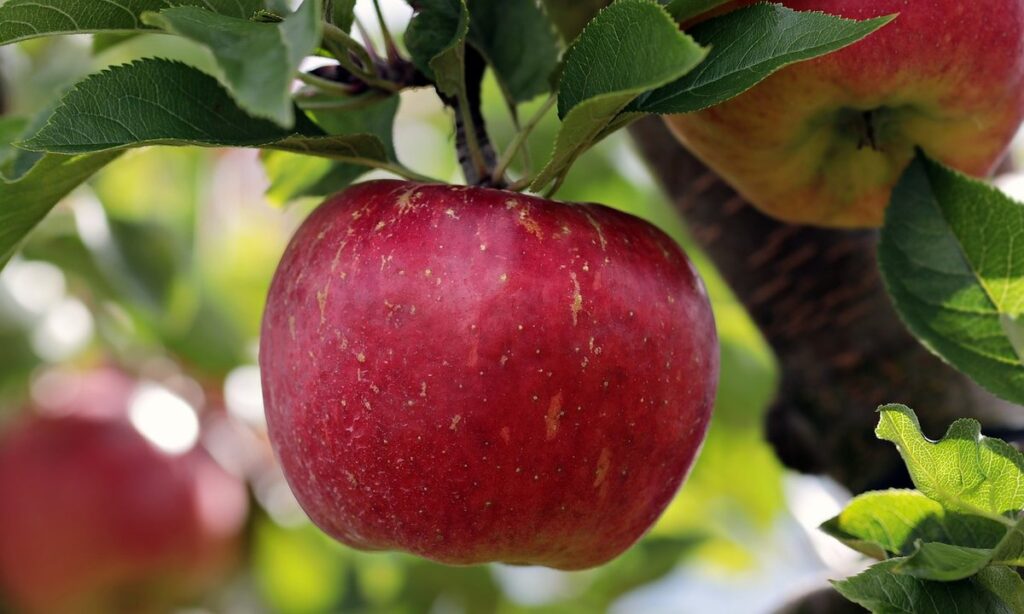
Section 1: Introduction to Apple Fruit Height
When it comes to growing apples, understanding the typical fruit height is crucial for optimal harvesting and pruning. Let’s explore how apple varieties differ in terms of size.
Subsection 1.1: Importance of Measuring Apple Height
Measuring apple height is not just an exercise for curiosity; it holds significant importance in various sectors of the fruit industry. In agriculture and horticulture, accurately measuring apple height aids in identifying optimal pruning techniques to promote healthy growth patterns. This practice also ensures that apples develop evenly, leading to better overall quality and appearance.
Furthermore, apple height measurement plays a crucial role in determining the maturity of fruits on the tree. By assessing the height of apples at regular intervals, farmers can identify when they are ready for harvest. This precision helps reduce crop loss due to over-ripening or under-ripening, thereby minimizing economic losses for growers.
In addition to its practical applications, measuring apple height also informs fruit quality assessment. Apples that grow too tall or irregularly may not meet market standards, impacting their sale value and consumer demand. By understanding the typical height of various apple varieties, farmers and producers can make informed decisions about crop selection, management strategies, and post-harvest handling to ensure they meet market expectations.
Subsection 1.2: Overview of Apple Fruit Types
When it comes to understanding typical apple fruit height, it’s essential to know that different varieties exhibit varying size ranges. One of the main types of apples is the Gala variety, which typically falls within a range of 2.5 to 3 inches (6.4-7.6 cm) in diameter. Another popular variety, Granny Smith, tends to be slightly smaller, with an average diameter ranging from 2 to 2.5 inches (5.1-6.4 cm). Meanwhile, the Red Delicious variety is often one of the larger types of apples, with a typical size range of 3 to 3.5 inches (7.6-8.9 cm) in diameter.
It’s worth noting that these size ranges can vary depending on factors such as climate, soil quality, and growing conditions. However, understanding the general size ranges for different apple varieties can provide valuable insights into their typical height. Whether you’re a seasoned farmer or a home gardener, having this knowledge can help you better care for your apple trees and optimize their growth potential. Keep in mind that even within the same variety, there can be significant variation in size due to individual differences in tree health and environmental conditions.
Subsection 1.3: Objective of This Article
This article aims to provide an in-depth exploration of the typical apple fruit height, delving into the various factors that contribute to this variation. By understanding these factors, readers will gain a comprehensive knowledge of what influences apple size and how it affects different types of apples.
Throughout this article, we’ll examine the diverse range of apple heights found in commercial and backyard orchards. We’ll discuss the significance of factors such as climate, soil quality, water availability, and pruning techniques on apple growth. Additionally, we’ll explore the genetic differences between various apple varieties and their impact on fruit size.
By the end of this article, readers will be equipped with practical knowledge to manage and predict apple growth in their own orchards or gardens. We’ll also provide tips on selecting the most suitable apple variety for small-scale cultivation, taking into account factors like space constraints and desired yield.
Section 2: Factors Affecting Apple Fruit Height
When growing apples, several factors come into play that can significantly impact fruit height, including climate conditions and specific tree varieties. Let’s explore these influencing elements together.
Subsection 2.1: Climate and Soil Conditions
Climate and soil conditions play a significant role in shaping the growth of apple trees, which in turn affects the size and height of their fruit. Temperature fluctuations can either promote or hinder healthy tree development. For instance, warm temperatures during the spring season encourage vigorous growth, leading to larger apples, while cooler temperatures may result in smaller fruit.
Rainfall patterns also have a substantial impact on apple tree health. Adequate moisture during the growing season allows trees to produce more robust and taller branches, which ultimately support the weight of their fruit. Conversely, drought conditions can weaken trees, causing them to focus energy on survival rather than growth. Soil quality is equally crucial, as nutrient-rich soils provide essential micronutrients that promote healthy tree development.
Practically speaking, understanding climate and soil conditions can help you make informed decisions about pruning techniques, fertilization schedules, or irrigation strategies to optimize apple fruit size and height. By taking these factors into consideration, you can create an environment conducive to producing larger, healthier apples.
Subsection 2.2: Rootstock Selection and Grafting
When it comes to growing apples, one of the most crucial factors that influence their height and vigor is rootstock selection. Rootstocks act as a bridge between the apple scion (the variety you’re familiar with) and the soil, determining how well the tree will adapt to its environment. There are over 500 different rootstock varieties, each with its unique characteristics.
For example, dwarf rootstocks like M9 and M26 are commonly used for commercial orchards as they promote compact growth, ideal for high-density planting. On the other hand, more vigorous rootstocks like MM106 can produce larger trees that may be better suited to smaller plots or home gardens.
To graft your own apple tree using a suitable rootstock, you’ll need to have some basic gardening knowledge and tools. The process involves joining the scion (the desired variety) onto the rootstock’s stem using a specialized tool called a grafting knife. This technique can significantly reduce the risk of disease transmission between trees while also ensuring that your apple tree grows at an optimal rate for its environment.
Subsection 2.3: Pruning Practices for Optimal Fruit Size
Proper pruning is essential to promote optimal fruit size. When left unpruned, apple trees can produce smaller fruits due to excessive energy being directed towards vegetative growth rather than fruit development.
Pruning techniques such as thinning and shaping can help balance the tree’s resources and direct them towards larger fruit production. Thin out weak or damaged branches in the winter, cutting them back to about 30-40% of their original length. This encourages the remaining branches to produce more fruiting spurs.
Another effective method is removing water sprouts – vigorous shoots that grow from the trunk or branches. These can be cut off at any time of year and will help redirect energy towards producing larger fruits.
Timing is also crucial when pruning for optimal fruit size. Prune in late winter or early spring, allowing enough time for the tree to recover before spring growth begins. Be careful not to over-prune, as this can stress the tree and lead to reduced fruit production in subsequent years.
When combined with good tree management practices, regular pruning will help promote healthy and productive apple trees that produce larger fruits. Regularly assess your tree’s needs and prune accordingly to achieve optimal results.
Section 3: Measuring Apple Fruit Height – Methods and Tools
To accurately measure your apple tree’s fruit height, you’ll need to know which methods and tools are suitable for the job. Let’s explore these in more detail below.
Subsection 3.1: Traditional Measurement Techniques (Girth Circumference)
Measuring apple girth circumference is another common method used to assess fruit size and quality. This technique involves wrapping a string or tape measure around the widest part of the apple, usually at the middle section. By doing so, you can determine the girth or circumference of the apple.
To accurately measure the girth circumference using a string, start by wrapping it around the apple with a slight tension. Make sure the string is not too tight, as this can cause the fruit to compress and give an inaccurate reading. Alternatively, use a flexible tape measure that’s specifically designed for measuring fruits. These measures are usually marked with units of measurement such as inches or centimeters.
When taking measurements, it’s essential to note that different parts of the apple may have varying girth circumferences due to its shape and size variations. Be sure to record multiple readings to ensure accurate results. A general rule of thumb is to take three measurements around the middle section, and use the largest value as your final result. This will give you a more comprehensive understanding of the apple’s overall girth circumference.
Subsection 3.2: Electronic and Digital Measurement Tools
In recent years, advancements in technology have led to the development of modern tools that enable accurate measurement of apple size. One such tool is laser calipers, which use a laser beam to measure the diameter and circumference of apples with high precision. These devices are particularly useful for large-scale farming operations, where speed and accuracy are crucial.
Another significant innovation is digital fruit analyzers, which can measure various parameters such as length, width, and thickness of apples. Some models also come equipped with features like automatic data logging, image capture, and wireless connectivity, allowing farmers to monitor their apple crops remotely. For instance, the “FruitScan” system by a leading agricultural technology company can detect even the slightest variations in fruit size, weight, and quality.
These modern tools not only enhance measurement accuracy but also streamline data collection, reducing labor costs and increasing overall efficiency. By incorporating these technologies into your apple farming operation, you can gain valuable insights into the factors affecting apple size and make informed decisions to optimize your yields.
Section 4: Variations in Apple Fruit Height by Type and Variety
As we explore the factors that influence apple fruit height, let’s take a closer look at how different types and varieties contribute to these variations. We’ll examine some examples of apples that fall above or below average in terms of height.
Subsection 4.1: Analysis of Popular Apple Varieties (Gala, Fuji, Golden Delicious)
When it comes to popular apple varieties, there’s often curiosity about their average height. Let’s take a closer look at three well-known varieties: Gala, Fuji, and Golden Delicious.
Studies have shown that the average height of apples can vary significantly depending on the variety. For instance, Gala apples tend to be slightly taller than their counterparts, with an average height ranging from 2.5 to 3 inches (6-7.5 cm). In contrast, Fuji apples are generally shorter, measuring around 2-2.5 inches (5-6 cm) in height.
Meanwhile, Golden Delicious apples fall somewhere in between, with an average height of approximately 2.75 inches (7 cm). It’s worth noting that these measurements can vary depending on factors like growing conditions and tree care.
To give you a better idea, here are some general guidelines for the three varieties: if you’re looking to grow Gala apples, aim for a slightly taller trellis system. For Fuji and Golden Delicious, consider using shorter support systems or pruning techniques to promote optimal growth.
Subsection 4.2: Dwarf, Semi-Dwarf, and Standard Rootstocks
When it comes to growing apples, one crucial factor that can significantly impact fruit size is the type of rootstock used. Rootstocks are essentially the grafting base onto which a scion (the apple variety itself) is grafted. There are three main types: dwarf, semi-dwarf, and standard rootstocks.
Dwarf rootstocks, such as M9 and M26, produce compact trees with smaller fruit sizes, typically ranging from 1-2 pounds. These varieties are ideal for small gardens or container growing, where space is limited. They also tend to mature faster than standard rootstocks, which can be beneficial in cooler climates.
Semi-dwarf rootstocks, like MM106 and MM111, strike a balance between fruit size and tree growth. Their fruit sizes range from 2-4 pounds, making them suitable for smaller orchards or commercial growers looking for efficient production methods.
Standard rootstocks, such as EMLA and M9/14, produce the largest trees and fruit sizes, typically ranging from 5-10 pounds. While they require more space and maintenance, they are ideal for large-scale commercial operations or growers seeking high yields. When choosing a rootstock, it’s essential to consider your specific growing conditions, climate, and desired outcome. By selecting the right rootstock for your needs, you can optimize fruit size and tree performance.
Section 5: Economic and Practical Implications of Apple Fruit Height
As you consider growing, buying, and selling apples, it’s essential to understand how varying fruit heights impact your bottom line. In this section, we’ll explore those economic and practical implications in more detail.
Subsection 5.1: Market Demand and Consumer Preferences
When it comes to market demand for apples, consumer preferences play a significant role. Many consumers are drawn to larger apples, perceiving them as more substantial and filling. In fact, according to a survey by the US Apple Association, 60% of consumers prefer larger apples, while 20% prefer smaller ones. This trend affects market demand, with larger apple varieties often commanding higher prices.
On the other hand, some consumers prioritize flavor over size. For these individuals, smaller apples are preferred as they tend to be sweeter and have a more intense flavor profile. In response to this demand, many growers now offer smaller apple varieties specifically marketed towards consumers seeking these characteristics.
To navigate this preference landscape, farmers can adapt their production strategies by planting multiple varieties catering to different consumer needs. By doing so, they not only meet the demands of their target market but also capitalize on emerging trends in the industry.
Subsection 5.2: Orchard Management Strategies to Maximize Fruit Size
As you strive to grow larger apples, managing your orchard effectively is crucial. A well-planned and executed management strategy can significantly impact fruit size. One key aspect of maximizing fruit size is providing adequate sunlight and water.
A study conducted by the University of California found that trees receiving full sun produced more fruit than those with partial shade. Similarly, research by the Washington State University revealed that irrigation management had a significant effect on fruit size. Trees receiving 70-80 inches of rainfall or supplemental irrigation produced larger apples compared to those receiving less water.
Pruning techniques also play a vital role in managing fruit size. Proper pruning encourages balanced growth and directs energy towards developing large, high-quality fruit. It’s essential to remove any weak or diseased branches to maintain optimal tree health and promote fruit production.
To apply these strategies effectively, consider the following tips:
* Ensure trees receive at least 6 hours of direct sunlight per day
* Implement a drip irrigation system for efficient water delivery
* Prune your trees annually in late winter or early spring to encourage healthy growth and fruit development
Section 6: Limitations and Future Directions in Research on Apple Fruit Height
While our research has made significant strides, we must acknowledge that there are still limitations to what we know about apple fruit height, and certain areas warrant further investigation. These limitations are crucial to consider for future research endeavors.
Subsection 6.1: Methodological Challenges and Controversies
Measuring apple size accurately can be a daunting task, particularly when considering the variability that exists between trees. One of the primary challenges is the sheer range of sizes to which apples can grow. A single tree can produce fruit that ranges from as small as 1.5 inches in diameter to over 3 inches. This variability makes it difficult for researchers and farmers alike to establish a standard measurement.
To further complicate matters, environmental factors such as climate, soil quality, and sunlight exposure can impact the size of apples produced by a tree. For instance, apples grown in cooler climates tend to be larger than those grown in warmer areas. Similarly, trees that receive adequate water and nutrient-rich soil will produce larger fruit compared to those with limited resources.
To mitigate these challenges, researchers often rely on statistical methods to account for variability between trees. However, this approach can sometimes mask the underlying factors contributing to size differences. As a result, establishing a definitive “typical” apple fruit height is challenging.
Subsection 6.2: Potential Applications of Advanced Technologies (Genomics, Precision Agriculture)
As we continue to explore the complexities of apple fruit height, it’s essential to consider the potential applications of advanced technologies that can aid in our understanding and management of this trait. Genomics, a field that studies the structure and function of genomes, is particularly relevant here. By analyzing the genetic makeup of apples, researchers can identify specific genes responsible for influencing fruit height.
This knowledge can be used to develop more accurate breeding programs, allowing growers to select varieties that not only meet their desired fruit height but also exhibit desirable traits such as disease resistance or improved yield. Precision agriculture, another advanced technology, can help farmers optimize growing conditions and minimize waste by monitoring soil moisture, temperature, and nutrient levels in real-time.
In the near future, we may see the integration of genomics and precision agriculture in apple production, enabling growers to make data-driven decisions that promote more efficient and sustainable farming practices. By embracing these cutting-edge technologies, we can unlock new possibilities for improving apple fruit height and overall crop yields.
Section 7: Conclusion – Implications for Apple Producers and Consumers
In conclusion, understanding typical apple fruit height is crucial for both producers and consumers. For apple producers, knowing the average height of their crop can help them optimize pruning techniques and ensure a balanced yield. By monitoring the growth patterns of their trees, producers can identify potential issues early on and take corrective action to prevent damage or disease. This knowledge also enables them to make informed decisions about harvesting times, ensuring that apples are picked at optimal ripeness.
As an apple consumer, understanding typical apple fruit height can be beneficial in selecting varieties that meet your personal preferences. Knowing the average size of a particular variety can help you choose between smaller, sweeter apples or larger, crisper ones. This awareness can also inform your purchasing decisions and even influence your expectations when it comes to apple texture and flavor.
Frequently Asked Questions
Can I use the same measuring methods for all types of apples, or are there variations based on variety?
While some measuring techniques can be applied broadly across various apple varieties, others may require adjustments based on specific characteristics like fruit size and shape. For example, Gala apples tend to have a more rounded shape than Granny Smith, which might affect measurement accuracy. It’s essential to research the specific measuring methods suitable for your target apple variety.
How do climate and soil conditions specifically influence apple fruit height?
Climate and soil conditions play significant roles in shaping apple growth patterns. Factors like temperature, moisture levels, sunlight exposure, and nutrient availability can impact fruit size. For instance, cooler climates often favor the development of larger apples due to slower growth rates. Conversely, warmer climates may lead to faster growth but potentially smaller fruits.
What tools are most accurate for measuring apple height in large orchards?
While traditional measurement methods like girth circumference remain useful, electronic and digital tools offer greater efficiency and precision for large-scale measurements. Consider investing in handheld devices or robotic systems equipped with sensors that can rapidly and accurately measure fruit size across entire orchard sections.
Are there any specific pruning practices I should follow to promote optimal apple growth?
Yes. Pruning techniques significantly influence fruit development and overall tree health. Regular, balanced pruning maintains a healthy balance between vegetative and generative growth, directing energy toward developing larger, more robust fruits. Aim for a mix of thinning, heading, and shaping cuts to ensure proper light exposure, air circulation, and water distribution.
Can I use a single rootstock selection for all apple varieties, or do different varieties require specific rootstocks?
While some rootstocks are adaptable across multiple varieties, others exhibit specificity based on the cultivar. For example, dwarf rootstocks like M9 might be ideal for compact varieties like ‘Red Delicious’, but may hinder the growth potential of larger varieties. Research and choose a rootstock that matches your specific apple variety’s needs to optimize yields and ensure healthy tree development.
Are there any limitations or challenges when using advanced technologies like genomics in measuring and optimizing apple fruit height?
Yes. While genomic approaches offer promising insights into genetic factors influencing apple fruit size, methodological challenges persist. These include data interpretation complexities, sample size requirements, and the need for robust statistical analysis to accurately tease apart contributing factors. Moreover, precision agriculture technologies also face practical implementation hurdles like equipment costs, data integration issues, and operator training needs.