
You’ve probably heard that peony ants are not just ordinary ants, but they’re actually considered to be some kind of “pets” or even parasites by some people. But is this really true? Let’s dive into the fascinating world of peony ant myths and uncover the surprising truth about these tiny creatures and their complex relationships with plants and humans.
For a long time, the notion that peony ants are somehow special has been perpetuated through popular culture and online forums. But what do we actually know about them? Do they really have a symbiotic relationship with plants, or are they just taking advantage of their hosts? In this article, we’ll take a closer look at the myths surrounding peony ants and separate fact from fiction.
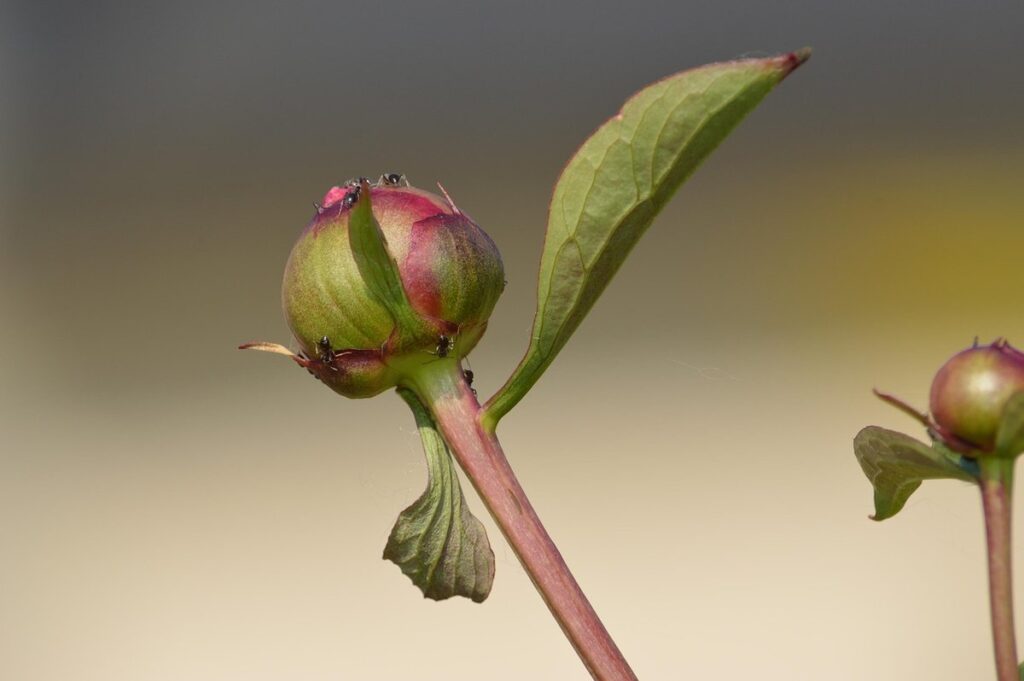
What are Peony Ants?
Let’s dive into what these tiny creatures actually are, and how their unique behavior can be both fascinating and perplexing at the same time. You’ll soon discover their surprising characteristics.
Definition and Identification
Peony ants are a type of invasive ant species that have been mistakenly identified as “peony plant ants” due to their unique association with peony flowers. These ants are typically small, ranging from 1/8 to 1/4 inch in length, and are usually brown or black in color. They are native to South America but have since spread to other parts of the world, including North America.
One of the distinctive habits of peony ants is their tendency to invade homes and buildings through tiny crevices and cracks in windowsills, doors, and walls. Once inside, they often make their way to kitchen areas where food is readily available. Their small size and ability to squeeze through tight spaces make them particularly difficult to detect and eliminate.
To identify peony ants, look for small, dark-colored ants marching in a straight line or carrying bits of plant material back to their colonies.
Common Misconceptions about Peony Ants
One of the most intriguing aspects of peony ants is the plethora of misconceptions surrounding them. Many people believe that these ants are pests, ravaging gardens and homes with their large colonies. However, this notion couldn’t be further from the truth.
For instance, it’s common to assume that peony ants are attracted to sweet substances, much like other ant species. But in reality, they’re primarily interested in the nectar of flowers, particularly those belonging to the peony family. This specialized diet is a result of their unique co-evolutionary relationship with these plants.
Another misconception is that peony ants are destructive and should be eliminated at all costs. While it’s true that large infestations can cause damage to buildings and infrastructure, they’re generally harmless in small numbers. In fact, some gardeners even cultivate peony ant colonies for their ability to control pest populations naturally.
To separate fact from fiction, it’s essential to understand the specific needs and habits of peony ants. By doing so, you’ll be better equipped to appreciate these fascinating creatures and manage any potential issues in a responsible manner.
The Origins of the Peony Ant Myth
Let’s dive into the fascinating history behind the peony ant myth, where legend and reality often blur. We’ll explore the earliest accounts of these enigmatic creatures.
Historical Accounts of Peony Ants
Historical accounts of peony ants reveal an intriguing narrative of perception and misunderstanding. The first recorded mention of these ants dates back to ancient China during the Han Dynasty (206 BCE – 220 CE). In traditional Chinese culture, peony ants were believed to have a symbiotic relationship with peonies, which they allegedly protected from pests and diseases in exchange for food and shelter.
Similarly, in medieval Europe, peony ants were associated with good fortune and prosperity. They were often featured in folklore and mythology as symbols of abundance and fertility. However, this perception may be attributed to the fact that peony ants often take over homes and gardens, leading people to believe they are beneficial organisms.
As European colonization spread, peony ants became a subject of interest for entomologists. In the late 19th century, naturalist Charles Darwin even documented their unique social behavior in his notes on insect societies. Despite these observations, misconceptions surrounding peony ants persisted, fueling the myth that they possess magical properties.
Throughout history, perceptions of peony ants have been shaped by cultural and societal influences rather than scientific fact. By examining these historical accounts, we can better understand how myths are formed and perpetuated, ultimately working towards a more accurate understanding of this fascinating insect.
Cultural Significance of Peony Ants
In many cultures around the world, peony ants are imbued with symbolic meaning that extends far beyond their simple existence as a species. In Japan, for instance, these small insects are associated with good fortune and prosperity. According to traditional Japanese lore, peony ants possess the power to bring balance and harmony into the lives of those who encounter them.
In other parts of Asia, such as China and Korea, peony ants are revered for their supposed ability to ward off evil spirits. It’s not uncommon in these cultures for people to deliberately seek out peony ant colonies in order to benefit from their perceived mystical properties.
Interestingly, some researchers have suggested that the cultural significance of peony ants may be linked to their unique biology. For example, their habit of living in large, cooperative colonies has led some to interpret them as symbols of unity and cooperation. By examining the symbolic meanings associated with these insects, we can gain a deeper understanding of the complex ways in which humans interact with the natural world.
The Relationship between Peony Ants and Plants
Let’s dive into the fascinating relationship between peony ants and plants, where these tiny insects have formed a mutually beneficial partnership. We’ll explore how this symbiosis plays out in nature.
Mutualism vs. Parasitism
When it comes to the relationship between peony ants and plants, there’s often confusion about whether they’re friends or foes. The truth is, both mutualistic and parasitic interactions occur between these two species.
Mutualism is a clear-cut example of how peony ants benefit their host plant. For instance, in exchange for sweet, nutrient-rich secretions from the peony flower, the ants provide protection from other herbivores, like aphids or whiteflies, which can harm the plant’s growth. This mutually beneficial arrangement is crucial for the ant’s survival as well – they rely on these secretions as a primary food source.
However, some research suggests that certain species of peony ants may also engage in parasitic behavior. These ants might exploit the plant by feeding directly from its nectar or even sucking out its sap. This can cause harm to the plant and potentially affect its ability to produce flowers or seeds.
Interestingly, a study published in the journal Ecology found that both mutualistic and parasitic interactions exist within the same population of peony ants, depending on factors like food availability and climate conditions.
The Role of Peony Ants in Seed Dispersal
Peony ants have often been misunderstood as solely being beneficial to plants through their pollination services. However, these fascinating insects also play a crucial role in seed dispersal and plant reproduction.
Seed dispersal is the process by which seeds are transported from one location to another, increasing the chances of germination and plant survival. Peony ants contribute to this process in several ways. First, when foraging for sweet nectar, peony ants often inadvertently collect and transport seeds back to their colonies. This can lead to a significant increase in seed dispersal rates, allowing plants to colonize new areas.
Interestingly, research has shown that certain plant species have evolved to benefit from this process by producing seeds with sticky surfaces or other adaptations that make them easier for peony ants to pick up and transport. For example, some studies have found that plants growing near ant colonies tend to have higher seed dispersal rates compared to those growing further away.
In summary, the role of peony ants in seed dispersal highlights their multifaceted relationship with plants. By recognizing this complex interplay, we can gain a deeper understanding and appreciation for these fascinating insects and the important ecosystem services they provide.
Peony Ants as a Pest: Understanding the Damage They Can Cause
Peony ants can cause significant damage to your peonies, but is it all just a myth? Let’s take a closer look at the harm these tiny insects can inflict.
Infestation and Colonization
When it comes to peony ants, understanding their infestation and colonization habits is crucial to managing these tiny pests. Peony ants are notorious for invading homes and gardens, often unintentionally. They can slip through even the tiniest cracks and crevices, making them a master of infiltration.
Once inside, peony ants begin to colonize, establishing small colonies within your walls or under floorboards. They’re attracted to moisture, warmth, and food sources, which is why you might notice them near kitchen sinks, bathrooms, or areas with high humidity. To detect an infestation, look for tiny piles of sawdust-like material (insect waste) around entry points or dark corners.
To prevent colonization, ensure your home’s perimeter is sealed, paying particular attention to windows, doors, and utility lines. Regularly inspect your garden for signs of peony ant activity, such as mounds of soil or discarded wing tips near plants. If you notice any unusual activity, take swift action by sealing entry points and eliminating standing water sources around the affected area.
Economic and Environmental Impact
Peony ants can cause significant economic and environmental damage to gardens and ecosystems. One of the most notable impacts is on commercial peony farms, where infestations can lead to substantial losses due to reduced flower quality and yield. In fact, a study found that peony ant infestations resulted in a 30% decrease in flower production for one major farm.
Beyond the economic implications, peony ants also have an environmental impact. They are known to feed on the sweet, sticky substance called honeydew produced by aphids, which can promote the growth of sooty mold on plants. This not only damages plant health but also creates an ideal environment for other pests and diseases to thrive.
To mitigate these effects, gardeners can implement integrated pest management strategies, such as introducing natural predators or using targeted insecticides. For instance, ladybugs are known to feed on peony ants, making them a potential biological control agent. Regular monitoring of gardens and early detection of infestations can also help minimize damage.
Control and Management Methods for Peony Ants
Now that you know peony ants are a common occurrence, let’s dive into practical methods to control their populations and manage their presence in your garden. We’ll explore effective strategies to keep them from taking over.
Non-Toxic and Organic Methods
When it comes to controlling peony ant populations, many people reach for harsh chemicals. However, these can be damaging to your garden and even harm beneficial insects. Fortunately, there are several non-toxic and organic methods you can try instead.
One effective approach is to use natural deterrents such as cinnamon or cayenne pepper. Sprinkle these powders along ant trails to deter them from returning. You can also try using essential oils like peppermint or tea tree oil, which ants find unpleasant. Mix a few drops of the oil with water and spray it directly on affected areas.
Another method is to improve your garden’s soil quality. Peony ants are often attracted to gardens with poor drainage and nutrient-poor soil. Add organic matter like compost or manure to enrich your soil and make it less appealing to these pests. You can also try using physical barriers, such as fine-mesh screens, to keep ants out of specific areas.
Remember that controlling peony ant populations requires patience and persistence. Try a combination of methods and observe which ones work best for your garden. With time and effort, you should be able to reduce their numbers without harming the environment or other beneficial insects.
Chemical Controls: When to Use Them
When dealing with peony ants, chemical controls may seem like an appealing solution to eliminate the problem. However, before reaching for pesticides, it’s essential to consider the potential risks and benefits. Chemical controls can be effective in quickly eliminating large infestations, but they also pose a risk to non-target insects, pets, and even humans.
For instance, if you have young children or pets that frequent the area where peony ants are present, chemical controls may not be the best option due to the potential health risks. In such cases, it’s better to explore other control methods first. On the other hand, if the infestation is severe and other methods haven’t worked, chemical controls might be necessary.
If you do decide to use chemical controls, make sure to follow the product instructions carefully and take necessary precautions to minimize exposure. It’s also crucial to identify the right product for your situation, as some pesticides may harm beneficial insects or contaminate soil and water. Consider consulting with a pest control professional before making a decision.
Conclusion: Separating Fact from Fiction about Peony Ants
As we’ve explored the fascinating world of peony ants, it’s time to separate fact from fiction and distill our findings into a concise summary. Let’s review what we’ve uncovered together.
Recap of Key Points
As we conclude our exploration of the peony ant myth, it’s essential to recap the key points that have emerged. We’ve delved into the fascinating world of these ants and uncovered a wealth of information about their behavior, biology, and unique characteristics.
One of the primary takeaways is that peony ants are not, in fact, “plant-dwelling” or “leaf-eating” ants as popularly believed. Instead, they’re social insects that live in colonies with complex societies and communicate through chemical signals. Their dependence on aphids for food has also been debunked – these ants actually protect the aphids from predators in exchange for sweet, sticky honeydew secretions.
It’s essential to note what we don’t know about peony ants yet. Further research is needed to fully understand their mating habits and life cycles. However, by acknowledging both the known and unknown aspects of these insects, we can begin to appreciate the intricate social dynamics at play in peony ant colonies.
Final Thoughts on the Peony Ant Myth
As we conclude our exploration of the peony ant myth, it’s essential to reflect on why understanding the truth behind this fascinating insect is crucial. By separating fact from fiction, we can better appreciate these tiny creatures and their role in our ecosystem.
The significance of peony ants extends beyond their intriguing behavior; it also lies in the lessons they teach us about survival, adaptation, and community building. In a world where myths often overshadow reality, embracing facts and science allows us to approach complex issues with clarity and purpose. By doing so, we can move away from baseless fears and superstitions.
Take, for instance, the example of farmers who initially shunned peony ants due to misconceptions about their impact on crops. Once educated about these ants’ beneficial role in pollination, they began to view them as valuable allies rather than pests. This experience highlights the importance of seeking knowledge over misinformation and embracing a more nuanced understanding of our natural world.
Frequently Asked Questions
Can I safely keep peony ants as pets, or is this a myth with no truth?
While some people may be tempted to “adopt” these ants due to their supposed special relationship with plants, it’s generally not recommended. Peony ants are considered invasive and can cause significant damage to homes and gardens. They also have complex social structures that require specialized care, making them challenging to keep as pets.
How can I prevent peony ants from entering my home or garden?
To minimize the risk of invasion, seal any cracks or crevices around windows, doors, and pipes with caulk or silicone. Keep your garden free of debris and maintain a clean and tidy environment. Regularly inspect for signs of ant activity, such as small trails or discarded food.
Are peony ants harmless to humans, or can they cause problems?
While not typically aggressive towards humans, peony ants can bite in self-defense if threatened or provoked. Some individuals may experience an allergic reaction to their bites, causing redness, itching, or swelling. It’s essential to exercise caution when handling peony ants and avoid touching them excessively.
Can I use natural methods to control peony ant infestations?
Yes, non-toxic and organic methods are available for controlling peony ant populations. For example, you can try using diatomaceous earth, a powder that dehydrates and kills the ants. Boiling water or soap solutions can also be effective in eliminating individual nests.
How do I know if I have a large-scale peony ant infestation requiring professional assistance?
If you notice multiple entry points, widespread trail marks, or significant damage to your property, it may be necessary to consult with a pest control professional. Large infestations require specialized equipment and expertise for effective management and elimination.