
Are you ready to dive into the world of tomatoes? With so many varieties to choose from, it can be overwhelming for even the most seasoned gardener. From the compact determinate types that thrive in containers to the sprawling heirloom and cherry varieties that add visual interest to your garden, each type has its own unique characteristics and growing habits.
In this article, we’ll take a closer look at the different types of tomato plants, including the popular beefsteak and Roma varieties. We’ll cover their growth patterns, ideal conditions for success, and expert tips on how to care for them. Whether you’re a beginner or an experienced gardener looking to add some new flavors to your harvest, this guide will help you choose the perfect tomatoes for your garden and provide you with the knowledge to bring in a bountiful yield.
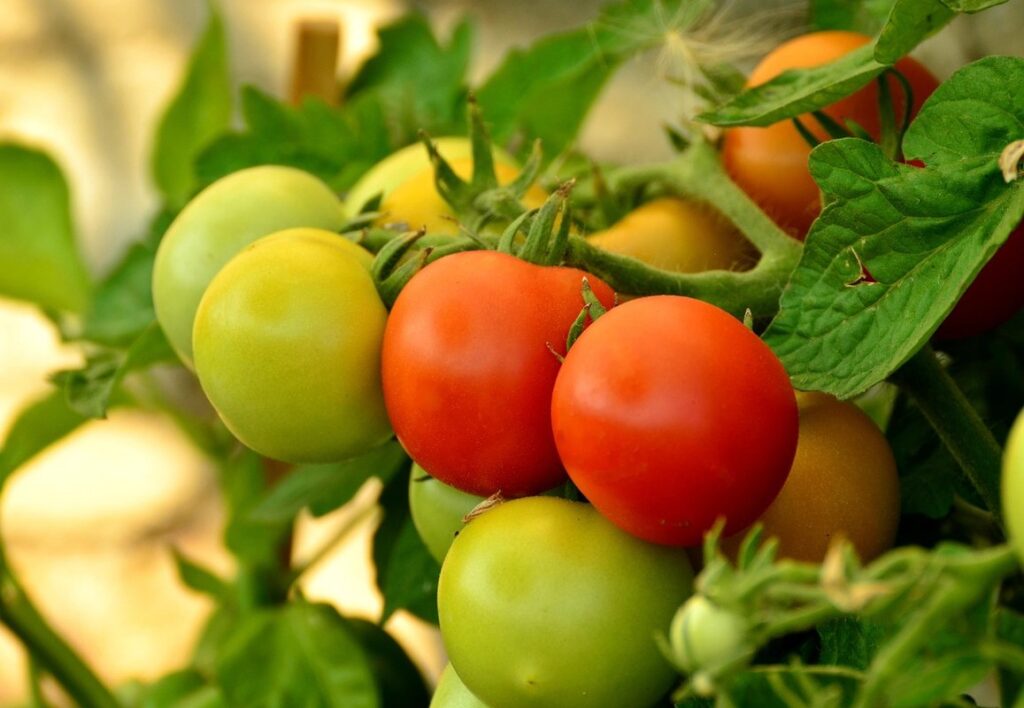
Introduction to Tomato Varieties
Let’s dive into the wonderful world of tomato varieties, as we explore the many shapes, sizes, and flavors that make each one unique and perfect for different tastes. From cherry tomatoes to beefsteaks!
Brief History of Tomatoes and Their Origins
Tomatoes have a rich and diverse history that spans thousands of years. Originating in South America, specifically present-day Peru, tomatoes were first domesticated by the Incas around 700 AD. The tomato plant was considered sacred to the Incas, who revered it for its nutritional value and medicinal properties.
From there, tomatoes spread throughout Central and South America, eventually reaching Europe via the Mediterranean trade routes. Initially, Europeans believed tomatoes to be poisonous due to their bright red color, which reminded them of deadly nightshade. However, as they became more widely cultivated, tomatoes gained popularity in Italian cuisine, where they were prized for their flavor and texture.
By the 19th century, tomatoes had become a staple crop across Europe and North America. They were introduced to Asia by British colonizers, who brought them back from their travels to South America. Today, tomatoes are one of the most widely cultivated crops globally, with over 70 million metric tons produced annually. This brief history highlights the incredible journey of the humble tomato plant, which has become an integral part of global cuisine and culture.
Importance of Understanding Tomato Types
Understanding the different types of tomato plants is crucial for gardeners, cooks, and enthusiasts alike. It’s essential to choose the right variety based on specific needs, whether it’s for a home garden, commercial farming, or culinary purposes.
The wrong choice can lead to disappointing yields, poor taste, or even unharvestable fruit. On the other hand, selecting the suitable variety can result in bountiful harvests, delectable flavors, and improved texture. For instance, cherry tomatoes are perfect for salads, sauces, and snacking due to their small size and bursting flavor.
Determinate varieties, on the other hand, are ideal for containers, as they grow bushy and compact, producing fruit all season long. Indeterminate types, however, require support and produce a continuous supply of fruits throughout the growing season. Heirloom varieties often have unique flavors and textures but may be more challenging to cultivate.
By understanding the characteristics of each type, gardeners can make informed decisions about which variety to plant in their garden or greenhouse. Cooks can explore new flavor profiles and recipes by using specific tomato types. Ultimately, knowing your tomatoes will elevate your gardening experience and enhance your culinary creations.
Determinate vs. Indeterminate Tomato Plants
When growing tomatoes, it’s essential to understand the difference between determinate and indeterminate plants, as they require distinct care and pruning techniques to thrive.
Characteristics of Determinate Tomatoes
Determinate tomatoes are known for their bush-like growth habit, making them an excellent choice for small gardens or containers. These plants grow to a fixed size, typically around 2-3 feet tall and wide, before producing fruit. This compact growth allows determinate varieties to thrive in areas with limited space.
One of the defining characteristics of determinate tomatoes is their high fruit production. Due to their bush-like structure, these plants direct their energy towards producing multiple small-to-medium-sized fruits. For example, ‘Patio’ and ‘Tiny Tim’ are popular determinate varieties that produce a large number of fruits throughout the growing season.
In terms of space requirements, determinate tomatoes are ideal for gardens with limited square footage. They don’t require staking or pruning, making them low-maintenance compared to indeterminate varieties. This compact growth habit also makes determinate tomatoes suitable for container gardening and indoor spaces with controlled temperature and light conditions.
Characteristics of Indeterminate Tomatoes
Indeterminate tomato plants are known for their vigorous and vining growth habit. Unlike determinate tomatoes, they continue to grow and produce fruit throughout the season, making them a popular choice among gardeners. This characteristic allows indeterminate tomatoes to take up more space as they require support from stakes or trellises.
To keep your indeterminate tomato plants healthy and productive, make sure to provide them with adequate support. Use tomato cages, trellises, or stakes to keep the vines upright and encourage even fruiting. You can also prune your indeterminate tomatoes regularly to promote bushy growth and prevent over-vining.
One of the benefits of growing indeterminate tomatoes is their continuous fruit production. As long as the plant receives adequate sunlight, water, and nutrients, it will continue to produce new flowers and fruits throughout the season. With proper care, you can enjoy a bountiful harvest from your indeterminate tomato plants for several months.
Keep in mind that indeterminate tomatoes require more maintenance than determinate varieties due to their vining growth habit and need for support. However, with the right care and attention, they can reward you with a high yield of delicious and flavorful fruits.
Heirloom vs. Hybrid Tomato Plants
When it comes to growing your own tomatoes, two popular options are heirloom and hybrid varieties – but which one is right for you? This section compares their characteristics and growth habits.
Characteristics of Heirloom Tomatoes
Heirloom tomatoes are prized for their exceptional characteristics that set them apart from other varieties. These unique features start with their flavors, which can range from sweet and tangy to rich and complex. Colors are equally diverse, with heirloom tomatoes coming in a wide array of hues like vibrant reds, deep purples, and even yellow or green.
One of the defining characteristics of heirloom tomatoes is their texture. Their flesh can be loose and juicy, or dense and meaty, making each bite a sensory experience. Another notable trait is their varying seed patterns – some have prominent ridges or bumps, while others are smooth to the touch.
Beyond their physical characteristics, heirloom tomatoes hold historical significance as well. Each variety has been cultivated over generations, often tied to specific regions or family traditions. For example, the famous Brandywine tomato is a popular heirloom that’s said to date back to the early 20th century. When growing your own heirlooms, you can tap into this rich heritage by learning about the unique stories and histories behind each variety.
Characteristics of Hybrid Tomatoes
Hybrid tomatoes have become increasingly popular among gardeners due to their numerous advantages over traditional varieties. One of the primary characteristics of hybrid tomatoes is their improved disease resistance. This is achieved through a process called “hybrid vigor,” where two high-performing parent lines are crossed to produce offspring with enhanced resistance to diseases such as fusarium wilt and nematodes.
Another notable characteristic of hybrid tomatoes is their increased yields. By selecting for desirable traits like large fruit size and high productivity, breeders have been able to create varieties that consistently produce more fruit than heirloom or open-pollinated types. For example, some popular hybrid tomato varieties can produce up to 100% more fruit than comparable heirloom varieties.
In addition to disease resistance and improved yields, hybrid tomatoes often exhibit uniform appearance. This means that plants will grow to a similar size and shape, making it easier for gardeners to manage their crops. This consistency also allows for better space planning in the garden. When selecting hybrid tomato varieties, consider factors like disease tolerance and climate adaptability to ensure optimal performance in your specific growing conditions.
Cherry vs. Beefsteak Tomato Plants
When it comes to selecting a tomato plant, two popular options are cherry and beefsteak varieties, each with distinct characteristics that set them apart from one another. Let’s take a closer look at these two types.
Characteristics of Cherry Tomatoes
When it comes to cherry tomatoes, one of their most defining characteristics is their compact size. They typically grow to be around 1-2 inches in diameter, making them perfect for snacking and adding to salads. This small stature also allows them to produce more fruit per plant than larger varieties.
Another notable characteristic of cherry tomatoes is their sweet flavor profile. Their high sugar content makes them a favorite among gardeners and cooks alike. They’re also relatively low maintenance, requiring less support as they grow due to their compact nature.
Cherry tomato plants are often known for their high yields, producing multiple harvests throughout the growing season. This means you can enjoy fresh, homegrown cherry tomatoes from your own backyard for months on end. To maximize yields, make sure to provide your plants with plenty of sunlight and maintain consistent watering schedules. By doing so, you’ll be enjoying a bounty of sweet, juicy cherry tomatoes in no time!
Characteristics of Beefsteak Tomatoes
Beefsteak tomatoes are one of the most popular and sought-after varieties among gardeners and chefs alike. These large-fruited tomatoes boast a rich, intense flavor that’s unmatched by many other types of tomatoes.
One of the defining characteristics of beefsteak tomatoes is their massive size. They can grow up to 1-2 pounds or more in weight, making them perfect for slicing and serving as a main ingredient in salads, sandwiches, and burgers. The larger size also means they’re often harvested later in the season, when the plants are fully mature.
However, this bigger size comes with a trade-off: beefsteak tomatoes have a lower yield compared to other varieties. You can expect to harvest around 5-10 fruits per plant, which is significantly less than cherry or Roma tomatoes. To make the most of your beefsteak tomato crop, it’s essential to provide them with optimal growing conditions, including plenty of sunlight, water, and nutrients.
In terms of flavor, beefsteak tomatoes are known for their dense, meaty texture and rich, slightly sweet taste. They’re perfect for slicing and serving raw or cooked in a variety of dishes, from pasta sauces to roasted vegetable medleys.
Patio vs. Vining Tomato Plants
When it comes to growing tomatoes, choosing between patio and vining tomato plants is a crucial decision that can make all the difference in your garden’s success. Let’s explore their key differences.
Characteristics of Patio Tomatoes
Patio tomatoes are a popular choice for home gardeners due to their compact growth habit and high yield. These plants typically grow between 12-18 inches tall and wide, making them perfect for small spaces such as patios, balconies, or containers. Their compact size also allows for easier support and pruning, which can lead to increased fruit production.
One of the notable characteristics of patio tomatoes is their small fruit size. They usually produce cherry-sized or smaller fruits that are bursting with flavor. This makes them ideal for snacking, salads, and sauces where a large amount of tomato flesh is required. In terms of yield, patio tomatoes can produce up to 10-15 pounds of fruit per season, making them a great choice for small-scale growers.
To maximize the yield of your patio tomatoes, it’s essential to provide them with enough sunlight (at least 6 hours of direct sunlight) and maintain consistent moisture levels. Regular pruning and training of the plant can also help promote healthy growth and increase fruit production. With proper care, you can enjoy a bountiful harvest from these compact and productive tomato plants.
Characteristics of Vining Tomatoes
Vining tomatoes are a popular choice among gardeners due to their high yields and versatility. One of the most distinctive characteristics of vining tomatoes is their spreading growth habit. They tend to grow wide rather than tall, often trailing along the ground or up trellises in search of support.
As they spread, vining tomatoes produce large fruit, sometimes weighing over a pound each. This sizeable harvest can be both a blessing and a curse, as it requires regular maintenance to prevent disease and pests from taking hold. To maximize yields and minimize stress on the plant, it’s essential to provide sturdy support, such as cages or tomato ladders.
When growing vining tomatoes, keep in mind that they require a relatively long season – at least 70 days – to mature. With proper care and support, however, these plants can thrive, producing an abundance of juicy fruit for fresh eating, cooking, or preserving. To ensure success with vining tomatoes, remember to prune them regularly to encourage horizontal growth and prevent the plant from becoming leggy.
When supporting your vining tomato plants, use a sturdy trellis that’s at least 5 feet tall to give them enough room to grow. You can also train the stems to climb up fences or walls for added support.
Specialized Tomato Plants
If you’re looking for something a bit more exotic, specialized tomato plants are perfect for adding some excitement to your garden. From cherry tomatoes on the vine to patio varieties.
Characteristics of Container Tomatoes
Container tomatoes are specifically bred to thrive in compact spaces, making them an excellent choice for gardeners with limited room. One of the defining characteristics of container tomatoes is their compact growth habit, which allows them to grow bushy and produce a high yield without taking up too much space.
In terms of fruit size, container tomatoes typically produce smaller fruits than their indeterminate counterparts, but this doesn’t necessarily mean they have less flavor or quality. In fact, many varieties are bred specifically for their intense flavor and compact growth habit. For example, the ‘Tiny Tim’ variety produces small cherry-sized fruits that pack a punch when it comes to taste.
When grown in containers, container tomatoes can produce up to 2-3 times more fruit than those grown in the ground due to their unique root system. This is because they are not limited by soil depth and can absorb nutrients more efficiently. To get the most out of your container tomatoes, be sure to provide them with a balanced fertilizer and plenty of sunlight.
Characteristics of Patio and Vertical Tomatoes
Patio and vertical tomatoes have revolutionized home gardening by offering unique growing systems that conserve space while maximizing yields. These compact plants thrive in small spaces, making them perfect for balconies, patios, and even indoor containers.
Their space-saving benefits are due to their short stature, typically ranging from 1-3 feet tall, compared to standard indeterminate tomatoes which can grow up to 6 feet or more. This makes them ideal for container gardening and urban agriculture. Patio and vertical tomatoes also require minimal support, as they produce fruit along the stem, reducing the need for pruning and training.
In terms of yields, patio and vertical tomatoes are surprisingly productive. They often produce 10-20 pounds of fruit per season, rivaling the output of larger indeterminate varieties. With proper care, including adequate sunlight, water, and nutrients, these compact plants can thrive in small spaces, making them an excellent choice for gardeners with limited room to spare.
Growing and Caring for Tomato Plants
To ensure your tomatoes thrive, it’s essential to learn how to grow and care for them properly. This involves providing optimal growing conditions and regular maintenance tasks.
Tips for Planting and Nurturing Tomato Plants
When it comes to growing and caring for tomato plants, proper planting and nurturing techniques are crucial for a bountiful harvest. To start, choose a spot with full sun (at least 6 hours of direct sunlight) and well-draining soil that’s rich in organic matter.
Before planting, prepare the soil by loosening it to a depth of about 12 inches. Add a mix of compost or well-rotted manure to improve its fertility and drainage properties. For a raised bed or container garden, use a high-quality potting mix specifically designed for tomato plants.
When transplanting seedlings, avoid disturbing their roots as much as possible. Gently remove them from their containers and place them in the prepared soil at the same depth they were previously growing. Water thoroughly after planting to settle the soil around the roots.
To ensure consistent moisture levels, water your tomatoes deeply once or twice a week, depending on weather conditions. Avoid overhead watering, which can lead to fungal diseases; instead, use soaker hoses or water at the base of the plants.
Fertilize your tomato plants regularly using a balanced fertilizer (10-10-10 N-P-K). Side-dress with a high-phosphorus fertilizer (15-30-15 N-P-K) when they start producing fruit to promote healthy growth and development. Remove lower leaves that touch the soil to prevent disease from spreading, and prune indeterminate varieties regularly to encourage bushy growth.
Some specialized tomato varieties require additional care. For example, ‘Patio’ or ‘Tiny Tim’ cherry tomatoes benefit from trellising for better support, while larger varieties like ‘Beefsteak’ need staking to prevent toppling over in the wind. By following these tips and tailoring your approach to your specific variety’s needs, you’ll be on your way to a thriving tomato garden.
Frequently Asked Questions
What’s the best way to choose a tomato variety for my garden?
When selecting a tomato variety, consider your climate, available space, and personal preferences. If you have limited space, compact determinate varieties like Patio or Tiny Tim are great options. For warmer climates, heat-tolerant varieties like Roma or Cherry Tomatoes can thrive. Think about the flavor profile you desire: sweet and small (cherry tomatoes), meaty and juicy (beefsteak tomatoes), or versatile for sauces (Roma tomatoes).
Can I grow multiple tomato varieties together in a single garden bed?
While it’s possible to grow different types of tomatoes in one bed, ensure they have similar growing requirements. Mixing determinate and indeterminate plants can create competition for resources like sunlight and nutrients. Consider creating separate beds for each type or using raised beds with dividers to promote healthy growth.
How do I know if my tomato plant is a determinant or indeterminate variety?
Check the plant’s growth habit: determinate varieties grow bushy and compact, while indeterminate plants produce long vines that require support. You can also refer to the seed packet or consult online resources for specific guidance on your plant’s type.
Can I use containers for growing tomato plants, especially patio or vining types?
Yes! Containers are an excellent option for small-space gardens or for growing patio and vining tomato varieties. Use a large container (at least 12-14 inches deep) with good drainage to accommodate the root system of indeterminate tomatoes. Make sure your container is at least 5-6 feet off the ground to prevent disease transmission.
What’s the best way to protect my tomato plants from pests and diseases?
Implement Integrated Pest Management (IPM) techniques, such as crop rotation, companion planting, and removing weeds that can harbor pests or diseases. Regularly inspect your plants for signs of damage, and use organic pest control methods whenever possible. Keep your garden bed clean, and avoid overhead watering to minimize fungal growth.