
If you’re anything like me, you’ve likely had your fair share of bland, store-bought spinach. But with so many varieties to choose from, it’s easy to elevate your salads and meals with a few simple swaps. From its rich history as a ancient crop to its modern-day popularity in health-conscious households, spinach has earned its place as a nutritional powerhouse. But did you know that not all spinach is created equal? With different types offering varying degrees of leaf shape, growth habit, seasonality, disease resistance, and pest tolerance, the possibilities are endless for gardeners looking to grow their own.
This article will delve into the world of spinach diversity, exploring the many types available and providing a comprehensive guide on how to grow and care for them in your garden. Whether you’re a seasoned green thumb or just starting out, this article aims to help you make informed choices about which spinach varieties are right for you, so you can start enjoying the freshest, most flavorful greens possible.
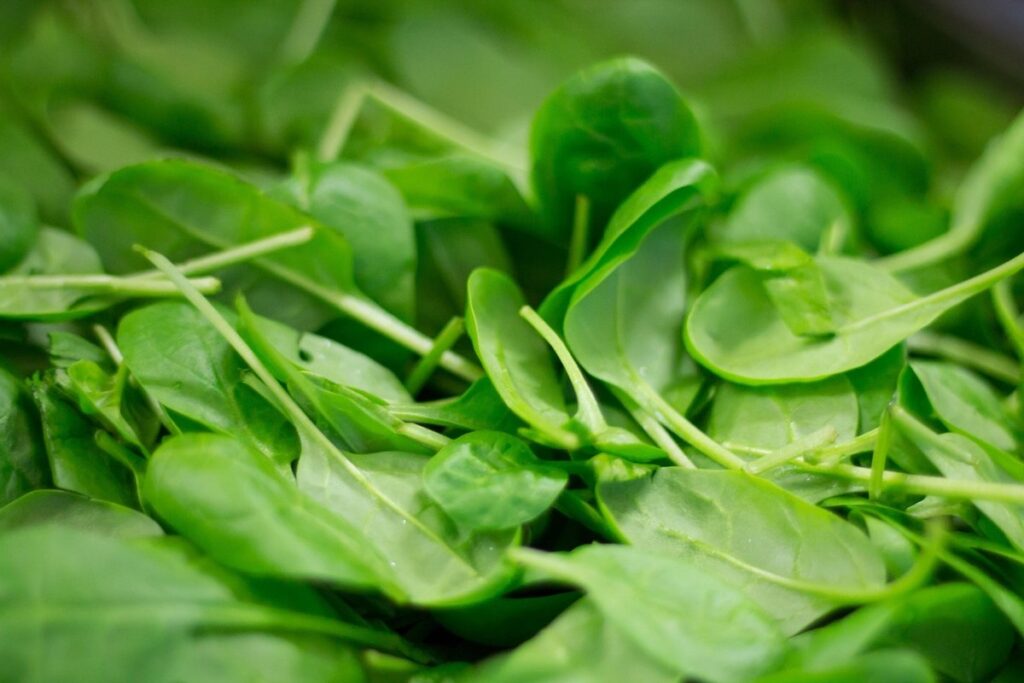
Types of Spinach Based on Leaf Shape and Size
Now that we’ve explored the different varieties of spinach based on their growing habits, let’s take a closer look at the various shapes and sizes of leafy spinach leaves.
Large Leaf Spinach Varieties
If you’re looking to grow a large leaf spinach variety, there are several popular options to consider. ‘Tyee’ is a favorite among gardeners and chefs alike, with its huge leaves reaching up to 6 inches in diameter. This variety has a mild flavor and tender texture, making it ideal for salads and sautéing.
Another option is ‘Space’, which produces leaves that are just as large as ‘Tyee’s but have a slightly different shape. The leaves on this variety are more elliptical and have a slightly wavy edge. ‘Red Cardinal’ is another popular choice, with its striking red veins adding a pop of color to any dish.
In terms of growth habits, these varieties tend to be slower to mature than smaller leaf types but produce larger yields over time. This makes them a great option for gardeners who want to harvest spinach over an extended period. When choosing which large leaf variety to grow, consider the space you have available in your garden and how you plan to use the harvested leaves.
Small Leaf Spinach Varieties
If you’re looking to grow spinach with smaller leaves, several varieties stand out for their compact growth habits and delicious flavor profiles. Among these, ‘Matador’ is a popular choice known for its tender leaves and mild sweetness. Grown in ideal conditions, this variety can mature in as little as 30 days.
Another option is ‘Fiesta’, which boasts an intense red color on the stems and veins of its medium-green leaves. This adds visual appeal to salads and other dishes while maintaining a relatively low profile due to its smaller leaf size.
A third contender for small-leaf spinach varieties is ‘Redwing’. Notably, this variety has a more delicate flavor than others in the same category, making it an excellent choice for those looking to avoid overpowering flavors in their cooking. When grown in partial shade and well-drained soil, ‘Redwing’ can thrive while resisting bolting.
Each of these varieties offers unique advantages, so consider the specific growing conditions and desired flavor profiles when choosing between them.
Baby Leaf Spinach Varieties
Baby leaf spinach varieties are specifically bred for harvesting young leaves at an early stage of growth. This unique characteristic makes them ideal for salads and other dishes where small, delicate leaves are preferred. Two popular baby leaf spinach varieties are ‘Rainbow’ and ‘Emerald’.
These varieties offer several benefits for gardeners and chefs alike. They mature rapidly, typically in 20-30 days, allowing for multiple harvests throughout the growing season. Their compact growth habit makes them suitable for container gardens or small plots of land. Moreover, baby leaf spinach varieties tend to be more resistant to bolting (premature flowering) than other types of spinach, ensuring a longer harvest period.
When growing baby leaf spinach, it’s essential to plant the seeds densely and keep the soil consistently moist. This will encourage the plants to grow quickly and produce multiple flushes of leaves. Use scissors or pinch off individual leaves to prevent the plants from flowering and promote continuous growth. By following these simple tips, you can enjoy a steady supply of fresh baby leaf spinach throughout the season.
Types of Spinach Based on Growth Habit
Whether you’re a seasoned gardener or just starting out, understanding spinach growth habits is key to successfully cultivating these nutritious greens at home. Let’s explore how spinach varieties differ in their growth patterns.
Upright Spinach Varieties
Upright spinach varieties are perfect for growers who want to maximize their harvest space. These tall plants can grow up to 12-18 inches in height, making them ideal for cut-and-come-again harvesting methods.
Take ‘Tyee’ and ‘Red Cardinal’, two popular upright spinach varieties that excel in this area. Both of these varieties are known for their robust growth habit, with thick stems that can support a high yield of leaves. By regularly pinching off the flower buds, you’ll encourage the plants to focus their energy on producing more leaves rather than seeds.
To care for your upright spinach plants, make sure they receive plenty of sunlight (at least 4-6 hours per day) and consistent moisture levels. Keep the soil consistently moist but not waterlogged, as this can lead to root rot. With proper care, these varieties will reward you with a continuous harvest of tender leaves that are perfect for salads, smoothies, or sautéing.
Trailing Spinach Varieties
When it comes to growing spinach in small spaces, trailing varieties are perfect for containers and hanging baskets. Take ‘Space’ and ‘Fiesta’, for instance – these spreading plants don’t take up much room but produce plenty of leaves.
For a container garden, ‘Space’ is an excellent choice. It has a compact growth habit and can thrive in depths as shallow as 6-8 inches. This variety is ideal for small pots or hanging baskets where the spinach will spill over the edges. The ‘Fiesta’ variety also spreads out, making it suitable for containers and hanging baskets. However, it requires slightly more space, with a minimum depth of 10-12 inches.
Both varieties are great for adding a burst of color to your garden. ‘Space’ produces bright green leaves, while ‘Fiesta’ offers a mix of emerald and golden-green foliage. Plus, they mature relatively quickly – in about 30-40 days, you’ll have a crop ready to harvest. To get the most out of these trailing varieties, be sure to provide them with well-draining soil and partial shade, especially during hot weather.
When growing ‘Space’ or ‘Fiesta’, keep in mind that they’re more susceptible to diseases like powdery mildew due to their spreading habit. Regularly inspect your plants for signs of disease, and take action promptly if you notice any issues.
Types of Spinach Based on Seasonality
When it comes to choosing the perfect spinach for your garden, knowing when and where different types thrive is crucial. Let’s explore how seasonality affects various types of spinach.
Spring and Summer Spinach Varieties
Spring and summer are ideal seasons to grow spinach, with mild temperatures and ample sunlight providing optimal conditions for this cool-season crop. For these seasons, you can opt for some popular varieties like ‘Tyee’ and ‘Red Cardinal’, which offer distinct characteristics that cater to different needs.
‘Tyee’ is a popular choice for its robust growth and high yields, making it suitable for commercial growers or those looking to harvest spinach on a larger scale. To plant ‘Tyee’, sow seeds 2-3 weeks before the last frost date in your area, when soil temperature reaches around 40°F (4°C). Keep the soil consistently moist during germination and establishment.
On the other hand, ‘Red Cardinal’ is perfect for gardeners who want to add a pop of color to their salads. This variety boasts deep red leaves that retain their vibrant color even after cooking. Plant ‘Red Cardinal’ seeds 1-2 inches apart in well-draining soil with a pH between 6.0 and 7.0.
For both varieties, it’s essential to provide partial shade during the hottest part of the day to prevent scorching. Regular watering, fertilization, and pest management will ensure healthy growth and bountiful harvests. Harvest spinach when leaves are young and tender, usually within 20-30 days after planting.
Fall and Winter Spinach Varieties
If you’re planning to cultivate spinach during the cooler months of fall and winter, there are several varieties that can thrive under these conditions. ‘Matador’ is a popular choice for its cold hardiness and ability to withstand light frosts. This variety can be harvested continuously by removing individual leaves as needed.
Another option is ‘Emerald’, which offers excellent resistance to pests and diseases common during this time of year. To ensure success with either variety, it’s essential to provide them with the right growing conditions. This includes a spot that receives partial shade and has well-draining soil with a pH between 6.0 and 7.0.
When overwintering spinach, make sure to mulch around the base of the plants to protect them from extreme temperatures and frost damage. Regular watering is also crucial during this period, as the cold weather can cause the soil to dry out quickly. By following these guidelines and choosing the right variety for your needs, you can enjoy a steady supply of fresh spinach even through the winter months.
Types of Spinach Based on Disease Resistance
Some spinach varieties are bred specifically for their ability to resist certain diseases, making them a great choice for gardeners who want low-maintenance crops. Let’s explore the types of spinach that offer this extra layer of protection.
Disease-Resistant Spinach Varieties
Spinach lovers often face the frustration of watching their crop succumb to disease. However, with the right variety selection, you can significantly reduce this risk. One excellent option is to choose disease-resistant spinach varieties, which have been bred specifically to withstand common afflictions like downy mildew and powdery mildew.
Take ‘Rainbow’ as an example – a popular, high-yielding variety that boasts impressive resistance to these two major diseases. This spinach type has undergone rigorous testing and development, making it an excellent choice for growers who want to minimize the risk of disease-related losses. Its vibrant coloration also adds visual appeal to salads and cooking dishes.
Another reliable option is ‘Redwing’, which excels in its ability to resist powdery mildew while still delivering high-quality leaves. This variety has been specifically bred for organic farming, making it a great choice for growers who follow sustainable practices.
If you’re new to growing spinach or struggling with disease issues, incorporating these varieties into your rotation can be a game-changer. To make the most of their benefits:
* Make sure to plant multiple rows and varieties in the same bed to promote air circulation and reduce humidity.
* Maintain optimal soil moisture levels and avoid overwatering, which can exacerbate diseases.
* Use crop rotation techniques to break disease cycles and create healthier growing conditions.
By choosing disease-resistant spinach varieties like ‘Rainbow’ and ‘Redwing’, you’ll be better equipped to tackle the challenges of spinach cultivation. With their robust health and high yields, these options are an excellent addition to any spinach enthusiast’s toolkit.
Types of Spinach Based on Pests Tolerance
When growing spinach, it’s essential to consider which types are most tolerant of common pests that can damage your crop, such as aphids and slugs. Let’s explore the different varieties of spinach plants and their pest-fighting abilities.
Pest-Tolerant Spinach Varieties
When it comes to growing spinach, one of the biggest challenges gardeners face is dealing with pests that can damage the crop. However, some spinach varieties have been bred to be more resistant to certain types of pests, making them a great choice for gardeners who want to reduce their pesticide use. Two popular pest-tolerant spinach varieties are ‘Fiesta’ and ‘Space’.
These varieties exhibit natural resistance to pests such as slugs, snails, and aphids, which can cause significant damage to spinach plants. For example, ‘Fiesta’ has been shown to have a high level of resistance to aphids, which can spread disease from plant to plant if left unchecked. This makes it an excellent choice for gardeners who want to grow spinach without using pesticides.
But how do these varieties achieve their pest-tolerant traits? The answer lies in the way they’ve been bred. ‘Fiesta’ and ‘Space’ have been developed through a process called marker-assisted selection, which allows breeders to identify genes that confer resistance to pests. This means that gardeners can choose varieties that are specifically resistant to the types of pests they’re most likely to encounter.
If you’re interested in growing pest-tolerant spinach varieties like ‘Fiesta’ and ‘Space’, here are a few tips to keep in mind:
* Make sure to plant them in well-draining soil, as this can help prevent pests from being attracted to your crop.
* Keep an eye out for other pests that may be present in your garden, such as caterpillars or flea beetles, and take action if necessary.
* Consider using companion planting techniques to encourage beneficial insects that prey on pests.
* Monitor your plants regularly for signs of pest damage, and take action quickly if you notice any problems.
By choosing pest-tolerant spinach varieties like ‘Fiesta’ and ‘Space’, gardeners can enjoy a healthier and more sustainable crop.
Additional Considerations for Growing Different Types of Spinach
When growing different types of spinach, it’s essential to consider their unique needs. For example, Tyee and Space spinach varieties are more resistant to bolting than other types, but they still require consistent moisture and a cooler climate to thrive. In contrast, Typhoon and Matador spinach varieties have a higher tolerance for heat, making them ideal for warmer climates. To ensure optimal growth, be mindful of the temperature fluctuations in your area and adjust your growing schedule accordingly.
Additionally, some spinach varieties are more prone to disease than others. For instance, ‘Perpetual Spinach’ is susceptible to root rot if the soil is too moist. Keep a close eye on your plants and take action promptly if you notice any signs of disease or pests. Regularly inspecting your plants will help you catch potential issues before they spread and cause significant damage.
Finally, consider the maturity rate when choosing spinach varieties. Some types, such as ‘Tyee’, mature in just 20 days, while others may take up to 40 days to reach full production. Knowing the maturity rate of your chosen variety will allow you to plan for harvests accordingly and make the most of your crop’s yield.
Frequently Asked Questions
How do I choose the right type of spinach for my climate?
When selecting a type of spinach, consider your local climate and growing conditions. If you live in an area with hot summers or frosty winters, opt for varieties that are resistant to heat stress or can tolerate cooler temperatures. Some popular options include ‘Tyee’ for its ability to thrive in warm weather and ‘Space’ for its cold hardiness.
Can I grow multiple types of spinach at the same time?
Yes! Spinach is a cool-season crop, making it an excellent choice for succession planting. You can sow multiple varieties at different times to ensure a continuous harvest throughout the growing season. This strategy allows you to take advantage of the unique characteristics of each type, such as different leaf shapes and sizes.
How do I prevent pests from damaging my spinach plants?
To minimize pest damage, maintain good garden hygiene by removing weeds and debris that can attract pests. Keep your spinach beds well-watered, but not waterlogged, as this can lead to root rot and other issues. Regularly inspect your plants for signs of infestation and take action promptly if you notice any problems.
Can I grow baby leaf spinach in the winter months?
Yes! Baby leaf spinach is a great option for winter gardens, as it matures quickly and can be harvested before the first frost. Look for varieties like ‘Red Cardinal’ or ‘Space’, which are specifically bred for their cold hardiness and fast growth rates.
How do I store my freshly harvested spinach to keep it fresh longer?
To extend the shelf life of your spinach harvest, store it in a cool, dry place with high humidity. You can also freeze or blanch the leaves to preserve them for later use. Simply wash and dry the leaves, then pack them into airtight containers or freezer bags to enjoy throughout the year.