
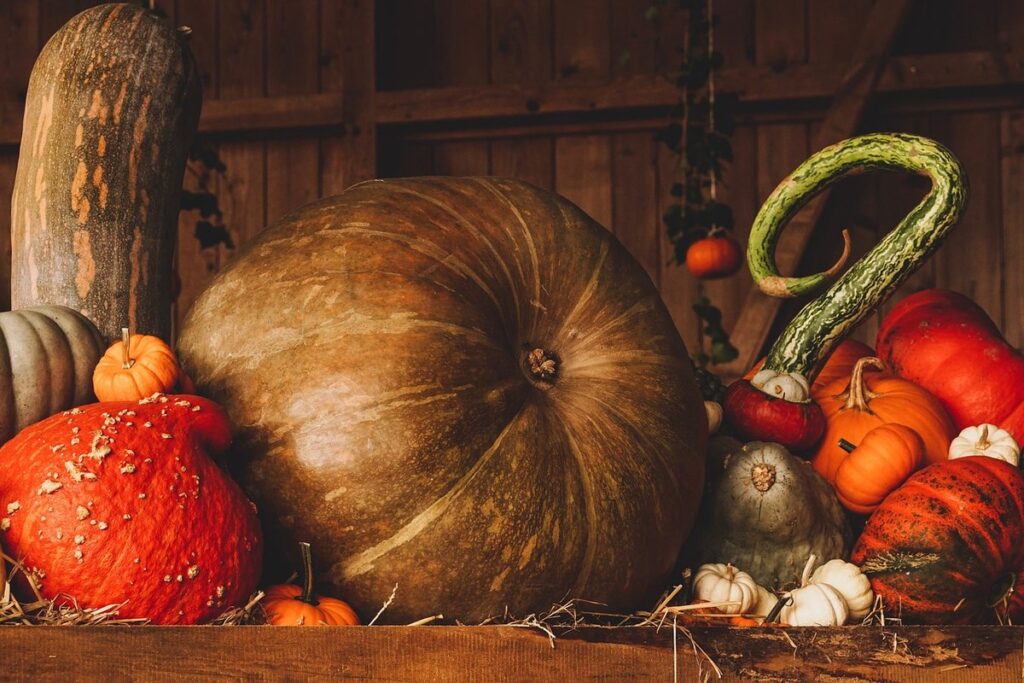
Pumpkins are one of those incredible fruits (yes, they’re technically a fruit!) that come in an astonishing array of shapes, sizes, and varieties. Whether you’re a seasoned gardener or just starting to get into fall decor, it’s hard not to be excited about the endless possibilities with pumpkins. From classic round pumpkins perfect for carving jack-o’-lanterns to unique acorn-shaped ones that add a whimsical touch to your porch, each type of pumpkin has its own special benefits and uses.
In this article, we’ll take you on a journey through some of the most popular types of pumpkins out there. You’ll discover how different shapes and sizes can affect growth patterns, as well as their unique uses in cooking, decorating, and even skincare (yes, really!). Whether you’re looking for ideas to elevate your fall decor or simply want to learn more about these incredible gourds, keep reading to explore the vast world of pumpkins.
History and Origin of Pumpkins
Pumpkins have been a staple crop for thousands of years, originating from North America where they were highly valued by Native American tribes. Let’s dive into their fascinating history!
Ancient Cultivation Methods
Pumpkins have been a staple crop for thousands of years, with ancient civilizations discovering their value as a food source and using them in various ways. The oldest evidence of pumpkin cultivation dates back to around 7,000-10,000 years ago in Mexico and South America.
In these early days, pumpkins were primarily used for their seeds, which provided a rich source of protein and oil. The indigenous people would dry and grind the seeds into flour or press them for their oil content. They also made use of pumpkin leaves, stems, and flowers as a cooked vegetable or added to soups.
To grow these early varieties, farmers employed simple yet effective techniques. They would carefully select plots with suitable soil conditions, using natural mulches like straw or pine needles to retain moisture and suppress weeds. By observing the growth patterns of wild pumpkins, they learned how to nurture them into productive plants, often employing a technique called ” companion planting” where different crops were grown together to optimize space and pest control.
As civilizations developed and trade routes expanded, new varieties emerged, reflecting regional preferences and climate adaptations. These early cultivation methods not only laid the groundwork for modern pumpkin farming but also demonstrate the resourcefulness of our ancestors in harnessing this versatile crop’s potential.
Early Domestication and Hybridization
The early domestication and hybridization of pumpkins is a fascinating story that spans thousands of years. It’s believed that pumpkins originated from a species called Cucurbita moschata, which was first domesticated by the indigenous people of Mexico and Central America around 7,000 to 10,000 years ago. These early farmers selectively bred plants with desirable traits such as larger fruit, sweeter flavor, and easier cultivation.
As pumpkins were introduced to new regions, they were further hybridized with other Cucurbita species, leading to the incredible diversity of shapes, sizes, and colors we see today. This process of selective breeding allowed farmers to adapt pumpkins to different climates, soil types, and market demands. For example, in Europe, pumpkins were bred for their compact size and early maturity, while in Asia, they were developed for their vibrant orange color and sweet flavor.
However, this process also had its challenges, such as the loss of genetic diversity and increased susceptibility to disease. Modern farmers are now working to preserve traditional pumpkin varieties and promote sustainable breeding practices to ensure a healthy and resilient crop.
Types of Pumpkins Based on Shape
When it comes to pumpkins, their shape is just as unique as its flavor and texture. In this section, we’ll explore some popular types based on their distinctive shapes.
Round and Oval-Shaped Pumpkins
Round and oval-shaped pumpkins are some of the most versatile and widely used varieties. Their symmetrical shape makes them perfect for decoration, adding a touch of elegance to porches, patios, and tables. For cooking enthusiasts, these pumpkins are a delight as they have fewer seeds and stringy fibers compared to other types, making them easier to scoop out and cook.
When it comes to carving, round and oval-shaped pumpkins are the preferred choice for their smooth surface and even shape. Their symmetrical design also allows for more intricate carvings, creating stunning patterns and designs that add a personal touch to any display.
In terms of size, these pumpkins can range from small to large, making them suitable for various occasions and uses. For example, smaller round pumpkins are ideal for individual decoration or as a centerpiece, while larger ones can be used for elaborate displays or even as a statement piece in a room.
Acorn and Turban-Shaped Pumpkins
Acorn and turban-shaped pumpkins are two unique varieties that have gained popularity in recent years. These pumpkins owe their names to their distinctive shapes – acorn due to its elongated, pointed shape resembling the nut, and turban for its long, curved stem resembling a traditional Indian headgear.
When it comes to selecting an acorn or turban-shaped pumpkin, consider the space you have available. Both varieties require minimal support as they are relatively smaller in size compared to other types of pumpkins. This makes them perfect for small gardens or containers on a balcony.
Their unique shapes make them ideal for decorating purposes. Use acorn-shaped pumpkins as centerpieces or group them together with other fall-themed decorations like corn stalks and leaves. Turban-shaped pumpkins, on the other hand, can be used to create stunning displays by placing them in front of a backdrop or using them as a base for DIY arrangements.
In terms of cooking, both varieties are edible but have different flavor profiles due to their varying sizes and shapes. Acorn pumpkins tend to be sweeter and smaller, making them suitable for baking and roasting.
Types of Pumpkins Based on Size
When it comes to growing or decorating your garden, knowing the different sizes of pumpkins is crucial. Let’s dive into the various types based on their impressive range of sizes!
Large and Small Varieties
When it comes to pumpkins, size truly matters. While both large and small varieties have their own unique charm, they serve different purposes and are suited for various applications.
Large pumpkin varieties, such as the Atlantic Giant and Big Max, can grow up to 200 pounds or more. These massive gourds are often used for decorative purposes, such as giant pumpkins displayed at festivals and competitions. However, they’re not ideal for cooking due to their thick skin and dense flesh, which can be challenging to cut through.
On the other hand, small pumpkin varieties like Jack Be Little and Baby Boo weigh in at around 5-10 pounds. These adorable pumpkins are perfect for cooking, as they have a tender skin and sweet, compact flesh. They’re also ideal for decorating, adding a whimsical touch to your fall displays.
Consider using large pumpkins as a centerpiece or focal point for your Halloween decorations, while smaller varieties can be used as accent pieces or even as edible decorations on cakes and pies.
Miniature and Baby Pumpkin Varieties
Miniature and baby pumpkin varieties have become increasingly popular among gardeners due to their compact growth patterns and versatility. These small pumpkins are ideal for smaller gardens, containers, or decorative arrangements. They typically weigh between 1-5 pounds and measure around 4-8 inches in diameter.
One of the main advantages of growing miniature and baby pumpkins is that they require less space and resources compared to larger varieties. This makes them perfect for urban gardeners or those with limited garden space. For example, the ‘Baby Boo’ variety grows up to 6 inches in diameter and weighs about 2 pounds, making it an excellent choice for small gardens.
In addition to their compact growth habit, miniature and baby pumpkins are often used for decorative purposes. They come in a range of colors, shapes, and sizes, adding a unique touch to fall arrangements or centerpieces. Some popular varieties include ‘Jack Be Little’, ‘Baby Bear’, and ‘Sugar Pie’. When selecting a miniature pumpkin variety, consider factors such as the specific growing conditions required and the intended use for the fruit. This will ensure you choose the best variety for your needs.
Types of Pumpkins Based on Skin Color and Patterns
Pumpkins come in a stunning array of skin colors, from creamy whites to deep blues and vibrant oranges. Let’s dive into some of the most striking patterns and colors you’ll find!
White and Yellow Pumpkin Varieties
White pumpkins have been gaining popularity in recent years due to their unique appearance and potential health benefits. They are a type of winter squash with a hard, smooth skin that ranges in color from pure white to pale cream. One of the main advantages of growing or using white pumpkins is their high water content, which makes them an excellent addition to soups, stews, and other dishes where moisture is essential.
Some popular varieties of white pumpkins include ‘Baby Boo’ and ‘White Beauty’, both known for their sweet, nutty flavor. When selecting a white pumpkin variety, consider factors such as the desired size, shape, and seasonality. For example, ‘Baby Boo’ is a compact variety that matures in about 100 days, while ‘White Beauty’ takes around 120 days to reach full maturity.
In terms of health benefits, pumpkins are an excellent source of fiber, vitamins, and minerals. White pumpkins are also high in antioxidants, which can help protect against cell damage and inflammation. To incorporate white or yellow pumpkins into your diet, try roasting them as a side dish, pureeing them for soups or sauces, or using them in baked goods like pies and breads.
Orange and Pink Pumpkin Varieties
Orange and pink pumpkin varieties have been gaining popularity in recent years, with many growers and enthusiasts discovering their unique characteristics and uses. One of the most notable features of these varieties is their vibrant coloration, which ranges from soft pastels to bold, saturated hues.
For example, the ‘Pink Banana’ variety boasts a delicate, pale pink skin that’s perfect for decorative arrangements. Its sweet, nutty flavor makes it an excellent choice for soups and stews. On the other hand, the ‘Cinderella Pink’ pumpkin features a stunning blend of pink and orange stripes, adding visual interest to any fall display.
As the demand for unique and colorful pumpkins continues to grow, many growers are turning to heirloom varieties that showcase their natural beauty. To incorporate these gorgeous gourds into your garden or decor, look for seed packets from reputable suppliers or check with local nurseries for availability. With proper care and handling, orange and pink pumpkin varieties can add a pop of color and whimsy to any fall celebration.
Types of Pumpkins Based on Edibility
When it comes to enjoying a pumpkin, some varieties are perfect for baking and cooking, while others are best for decoration or carving. We’ll explore these edible options below.
Sweet and Ornamental Pumpkins
If you’re looking for pumpkins that add a touch of sweetness and beauty to your garden or table, sweet and ornamental pumpkins are excellent choices. While both types share similarities, they have distinct differences when it comes to edibility, growth patterns, and usage.
Sweet pumpkins are, as the name suggests, edible and perfect for cooking and baking. They’re usually smaller in size compared to other varieties, with a sweeter, softer flesh that’s ideal for pies, soups, and roasted dishes. Ornamental pumpkins, on the other hand, are grown primarily for their vibrant colors, unique shapes, and decorative appeal. While some ornamental pumpkins can be eaten, they’re not as sweet or palatable as sweet pumpkins.
When it comes to health benefits, both types offer unique advantages. Sweet pumpkins are rich in vitamins A and C, potassium, and fiber, making them an excellent addition to a healthy diet. Ornamental pumpkins also contain these nutrients but may have a lower water content, making them denser and potentially higher in antioxidants.
If you’re interested in growing sweet or ornamental pumpkins for food purposes, choose a sunny spot with well-draining soil. Plant seeds 1 inch deep in late spring to early summer, depending on your climate. Water regularly, but avoid overwatering, which can lead to fungal diseases and poor growth.
Cooking and Baking Pumpkin Varieties
When it comes to cooking and baking with pumpkins, choosing the right variety can make all the difference. Among the many types of edible pumpkins, some stand out for their unique characteristics that make them ideal for specific recipes.
For instance, ‘Sugar Pie’ pumpkins are a popular choice for pies due to their sweet, fine-grained flesh and compact size. They’re perfect for baking whole and require minimal preparation. On the other hand, ‘Cinderella’ pumpkins are larger in size with a slightly sweeter flavor than Sugar Pies. Their symmetrical shape makes them ideal for carving jack-o’-lanterns or roasting as a side dish.
For making purees, ‘Kentucky Field’ and ‘Long Island Cheese’ varieties are great options. They have a higher water content which makes cooking time faster and results in a smooth puree perfect for soups, sauces, or baked goods.
Conclusion and Recommendations
Now that we’ve explored the different types of pumpkins, let’s summarize our findings and provide some practical recommendations for choosing the perfect pumpkin for your needs.
Choosing the Right Type of Pumpkin
When it comes to selecting the perfect pumpkin for your needs, several key factors come into play. Consider your climate and whether you live in a region with warm summers or cool winters. For example, if you’re in a warmer climate, look for pumpkin varieties that mature quickly, such as ‘Baby Boo’ or ‘Jack Be Little’, which take around 60-90 days to ripen. In contrast, cooler climates are ideal for larger, longer-season pumpkins like ‘Atlantic Giant’ or ‘Cinderella’, which require more time to mature.
Another crucial factor is the available space in your garden. If you have limited room, compact varieties like ‘Sweetie Pie’ or ‘Sugar Pie’ are perfect for small spaces and produce delicious fruit within 90-120 days. On the other hand, if you have a larger area, you can grow more substantial pumpkins like ‘Connecticut Field’ or ‘Blue Hubbard’, which take around 120-150 days to ripen.
Lastly, think about how you plan to use your pumpkin. Are you looking for carving, cooking, or decoration? Each type has its own characteristics and uses, so choose one that suits your purpose.
Future Trends in Pumpkin Cultivation and Consumption
As we’ve explored various types of pumpkins, it’s essential to consider the future trends that will shape this market. Emerging innovations and shifting consumer preferences are set to transform pumpkin cultivation, processing, and consumption.
One notable trend is the increasing demand for sustainable and eco-friendly pumpkin production. Consumers are becoming more environmentally conscious, driving the need for organic and locally sourced pumpkins. This shift has led to a rise in regenerative agriculture practices, which prioritize soil health, biodiversity, and efficient water use.
Another area of growth is value-added products derived from pumpkins. Beyond fresh produce, pumpkins are being used to create an array of innovative goods, such as pumpkin-infused oils, soaps, and even functional foods like pumpkin-based protein powders. These products cater to the growing interest in plant-based nutrition and wellness.
In terms of processing, there’s a trend towards adopting advanced technologies, like precision agriculture and data analytics, to optimize pumpkin yields, reduce waste, and enhance quality control. As consumers seek out unique flavors and textures, producers must adapt by experimenting with new varieties, production methods, and post-harvest handling techniques.
Frequently Asked Questions
How do I choose the right pumpkin variety for my garden’s climate?
When selecting a pumpkin variety, consider your region’s temperature and moisture levels to ensure optimal growth. For example, if you live in a hot and dry area, choose varieties with drought tolerance like ‘Jarrahdale’ or ‘Lumina’. Consult local nurseries or online resources for specific recommendations tailored to your climate.
Can I grow pumpkins in containers?
Yes, you can grow pumpkins in containers provided they have a large enough space (at least 5-gallon capacity) and good drainage. Use a well-draining potting mix, provide full sun, and ensure the container is at least 6-8 feet off the ground to prevent fungal diseases.
How do I store pumpkins for long-term use?
To keep pumpkins fresh throughout the year, store them in a cool, dry place with good ventilation. Avoid direct sunlight and moisture, which can cause rot. You can also cure pumpkins by placing them in a warm (around 80°F) area for a few weeks to harden their rind.
Can I use pumpkin varieties as food and decoration?
Many types of pumpkins are edible, but it’s essential to distinguish between ornamental and cooking varieties. For example, ‘Jack Be Little’ and ‘Baby Boo’ are popular for decoration, while ‘Sugar Pie’ and ‘Kentucky’ are better suited for baking.
How do I preserve pumpkin seeds for future planting?
To store pumpkin seeds for next season, dry them thoroughly in a single layer on paper towels or coffee filters. Store the dried seeds in an airtight container in a cool, dark place to maintain viability.