
Pumpkin season is in full swing, and with it comes an array of fascinating pumpkin varieties to explore. From the ornamental delights that adorn our homes to the edible wonders that fill our plates, pumpkins come in a staggering number of shapes, sizes, and uses. Did you know there are over 20 distinct types of pumpkins, each with its own unique characteristics, history, and purpose? Whether you’re a seasoned gardener or simply a lover of all things pumpkin, understanding the different varieties is essential to making the most of this incredible fruit (yes, it’s technically a fruit!). In this article, we’ll delve into the world of pumpkins, showcasing their diverse range and exploring what makes each one special. By the end, you’ll be an expert on the edible and ornamental pumpkins that are sure to capture your heart.
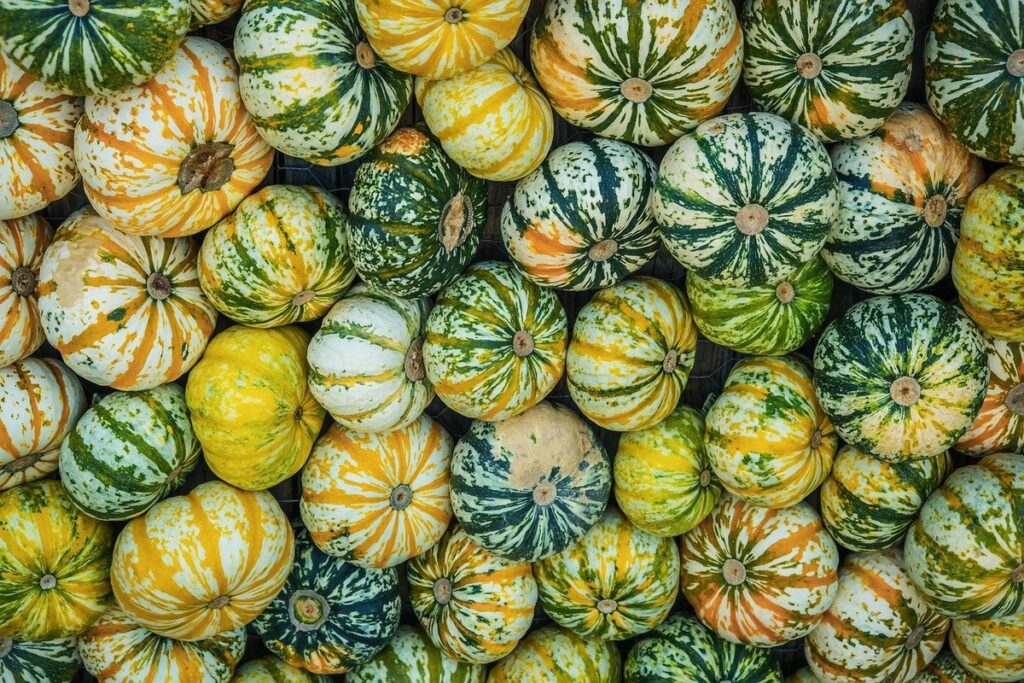
Understanding Pumpkin Classification
To get a better grasp of these varieties, let’s dive into the different ways pumpkins are classified based on their shape and size. This classification system will help you identify unique characteristics among each type.
Historical Background
The history of pumpkins dates back thousands of years to ancient Mesoamerica, where they were first domesticated by the indigenous people. The earliest evidence of pumpkin cultivation comes from the archaeological site of Oaxaca, Mexico, which suggests that pumpkins were grown as early as 7,000 BCE. From there, pumpkins spread throughout Central and South America, becoming a staple crop in many cultures.
As civilizations such as the Aztecs and Mayans rose to power, they developed their own unique pumpkin varieties, often crossing them with other species like squash and gourds. These early pumpkin varieties were highly prized for their size, shape, and flavor, and were used not only as a food source but also in traditional medicine and rituals.
The arrival of European colonizers brought new influences to pumpkin cultivation, introducing new techniques and varieties that would eventually spread to other parts of the world. Today, pumpkins are grown on every continent except Antarctica, with thousands of varieties available for consumption, decoration, and even ornamental purposes.
Key Factors Influencing Variety Development
When it comes to understanding pumpkin classification, several key factors have influenced the development and selection of various pumpkin types over time. Climate is one such factor, as pumpkins grown in areas with hot summers and cool winters tend to have a higher sugar content than those grown in more temperate regions.
Soil type also plays a significant role, with certain varieties thriving on sandy or clay-rich soils. For instance, the ‘Jack Be Little’ pumpkin variety is well-suited for poor soil conditions, while others like ‘Big Max’ require a more fertile and well-drained soil environment.
Disease resistance has become increasingly important in modern pumpkin cultivation, particularly with regards to powdery mildew and fusarium wilt. Selecting varieties that are resistant or tolerant of these diseases can significantly reduce the need for fungicides and other chemicals.
Desired characteristics such as size, shape, color, and texture have also driven the creation of specific pumpkin types. Some growers prioritize large, symmetrical fruits for decoration, while others focus on smaller, more irregular shapes for cooking and baking. Ultimately, understanding these key factors can help growers select and cultivate the best variety for their unique needs and climate.
Ornamental Pumpkin Varieties
If you’re looking to add a touch of elegance to your garden, ornamental pumpkin varieties are perfect for their unique shapes and vibrant colors. Let’s explore some popular types together!
Decorative Pumpkins for Fall Displays
When it comes to adding a pop of color and whimsy to your fall decor, decorative pumpkins are an excellent choice. Among the many varieties available, three popular options stand out for their unique features and uses: Jack Be Little, Baby Boo, and Gourls.
Jack Be Little pumpkins are miniature marvels, growing up to 5 pounds in weight and about 6 inches in diameter. Their compact size makes them perfect for decorating small spaces, such as tabletops or mantels. They also come in a variety of vibrant colors, including orange, white, and pink. To create a striking display, pair Jack Be Little pumpkins with some greenery, like eucalyptus or ferns.
Baby Boo pumpkins are another fan favorite, characterized by their ghostly pale color and smooth, rounded shape. They’re great for creating a monochromatic look in your decor, but can also be painted or decorated to add more visual interest. Consider adding some baby’s breath or Queen Anne’s lace to create a soft, romantic ambiance.
Gourds are often overlooked as decorative pumpkins, but they offer a unique texture and shape that adds depth to any fall arrangement. Use them to fill gaps between larger pumpkins or as the focal point of a centerpiece. To make the most of your gourd display, pair them with some seasonal fruits, like apples or pomegranates.
When selecting decorative pumpkins for your fall decor, consider their unique features and uses in mind. For example, if you have limited space, opt for compact varieties like Jack Be Little. If you’re looking to create a monochromatic look, Baby Boo pumpkins are an excellent choice. And don’t forget about the versatility of gourds – they can add a touch of whimsy to any arrangement.
Edible Gourd Varieties with Aesthetic Appeal
When it comes to adding an extra layer of visual appeal to your garden or fall decor, edible gourds are a fantastic option. These varieties not only add flavor and nutrition to your meals but also make stunning additions to your seasonal arrangements.
Take the Turban squash, for instance. Its unique, swirly pattern makes it a standout in any display. Not only can you use it as a decorative piece, but its sweet, nutty flavor also makes it perfect for soups, stews, and roasted vegetables. If you’re looking to add some variety to your table settings or centerpieces, consider using the Turban squash as a unique and delicious centerpiece.
Another option is the decorative Hubbard pumpkin. Its symmetrical, rounded shape and smooth skin make it a beautiful addition to any fall-themed arrangement. But what sets it apart from other pumpkins is its slightly sweet flavor and firm texture, making it perfect for roasting or baking.
By incorporating these edible gourds into your garden or seasonal decor, you can add an extra layer of visual appeal while also enjoying their unique flavors and textures.
Sugar Pie and Pie Pumpkin Varieties
When it comes to baking, two popular pumpkin varieties stand out: Sugar Pie pumpkins are perfect for small-scale bakers, while Pie Pumpkins offer a more versatile option.
Characteristics of Sugar Pie Pumpkins
Sugar pie pumpkins are a popular variety among home gardeners and commercial growers alike. They’re prized for their compact size, symmetrical shape, and high sugar content. These characteristics make them ideal for baking and cooking.
One of the defining features of sugar pie pumpkins is their relatively small size. They typically weigh between 5-10 pounds (2.3-4.5 kg), making them perfect for roasting or using in sweet pies. Their symmetrical shape also makes them a standout among other pumpkin varieties, with a rounded bottom and a slightly narrower neck.
In terms of sweetness level, sugar pie pumpkins are known to be one of the sweeter varieties. This is due in part to their high water content and low starch levels. When cooked, they retain much of their natural sweetness, making them an excellent choice for baked goods like pies, cakes, and breads. As a result, sugar pie pumpkins have become a go-to variety for many home bakers and professional chefs looking for a pumpkin that’s both flavorful and versatile.
When selecting sugar pie pumpkins, look for ones with bright orange skin and a slightly glossy appearance. These characteristics indicate a high sugar content and will result in the best-tasting pies and baked goods.
Other Popular Pie Pumpkin Varieties
In addition to Sugar Pie and Jack Be Little pumpkins, there are several other popular pie pumpkin varieties that excel in baking applications. Cinderella pumpkins are a notable example, with their sweet, fine-grained flesh making them ideal for pies, soups, and roasting. Their symmetrical shape and relatively small size (5-8 pounds) also make them easy to handle and store.
Another popular variety is Baby Bell, known for its exceptionally sweet flavor and tender texture. Its smaller size (2-3 pounds) and compact growth habit make it a great choice for home bakers with limited space. Lakota pumpkins are another favorite among pie enthusiasts, boasting a rich, nutty flavor and high sugar content.
When selecting a pie pumpkin variety, consider the intended use. Cinderella and Baby Bell are better suited for making traditional pies, while Lakota’s robust flavor makes it ideal for savory dishes like soups and stews. Experiment with different varieties to find your preferred taste and texture profile, and be sure to choose pumpkins that are specifically labeled as “pie pumpkins” or “sugar pumpkins” for optimal baking results.
Winter Squash Varieties
Beyond pumpkins, there are many other delicious and versatile winter squash varieties you can grow and cook with, including butternut and acorn squashes. Let’s explore these popular options together.
The Distinction Between Pumpkins and Winter Squashes
When it comes to fall decorating and cooking, it’s common to see pumpkins and winter squashes lumped together. However, they belong to different species and have distinct characteristics.
Pumpkins (Cucurbita pepo) are a type of vining squash that belongs to the Cucurbitaceae family. They are characterized by their smooth, thin skin and symmetrical shape. Pumpkins come in a variety of shapes, sizes, and colors, but they all share these key traits.
Winter squashes, on the other hand, include varieties like acorn squash, butternut squash, and spaghetti squash. These types of squashes belong to different species within the Cucurbitaceae family and have thicker, more textured skin than pumpkins. Winter squashes can be round, oval, or irregularly shaped, with some having ridges, bumps, or other unique features.
If you’re trying to decide between a pumpkin and a winter squash for your recipe or decoration, consider the texture and flavor you prefer. Pumpkins are often sweeter and more tender than winter squashes, which can be starchier and nuttier in flavor.
Using Winter Squash in Cooking and Recipes
When it comes to cooking with winter squash, the possibilities are endless. Whether you’re looking for a comforting side dish or a creative main course, this versatile ingredient is sure to impress.
In many cuisines, including Italian and Mexican, roasted winter squash is a staple. Simply slice or cube your favorite variety (such as acorn, butternut, or kabocha), toss with olive oil, salt, and pepper, and roast in the oven until tender and caramelized. Try pairing it with a drizzle of balsamic glaze for added depth.
Mashed winter squash is another delicious option, perfect for cold weather meals. Boil or steam your chosen variety until tender, then mash with butter, milk, and spices to create a creamy side dish. For a unique twist, add some roasted garlic or nutmeg to give it an extra boost of flavor.
Stuffed winter squash is also a great way to enjoy this ingredient, particularly during the holidays. Simply scoop out the seeds and pulp, fill with your favorite ingredients (such as rice, meat, or vegetables), and bake until tender.
Specialty Pumpkin Varieties
Beyond the classic Jack-o’-Lantern variety, there are many specialty pumpkins that offer unique shapes, sizes, and flavors to add some excitement to your fall decor and cooking. Let’s explore these lesser-known gems together!
Pumpkins for Animal Feed and Birdseed
When it comes to specialty pumpkin varieties, some types are more valuable than others for use as animal feed and birdseed. These pumpkins are rich in nutrients and easy to incorporate into an animal’s diet.
Certain types of pumpkins, such as ‘Dickinson’ and ‘Baby Boo’, have a high moisture content that makes them ideal for small animals like rabbits, guinea pigs, and hamsters. They can be fed fresh or dried, depending on the animal’s preference. These pumpkins are also rich in fiber and beta-carotene, making them a nutritious addition to an animal’s diet.
For larger animals, such as horses and cattle, ‘Hubbard’ and ‘Connecticut Field’ varieties are more suitable due to their size and nutritional content. They can be fed fresh or dried and can help supplement an animal’s diet with essential vitamins and minerals. When using pumpkins for animal feed, it’s essential to ensure they are properly cleaned and stored to maintain their nutritional value.
When using pumpkins as birdseed, ‘Baby Boo’ and ‘Jack Be Little’ varieties are popular choices due to their small size and nutrient-dense flesh. These pumpkins can be chopped into bite-sized pieces or dried to make a nutritious treat for birds.
Other Unique and Rare Pumpkin Types
If you’re looking to add some uniqueness to your fall decor or cooking repertoire, consider exploring other unusual and rare pumpkin varieties. One such example is the Blue Hubbard pumpkin, known for its striking blue-gray skin and symmetrical shape. Not only does it make a stunning centerpiece, but its sweet and nutty flavor also makes it an excellent choice for baking pies and soups.
Another rare gem is the Cinderella pumpkin, with its delicate white skin and slender shape. Its tender flesh is perfect for making sauces and purees, while its unique appearance adds an extra touch to fall arrangements. When using these pumpkins in cooking or decorating, keep in mind their special characteristics. For instance, Blue Hubbard pumpkins tend to be more dense than others, so adjust your recipes accordingly.
When working with rare pumpkin varieties like these, consider incorporating them into seasonal displays and arrangements. Simply slice them in half and use as a base for centerpieces, or carve out unique designs to highlight their natural beauty.
Frequently Asked Questions
Can I grow my own unique pumpkin variety?
If you’re interested in cultivating your own special pumpkin variety, start by experimenting with cross-pollination between different types of pumpkins. This process can take several years and requires patience, but the result is a one-of-a-kind gourd that’s perfect for your garden or fall display.
What are some edible pumpkin varieties suitable for small spaces?
For gardeners with limited space, consider growing compact sugar pie or baby boo pumpkins. These varieties mature quickly, typically within 100 days, and can thrive in containers as small as 5-gallons.
How do I choose the right type of pumpkin for my cooking needs?
When selecting a pumpkin variety for cooking, think about its flavor profile, texture, and sugar content. For example, if you’re looking for a sweet and versatile option, try growing a butternut or kabocha squash. If you prefer a more traditional pie filling experience, stick with classic sugar pie pumpkins.
Can I use ornamental pumpkins as bird feeders?
Yes! Many gardeners repurpose their ornamental pumpkins as bird feeders during the winter months. Simply cut out the top of the pumpkin and fill it with seed-rich birdseed. Hang your pumpkin feeder in a nearby tree, and enjoy watching the birds visit throughout the season.
How do I store my harvested pumpkins to maintain their quality?
To keep your pumpkins fresh for as long as possible, store them in a cool, dry place away from direct sunlight. A basement or garage is ideal, with temperatures ranging between 50-60°F (10-15°C). Regularly inspect your stored pumpkins for signs of rot and remove any affected areas to prevent spoilage.