
If you’re anything like me, you love the refreshing taste and invigorating scent of mint. But did you know that there are many different types of mint, each with its own unique flavor and uses? From the classic peppermint to the sweeter spearmint, these versatile herbs can be used in everything from cooking and baking to medicine and even industry applications. Whether you’re looking to grow your own mint at home or learn more about the many benefits of this amazing plant, you’re in the right place. In this article, we’ll take a closer look at some of the most popular types of mint, explore their uses and benefits, and provide tips on how to cultivate your very own mint plants – all from the comfort of your own home. Get ready to discover the wonderful world of mint!
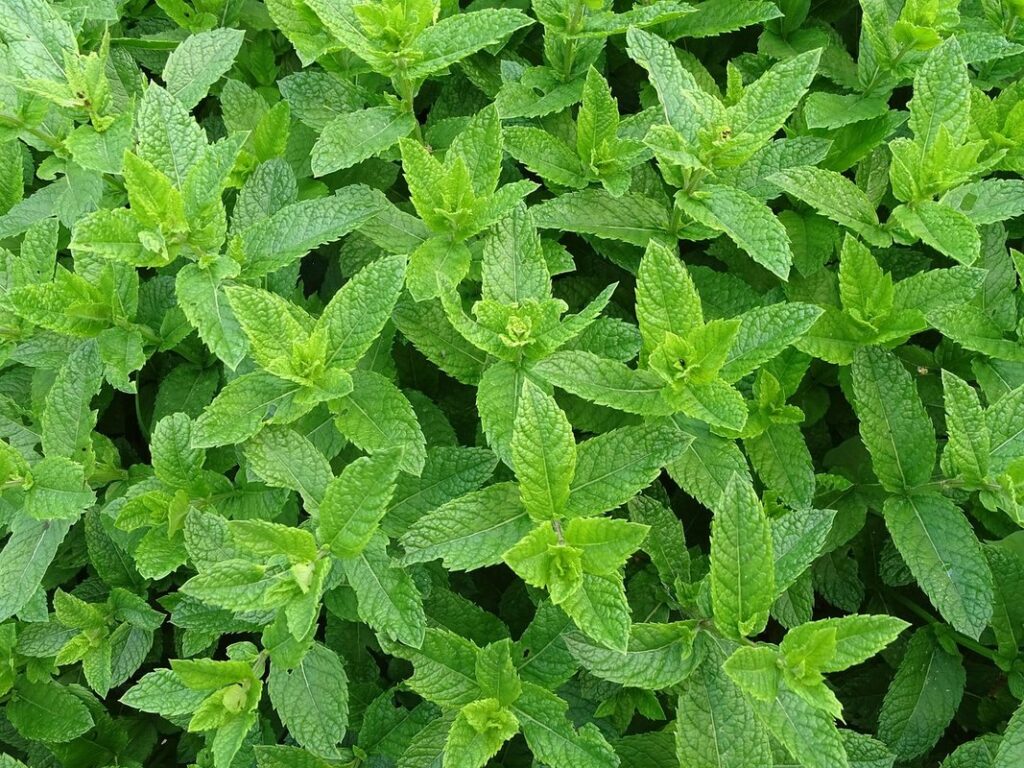
Introduction to Mint Varieties
Let’s start by exploring some of the most popular mint varieties, including peppermint, spearmint, and chocolate mint, each with its own unique characteristics. These differences make each one suitable for different uses in cooking and herbal remedies.
The Importance of Mint in Cooking and Medicine
Mint has been an integral part of various cultures for centuries, and its significance extends far beyond its refreshing flavor. In many traditional cuisines, mint is a staple herb used to add depth and aroma to dishes. From Middle Eastern tabbouleh to Indian chutneys, mint plays a crucial role in balancing flavors. Its cooling properties make it an excellent choice for summer salads, drinks, and desserts.
Beyond the kitchen, mint has been harnessed for its medicinal properties. Peppermint oil is often used to alleviate digestive issues and headaches due to its menthol content. Spearmint, on the other hand, is known for its anti-inflammatory properties and is sometimes used to soothe skin irritations. The antibacterial properties of mint make it a popular ingredient in homemade remedies for colds and flu.
When incorporating mint into your cooking or medicine cabinet, remember that different varieties have unique characteristics. For example, peppermint can be quite potent, so use it sparingly. Meanwhile, spearmint is generally milder and pairs well with fruits like strawberries. Experiment with various types of mint to find the perfect balance for your needs.
Brief Overview of Common Mint Types
When it comes to mint varieties, there’s more to explore than just peppermint and spearmint. The world of mints is diverse, with numerous types offering unique characteristics, flavors, and uses. This comprehensive guide will delve into various mint types, so let’s start by introducing some of the most common ones you’ll encounter.
Some of these popular mint varieties include chocolate mint (Mentha x piperita f. citrata), known for its distinctive chocolate-like fragrance and flavor; pineapple mint (Mentha suaveolens), with its sweet and fruity aroma; and bergamot mint (Mentha citrata), which combines the citrusy scent of bergamot oranges with the freshness of mint.
Others, like lemon balm (Melissa officinalis) and apple mint (Mentha x villosa f. citrata), offer subtle yet refreshing flavor profiles that can enhance teas, salads, and desserts. This brief overview will give you a starting point to explore each type in more detail, as well as some practical uses for incorporating these unique mints into your recipes and daily life.
Keep in mind that even within the same mint variety, flavors can vary depending on factors like growing conditions, harvesting times, and handling practices.
Peppermint (Mentha piperita)
Peppermint is one of the most recognizable and widely used mints, prized for its refreshing scent and cooling properties. Let’s dive into its characteristics and uses.
History and Origin of Peppermint
Peppermint has been used for centuries in cooking and medicine, with its origins dating back to ancient civilizations. The plant is believed to have originated from the Mediterranean region, where it was highly valued for its medicinal properties. Ancient Greeks and Romans used peppermint as a digestive aid, while also employing it in their culinary traditions.
The name “peppermint” is derived from the Latin word “mentha,” which refers to the mint family. In traditional Chinese medicine, peppermint has been used for centuries to treat various ailments, including nausea, headaches, and respiratory issues. Its unique flavor profile and aroma have made it a staple in many cultures, particularly in cooking.
Interestingly, peppermint was also used as a form of currency in medieval Europe, where its value was estimated at one penny per pound. This may explain why it’s often referred to as “peppermint,” which is a combination of the Old English words for pepper and mint. With its rich history and versatility, it’s no wonder that peppermint remains one of the most popular types of mint used today.
Uses of Peppermint in Cooking and Beverages
Peppermint is one of the most versatile and popular types of mint used in cooking and beverages. Its refreshing flavor and aroma make it an ideal ingredient to add a cooling twist to various dishes. One of the most common uses of peppermint in cooking is as a garnish or added fresh leaves to salads, such as fruit salads or green salads with citrus vinaigrettes.
In desserts, peppermint pairs well with chocolate, particularly in mint chocolate chip ice cream or brownies. It’s also used to make refreshing drinks like mint julep and mojitos. When it comes to incorporating peppermint into your cooking, try infusing it into herbal teas, such as lemon balm tea, for a soothing and caffeine-free drink.
When using fresh peppermint leaves, remember that their flavor is more intense than dried or powdered peppermint. Start with small amounts and adjust to taste. You can also use peppermint extract or oil as substitutes in recipes where you don’t have access to fresh leaves.
Health Benefits of Peppermint
Peppermint has been a staple in natural remedies for centuries, and its benefits extend far beyond just freshening breath. One of the most significant advantages of peppermint is its ability to aid digestion. Studies have shown that peppermint oil can relax the muscles in the digestive tract, reducing symptoms of irritable bowel syndrome (IBS) such as bloating and abdominal pain.
In addition to its digestive benefits, peppermint has also been found to be effective in alleviating nausea. Whether it’s morning sickness during pregnancy or post-operative nausea, peppermint has been shown to provide quick relief. The essential oils present in peppermint, particularly menthol and menthone, have a direct impact on the stomach, helping to reduce symptoms of nausea.
Stress relief is another area where peppermint shines. The aroma of peppermint has been shown to decrease stress levels by reducing cortisol production in the body. This makes it an excellent addition to any self-care routine. Try incorporating peppermint essential oil into your bath water or using a peppermint-infused tea to help calm the mind and body after a long day.
Spearmint (Mentha spicata)
Spearmint is a popular variety of mint known for its distinctive spears-like leaves and mild, refreshing flavor. Let’s dive into its characteristics and uses.
Distinction Between Peppermint and Spearmint
One of the most common misconceptions about mint varieties is the distinction between peppermint and spearmint. While both are popular and widely used, they have distinct differences that set them apart from one another.
Peppermint (Mentha x piperita) and spearmint (Mentha spicata) share many similarities in terms of their appearance and usage, but their flavors and aromas are quite different. Peppermint has a strong, cool menthol flavor and aroma that is often associated with digestive issues and headaches. Spearmint, on the other hand, has a milder, sweeter flavor and aroma that is often used in culinary dishes.
The main difference between the two lies in their menthol content: peppermint contains around 30-40% menthol, while spearmint contains only around 0.1-4%. This means that peppermint tends to be more intense and cooling, while spearmint is generally milder and more suitable for cooking. When choosing between the two, consider the intended use: if you’re looking for a digestive aid or a refreshing breath spray, peppermint might be the better choice; but if you’re looking for a subtle flavor in your salad dressing or tea, spearmint is likely a better fit.
Culinary Uses of Spearmint
Spearmint is one of the most versatile and widely used types of mint, with a refreshing flavor that pairs well with both sweet and savory ingredients. In many cuisines around the world, spearmint is used as a key ingredient in various dishes. One of its most common uses is in salads, where it adds a cooling and uplifting flavor to green salads, fruit salads, and even grain-based salads.
In smoothies and juices, spearmint is often combined with other fruits and vegetables to create refreshing and healthy drinks. For example, blending spearmint leaves with strawberry and banana creates a sweet and revitalizing smoothie perfect for warm weather. You can also use spearmint as a garnish or add it to the base of your favorite juices for an added boost of flavor.
Spearmint is also used in desserts like ice cream, puddings, and sauces. Its sweet and herbaceous flavor pairs particularly well with chocolate and vanilla, making it a popular choice for mint-based desserts. To incorporate spearmint into your baking, try adding a few leaves to your favorite ice cream recipe or using it as a topping for hot chocolate.
Health Benefits of Spearmint
Spearmint has been used for centuries to aid digestion and alleviate various health issues. One of its most notable benefits is its ability to soothe digestive problems such as bloating, gas, and nausea. This makes it an excellent natural remedy for those who experience stomach discomfort after eating certain foods.
Research suggests that spearmint’s active compound, carvone, has a calming effect on the nervous system, which can help reduce anxiety levels. Studies have shown that participants who ingested spearmint tea experienced a significant decrease in symptoms of anxiety and stress. This is particularly beneficial for individuals who struggle with anxiety-related disorders.
Additionally, spearmint’s antibacterial properties make it an effective mouthwash against oral health issues such as bad breath, gum disease, and tooth decay. To reap the benefits, simply chew on fresh spearmint leaves or drink a spearmint tea after meals to stimulate saliva production and reduce acidity in the mouth. When using spearmint for digestive or anxiety-related issues, start with small amounts (about 1/4 teaspoon) and gradually increase as needed, under medical supervision if necessary.
Other Types of Mint (Bergamot, Pennyroyal, etc.)
Beyond the familiar Peppermint and Spearmint, there are numerous other types of mint worth exploring, each with its unique characteristics and uses. Let’s take a closer look at these lesser-known mints.
Overview of Lesser-Known Mint Varieties
Beyond the well-known Peppermint and Spearmint, there are numerous other types of mint that have gained popularity in specific regions or cultures. One such example is Bergamot Mint, also known as Lemon Mint. Native to Europe, this mint variety boasts citrusy undertones, which make it a refreshing addition to cocktails, salads, and desserts.
In the Mediterranean region, you’ll find Greek Oregano Mint, a type of mint that’s closely related to oregano. Its unique flavor profile is often used in traditional dishes like tzatziki sauce and grilled meats.
Another lesser-known variety is Pineapple Mint, which has sweet, tropical flavors. Native to Africa, it’s commonly used in teas and desserts, particularly in countries like South Africa and India.
If you’re interested in experimenting with these mint varieties, start by exploring their flavor profiles and pairing them with foods that complement their unique characteristics. You can also grow your own mint plants at home, using a mix of soil and sunlight to coax out the best flavors from your chosen variety.
Unique Characteristics and Uses of Each Mint Type
Bergamot mint is known for its citrusy flavor and aroma, making it a popular choice for desserts and beverages. Its unique characteristic is that it has a higher concentration of bergapten, which gives it a distinct citrus taste. You can use bergamot mint to make teas, cocktails, or even as a topping for ice cream.
Pennyroyal mint, on the other hand, has a strong, pungent flavor and aroma often used in herbal remedies. Its unique characteristic is that it contains a compound called pulegone, which has been shown to have medicinal properties. However, due to its potency, it’s essential to use pennyroyal mint in moderation and under expert guidance.
Spearmint is another lesser-known variety with a milder flavor than peppermint. Its unique characteristic is its ability to soothe digestive issues and alleviate nausea. You can consume spearmint as tea or add it to salads for a refreshing twist.
Other varieties like chocolate mint, pineapple mint, and orange mint have distinct flavors and aromas that make them suitable for specific uses. For example, chocolate mint pairs well with rich desserts, while pineapple mint adds a tropical touch to cocktails.
Growing Your Own Mint
Growing your own mint at home is a straightforward process that requires minimal maintenance and can provide you with a constant supply of fresh herbs. With these simple tips, you’ll be enjoying homemade mint in no time.
Tips for Planting and Caring for Mint
When planting mint, choose a location with well-draining soil and partial shade to prevent overgrowth. Mint requires regular watering, but make sure not to overwater, which can lead to root rot. To control its invasive growth, consider containerizing it or growing it in a dedicated mint bed.
For containerized mint, use a large pot (at least 6-8 inches deep) with good drainage holes. This will prevent the roots from escaping and taking over other areas of your garden. Keep in mind that even in containers, mint can still spread through underground stolons.
When caring for mint, prune it regularly to encourage bushy growth and prevent flowering. Pinch off flower buds as they form to direct energy towards leaf production. Also, make sure to harvest your mint leaves regularly, as this will help keep the plant from becoming leggy and promote new growth.
Some gardeners find that growing mint in a dedicated bed can be beneficial, as it allows for easier control over its spread. To do so, create a raised bed with a trellis or other support system to contain the plant’s invasive tendencies. This will also make harvesting and pruning much more manageable.
Propagation Methods for Mint
When it comes to propagating mint, you have several methods at your disposal. One of the most common and successful ways is through cuttings. To take a cutting, choose a healthy stem with a minimum of two sets of leaves. Cut just above a node using a sharp knife or pruning shears. Remove lower leaves, leaving only the top pair, to prevent waterlogged soil and promote rooting. Place the cutting in a glass of water or a propagation tray filled with potting mix, making sure the node is submerged. Roots should develop within a week or two, and you can then transfer the new plant into individual pots.
Another method is division, where you separate established clumps into smaller sections, ensuring each section has at least one growing point. This approach works best for mint plants that have become pot-bound or are showing signs of disease. Gently dig up the entire root system, wash away excess soil, and use a garden fork to carefully pry apart the roots. Replant the divisions in well-draining soil, providing enough space for proper growth.
You can also propagate mint using layering. Choose a long stem with a few sets of leaves, bend it down towards the ground, and secure it with a small rock or U-shaped wire. Cover the buried portion with soil, ensuring the node remains exposed. Roots will develop over time, allowing you to cut the new section from the parent plant, potting it up separately.
Commercial Uses of Mint
Beyond its refreshing flavor and aromatherapy benefits, mint is also a versatile ingredient in various commercial applications, from food to skincare products. We’ll explore some of these uses in this section.
Industrial Applications of Mint Oil
Mint oil is a versatile and widely used ingredient in various industrial applications. In the cosmetics industry, mint oil is valued for its invigorating and refreshing properties, making it an excellent addition to skincare products, soaps, and fragrances. Its antibacterial and anti-inflammatory properties also make it effective in treating acne and other skin issues.
In pharmaceuticals, mint oil is used as a natural remedy for digestive problems and nausea relief. It’s often combined with other essential oils to create blends that target specific health concerns. For instance, peppermint oil, a type of mint oil, has been shown to alleviate IBS symptoms in some studies.
Mint oil is also commonly used as a flavoring agent in the food industry. Its cooling and sweet properties make it an excellent addition to desserts, drinks, and even savory dishes like lamb and pork. When using mint oil for cooking or baking, be sure to use a small amount, as its potency can quickly overpower other flavors.
Some popular industrial applications of mint oil include perfumes, toothpastes, and cleaning products. In these cases, the oil’s antibacterial properties help eliminate odors and freshen the air.
Market Trends and Future Prospects for Mint Industry
The mint industry has been experiencing significant growth in recent years, driven by increasing demand for natural and organic products. According to a report by Grand View Research, the global mint market size is expected to reach USD 1.3 billion by 2025, growing at a CAGR of 4.5%. This trend can be attributed to the rising popularity of mint-based beverages, cosmetics, and pharmaceuticals.
However, manufacturers and producers are facing challenges such as supply chain disruptions, fluctuating raw material prices, and increasing competition from emerging markets. To stay ahead in the market, it’s essential for companies to adapt to these changes by investing in sustainable sourcing practices, diversifying their product lines, and developing innovative packaging solutions. For instance, companies like Mentos and Peppermint Extracts are exploring new ways of extracting mint oil using eco-friendly methods.
As consumers become more health-conscious and environmentally aware, the demand for natural and organic mint products is expected to continue growing. To capitalize on this trend, manufacturers should focus on developing high-quality products that cater to specific consumer needs, such as digestive wellness or skin care. By doing so, they can tap into emerging markets and establish themselves as leaders in the industry.
Conclusion
Now that you’ve learned about the many types of mint, it’s time to wrap up our exploration and summarize the key takeaways from this comprehensive guide. Let’s review what we’ve covered so far.
Recap of Main Types of Mint Discussed
In this comprehensive guide, we’ve explored various types of mint that offer distinct characteristics and uses. You now have a solid understanding of the main categories of mint, including spearmint, peppermint, chocolate mint, pineapple mint, and several other lesser-known varieties.
Spearmint and peppermint stand out as two of the most widely recognized and used mints in cooking and herbal medicine. Spearmint’s milder flavor is perfect for desserts and drinks, while peppermint’s strong aroma makes it ideal for digestive issues and refreshing breath. On the other hand, chocolate mint adds a sweet twist to traditional mint flavors, making it a popular choice for baking and desserts.
Other unique types of mint worth mentioning include ginger mint, pineapple mint, and lime mint. Ginger mint offers an invigorating flavor profile that’s perfect for teas and cocktails, while pineapple mint brings a tropical twist to salads and drinks. Lime mint’s zesty flavor is ideal for adding a burst of citrus freshness to dishes.
By familiarizing yourself with these main types of mint, you can unlock their potential in various applications – from cooking and baking to herbal remedies and beauty treatments.
Final Thoughts on the Significance of Mint
As we conclude our journey through the diverse world of mints, it’s clear that this versatile herb has left an indelible mark on various aspects of life. From the culinary delights to medicinal breakthroughs, and from industrial applications to commercial ventures, mint has proven itself to be a valuable addition.
In the kitchen, mint continues to add freshness and zing to our favorite dishes. In medicine, its oil is harnessed for its anti-inflammatory properties, while in industries like cosmetics and pharmaceuticals, it’s used as a natural preservative. Moreover, mint’s invigorating scent has become an integral part of our daily lives, from toothpastes to room sprays.
As we explore the significance of mint further, one thing becomes apparent – this herb is more than just a flavor enhancer or a decorative element; it’s a multifaceted component with far-reaching benefits. So, go ahead and experiment with different types of mints in your cooking, incorporate them into your beauty routines, or use their extracts for medicinal purposes.
As you continue to explore the vast possibilities offered by mint, remember that its adaptability is what makes it truly remarkable. Whether you’re a seasoned chef, a health-conscious individual, or an entrepreneur looking to innovate, mint’s significance extends far beyond mere culinary or medicinal applications – it’s a gateway to creativity and progress.
Frequently Asked Questions
Can I use mint essential oil for aromatherapy?
Mint essential oil is highly concentrated, so it’s best used sparingly in aromatherapy blends. For a refreshing scent, mix a few drops with carrier oils like coconut or jojoba oil and apply topically or diffuse through the air.
How long does it take to grow mint at home?
Mint is a hardy herb that can thrive in as little as 1-2 weeks after planting, depending on the climate and growing conditions. Regular watering, pruning, and well-drained soil can help encourage healthy growth and prevent overgrowth.
What’s the difference between peppermint and spearmint for medicinal purposes?
While both mints have cooling properties, peppermint is often used to alleviate digestive issues due to its higher menthol content. Spearmint, with lower menthol levels, is more commonly used to soothe respiratory issues like coughs and colds.
Can I use mint in hot beverages during the winter months?
Yes! Mint can be a wonderful addition to warm drinks, providing a refreshing contrast to rich, wintery flavors. Try adding fresh mint leaves or peppermint extract to your favorite teas or lattes for an invigorating twist.
How do I store mint leaves to keep them fresh for cooking and herbal remedies?
To preserve the flavor and aroma of mint, store it in an airtight container with minimal moisture. You can also dry or freeze mint leaves to extend their shelf life. This helps prevent spoilage and keeps your herbs fresh for longer.