
Are you ready to unlock the world of lavender? With its calming scent, beautiful blooms, and versatility in gardens, it’s no wonder this fragrant flower has become a favorite among gardeners. But did you know that there are over 40 different types of lavender plants, each with its unique characteristics, uses, and growth habits? From English lavender to Ornamental lavenders, the choices can be overwhelming. Whether you’re a seasoned gardener or just starting out, understanding the different types of lavender is crucial for creating stunning displays, using their medicinal properties effectively, and cultivating these lovely plants in your garden.
This comprehensive guide will take you on a journey through various lavender varieties, exploring their distinct traits, uses, and tips for growing them successfully. We’ll delve into English lavender’s hardiness, Ornamental lavenders’ decorative appeal, and much more, ensuring you have the knowledge to make informed decisions when selecting the perfect lavender for your needs.
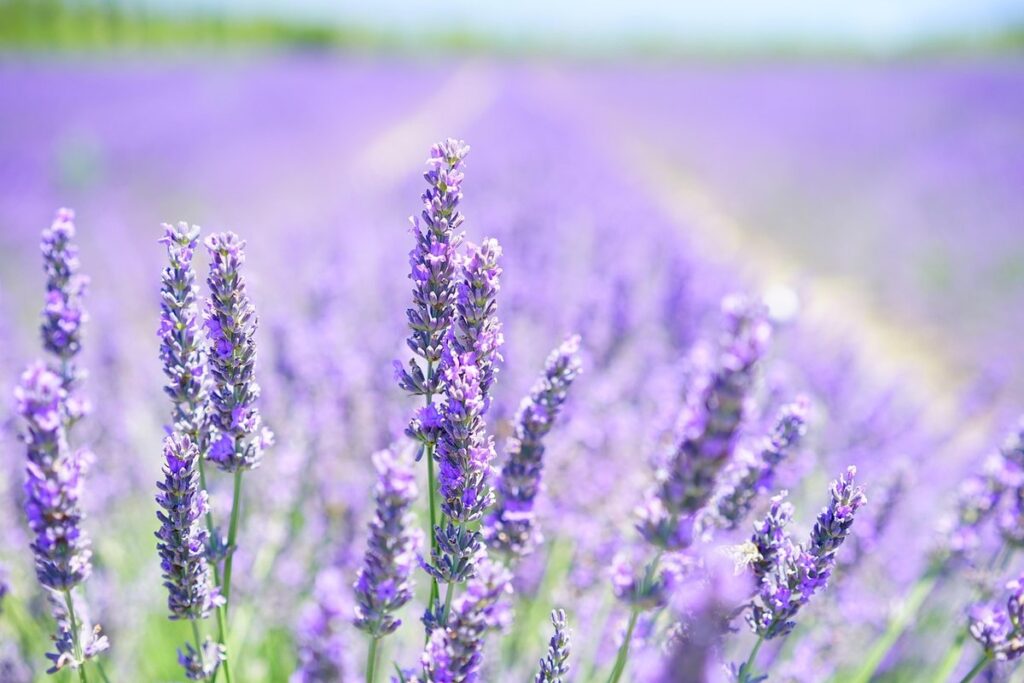
Introduction to Lavender
Let’s start our journey into the world of lavender by exploring its incredible history and benefits, setting the stage for a deeper dive into its many varieties.
Brief History and Significance of Lavender
Lavender has been a prized herb for centuries, with its origins dating back to ancient civilizations in the Mediterranean. The plant’s versatility and fragrance have made it an integral part of various cultures’ traditions and practices. In ancient Greece and Rome, lavender was used for its medicinal properties, including treating headaches, insomnia, and skin conditions.
As civilizations evolved, so did the uses of lavender. In the Middle Ages, it was a key ingredient in perfumes, potpourri, and sachets. The fragrance of dried lavender flowers was also used to freshen clothing and linens. Today, lavender is still valued for its calming effects and is often used in aromatherapy, skincare products, and home decor.
Lavender has significant cultural and symbolic meanings across the world. In France, it’s associated with love and romance, while in England, it’s a symbol of devotion and loyalty. The fragrance of lavender is also linked to feelings of relaxation and tranquility, making it a popular choice for spas, hospitals, and homes.
Its historical uses and significance have cemented lavender as an essential herb, cherished by cultures around the globe.
Overview of Popular Lavender Varieties
When it comes to growing and enjoying lavender, choosing the right variety can be overwhelming. With over 40 species and countless hybrids to choose from, it’s essential to understand the main types of lavender plants that will be covered in this comprehensive guide. We’ll delve into the most popular varieties, each with its unique characteristics, growth habits, and uses.
Some of the most well-known and widely available lavender varieties include English Lavender (Lavandula angustifolia), a compact, fragrant option ideal for borders and potpourri; Spanish Lavender (Lavandula stoechas), known for its silvery-gray foliage and delicate purple blooms; and Sweet Lavender (Lavandula latifolia), prized for its intense fragrance and drought tolerance. We’ll also explore other popular varieties like Hidcote, Munstead, and Grosso, each with its own strengths and weaknesses.
By understanding the key differences between these main types of lavender plants, you’ll be better equipped to choose the perfect variety for your garden or specific needs.
English Lavender (Lavandula angustifolia)
Let’s dive into one of the most popular and sought-after varieties: English Lavender, a low-maintenance delight for any garden. Its delicate charm has made it a favorite among lavender enthusiasts worldwide.
Characteristics and Growing Conditions
English lavender (Lavandula angustifolia) is a popular and fragrant variety that has been prized for centuries for its calming properties and versatility. As a low-maintenance shrub, it requires minimal upkeep to thrive. Here are some key characteristics and growing conditions to help you cultivate this beautiful plant.
English lavender grows to be around 18-24 inches tall, with a spread of about 12-15 inches wide. Its narrow leaves are a soft gray-green color, and its delicate purple flowers bloom in mid-to-late summer, releasing an intoxicating fragrance that attracts pollinators. To promote healthy growth, choose a well-draining soil mix with a slightly acidic pH (around 6.0-7.0). English lavender prefers full sun to partial shade, but be aware that it can become scorched if exposed to intense direct sunlight for extended periods.
When planting English lavender, make sure the crown (where the stem meets the roots) is level with the soil surface. Water regularly during its first growing season, but avoid overwatering, which can lead to root rot. After establishing itself, English lavender requires minimal watering, making it an ideal choice for dry gardens or areas with limited irrigation resources.
When planting English lavender, make sure the crown (where the stem meets the roots) is level with the soil surface. Water regularly during its first growing season, but avoid overwatering, which can lead to root rot. After establishing itself, English lavender requires minimal watering, making it an ideal choice for dry gardens or areas with limited irrigation resources.
To propagate new English lavender plants, you can either divide established clumps in spring or take stem cuttings in summer. Plant the divisions or cuttings in a similar environment, providing them with plenty of sunlight and well-draining soil.
Uses and Benefits
English lavender (Lavandula angustifolia) is a versatile plant that offers numerous uses and benefits. One of its most significant advantages lies in its medicinal properties. The essential oils extracted from its flowers have been used to treat various health issues, including anxiety, insomnia, and skin irritations. English lavender oil’s calming effects make it an excellent addition to aromatherapy routines. Its fragrance can also be utilized in potpourri blends or as a natural insect repellent.
Beyond its medicinal value, English lavender is prized for its beautiful, fragrant flowers that attract pollinators like bees and butterflies. The plant’s ornamental appeal makes it a popular choice for gardens and floral arrangements. To incorporate English lavender into your garden, choose a location with well-draining soil and full sun to partial shade conditions.
For those looking to harness the plant’s benefits, consider using dried English lavender buds in sachets or pillowcases to promote relaxation. You can also use its essential oil in skincare products or as a natural remedy for minor wounds.
French Lavender (Lavandula stoechas) and Spanish Lavender (Lavandula stoechas subsp. pedunculata)
Let’s take a closer look at two popular yet distinct types of lavender: French Lavender (Lavandula stoechas), known for its striking silvery-gray foliage, and Spanish Lavender (Lavandula stoechas subsp. pedunculata).
Distinctions between Varieties
When it comes to choosing between French and Spanish lavender, understanding their distinct characteristics is crucial. French lavender (Lavandula stoechas) and its subspecies, pedunculata, share a number of physical similarities but have some notable differences.
French lavender has compact growth habits, typically reaching heights of 12-18 inches. Its leaves are narrow and pointed, while the flowers are usually purple with a silver overlay. The flowering spikes are shorter compared to other types of lavender and tend to grow more densely on the stems. This variety prefers well-drained soil and full sun.
Spanish lavender (Lavandula stoechas subsp. pedunculata), on the other hand, grows taller than its French counterpart, reaching heights of 18-24 inches. Its leaves are similar in shape but slightly broader. The flowers have a more vibrant purple color without the silver overlay seen in French lavender. Spanish lavender tolerates poor soil conditions and requires less maintenance.
Keep in mind that these varieties may not be as commonly available as English or Sweet Lavender, but they’re worth growing for their unique characteristics and fragrance. If you plan to grow either of these types of lavender in your garden, consider the local climate and give them suitable care to ensure optimal growth.
Uses and Cultivation Tips
French Lavender (Lavandula stoechas) and Spanish Lavender (Lavandula stoechas subsp. pedunculata) are both prized for their unique characteristics and benefits, making them a joy to cultivate and use.
One of the standout features of these varieties is their ability to thrive in dry conditions, making them ideal for hot, sunny spots with poor soil. They’re also relatively low maintenance, requiring minimal watering and pruning compared to other types of lavender. When it comes to using these plants, the flowers are highly fragrant and can be used as a natural perfume or added to potpourri blends. The leaves can also be used in cooking, particularly in Mediterranean-inspired dishes.
When cultivating French and Spanish Lavender, it’s essential to provide them with full sun and well-draining soil. Water sparingly, allowing the soil to dry out between waterings. Regular pruning will help maintain shape and promote new growth. By following these tips, you can enjoy an abundance of beautiful flowers and fragrant foliage all season long.
In terms of unique features, Spanish Lavender stands out for its attractive, drooping stems and compact growth habit, making it perfect for containers or edging beds. French Lavender, on the other hand, boasts large, showy flowers in shades of purple and white.
Sweet Lavender (Lavandula latifolia) and Hybrid Lavenders
Sweet lavender, known for its soothing aroma and versatility, is a popular choice among gardeners and crafty enthusiasts. This section will delve into the world of sweet lavender and its hybrids.
Characteristics and Identification
Sweet lavender (Lavandula latifolia) and hybrid lavenders exhibit distinct physical features and growth habits that set them apart from other types of lavender plants. One of the most notable characteristics of sweet lavender is its tall, upright growth habit, which can reach heights of up to 3 feet (90 cm). Its leaves are a deep green color with a soft, downy texture, and its stems are often adorned with purple flowers in mid-to-late summer.
Hybrid lavenders, on the other hand, are bred for their unique characteristics and may exhibit traits such as compact growth, fragrant foliage, or vibrant flower colors. Some popular hybrid varieties include ‘Hidcote’, ‘Munstead’, and ‘Grosso’. These plants often grow 1-2 feet (30-60 cm) tall and have a more sprawling habit than sweet lavender.
When identifying sweet lavender or hybrid lavenders, look for the distinctive purple flowers and foliage. Sweet lavender tends to have larger flowers and a more robust growth habit than hybrid lavenders. With proper care and pruning, both types of plants can thrive in well-drained soil and full sun conditions.
Uses in Landscaping and Crafting
Sweet lavender and its hybrids are versatile plants that offer a multitude of benefits beyond their calming scent. In landscaping, these varieties can be used to create stunning hedges, borders, and pathways due to their compact growth habit and attractive foliage. They also attract pollinators like bees and butterflies, making them an excellent choice for wildlife-friendly gardens.
One of the unique benefits of sweet lavender is its ability to repel pests and diseases in the garden. For example, its strong fragrance can deter moths and flies that target plants like roses and vegetables. Additionally, its antifungal properties help prevent root rot and other diseases that can damage plant growth.
Beyond landscaping, sweet lavender finds its way into various crafting projects. Dried flowers can be used to create potpourri blends, wreaths, and arrangements, while essential oils extracted from the plant are often used in perfumery and aromatherapy. You can also use fresh or dried lavender buds to make sachets, pillows, and other home decor items that promote relaxation and calmness. When using sweet lavender for crafting, remember to harvest the flowers at their peak fragrance to ensure the best results.
Dwarf and Compact Lavender Varieties
If you’re short on space but still want a fragrant addition to your garden, don’t worry, we’ve got you covered. We’ll explore some delightful dwarf and compact lavender varieties perfect for smaller spaces.
Growing Conditions and Care Tips
To ensure your dwarf and compact lavender varieties thrive, it’s essential to provide them with the right growing conditions. These plants typically prefer well-draining soil and full sun to partial shade. In ideal situations, choose a location that receives at least six hours of direct sunlight per day.
When it comes to soil, opt for a slightly acidic to neutral pH range (around 6.0-7.0). Avoid using heavy clay or waterlogged soils, as these can lead to root rot and other issues. If your native soil doesn’t meet these conditions, consider transplanting the plants into a potting mix designed specifically for lavender.
Pruning is also crucial in maintaining compact growth and promoting healthy development. Regularly prune back leggy stems by about one-third in the spring, and trim off spent flower stalks after blooming. This will encourage bushy growth and prevent over-maturity of individual flowers.
Uses in Small Spaces and Containers
Dwarf and compact lavender varieties are ideal for small spaces, containers, and vertical gardens. Their compact growth habits make them perfect for tight areas where traditional lavender plants might not thrive.
One of the significant advantages of using these varieties is that they can thrive in shallow soil and can tolerate some neglect, making them perfect for busy gardeners or those with limited maintenance time. For example, ‘Hidcote’ and ‘Munstead’ are popular compact varieties that only grow to about 12-18 inches tall.
When growing dwarf lavender in containers, choose a well-draining potting mix and a container with good drainage holes to prevent waterlogged soil. Place the plant in a spot with full sun (at least 6 hours of direct sunlight) and fertilize sparingly during the growing season. With proper care, these compact varieties can bloom profusely, filling small spaces with their lovely fragrance and purple flowers.
In vertical gardens, use a trellis or obelisk to support the stems, which can grow quite long. This will also help keep the plant upright and encourage more blooms.
Ornamental Lavenders (Lavandula x intermedia)
Ornamental Lavenders, a popular choice for gardeners and floral enthusiasts alike, offer beautiful blooms in shades of purple and white. Let’s take a closer look at this lovely variety.
Characteristics and Hybridization
Ornamental lavenders (Lavandula x intermedia) are a popular choice for gardeners due to their unique characteristics and versatility. These plants are the result of hybridization between two different species of lavender, typically Lavandula angustifolia and Lavandula latifolia. This process allows breeders to combine desirable traits from each parent plant, creating a new variety with improved attributes.
Hybridization has led to the development of ornamental lavenders with larger flowers, increased flower production, and improved hardiness. For example, ‘Grosso’ is a popular hybrid that boasts large, fragrant blooms and excellent resistance to heat and drought. Another characteristic of ornamental lavenders is their foliage, which often features a more compact growth habit and smaller leaves compared to English lavender.
When selecting an ornamental lavender for your garden, consider factors such as climate, soil type, and desired plant size. With proper care and attention, these plants can thrive in a variety of conditions, making them a great choice for both novice and experienced gardeners. By choosing the right ornamental lavender, you can enjoy its beauty and fragrance all season long.
Landscaping Uses and Design Ideas
Ornamental lavenders can add a unique and fragrant touch to your landscape design. One of the best ways to incorporate them into your outdoor space is by combining them with other plants that complement their beauty and scent.
When pairing ornamental lavenders with other flowers, consider plants like roses, coneflowers, or catmint, which have similar growth habits and bloom times. These combinations create a stunning display of color and fragrance throughout the growing season.
If you want to add some texture and interest to your landscape, try planting ornamental lavenders alongside groundcovers like creeping thyme or sedum. This will not only provide a fragrant trail of lavender but also a beautiful contrast in texture and foliage shape.
Remember to choose plants that thrive in similar conditions as your ornamental lavender, such as sunlight, soil type, and watering needs. With a little creativity, you can create a breathtaking landscape design that showcases the beauty and versatility of ornamental lavenders.
Choosing the Right Lavender Variety
When selecting a lavender plant for your garden, it’s essential to choose a variety that thrives in your specific climate and meets your desired uses. This section will guide you through some popular options.
Factors to Consider
When selecting a lavender variety, it’s essential to consider several factors to ensure that you choose one that thrives in your specific environment and meets your intended use. Climate is the first factor to consider. Different types of lavender have varying levels of cold hardiness, with English Lavender being more tolerant of frost than Spanish Lavender. If you live in an area with harsh winters, opt for a variety like ‘Hidcote’ or ‘Munstead’, which can withstand temperatures as low as 10°F (-12°C). On the other hand, if you have mild winters, you may be able to grow more delicate varieties.
Soil type is another crucial consideration. Lavender prefers well-draining soil that’s rich in organic matter. If your soil is heavy clay or prone to waterlogging, choose a variety like ‘Phenomenal’ or ‘Grosso’, which can tolerate wetter conditions. Intended use is also vital when selecting a lavender variety. For example, if you want to grow lavender for its flowers and foliage, opt for a compact variety like ‘Angustifolia’ or ‘Hidcote’. If you’re looking for a low-maintenance option, consider ‘English Lavender’, which can tolerate some neglect.
Keep in mind that these factors are not mutually exclusive. You may need to balance multiple considerations when choosing the right lavender variety for your specific needs.
Tips for Success and Maintenance
To ensure that your newly planted lavender variety thrives and brings you joy for years to come, it’s essential to provide optimal growing conditions. Regular maintenance is crucial to prevent pests, diseases, and nutrient deficiencies from affecting the plant.
Here are some key tips for success and maintenance:
* Prune your lavender plants regularly to promote bushy growth, encourage new blooms, and remove spent flowers.
* Water wisely: Lavender prefers well-draining soil and should not be waterlogged. Water only when the top inch of soil feels dry to the touch.
* Mulch around the base to retain moisture, suppress weeds, and regulate soil temperature.
To prevent common problems like root rot or pests, inspect your plants regularly for signs of stress or infestation. Some key things to look out for include yellowing leaves, white powdery patches on the foliage, or tiny insects crawling on the stems.
It’s also crucial to monitor the pH levels in your soil and adjust them if necessary. Lavender prefers slightly acidic to neutral soils with a pH between 6.0 and 7.0.
By following these simple tips and providing the right conditions for your lavender plant to grow, you’ll be rewarded with fragrant blooms, beautiful foliage, and a low-maintenance addition to your garden or indoor space.
Frequently Asked Questions
What’s the best way to propagate new lavender plants from cuttings?
You can successfully propagate new lavender plants by taking 3-4 inch stem cuttings during the spring or early summer, when the plant is actively growing. Remove lower leaves and trim the cutting to just above a leaf node. Dip the base of the cutting in rooting hormone powder or liquid, then plant it in well-draining soil. Keep the soil consistently moist but not waterlogged until roots develop, which can take several weeks. This method allows you to multiply your favorite lavender varieties easily.
How do I protect my lavender plants from pests and diseases?
Regular maintenance is key to preventing pest and disease issues with lavender plants. Inspect your plants regularly for signs of aphids, whiteflies, or spider mites, and treat promptly if necessary. Use organic methods whenever possible, such as neem oil or insecticidal soap, to control infestations. For diseases like root rot or leaf spot, remove infected areas immediately and improve air circulation around the plant.
Can I grow lavender plants in containers indoors?
Yes, you can successfully grow lavender in containers indoors if you provide it with sufficient light, air circulation, and water. Choose a container that is at least 6-8 inches deep to accommodate the plant’s root system. Use well-draining potting mix and keep the soil consistently moist but not waterlogged. However, be aware that indoor conditions can sometimes lead to overwatering, which can harm lavender plants.
What are some common mistakes people make when growing lavender?
One of the most common mistakes people make is overwatering their lavender plants. Lavender prefers dry conditions and can be susceptible to root rot if the soil is too moist for an extended period. Another mistake is planting it in a location with poor air circulation, which can lead to disease issues.
Can I use dried lavender flowers in cooking?
Yes, you can use dried lavender flowers as a culinary herb, but it’s essential to note that they have a strong flavor and should be used sparingly. Lavender pairs well with sweet ingredients like honey, sugar, or citrus zest, and is often used in baked goods, desserts, and teas. However, be aware of the potential interactions between lavender and certain medications, so consult with a healthcare professional before using it for culinary purposes.