
Fig trees are often associated with a single type of leaf, but in reality, there is a vast array of fig leaf varieties. From edible to ornamental, and medicinal to decorative, the uses of fig leaves are as diverse as their appearance. Whether you’re growing your own fig tree or simply admiring one in a public park, understanding the types of fig leaves can enhance your appreciation for these versatile plants.
In this article, we’ll delve into the world of fig leaves, exploring the unique characteristics and uses of various species from tropical to Mediterranean regions. We’ll discuss edible varieties that are perfect for cooking and baking, as well as ornamental options that add beauty to any garden or indoor space. You’ll also learn about the medicinal properties of certain types of fig leaves, which have been used for centuries in traditional medicine. By the end of this article, you’ll have a deeper understanding of the fascinating world of fig leaves and their many uses.
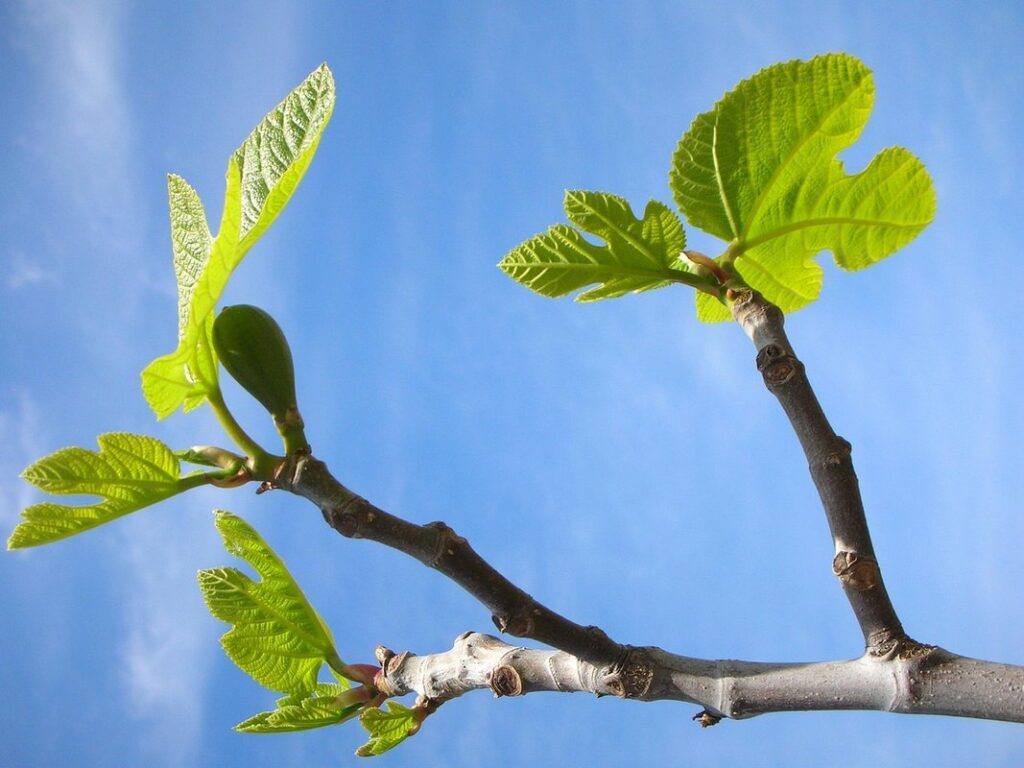
Common Types of Fig Leaves
As you explore the wonderful world of fig leaves, it’s essential to understand the different varieties that grow on your favorite tree, each with its unique characteristics. In this section, we’ll delve into the most common types of fig leaves found around the globe.
Edible Fig Leaves
Edible fig leaves have been a staple in many cuisines for centuries, particularly in Mediterranean and Middle Eastern cooking. They are rich in nutrients, with high levels of vitamins A and C, potassium, and antioxidants. In addition to their nutritional benefits, edible fig leaves also offer several health advantages.
Some of the key benefits include:
• Reducing inflammation: The antioxidants present in edible fig leaves have been shown to reduce inflammation and improve symptoms associated with conditions such as arthritis.
• Supporting digestive health: Edible fig leaves contain fiber and other nutrients that can aid digestion and prevent constipation.
• Lowering blood pressure: Regular consumption of edible fig leaves has been linked to reduced blood pressure levels.
In terms of culinary uses, edible fig leaves can be used in a variety of dishes. They pair well with herbs like thyme and rosemary and are often used in soups, stews, and salads. To prepare edible fig leaves for cooking, simply wash them thoroughly and chop or tear them into smaller pieces. You can then add them to your favorite recipe or try one of the following:
• Stuffing: Chop edible fig leaves and mix with other ingredients like garlic, lemon juice, and olive oil to create a tasty stuffing for chicken or fish.
• Tea: Steep dried edible fig leaves in hot water to make a soothing tea that can aid digestion.
Ornamental Fig Leaves
Ornamental fig trees are a staple in many gardens and landscapes due to their striking beauty and versatility. Some popular varieties of ornamental fig trees and their unique leaf characteristics are worth highlighting. The ‘Brown Turkey’ fig tree, for instance, boasts dark green leaves with a reddish-purple underside, adding a pop of color to any landscape.
Another popular variety is the ‘Black Jack’, which features thick, waxy leaves with a deep green color. Its unique foliage makes it an excellent choice for adding texture and depth to garden beds or containers. The ‘Violette de Bordeaux’ fig tree takes it up a notch with its striking purple-tinged leaves that add a whimsical touch to any landscape.
When selecting ornamental fig trees, consider the climate and soil conditions in your area. Most varieties prefer well-draining soil and full sun to partial shade. With proper care, these trees can thrive for years to come, providing a stunning display of foliage throughout the growing season. By incorporating one or more of these varieties into your garden design, you’ll add an extra layer of beauty and interest to your outdoor space.
Medicinal Fig Leaves
Fig leaves have been used for centuries not only as a food source but also for their medicinal properties. Traditionally, fig leaves were used to treat various health conditions due to their antiseptic, anti-inflammatory, and antimicrobial properties. They were applied topically to wounds, cuts, and burns to promote healing, reduce inflammation, and prevent infection.
Modern research has confirmed the effectiveness of fig leaves in treating a range of ailments. The leaves contain compounds like ficin, bromelain, and polyphenols that have been shown to exhibit antibacterial and antifungal properties, making them an effective natural remedy for skin conditions such as acne, eczema, and dermatitis.
To use fig leaves medicinally, you can make a tea by steeping the leaves in hot water or apply a paste made from crushed leaves directly to affected areas. Some people also take dried fig leaf capsules or supplements after consulting with a healthcare professional. While more research is needed to fully understand the benefits of medicinal fig leaves, traditional use and modern studies suggest that they can be a valuable addition to your natural health arsenal.
When using fig leaves medicinally, it’s essential to note that some individuals may experience allergic reactions or interactions with certain medications. Always consult with a healthcare professional before incorporating fig leaves into your treatment plan.
Fig Leaf Variations by Region
When it comes to fig leaf variations, one of the most interesting aspects is how different regions cultivate their own unique types. Let’s take a look at some of these regional specialties.
Tropical Fig Leaves
Tropical regions like Hawaii and parts of Central and South America are home to an array of fig leaf variations that have adapted to warm climates. The common fig (Ficus carica) is one such example, with its large, green leaves perfect for absorbing sunlight and regulating temperature.
In tropical areas, fig trees often grow year-round, thanks in part to the ever-present heat. To cope with this climate, their leaves have evolved to be more robust and waxy, acting as a natural barrier against moisture loss. This adaptation is crucial for survival, especially during dry periods when evaporation can quickly dehydrate the plant.
When selecting fig trees for tropical climates, look for cultivars specifically bred for warmth-tolerant growth. These varieties tend to have leaves with thicker cuticles and more pronounced veins, which help reduce water loss and promote healthy growth. By choosing a suitable variety, you’ll be better equipped to enjoy these magnificent plants in even the most challenging environments.
Mediterranean Fig Leaves
Fig leaves from the Mediterranean region are renowned for their remarkable resilience and ability to thrive in challenging environmental conditions. This is primarily due to their unique adaptation mechanisms that enable them to conserve water and withstand intense heat.
One of the key characteristics of Mediterranean fig leaves is their exceptional drought tolerance. These leaves have developed a specialized waxy coating on their surface, which helps to prevent excessive transpiration and retain moisture within the leaf. This adaptation allows them to survive for extended periods without rainfall, making them an ideal choice for regions with low precipitation.
Moreover, Mediterranean fig leaves are highly resistant to heat stress, capable of tolerating temperatures that would be detrimental to many other plant species. Their ability to regulate their internal temperature and maintain photosynthetic efficiency even in extreme heat makes them a valuable asset for cultivating fig trees in warm climates.
If you’re planning to grow fig trees in the Mediterranean region or anywhere with similar climate conditions, understanding these unique characteristics can significantly enhance your success. By selecting varieties that exhibit high drought tolerance and heat resistance, you’ll be better equipped to manage water resources and mitigate the risks associated with extreme weather events.
Asian Fig Leaves
Asian fig leaves are highly prized for their versatility and medicinal properties. In traditional Asian medicine, they’re used to treat various ailments, from fever reduction to skin conditions. For example, the bark of certain fig tree species is used to create a paste that’s applied directly to the affected area.
In many Asian cuisines, fresh or dried fig leaves are used as a wrapping material for steaming vegetables and seafood. This not only retains moisture but also infuses the food with a subtle herbal flavor. In India, fig leaves are commonly used in desserts like kulfi and falooda, adding a unique twist to traditional sweets.
Some of the most common types of Asian fig leaves include those from the Ficus carica and Ficus religiosa species. These trees thrive in tropical climates, where their leaves can reach impressive sizes of up to 20 inches long and 12 inches wide. When selecting fig leaves for use in cooking or medicine, it’s essential to choose fresh, organic options that haven’t been sprayed with pesticides.
For those interested in cultivating their own Asian fig trees, ensure you plant them in well-draining soil and provide adequate sunlight. This will not only promote healthy growth but also increase the likelihood of obtaining usable leaves for various purposes.
Fig Leaf Identification and Cultivation
When it comes to growing your own fig tree, being able to identify and cultivate healthy leaves is crucial for a bountiful harvest. This guide will walk you through the process of identifying different types of fig leaves and cultivating them successfully.
Recognizing Different Types of Fig Leaves
When it comes to recognizing different types of fig leaves, attention to detail is crucial. One key characteristic to look for is leaf shape and size. Fig leaves can range from large and ovate to small and lance-shaped. For example, the ‘Brown Turkey’ variety has large, dark green leaves with a pointed tip, while the ‘Celeste’ variety boasts smaller, more delicate leaves.
Another distinguishing feature is the leaf’s texture and color. Some fig varieties have smooth, glossy leaves, such as the ‘Kadota’, while others have hairy or waxy leaves. Leaf margins can also vary, with some having smooth edges and others having serrated or lobed edges. To identify a specific type of fig leaf, examine the stem, too. The color and texture of the stem can provide clues about the plant’s identity.
Keep in mind that young fig leaves may not exhibit all the characteristic features of mature leaves. Observe the leaf’s growth pattern over time to get a better sense of its overall appearance.
Growing Conditions for Fig Trees
When it comes to cultivating fig trees, understanding their growing conditions is crucial for optimal growth and fruit production. First and foremost, fig trees prefer well-draining soil that’s rich in organic matter, such as compost or manure. A pH range of 6.0-7.0 is ideal, but they can adapt to a slightly wider range.
In terms of climate, fig trees are generally warm-season plants that thrive in temperatures between 65°F and 90°F (18°C and 32°C). They’re highly sensitive to frost, so choose a location with protection from extreme cold snaps or invest in a greenhouse. In regions with mild winters, fig trees can be grown outdoors year-round.
Proper pest management is also essential for healthy growth. Regularly inspect your tree for signs of pests like aphids, whiteflies, and scale. Use organic methods whenever possible, such as introducing beneficial insects or applying neem oil to control infestations.
By providing the right growing conditions and practicing good pest management, you can enjoy a bountiful harvest from your fig tree in no time.
Propagation Methods for Fig Leaves
Propagation Methods for Fig Leaves
Fig trees are one of the easiest plants to propagate, and there are several methods you can use depending on what you’re looking for. If you want a new tree that’s genetically identical to your parent plant, stem cuttings are a great option. Take 10-15 inch stem cuttings from the current season’s growth, remove lower leaves, and dip the cut end in rooting hormone powder or liquid. Plant the cutting in well-draining soil, and keep it moist but not waterlogged.
Seeds can be used to grow new trees as well, but this method is more time-consuming and has a lower success rate than stem cuttings. Sow seeds indoors 6-8 weeks before the last frost date, keeping them warm (around 75°F) and moist until germination. Transplant seedlings into individual pots once they have two sets of leaves.
Air layering and grafting are other methods for propagating fig trees, but these require more expertise and specialized equipment.
Fig Leaf Uses in Art and Craft
Beyond their delicious fruit, fig leaves have been a source of inspiration for artists and crafty types who love to repurpose them in unique projects. Let’s explore some creative ways to use fig leaves.
Fig Leaf Fibers and Textiles
Fig leaf fibers have been used for centuries in textile production to create beautiful and durable items. The fibers are extracted from the leaves of the fig tree, typically during the dormant season when they are most abundant. The resulting material is soft, lightweight, and resistant to wrinkles.
In traditional weaving techniques, fig leaf fibers can be spun into yarns that are then used to create intricate patterns and designs on fabrics, baskets, and other textiles. For example, in some African cultures, fig leaf fibers are woven into beautiful rugs with vibrant colors and intricate patterns. These rugs not only add a touch of elegance to any room but also serve as a testament to the ingenuity and craftsmanship of the weavers.
To work with fig leaf fibers, it’s essential to collect high-quality leaves that have been properly dried to prevent decay. The drying process can be done using a combination of sun-drying and air circulation. Once the fibers are extracted, they can be carded, spun, or woven into various items such as baskets, rugs, or wall hangings. With patience and practice, anyone can create beautiful textiles using fig leaf fibers.
Preserving Fig Leaves as Art
Preserving fig leaves can be a fun and creative way to add natural elements to your art or craft projects. To create stunning pieces of artwork using fig leaves, it’s essential to preserve them properly. One popular technique is to use a fixative spray or a decoupage medium to seal the leaves in place on a piece of paper or canvas.
To make natural dyes from fig leaves, you can boil them in water and then soak your fabric in the resulting liquid. The color will vary depending on the type of fig leaf used, but it’s often a beautiful shade of green or yellow. For prints, simply place a sheet of paper on top of a fig leaf and apply pressure with a brayer or a heavy book.
To create more durable artworks, you can also use a combination of gesso and acrylic paint to seal the leaves in place. Be sure to follow proper safety precautions when working with chemicals and always test your materials before starting a new project. With a little creativity and patience, preserved fig leaves can add a unique touch to your art or craft projects.
Conclusion: The Diversity of Fig Leaves
In conclusion, it’s no surprise that fig leaves come in an astonishing array of shapes, sizes, and colors. As we’ve explored throughout this guide, each type of fig leaf has its unique characteristics, benefits, and uses. From the edible leaves of the Brown Turkey variety to the striking beauty of the Celeste fig tree’s golden-green foliage, it’s clear that there’s a perfect fig leaf for every purpose. Whether you’re a seasoned gardener or just starting out, knowing which type of fig leaf is best suited for your needs can make all the difference in cultivating healthy, thriving plants.
Now that you’ve gained a deeper understanding of the diversity of fig leaves, take the next step by selecting the variety that works best for your specific goals.
Frequently Asked Questions
What types of fig leaves are suitable for indoor cultivation?
Coniferous and deciduous fig leaves can be grown indoors, but they require specific growing conditions. Choose species like the Brown Turkey or the Black Jack, which thrive in containers with good air circulation and moderate watering. Consider using a trellis to support the tree’s growth and pruning regularly to maintain shape.
Can I use fig leaves for medicinal purposes without any prior knowledge?
While edible fig leaves have been used medicinally for centuries, it’s essential to exercise caution before using them as medicine. Research the specific properties of the fig leaf variety you’re interested in and consult with a healthcare professional or an experienced herbalist to ensure safe and effective use.
How do I preserve fig leaves for art and craft projects?
Air-drying is a simple method to preserve fig leaves, but it can take several weeks to months. You can also freeze them for later use. For more durable results, try gilding or decoupage techniques. Always handle the leaves gently to avoid damage during the preservation process.
What’s the difference between ornamental and edible fig leaves?
Ornamental fig leaves are often larger and have a more striking appearance than their edible counterparts. While they can still be eaten, they may not provide the same flavor or texture as specifically cultivated edible varieties. Research local regulations regarding edible vs. ornamental cultivation to ensure you’re growing what’s intended for consumption.
Can I propagate fig leaves from cuttings?
Yes, but it requires some care and patience. Choose healthy leaves with a robust stem, and carefully remove them from the parent tree. Then, dip the base of the leaf in rooting hormone and plant it in well-draining soil. Water thoroughly, maintain high humidity, and keep the area around the cutting consistently warm for optimal success rates.