
When you think of citrus fruits, you probably immediately picture oranges, lemons, and limes. But did you know that there are many more varieties to discover? From the rare yuzu, used in Japanese cuisine, to the tiny kumquat, often eaten whole, the world of citrus is surprisingly diverse. Not only do these different types offer unique flavors and textures, but they also have distinct histories and nutritional profiles. Whether you’re a seasoned chef or simply looking for new ways to boost your daily vitamin C intake, understanding the various types of citrus fruits can open up a world of possibilities. In this article, we’ll delve into the fascinating world of citrus, exploring their history, nutrition, and cultivation tips, as well as highlighting some of the lesser-known varieties that are worth trying.
Introduction to Citrus Fruits
Let’s start by exploring the basics of citrus fruits, including their history and unique characteristics that set them apart from other types of fruit. This foundation will help you understand the many varieties that follow.
What are Citrus Fruits?
Citrus fruits are one of the most widely cultivated and consumed types of fruits globally. They belong to the Rutaceae family and are characterized by their high acidity, distinctive flavor, and vibrant colors. These fruits are primarily grown for their juice, oil, and zest, which are used in a variety of culinary applications.
The characteristics that make citrus fruits so versatile include their rich concentration of vitamin C, flavonoids, and limonoids. These bioactive compounds contribute to the fruit’s antimicrobial and antioxidant properties, making them an essential component in health-promoting beverages and food products.
The popularity of citrus fruits can be attributed to their adaptability to different climates and regions. They thrive in warm temperatures and well-drained soils, which enables farmers to cultivate them across various geographical locations worldwide. This widespread cultivation is further facilitated by the ease with which citrus fruits can be propagated through grafting or seedling production.
The widespread cultivation of citrus fruits has also led to an array of varieties being developed for specific purposes, such as oranges, lemons, limes, and grapefruits. Each type offers distinct characteristics, nutritional profiles, and uses in cooking and food processing.
History of Citrus Fruit Consumption
Humans have been consuming citrus fruits for thousands of years. The earliest recorded use of citrus dates back to around 2500 BCE, where ancient Chinese and Egyptians used citrus fruits as a source of vitamin C to prevent scurvy. In fact, the word “scurvy” is derived from the Latin word “scorbutus,” which was first used by the Roman naturalist Pliny the Elder to describe the disease caused by a lack of vitamin C.
As civilizations evolved and trade routes expanded, citrus fruits spread throughout the world. The ancient Greeks and Romans were known to enjoy citrus fruits as a luxury item, while in Japan, citrus fruits were used as a symbol of wealth and status. In the 17th century, European explorers brought back citrus seeds from their travels, leading to the establishment of citrus groves in countries like Spain and Italy.
Today, citrus fruits are enjoyed globally in various forms – fresh, frozen, juiced, or marmaladed. From the tangy flavor of orange marmalade on toast to the refreshing squeeze of a fresh lime in your margarita, it’s clear that our love for citrus has come a long way since its ancient roots.
Classification of Citrus Fruits
As we dive deeper into the world of citrus, let’s start by understanding how these fruits are categorized and organized based on their characteristics. We’ll explore the main classifications used in horticulture and everyday life.
Subfamily Aurantioideae: The Largest Group
The subfamily Aurantioideae is indeed the largest group within the classification of citrus fruits, encompassing a diverse range of popular species such as oranges (Citrus sinensis), lemons (Citrus limon), and limes (Citrus aurantifolia). These fruits share certain unique features that set them apart from other types of citrus. One notable characteristic is their sweet-acidic taste profile, which varies depending on the specific variety. For instance, while oranges are generally sweeter, lemons tend to be more tart.
What’s also interesting about this subfamily is the extensive diversity in cultivation and uses. Oranges, for example, can be grown in a wide range of climates and are often eaten fresh or used for juice production. Lemons, on the other hand, are commonly used as flavorings or preservatives due to their high acidity content. If you’re planning to grow your own citrus tree, consider choosing varieties within this subfamily – they tend to be more adaptable to varying conditions.
In terms of identification, Aurantioideae members typically have smooth, thin peels that are easy to peel off in segments or wedges. This is particularly evident in oranges and lemons, which have a loose, easily removable skin layer. When selecting citrus fruits from this subfamily, look for ones with firm, heavy feel – they tend to be more juicy and flavorful.
Subfamily Rutaceae: Smaller but Just as Important
While the larger subfamily Aurantioideae gets most of the attention when it comes to citrus fruits, its smaller counterpart, Rutaceae, is just as significant. In fact, some of the most popular and versatile citrus fruits belong to this subfamily.
Take grapefruits, for instance. These tart and tangy fruits are a staple in many breakfasts around the world. Kumquats, on the other hand, are tiny but pack a punch when it comes to flavor and nutrition. Satsumas, with their loose skin and sweet pulp, make for an excellent snack or addition to salads.
One of the unique characteristics of Rutaceae is that its members tend to be smaller in size compared to those in Aurantioideae. However, this doesn’t mean they lack flavor or nutritional value. In fact, many people prefer the more intense taste of Rutaceae fruits like kumquats and grapefruits over their larger counterparts.
To get the most out of your Rutaceae citrus fruits, try incorporating them into your cooking and baking. Grapefruit zest adds a lovely twist to baked goods, while kumquat juice makes for a refreshing drink on its own or mixed with other juices. Experiment with different recipes to find new ways to enjoy these smaller but mighty fruits!
Common Types of Citrus Fruits
Now that we’ve covered the basics, let’s dive into the exciting world of citrus varieties! You’ll discover six common types of citrus fruits found in most grocery stores and home gardens.
1. Oranges (Citrus sinensis)
Oranges are one of the most widely consumed citrus fruits globally, with numerous varieties that cater to diverse tastes and preferences. Among these varieties, Valencia, Navels, and Blood oranges stand out for their unique characteristics and uses.
Valencia oranges are primarily used for juice production due to their high juice content and ease of peeling. They have a mild flavor and are often consumed fresh or used in cooking. On the other hand, Navels are sweet and seedless, making them ideal for eating fresh or as a topping for salads and desserts. Their thick skin also makes them easy to store.
Blood oranges, with their deep red flesh, add a vibrant twist to cocktails and desserts. They have a slightly bitter taste compared to other orange varieties and are often used in specialty recipes. In terms of nutrition, oranges are an excellent source of vitamin C, fiber, and antioxidants. They can be incorporated into various dishes, from savory sauces to sweet baked goods.
2. Lemons (Citrus limon)
Lemons have been a staple in kitchens and households for centuries, providing not only their distinctive flavor but also numerous benefits. Native to Asia, lemons were introduced to the Mediterranean region by the Arabs in the 10th century, where they became an integral part of cooking and culture.
One of the most significant advantages of lemons is their high nutritional value. Rich in vitamin C, potassium, and flavonoids, lemons are excellent for boosting immunity and promoting heart health. In fact, according to a study published in the Journal of Agricultural and Food Chemistry, lemon juice contains an impressive 38 mg of vitamin C per 100 grams.
Lemons have multiple uses beyond cooking. Their acidity makes them a popular ingredient in various cleaning products, such as all-purpose cleaners and natural disinfectants. You can also use lemon juice to whiten teeth or soften skin in homemade beauty treatments. In the kitchen, lemons are used to add flavor to desserts like lemon bars and meringues, as well as savory dishes like marinades for grilled meats.
3. Limes (Citrus aurantifolia)
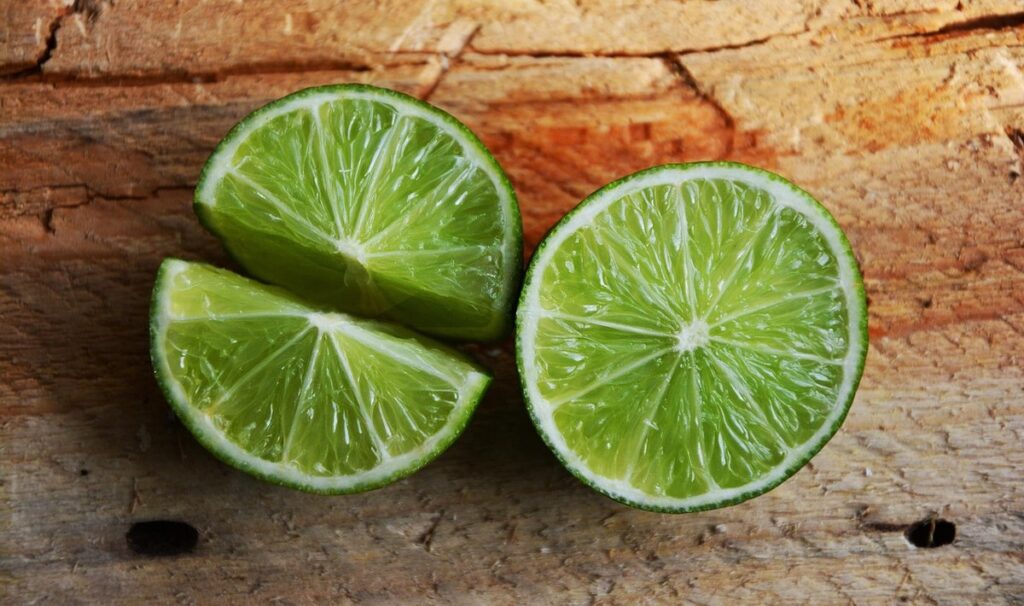
Limes are one of the most widely consumed citrus fruits globally. Native to Southeast Asia, they’re characterized by their small size, green or yellow skin, and high acidity level. With a juice content of about 88%, limes are an excellent source of vitamin C, potassium, and flavonoids.
One cup of fresh lime juice provides approximately 53 milligrams of vitamin C, which is more than the daily recommended intake for adults. Additionally, limes contain naringenin, a flavonoid with antioxidant properties that may help reduce inflammation and improve cardiovascular health.
Lime’s acidity makes it an ideal addition to various recipes. In beverages, lime juice is commonly used in cocktails like margaritas and daiquiris. It adds a burst of citrus flavor to marinades for meats, fish, and vegetables. In desserts, limes are often paired with sweet ingredients like sugar, honey, or coconut milk to create refreshing treats like key lime pie.
When using limes, remember that their acidity can be overpowering, so use them sparingly. Start with a small amount of juice and adjust to taste. This will help you achieve the perfect balance of flavors in your recipes.
Rare and Exotic Citrus Fruits
As we venture into uncharted citrus territory, let’s discover some of the world’s rarest and most exotic varieties, prized for their unique flavors and aromas.
1. Yuzu (Citrus junos)
Yuzu (Citrus junos) is a lesser-known citrus fruit that originates from East Asia, particularly in China and Japan. It’s a hybrid of the sour orange and the mandarin, resulting in a unique flavor profile and aroma. The peel of yuzu is highly aromatic, with a fragrance often used in Japanese cuisine for its ability to add depth to various dishes.
One of the standout features of yuzu is its distinct tartness, which makes it an excellent addition to marmalades, sauces, and dressings. In Japan, yuzu is commonly used as a garnish for soups, salads, and sushi rolls due to its bright citrus flavor. Its juice can also be squeezed over fish or vegetables before grilling for added zest.
Research has shown that yuzu contains high levels of vitamin C, flavonoids, and limonoids, which contribute to its potential health benefits. These compounds may have antioxidant properties, helping protect against cell damage and inflammation in the body. When using yuzu in cooking, it’s essential to note that its peel is safe for consumption, making it a versatile ingredient for both culinary and medicinal purposes.
2. Kumquats (Fortunella spp.)
Kumquats are one of the rarest and most unique types of citrus fruits. Native to China, they have been cultivated for over 4,000 years and were highly valued by royalty due to their sweetness and succulent skin. Fortunella spp., the botanical name for kumquats, encompasses several species within this genus.
In terms of nutrition, kumquats are an excellent source of vitamin C, with a single fruit providing up to 40% of the recommended daily intake. They also contain potassium, fiber, and antioxidants that help protect against cell damage. Kumquats can be consumed whole, with the sweet pulp and tart skin providing a burst of citrus flavor.
In cooking and baking, kumquats are often used in jams, marmalades, and sauces due to their unique texture and sweetness. They pair well with ingredients like honey, ginger, and tea, making them an excellent addition to various desserts and beverages. To incorporate kumquats into your recipes, try using a combination of sweet and tart elements, such as pairing the fruit with sugar or citrus juice for added depth of flavor.
When working with kumquats, be sure to wash them thoroughly before consuming to remove any pesticide residues. Simply slice off the top and bottom of the fruit, and enjoy the pulp and skin together.
Growing and Caring for Citrus Fruits
Now that you’ve learned about the different types of citrus fruits, let’s dive into the fun part: growing and caring for these delicious plants in your own backyard! With proper care, they’ll thrive and produce an abundance of juicy fruit.
Choosing the Right Variety for Your Climate
When selecting citrus fruit varieties for your garden, it’s essential to consider the climate and region you’re growing in. This will ensure that your trees receive the right amount of sunlight, heat, and soil conditions to thrive.
Temperature is a crucial factor to consider when choosing a citrus variety. For example, lemons are more tolerant of cooler temperatures than limes or oranges, making them an excellent choice for cooler climates. On the other hand, oranges and grapefruits prefer warmer temperatures above 64°F (18°C).
In terms of sunlight, most citrus varieties require full sun to partial shade, with some varieties like Meyer lemons being more tolerant of shade than others.
When it comes to soil type, citrus trees generally prefer well-draining acidic soils. However, they can adapt to other soil types if provided with adequate fertilization and irrigation.
If you’re growing in a region with frost, choose varieties that are cold-hardy or have some level of tolerance for frost damage. Some examples include satsumas, mandarins, and lemons. Always check the specific climate requirements for each variety to ensure they’ll thrive in your area.
Tips for Growing Citrus Trees at Home
Growing citrus trees at home can be a rewarding experience, and with the right conditions and care, you can enjoy a bountiful harvest of fresh lemons, oranges, limes, and other varieties. To start growing citrus trees indoors or outdoors, choose a location that receives full sun to partial shade, depending on the type of tree.
For indoor growth, ensure your citrus tree is at least 3-4 feet away from any walls to allow for proper air circulation. Outdoors, select a spot with well-draining soil and protection from extreme temperatures. Water your tree regularly, but avoid overwatering, which can lead to root rot.
Some common problems you may encounter include pests like aphids and mealybugs, as well as diseases like root rot and leaf spot. To prevent these issues, use organic pest control methods whenever possible and maintain good hygiene practices.
To promote healthy growth, fertilize your tree with a balanced citrus fertilizer during the growing season (spring-fall). Prune your tree regularly to maintain its shape and encourage fruiting. With proper care and attention, you can enjoy a thriving and productive citrus tree that provides fresh fruit for years to come.
Conclusion: Embracing the Diversity of Citrus Fruits
As you’ve made it through this comprehensive guide on types of citrus fruits, we hope you’re now more confident and inspired to experiment with these vibrant flavors in your cooking and everyday life. Remember that each type of citrus fruit has its unique characteristics, taste, and uses, so don’t be afraid to get creative and try new combinations. For example, pair the tartness of a lime with the sweetness of a pineapple for a refreshing salsa, or use lemon zest to add depth to your baked goods. By embracing the diversity of citrus fruits, you’ll open up a world of possibilities in your kitchen, and discover flavors that will tantalize your taste buds. With this newfound knowledge, go ahead and get juicing – literally!
Frequently Asked Questions
Can I grow citrus fruits in colder climates?
Yes, while most citrus trees prefer warmer temperatures, there are some varieties that can tolerate cooler temperatures. Look for dwarf or compact varieties like Meyer lemons or satsumas, which can thrive in USDA zones 9-11. Consider container growing to bring the tree indoors during harsh winters.
How do I store citrus fruits to keep them fresh for longer?
To prolong the shelf life of citrus fruits, store them at room temperature, away from direct sunlight and heat sources. For lemons and limes, avoid storing them in sealed plastic bags, as this can cause moisture buildup and spoilage. Instead, place them on a wire rack or mesh tray to allow airflow.
What are some common uses for citrus zest?
Citrus zest is a versatile ingredient used in both sweet and savory dishes. It’s commonly grated over desserts like lemon bars, cakes, and muffins. You can also use it to add flavor to marmalades, sauces, and braising liquids. For example, try grating the zest of an orange over roasted chicken or using it in a homemade limoncello recipe.
How do I identify different types of citrus fruits?
Identifying citrus varieties can be tricky, but look for distinctive characteristics like shape, size, color, and skin texture. Oranges are usually spherical with a smooth, thick skin. Lemons have a more oval shape and thin, textured skin. Limes tend to be smaller and more elliptical in shape, with a greener skin.
Can I use citrus fruits in skincare routines?
Yes, citrus fruits like lemons and oranges can be used in homemade skincare recipes due to their high antioxidant content. Mix freshly squeezed lemon juice with olive oil or coconut oil for a nourishing face scrub. You can also add grated orange zest to your favorite body scrubs or lotions for its uplifting properties.