
Are you looking for ways to turn your yard waste into something truly valuable? If so, you’re in luck because today we’re going to explore the world of using leaves for compost. As one of the most abundant forms of yard waste, leaves are often overlooked as a resource. However, when properly managed and turned into compost, they can become a nutrient-rich soil amendment that’s essential for healthy plant growth.
In this article, we’ll dive into the best practices for collecting, storing, and managing your leaf piles to create high-quality compost. We’ll also cover some of the benefits of using leaves in your compost pile, including their high carbon content and ability to balance out nitrogen levels. By the end of this guide, you’ll be equipped with the knowledge and skills needed to turn your yard waste into a valuable resource that will take your gardening game to the next level.
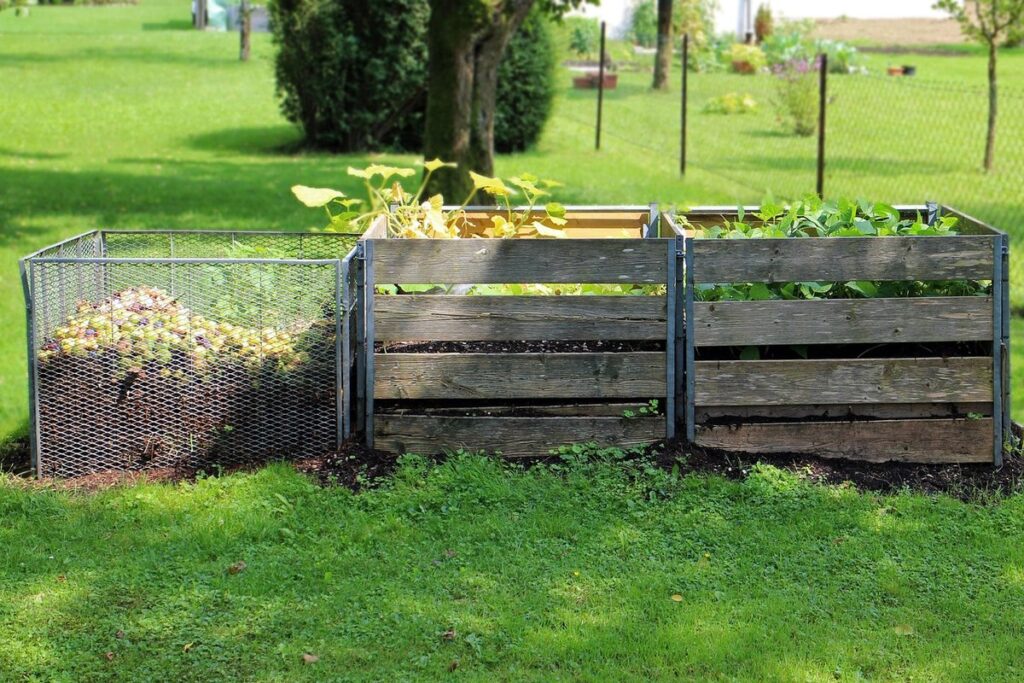
Benefits of Using Leaves in Compost
Now that you know how to collect and prepare leaves for composting, let’s talk about why they’re an essential ingredient in your nutrient-rich soil. Leaves bring a multitude of benefits to your garden, making them a valuable addition to your compost pile.
What are the Advantages of Adding Leaves to Your Compost?
When added to your compost pile, leaves offer numerous advantages that can significantly enhance the overall quality of your finished product. One of the primary benefits is their high carbon content, which helps maintain a balanced C:N ratio in your compost. This balance is essential for promoting efficient microbial activity and optimizing nutrient release.
Leaves are also incredibly effective at improving soil structure when added to your garden beds after composting. Their high lignin content breaks down slowly, creating a sponge-like effect that improves water retention and reduces soil compaction. This, in turn, fosters healthy root development and promotes optimal plant growth.
In terms of practical application, consider collecting fallen leaves from your yard or neighborhood and adding them to your compost pile in moderation. Aim for a mix of 2/3 “brown” materials (such as leaves) to 1/3 “green” materials (like food scraps). As the leaves break down, they’ll contribute valuable carbon-rich nutrients that will enrich your soil and create a thriving ecosystem for plants to grow.
Choosing the Right Types of Leaves for Composting
When it comes to choosing the right types of leaves for composting, you have several options to consider. Deciduous tree leaves, such as oak, maple, and elm, are excellent additions to your compost pile. They’re rich in nutrients like nitrogen, phosphorus, and potassium, making them a valuable resource for creating nutrient-rich soil.
Coniferous tree needles, on the other hand, are slower to break down due to their waxy coating. However, they can still be used in composting, but it’s essential to balance them with higher-carbon materials like dried leaves or shredded newspaper. Plantain leaves, also known as banana leaves, are another option for composting. They’re rich in potassium and phosphorus, making them an excellent choice for adding a boost of nutrients to your soil.
When using coniferous tree needles or plantain leaves, be sure to add them in moderation and balance them with higher-carbon materials. A general rule of thumb is to aim for a mix of 2/3 “brown” materials (dried leaves, shredded newspaper) and 1/3 “green” materials (deciduous tree leaves, coniferous tree needles). This balance will help your compost pile break down efficiently and create nutrient-rich soil.
Preparing Leaves for Composting
Before adding leaves to your compost pile, it’s essential to prepare them properly. This includes cleaning and shredding leaves to ensure they break down efficiently.
How to Collect and Store Leaves for Composting
Collecting and storing leaves for composting is an essential step in creating nutrient-rich soil. To do this efficiently, it’s crucial to have a strategy in place for raking, bagging, and storage.
When raking leaves, consider using a dedicated leaf rake with sturdy tines that can handle wet or dry leaves without breaking. This will save you time and energy in the long run. It’s also essential to remove any debris like twigs, acorns, or other contaminants that might ruin your compost pile.
Once you’ve collected the leaves, bag them up using biodegradable bags specifically designed for leaf collection. These bags allow for airflow, which is vital for decomposition. If you don’t have access to biodegradable bags, you can also use a dedicated leaf composter with built-in ventilation.
When storing leaves, consider a shaded area to prevent drying out and reduce weed seed germination. Ensure the pile is not too dense, allowing for adequate airflow to promote aerobic decomposition. Keep in mind that it’s better to store leaves in small quantities rather than one large heap, which can lead to anaerobic conditions.
Reducing the Size of Large Leaves for Easier Decomposition
When dealing with large leaves, it’s essential to break them down into smaller pieces before adding them to your compost pile. This process is crucial for several reasons: larger leaves can take up too much space in the compost pile, making it difficult for air and microorganisms to penetrate; they can also create anaerobic conditions, which can lead to unpleasant odors and reduced decomposition rates.
Fortunately, reducing the size of large leaves is relatively easy. One effective method is to use a lawn mower with a mulching feature or a leaf shredder. These tools will chop the leaves into smaller pieces, making it easier for them to decompose. For example, if you have a lot of oak leaves, which are typically large and tough, running them over with your lawn mower will help break them down.
Alternatively, you can also use a string trimmer or a garden pruning saw to manually cut the leaves into smaller pieces. This method is more time-consuming but can be effective for small quantities of leaves. Regardless of the method you choose, the goal is to create leaf fragments that are roughly 1-2 inches in length. This will help ensure they decompose quickly and efficiently, adding valuable nutrients to your compost pile.
Composting Methods: Using Leaves in Different Systems
Now that we’ve covered how to prepare and balance leaves in your compost pile, let’s dive into various systems where leaves can be effectively used.
Using Leaf Piles or Windrows for Hot Composting
Creating leaf piles or windrows is an excellent way to incorporate leaves into your hot composting system. To start, gather a significant amount of leaves and place them in a designated area. The key is to create a pile that’s at least 3-4 feet high and wide to allow for adequate decomposition.
When building the pile, consider layering different materials such as food scraps, grass clippings, or shredded newspaper to enhance microbial activity. This will help maintain heat within the pile. Make sure to balance ‘green’ (nitrogen-rich) materials with ‘brown’ (carbon-rich) materials to prevent anaerobic conditions.
Monitor the pile’s temperature regularly, ideally aiming for temperatures between 130-140°F. This indicates optimal decomposition and nutrient release. Avoid compacting the pile, as this can starve microbes of oxygen. Regular turning of the pile will help maintain aeration and ensure efficient decomposition.
It’s essential to note that leaf piles or windrows should be at least 6 feet away from any structures to prevent damage from heat or fire. By following these guidelines, you’ll be able to create a thriving hot composting system using leaves as a primary ingredient.
Mixing Leaves with Other Organic Materials for Cold Composting
Mixing leaves with other organic materials is an excellent way to create a nutrient-rich compost. When combined with kitchen scraps, manure, or other yard waste, leaves add a rich source of carbon to the mix. This balance of “green” and “brown” materials is essential for efficient decomposition.
For example, mixing 2-3 parts of leaves with one part of kitchen scraps can create an ideal composting blend. The high carbon content in leaves helps to balance out the nitrogen-rich kitchen scraps, preventing anaerobic conditions that can lead to unpleasant odors or pests. Manure, rich in nutrients and microorganisms, also benefits from being mixed with leaves.
To incorporate leaves into your cold composting mix, simply add them to a pile or bin along with other organic materials. Be sure to maintain a balance of carbon-rich (leaves) and nitrogen-rich (kitchen scraps or manure) materials to ensure efficient decomposition. A general rule of thumb is to aim for a mix of 2/3 brown materials (such as leaves) and 1/3 green materials (like kitchen scraps).
Tips for Managing Leaf Piles and Reducing Odor
Now that you’ve collected all those leaves, let’s tackle the inevitable pile-up: how to manage leaf clutter and minimize the musty odor that comes with it.
Strategies for Reducing Leaf Pile Odors
When managing leaf piles for composting, one common challenge is dealing with unpleasant odors. To minimize these smells and create a healthy environment for decomposition, consider implementing the following strategies.
Firstly, regular turning of leaf piles is crucial in preventing anaerobic conditions that lead to odor production. Aim to turn your pile every 7-10 days to ensure oxygen circulation and prevent compacted leaves from developing an unpleasant smell. You can use a pitchfork or shovel to gently mix the materials, aiming for a ratio of 2/3 “brown” (dried leaves) to 1/3 “green” (fresh grass clippings or kitchen scraps).
Adding bulking agents like straw, shredded newspaper, or peat moss can also help absorb excess moisture and reduce odor-causing bacteria. A general rule of thumb is to add about 10-20% volume of these materials to your leaf pile. By incorporating these simple yet effective techniques into your composting routine, you’ll be able to manage leaf pile odors and create a nutrient-rich soil amendment for your garden.
Encouraging Decomposition with Aeration and Moisture Control
To encourage decomposition and minimize odor issues with your leaf pile, focus on maintaining optimal aeration and moisture levels. Aeration allows oxygen to penetrate the pile, which is essential for microorganisms to break down organic matter efficiently. To aerate your leaf pile, simply turn it every week or two, using a pitchfork or shovel to loosen the material and allow air to circulate.
Moisture control is also crucial in decomposition. While leaves do need some moisture to decompose, excessive water can lead to anaerobic conditions, resulting in unpleasant odors and reduced decomposition rates. Aim for a damp but not soggy consistency by sprinkling water over the pile as needed. You can also cover the leaf pile with a tarp or burlap to maintain humidity and regulate temperature fluctuations.
A well-aerated and moistened leaf pile will typically break down within 6-12 months, depending on factors like climate and initial carbon-to-nitrogen ratio. By maintaining these conditions, you’ll be able to turn your yard waste into a valuable nutrient-rich compost that will enrich your soil for years to come.
Common Mistakes to Avoid When Composting Leaves
As you start composting leaves, it’s essential to steer clear of common pitfalls that can undermine your efforts and create more problems than solutions. Let’s explore some mistakes to avoid when breaking down yard waste into nutrient-rich soil.
Overloading the Compost Pile with Too Much Carbon-Rich Material
When composting leaves, it’s easy to get carried away with adding too many carbon-rich materials, such as dry leaves, straw, or shredded newspaper. While these materials are essential for creating a balanced compost pile, overloading the pile with too much of them can lead to problems.
If you add too many carbon-rich materials without sufficient nitrogen-rich ingredients like food scraps or grass clippings, your compost pile may become too dry and slow down the decomposition process. This can cause unpleasant odors, attract pests, and even create a fire hazard.
A good rule of thumb is to aim for a mix of 2/3 “brown” materials (like leaves) and 1/3 “green” materials (like food scraps or grass clippings). To avoid overloading your pile with too much carbon-rich material, start by adding smaller amounts and monitor the moisture levels. You can also add a handful of green materials to balance out the mix.
Remember, it’s all about creating a balanced ecosystem in your compost pile. By maintaining the right ratio of carbon to nitrogen, you’ll be on your way to creating nutrient-rich soil for your garden in no time!
Failing to Monitor pH and Nutrient Levels in the Compost
When composting leaves, it’s easy to overlook two critical factors that can make or break the quality of your finished product: pH levels and nutrient balances. Failing to monitor these variables can lead to a compost pile that’s either too acidic or toxic for plant growth.
If your compost pile has an excessively high concentration of nitrogen-rich materials (like leaves), it can lead to an overabundance of ammonia production, causing the pH to drop dramatically. On the other hand, if you’re not adding enough carbon-rich materials (such as twigs and branches) to balance out the nitrogen, your compost may end up too alkaline.
A general rule of thumb is to maintain a ratio of 2/3 “brown” materials (carbon-rich) to 1/3 “green” materials (nitrogen-rich). Regularly checking the pH levels in your pile can help you avoid these problems. You can purchase a pH test kit specifically designed for composting at most gardening stores or online.
Some signs that your compost is out of balance include an overpowering ammonia smell, mold growth, or an unpleasant sour odor. If you notice any of these issues, it’s time to reassess your materials and make adjustments accordingly.
Safety Precautions When Handling Leaves for Composting
When handling leaves for composting, it’s essential to take necessary precautions to avoid injuries and ensure a safe working environment. Wear protective gear and follow basic safety guidelines when raking and collecting leaves.
Protecting Yourself from Potential Allergies or Irritants
When handling leaves for composting, it’s essential to take precautions against potential health risks. Some people may experience allergic reactions or irritation from certain compounds present in the sap of certain leaf species.
For example, plants like poison ivy, oak, and sumac contain urushiol, a highly allergenic oil that can cause severe skin irritation. If you’re composting leaves collected from areas where these plants grow, be cautious when handling them. Wear protective gloves and long sleeves to minimize exposure.
Other compounds in leaf sap, such as salicylic acid found in willow trees, can also cause skin irritation. Some individuals may experience respiratory issues or other allergic reactions due to mold or mildew present on damp leaves.
To protect yourself, ensure you’re working with well-ventilated areas and wash your hands thoroughly after handling leaves. Wear a face mask when collecting large quantities of leaves, especially if they’re from an area with high pollen counts. Regularly clean your gloves and tools to prevent the buildup of allergenic compounds.
Preventing Accidents with Proper Equipment and Clothing
When handling leaves for composting, it’s essential to prioritize safety precautions to prevent accidents and injuries. One of the most critical aspects is using proper equipment and clothing.
To start, invest in a good pair of gloves that can protect your hands from thorns, prickles, and sharp edges. Consider reusable, waterproof gloves with grip to prevent slipping when handling wet leaves. Additionally, wear long-sleeved shirts, closed-toe shoes, and protective eyewear to safeguard against debris and splinters.
A sturdy rake or leaf scoop is also a must-have for efficient leaf collection. Look for tools with comfortable handles that reduce strain on your back and shoulders. When using power equipment like lawn mowers or trimmers, always follow the manufacturer’s guidelines and wear ear protection to prevent hearing damage.
Remember to regularly inspect your equipment and clothing for signs of wear and tear to ensure they remain effective in preventing accidents. By taking these precautions seriously, you can enjoy a safe and successful composting experience.
Conclusion: Turning Leaves into a Valuable Resource
As you’ve learned throughout this comprehensive guide, turning leaves into compost is not only an eco-friendly solution but also a valuable resource for your garden. By understanding the types of leaves that are suitable for composting and how to balance their carbon-to-nitrogen ratio, you can create nutrient-rich soil that will make your plants thrive. Now, it’s time to put this knowledge into action! Take a walk around your yard and collect those fallen leaves. Add them to your compost pile in moderation, just as you would with any other organic material. As the leaves break down, they’ll add essential nutrients like potassium and iron to your soil, making it perfect for planting flowers, vegetables, or even a lush lawn.
Frequently Asked Questions
Can I use leaves from trees with diseases or pests for composting?
No, it’s not recommended to add leaves from trees with diseases or pests to your compost pile, as this can transfer the issue to your finished compost and potentially harm your garden. It’s best to source healthy leaves from disease-free and pest-free plants.
How long does it take for leaves to decompose in a compost pile?
The decomposition time of leaves in a compost pile depends on factors like moisture, temperature, and carbon-to-nitrogen ratio. Generally, it can take anywhere from 6-24 months for leaves to fully break down into nutrient-rich compost. Regular turning and monitoring of the pile will help speed up the process.
What is the ideal leaf-to-water ratio in a compost pile?
A good starting point is to maintain a leaf-to-water ratio of about 2:1 or 3:1 (leaves:water). This ensures that the leaves are not too dry, which can slow down decomposition, and also prevents over-saturation, which can lead to anaerobic conditions.
Can I mix leaves with manure from my pet dog for composting?
It’s generally recommended to avoid mixing pet waste into your compost pile, as it can introduce pathogens and heavy metals that can contaminate the finished compost. Instead, consider using a separate bin or area for processing animal waste before adding it to your compost.
How do I prevent leaf piles from becoming too hot and smelly during hot composting?
To avoid temperature fluctuations and unpleasant odors in hot composting, ensure that you’re regularly turning the pile (about every 2-3 days), maintaining adequate moisture levels, and balancing the carbon-to-nitrogen ratio. This will help to promote healthy decomposition and minimize potential issues.