
Here’s a possible introduction paragraph:
Are you tired of throwing away animal waste, only to watch your garden suffer from nutrient deficiencies? You’re not alone. Millions of gardeners struggle with the same problem every year. But what if I told you there’s a simple way to turn this “waste” into gold? Manure composting is an age-old practice that’s making a comeback, and for good reason. Not only does it reduce waste and minimize the environmental impact of animal farming, but it also creates a nutrient-rich compost that boosts your garden’s fertility like never before. In this article, we’ll explore the benefits of manure composting, provide expert tips on setting up a successful compost pile, and show you how to transform animal waste into a valuable resource for your garden.
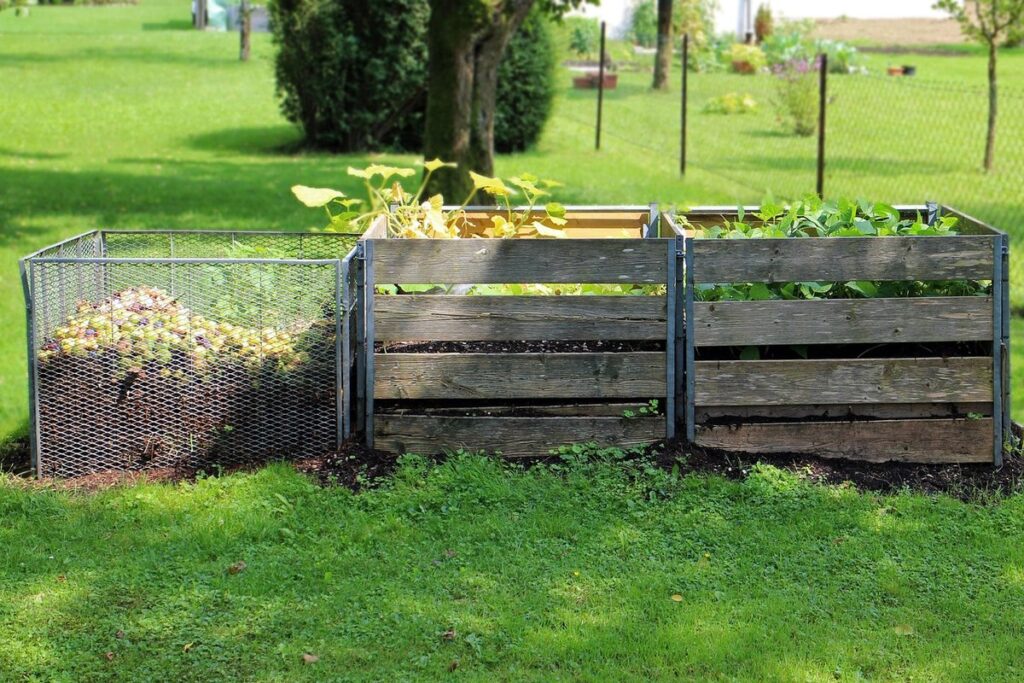
Benefits of Manure Composting
Let’s dive into the benefits of manure composting, where we’ll explore how it can boost your garden’s fertility and ecosystem health in a single paragraph. By leveraging these advantages, you can create a thriving and resilient garden.
What is Manure Composting?
Manure composting is a natural and sustainable method for recycling waste into a nutrient-rich compost that can supercharge your garden. By breaking down animal waste, you’re not only reducing the environmental impact of manure but also creating a valuable resource for your plants. This process involves allowing microorganisms to feed on the organic matter, transforming it into a stable, humus-like material.
The environmental benefits of manure composting are substantial. For one, it reduces the amount of waste sent to landfills and minimizes the production of greenhouse gases associated with anaerobic decomposition. Additionally, composted manure can replace synthetic fertilizers, promoting soil health and fertility while reducing chemical pollution. To start your own manure composting project, gather a mix of “green” materials (e.g., fresh grass clippings) and “brown” materials (e.g., dried leaves). Aim for a 2:1 or 3:1 brown-to-green ratio to achieve optimal carbon-to-nitrogen balance. Regular turning and monitoring will ensure the process is running smoothly.
Advantages Over Traditional Methods
When you consider traditional methods of waste management, manure composting stands out as a game-changer. Not only is it cost-effective, but it’s also incredibly space-efficient and reduces odors associated with other methods.
Traditional methods like incineration or landfill disposal can be expensive and often require large areas of land. In contrast, manure composting uses the existing infrastructure of your farm or backyard to turn waste into a valuable resource. The process itself is relatively low-cost, requiring minimal equipment and labor to produce high-quality compost.
Furthermore, manure composting significantly reduces odors associated with traditional methods. By breaking down organic matter through microorganisms, the resulting compost is virtually odor-free. This makes it an ideal solution for farmers looking to minimize environmental impacts while also creating a nutrient-rich soil amendment. By adopting this approach, you can transform your farm’s waste into a supercharged compost garden that benefits both your crops and the environment.
Selecting the Right Manure
When it comes to choosing manure for your compost garden, you’ll want to consider factors like nutrient levels and potential contaminants. We’ll break down what to look for in this essential step.
Types of Manure Suitable for Composting
When it comes to selecting the right manure for composting, you have several options to choose from. One of the most popular types is cow manure, which is rich in nitrogen and phosphorus. However, it’s essential to note that fresh cow manure can be too hot for composting and may attract pests.
Horse manure, on the other hand, is an excellent choice due to its high carbon-to-nitrogen ratio, making it easier to balance with other compost materials. It also contains beneficial bacteria that help break down other organic matter.
Chicken manure, being high in nitrogen, should be mixed with carbon-rich materials like straw or shredded newspaper to prevent ammonia buildup. Pig manure is another option, but its high nutrient content requires careful balancing and monitoring of pH levels during the composting process.
Before adding any animal manure to your compost pile, make sure it’s fully matured and free of contaminants. This will ensure you get the best results from your compost and create a supercharged garden fertilizer.
Considerations for Animal Health and Safety
When collecting and working with manure for composting, it’s essential to consider the potential risks to animal health and safety. This includes ensuring that you’re handling the manure in a way that prevents the spread of pathogens.
Start by understanding which animals produce manure that can be safely composted. Generally, small-scale farmers or backyard gardeners can safely compost manure from herbivores like horses, cows, and goats. However, it’s crucial to avoid using manure from carnivores like dogs, cats, and even birds, as their waste may harbor pathogens.
When collecting manure, use clean equipment to prevent cross-contamination. Store the collected manure in a secure, rodent-proof area with adequate ventilation. Regularly inspect the storage site for signs of pest infestation or water accumulation, which can exacerbate pathogen growth.
Pathogens like E. coli and Salmonella can be present in animal waste. To minimize this risk, compost the manure at a temperature that’s hot enough to kill off these microorganisms – typically between 131°F and 140°F.
Composting Process
Now that we’ve discussed the benefits of manure composting, let’s dive into the step-by-step process of turning it into a nutrient-rich supercharged compost for your garden. This section will walk you through each stage.
Setting Up a Compost Pile
When setting up a compost pile for manure, it’s essential to create an ideal structure that balances carbon-rich “brown” materials with nitrogen-rich “green” materials. Start by gathering a mix of both brown and green materials, such as dry leaves, straw, or shredded newspaper (carbon sources), and fresh manure, grass clippings, or kitchen scraps (nitrogen sources).
To create the perfect layering technique, follow these steps: begin with 4-6 inches of carbon-rich material at the bottom, followed by a 2-3 inch layer of nitrogen-rich materials. Repeat this process, alternating between brown and green layers until you reach the desired pile height. A general rule of thumb is to maintain a 2/3 carbon-to-1/3 nitrogen ratio.
Moisture management is also crucial – aim for a mix that’s like a damp sponge. Too little moisture will slow decomposition, while too much can lead to anaerobic conditions and unpleasant odors. Finally, ensure your compost pile has adequate airflow by placing it in an open area or incorporating perforated pipes to circulate air within the pile. By following these guidelines, you’ll be well on your way to creating a thriving compost pile that will supercharge your garden’s growth.
Aeration and Monitoring Techniques
Maintaining adequate oxygen levels within the compost pile is crucial to prevent anaerobic conditions. This can be achieved through regular turning of the pile and incorporating materials with high carbon content such as straw or wood chips. For example, a composting method known as ‘hot composting’ involves regularly mixing the pile over a 7-10 day period to introduce oxygen and speed up the decomposition process.
Monitoring temperature is also essential in the composting process. Compost piles can reach extremely high temperatures due to microbial activity, with ideal ranges between 130-140°F (54-60°C). It’s crucial to check the temperature regularly using a compost thermometer to prevent overheating, which can kill off beneficial microorganisms.
Regularly checking moisture levels is also necessary to ensure that the pile doesn’t dry out or become too wet. Aim for a consistency similar to a damp sponge and avoid compacting the material too much. By monitoring oxygen levels, temperature, and moisture, you’ll be able to create an ideal environment for your compost pile to thrive.
Keep in mind that regular turning will help introduce oxygen and speed up the decomposition process.
Turning Your Compost into a Garden Goldmine
Now that you’ve created your supercharged compost, let’s talk about turning it into a rich source of nutrients for your garden. This is where the real magic happens!
Nutrient-Rich Soil Amendments
When your finished compost is ready to use, it’s time to unlock its full potential as a nutrient-rich soil amendment. This is where the magic happens – transforming your manure into a supercharged compost that will boost healthy plant growth and increase crop yields.
Finished compost is teeming with beneficial microbes, humus, and essential nutrients like nitrogen, phosphorus, and potassium. These elements are exactly what plants need to thrive, promoting robust root development, vibrant foliage, and an overall stronger immune system. By incorporating your finished compost into the soil, you’ll be providing a feast for the good bacteria that live in the soil, allowing them to break down organic matter and make nutrients available to your plants.
To get the most out of your compost, mix 2-4 inches of it into the top 6-8 inches of soil before planting. This will allow the nutrients to be easily accessible to your plants as they grow. Alternatively, you can use a layer of compost as a mulch around the base of your plants, retaining moisture and suppressing weeds while adding a boost of nutrients to the soil.
Tips for Incorporating Compost into Your Garden Bed
When you’ve finally completed that magical process of turning your manure into supercharged compost, it’s essential to incorporate it wisely into your garden bed. This is where the magic happens, and you reap the rewards of your hard work.
First, make sure the compost is fully broken down before adding it to the bed. You can test its readiness by performing a simple squeeze test: if it crumbles easily between your fingers, it’s ready to go. Now, here are some strategies for maximizing the benefits:
• Spread it evenly: Divide the compost into thin layers and spread them across the garden bed to avoid overloading any one area.
• Mix with other nutrients: Combine compost with existing soil or add a balanced fertilizer to create an even more fertile environment.
• Use as mulch: Cover newly planted areas with a 2-inch layer of compost to retain moisture, suppress weeds, and regulate temperature.
Remember, a little goes a long way. Start small and gradually increase the amount as your plants become accustomed to their new surroundings.
Troubleshooting Common Challenges
We’ve all been there – a beautiful garden bed ruined by pests, poor drainage, or an overabundance of weed seeds. Let’s tackle these common challenges together and get your compost garden back on track!
Managing Odors and Pests
When working with manure, it’s inevitable that you’ll encounter some challenges. Two of the most common issues are odors and pests. To avoid creating an unpleasant environment for yourself and your neighbors, let’s tackle these problems head-on.
Firstly, strong smells can be a significant concern when composting manure. The primary cause is the high ammonia content in fresh manure, which can be overwhelming. However, with proper management, you can minimize these odors. Regular turning of the compost pile will help speed up the decomposition process and reduce odor-causing compounds.
To further prevent unpleasant smells, ensure that your composting area has good airflow. Adequate oxygen levels are crucial for healthy decomposition. You can also add a 2-inch layer of finished compost or well-rotted manure at the bottom of the pile to act as an odour-absorbing barrier.
As for pests, they often seek out nutrient-rich environments like your compost pile. To deter them, maintain a balanced carbon-to-nitrogen ratio by mixing ‘brown’ materials (dry leaves, straw) with your ‘green’ manure. Regularly inspect your pile and remove any rotting or infested areas to prevent pest migration.
Lastly, it’s essential to seal your composting area from the rest of your garden using a physical barrier. This will stop pests from migrating between the two environments and create an unhealthy environment for beneficial insects that help break down organic matter.
Overcoming Setbacks and Maintaining Momentum
Composting can be a process of trial and error, especially when working with manure. Setbacks may arise due to factors such as inadequate carbon-to-nitrogen ratios, excessive moisture, or contamination from pests and diseases. To overcome these setbacks and maintain momentum, it’s essential to have a flexible approach.
Firstly, regularly monitor your compost pile’s temperature and moisture levels to ensure optimal conditions for microbial activity. Aim for a balance between adding too little or too much organic matter. If the compost becomes too wet, turn it to aerate it; if it’s too dry, add more water. You can also use a compost thermometer to measure internal temperatures.
Secondly, maintain a record of your composting activities, including materials added, dates, and observations. This will help you identify areas for improvement and track progress over time. Regular monitoring and adjustments will enable you to adapt your approach as needed, ensuring that your compost pile remains on track to producing nutrient-rich fertilizer for your garden.
By adopting this mindset and implementing these strategies, you’ll be well-equipped to overcome setbacks and maintain the momentum necessary to achieve optimal results in your manure composting garden.
Frequently Asked Questions
Can I use manure from my neighbor’s farm or should it be from animals on my own property?
It’s generally recommended to use animal waste from your own property, but if you’re unable to obtain enough manure, you can ask a trusted neighbor if they’d be willing to share some. Be sure to discuss the composting process and any necessary precautions to ensure both parties’ health and safety.
How often should I turn my compost pile to maintain optimal aeration?
Turning your compost pile 2-3 times a week is a good rule of thumb, but this can vary depending on factors like climate, pile size, and the type of manure being used. A general guideline is to turn the pile whenever it reaches about half its original height or when you notice a decrease in aeration.
What if I’m new to composting and don’t know where to start with setting up my pile?
Don’t worry – many gardeners begin their composting journey without prior experience! Start by selecting a suitable location for your compost pile, then gather the necessary materials (manure, carbon-rich ‘brown’ materials, etc.). Follow expert tips on setting up an initial pile and consider consulting resources or online forums for guidance.
Can I use manure from animals that have been vaccinated against certain diseases?
Yes, if you’re using manure from animals that have received proper vaccinations, the risk of disease transmission is significantly reduced. However, it’s essential to still follow safe composting practices and take precautions when handling animal waste to minimize any potential risks.
Will my soil quality improve overnight after applying manure compost?
While applying manure compost will undoubtedly enrich your soil, its effects won’t be instantaneous. Be patient – nutrient-rich soil amendments can take weeks or even months to fully benefit from the added nutrients, depending on factors like soil type and the specific needs of your plants.