
Composting is one of the most effective ways to reduce waste, lower your carbon footprint, and create a nutrient-rich fertilizer for your garden. But did you know that grass clippings can be composted too? These clippings are not only an excellent addition to your compost pile but also provide a wealth of benefits when broken down. Not only do they help retain moisture in the soil, suppress weeds, and regulate soil temperature, but they’re also a great way to recycle yard waste.
In this article, we’ll explore the process of composting grass clippings, including how to set up your compost pile, what to expect during the decomposition process, and some valuable tips for successful composting. By following these simple steps and understanding the benefits of composting grass clippings, you can create a nutrient-rich fertilizer that will give your garden the boost it needs to thrive.
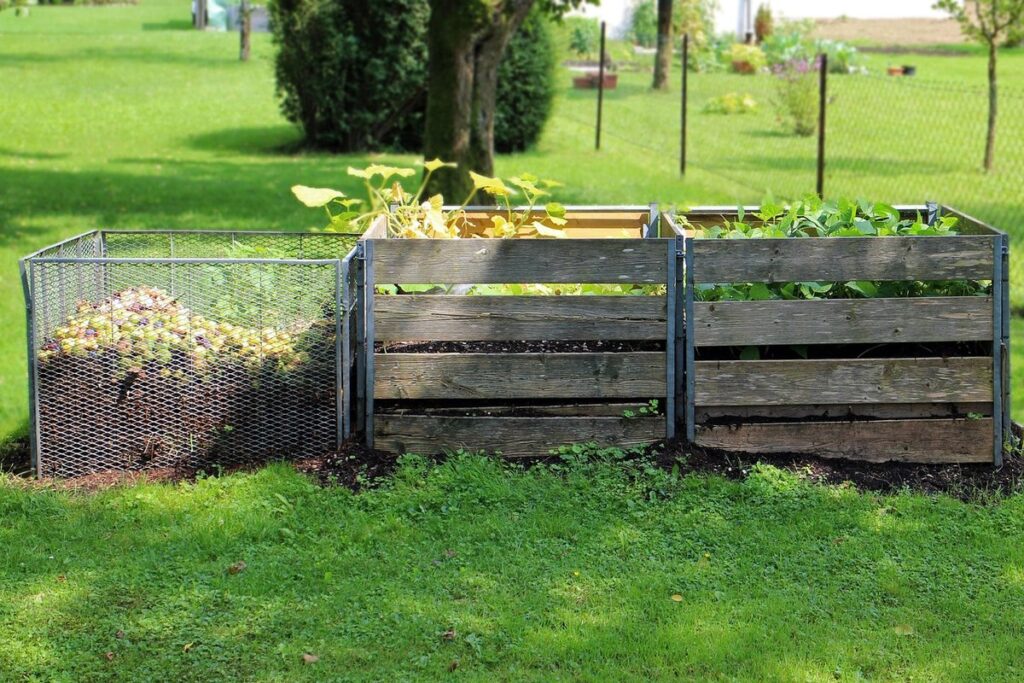
The Benefits of Composting Grass Clippings
Now that you know why composting grass clippings is a great idea, let’s dive into the benefits of turning your yard waste into nutrient-rich fertilizer for your garden. You’ll be amazed at how easy it is to create something truly valuable from what might otherwise go to waste!
What is Composting and Why It’s Essential for Sustainable Gardening
Composting is a natural process that breaks down organic materials into a nutrient-rich fertilizer for plants. It’s essential for sustainable gardening as it reduces waste, conserves water, and promotes healthy plant growth. By composting, you can turn what would otherwise be discarded grass clippings into a valuable resource for your garden.
The benefits of composting extend beyond the garden itself. Compost helps to reduce greenhouse gas emissions by minimizing the amount of waste sent to landfills. It also reduces the need for synthetic fertilizers and pesticides, which pollute soil, air, and water. By creating nutrient-rich compost from grass clippings, you’re reducing your environmental footprint while providing your plants with essential nutrients.
Composting is a simple process that requires minimal effort and equipment. You can start by collecting grass clippings in a designated bin or pile and mixing them with other organic materials like leaves, vegetable scraps, and coffee grounds. As the mixture breaks down, it will transform into a rich, earthy compost that’s perfect for fertilizing your garden beds and houseplants.
Understanding the Role of Grass Clippings in Composting
Grass clippings are often viewed as a nuisance, but they can actually be a valuable addition to your compost pile. One of their most significant contributions is providing nitrogen-rich materials that accelerate the decomposition process. When fresh grass clippings are added to the compost pile, they release a large amount of nitrogen into the mix, which helps speed up the breakdown of other organic matter.
To incorporate grass clippings effectively, it’s essential to maintain the right carbon-to-nitrogen ratio in your compost. Aim for a balance of 2/3 “brown” materials (dried leaves, straw, or shredded newspaper) and 1/3 “green” materials like grass clippings. This ratio ensures that the nitrogen is utilized efficiently, preventing it from being lost as ammonia gas.
As you add grass clippings to your compost pile, be mindful of the moisture levels. Excessive moisture can lead to anaerobic conditions, causing unpleasant odors and slowing down decomposition. Regularly mixing the clippings with other materials will help maintain a balanced environment for optimal composting.
Preparing Grass Clippings for Composting
Before you start composting, it’s essential to prepare your grass clippings by mowing them at the right height and raking them into manageable piles. This will help ensure a smooth composting process.
How to Collect and Store Grass Clippings for Optimal Composting
Collecting and storing grass clippings properly is essential to maintain their quality and prevent them from becoming too wet or moldy. When collecting, it’s best to use a lawn mower with a mulching function that chops the clippings into fine pieces, allowing for easier decomposition.
Store the collected clippings in a dry, well-ventilated area, such as a designated compost bin or pile. Avoid storing them in direct sunlight or extreme temperatures, which can accelerate decomposition and lead to anaerobic conditions. If you don’t have a dedicated space, consider using bins with lids or tarps to keep the clippings dry.
To prevent moisture buildup, add a layer of dry materials like straw or shredded newspaper on top of the clippings before covering them. Regularly turning the pile will help maintain oxygen levels and prevent mold from forming. Aim for a balance between wet and dry materials to achieve optimal decomposition rates.
By following these guidelines, you’ll be able to collect and store grass clippings that are rich in nutrients, ready to be added to your compost pile for nutrient-rich fertilizer production.
Ensuring the Right Balance of Green Materials in Your Compost Pile
When it comes to composting grass clippings, achieving the right balance of green materials is crucial for optimal results. Green materials like fresh grass clippings are rich in nitrogen but can be prone to creating anaerobic conditions in the compost pile if not balanced with other materials.
To avoid this issue, you’ll want to balance your grass clippings with brown materials such as dried leaves, shredded newspaper, or wood chips. These materials are high in carbon and will help to offset the excess nitrogen from the green materials. Aim for a mix of 2/3 “brown” materials and 1/3 “green” materials.
As an example, if you have a batch of freshly cut grass clippings that make up about half of your compost pile, add some dried leaves or shredded newspaper to bring the ratio back into balance. You can also use other brown materials like coconut coir, straw, or even cardboard cores.
Remember, the key is to create a balanced ecosystem in your compost pile where both nitrogen and carbon are available for the microorganisms to break down. This will ensure that your finished compost is rich in nutrients and ready to be used as fertilizer in your garden.
Setting Up an Effective Composting System
To set up a composting system that works efficiently, you’ll want to choose a location that’s accessible and has good air circulation. This simple setup will make all the difference in your composting success.
Designing a Compost Pile That Maximizes Space and Efficiency
When designing a compost pile that maximizes space and efficiency, it’s essential to consider three key factors: ventilation, accessibility, and maintenance. Start by choosing the right location for your compost area. Ideally, it should be close to a water source, but not in a low-lying area where water may collect. A spot with partial shade is also preferable, as direct sunlight can cause the pile to dry out.
Aim for a compost pile size that’s around 3×3 feet or 4×4 feet in diameter. This will allow you to easily turn the materials and prevent overheating. To ensure good ventilation, include a few inches of space between each layer, and consider adding aeration strips or perforated pipes to promote airflow.
For easy access, create a walkway around the compost area and use a wheelbarrow or pitchfork to collect materials. Consider also incorporating a rainwater collection system to minimize water usage during dry spells. By paying attention to these details, you’ll be able to maintain a healthy compost pile that’s perfect for turning your grass clippings into nutrient-rich fertilizer.
Tips for Maintaining a Healthy Compost Pile Through Regular Turning
Regular turning is crucial for maintaining a healthy compost pile, especially when dealing with grass clippings. This process helps to aerate the pile, ensuring that oxygen reaches all parts of the composting material. As a result, microorganisms can break down the organic matter more efficiently.
When to turn your compost pile depends on its size and moisture level. A good rule of thumb is to turn it every 7-10 days during the initial stages of decomposition. However, if you have a smaller pile or notice that it’s drying out, you may need to turn it more frequently.
During the turning process, look for these signs: adequate moisture (not too wet or dry), even texture, and minimal odors. If your compost pile has an unpleasant smell, it may be due to inadequate aeration or too many “green” materials like grass clippings. Aim for a balance of 2/3 brown materials (dried leaves, straw) and 1/3 green materials (grass clippings).
The Composting Process: What Happens to Grass Clippings
When you toss your grass clippings into the compost pile, they undergo a fascinating transformation as microorganisms break them down into rich, nutrient-dense soil. This process is key to creating effective fertilizer from yard waste.
Breaking Down the Science Behind Decomposition and Nutrient Release
When we send our grass clippings to the compost pile, it’s not just a matter of letting them break down over time. Decomposition is an intricate process that involves tiny microorganisms working tirelessly behind the scenes. These microbes are responsible for breaking down complex organic materials like grass clippings into simpler nutrients that can be absorbed by plants.
At the core of decomposition is carbon-to-nitrogen (C:N) balance. Microbes thrive when they have a mix of both carbon-rich and nitrogen-rich compounds to feed on. Grass clippings are typically high in nitrogen, making them an ideal food source for microbes. As these microorganisms feed, they release excess nutrients like ammonia into the soil, which can then be used by plants.
It’s estimated that composting grass clippings alone can reduce greenhouse gas emissions by up to 20% per household. By creating a balanced compost pile with adequate carbon-rich materials and moisture, you can encourage these beneficial microbes to thrive. This will not only speed up the decomposition process but also ensure that your finished compost is rich in essential nutrients for your plants.
Monitoring and Adjusting pH Levels in Your Compost Pile for Optimal Results
Monitoring pH levels is crucial for maintaining an optimal composting environment. Most plants prefer a slightly acidic to neutral soil pH between 6.0 and 7.0. Your compost pile should aim to achieve this range for proper decomposition and nutrient release.
A pH level that’s too high or too low can hinder the composting process, leading to unpleasant odors, mold growth, and reduced nutrient availability. For example, if your compost pile is too alkaline (above 7.5), it may attract rodents and create anaerobic conditions that promote pathogen development.
To monitor pH levels, you can purchase a simple pH test kit or have your soil analyzed by a laboratory. Aim to check the pH at least once a week during the composting process. If your readings are outside of the 6.0-7.0 range, make adjustments accordingly. Add materials like coffee grounds, peat moss, or sulfur to lower the pH, and wood ash or lime to raise it. By maintaining an optimal pH balance, you’ll ensure healthy decomposition and nutrient-rich compost for your garden. Regular monitoring will also help prevent costly mistakes and wasted resources.
Using Composted Grass Clippings in Your Garden
When you’re finally ready to put your composted grass clippings to use, there are several creative ways to incorporate them into your garden for optimal results. This section highlights key methods and applications.
Tips for Incorporating Compost into Your Soil for Better Plant Growth
When incorporating composted grass clippings into your soil, it’s essential to follow best practices for application rates and timing. A general rule of thumb is to mix 2-4 inches of composted grass clippings into the top 6-8 inches of soil before planting new seeds or seedlings. This will allow the microorganisms in the compost to break down the nutrients at an optimal rate.
For established plants, you can apply a 1/4 inch layer of composted grass clippings around the base, working it gently into the top inch of soil. Avoid over-application, as this can lead to an overabundance of nitrogen and potentially damage your plants.
Timing is also crucial. Spring and fall are ideal seasons for incorporating composted grass clippings, when the soil is not too hot or cold for microbial activity. Apply during the growing season to provide a boost of nutrients for ongoing growth.
By following these guidelines, you’ll be able to reap the full benefits of your composted grass clippings and enjoy healthier, more vibrant plants in your garden.
Case Studies: Successful Gardening Projects That Utilized Composted Grass Clippings
Let’s take a look at some successful gardening projects that utilized composted grass clippings with remarkable results. One such example is the community garden in Brooklyn, New York, which saw a significant reduction in waste management costs by using composted grass clippings as fertilizer.
The gardeners collected over 1,000 pounds of grass clippings from local lawns and composted them on-site. The resulting nutrient-rich fertilizer improved soil structure, increased crop yields, and reduced the need for synthetic fertilizers. This project not only saved the community money but also served as an educational platform for residents to learn about sustainable gardening practices.
Another example is a small-scale urban farm in Chicago that used composted grass clippings to improve soil health and reduce erosion. By incorporating the compost into their soil, they observed improved water retention, increased crop diversity, and enhanced overall ecosystem services.
These case studies demonstrate the potential benefits of using composted grass clippings as fertilizer, including cost savings, improved soil health, and increased crop yields. They also highlight the importance of education and community engagement in promoting sustainable gardening practices.
Troubleshooting Common Issues in Composting Grass Clippings
If you’re encountering problems with composting grass clippings, don’t worry – we’ve got solutions to common issues like moldy clumps and odors. Let’s troubleshoot together and get your compost back on track.
Identifying and Addressing Common Problems Like Odors, Pests, or Mold
As you start composting grass clippings, you may encounter some common issues that can be frustrating and even cause you to give up on this eco-friendly practice. One of the most common problems is unpleasant odors emanating from the pile. This is usually due to an imbalance in carbon-to-nitrogen ratio or insufficient aeration. To address this issue, ensure that your compost pile has a mix of 2/3 “brown” materials (dry leaves, straw) and 1/3 “green” materials (grass clippings). Regularly turn the pile to maintain airflow.
Another problem you might encounter is pests like rodents, raccoons, or even flies. To deter these unwanted visitors, keep your compost pile covered with a tight-fitting lid and ensure it’s at least 2-3 feet away from any structures that could provide easy access to the pests.
Mold can also develop in your compost pile if it becomes too wet. This is usually due to excessive watering or poor drainage. To prevent mold growth, make sure your compost pile has adequate ventilation and avoid overwatering. By addressing these common issues proactively, you can create a thriving compost ecosystem that turns grass clippings into nutrient-rich fertilizer for your garden.
Strategies for Maintaining a Healthy Compost Pile During Extreme Weather Conditions
Maintaining a healthy compost pile during extreme weather conditions is crucial to ensure that your clippings break down efficiently and don’t become a breeding ground for pests. When temperatures soar or plummet, it can be challenging to manage your compost pile effectively.
To combat intense heat, mix in some bulking agents like straw or shredded newspaper to prevent moisture loss and promote airflow within the pile. This will help keep your clippings from drying out and reduce the risk of fires. If you notice the temperature inside the pile reaching over 160°F (71°C), cover it with a tarp or shade cloth to block direct sunlight.
During cold snaps, make sure to add more green materials like grass clippings, fresh leaves, or fruit scraps to provide warmth and promote microbial activity. You can also turn your compost pile regularly to increase oxygen flow and speed up the decomposition process. Additionally, avoid adding too many brown materials during this time, as they can slow down the process.
By taking these precautions, you’ll be able to maintain a thriving compost pile even in extreme weather conditions, turning your grass clippings into rich fertilizer for your garden.
Frequently Asked Questions
Can I compost grass clippings with other yard waste materials?
Yes, composting grass clippings can be combined with other organic materials like leaves, branches, or vegetable scraps to create a nutrient-rich fertilizer for your garden. Just ensure the right balance of green (nitrogen-rich) and brown (carbon-rich) materials in your compost pile.
How often should I turn my compost pile when adding grass clippings?
It’s recommended to turn your compost pile every 7-10 days, especially when adding high amounts of grass clippings. This helps aerate the pile, speeding up decomposition and preventing odors or pests from developing.
Can I use too much grass clipping in my compost pile, causing an imbalance?
Yes, overloading on grass clippings can lead to a nitrogen-rich, but carbon-poor environment. To avoid this issue, balance your green materials with adequate amounts of brown materials like dried leaves or straw, and maintain a mix of 2/3 “brown” materials to 1/3 “green” materials.
How do I know when my compost is ready for use in the garden?
Your compost pile should be finished after 2-6 months, depending on factors like temperature, moisture, and the initial carbon-to-nitrogen ratio. Check for a dark brown or black color, earthy aroma, and crumbly texture before adding it to your soil.
Can I compost grass clippings in cold weather conditions?
While decomposition slows down in colder temperatures, you can still compost grass clippings during winter months by maintaining adequate moisture and monitoring the pile’s temperature. Regular turning will also help speed up the process.